.webp&w=384&q=75)

Loading, please wait...
Loading, please wait...

Understanding the relationship between health literacy and lifestyle behaviors is essential for modern healthcare delivery in India. Researchers recently conducted a comparative analysis to determine if a history of COVID-19 infection influences these factors. Therefore, they assessed 367 individuals using standardized scales, including the European Health Literacy Survey. Consequently, the results showed that infection history did not significantly alter a person’s health literacy levels or their lifestyle choices. However, a weak yet significant positive correlation exists between how well people process health information and their daily habits.
Notably, the study found that individuals with higher literacy scores often engage in better self-care. Specifically, participants who understood health instructions more clearly showed improved exercise frequencies and nutritional choices. Furthermore, the findings suggest that the COVID-19 pandemic did not necessarily serve as a catalyst for long-term literacy changes. Instead, baseline health literacy remains the primary driver for sustained healthy living. Doctors should therefore prioritize patient education to bridge the gap between medical knowledge and patient action.
Additionally, social media platforms emerged as the most common sources for health-related knowledge among the study participants. This trend underscores the importance of clinicians providing verified digital resources to their patients. Ultimately, strengthening health literacy across all populations can enhance overall community health outcomes. In contrast, failing to address literacy barriers might hinder the adoption of preventative measures in future health crises. Clinicians must adapt their communication styles to ensure patients can effectively navigate complex health environments.
No, the study indicates that individuals who had COVID-19 did not show higher health literacy scores compared to those who were never infected. Infection experience does not automatically translate into better health information processing skills.
Yes, the research found a significant positive correlation. This suggests that as health literacy and lifestyle knowledge increases, individuals are more likely to adopt healthy behaviors like regular exercise and better nutrition.
Disclaimer: This content is for informational and educational purposes only. It does not constitute medical advice, diagnosis, or treatment. Always seek the advice of your physician or other qualified health provider with any questions you may have regarding a medical condition. Refer to the latest local and national guidelines for clinical practice.
References

Read summarized clinical updates, watch expert medical content, and earn CME certifications right from your smartphone.
Open your smartphone camera to scan and install.





A comparative study found that while COVID-19 infection history doesn't alter health literacy, literacy levels significantly influence healthy lifestyle hab...
8 months ago

Following regulatory scrutiny from FSSAI regarding promotional representations and lean muscle preservation claims, Dr. Reddy's Laboratories and Nestlé Health Science are currently reviewing the branding and marketing strategy for their joint nutritional supplement Celevida GLP+.
Today
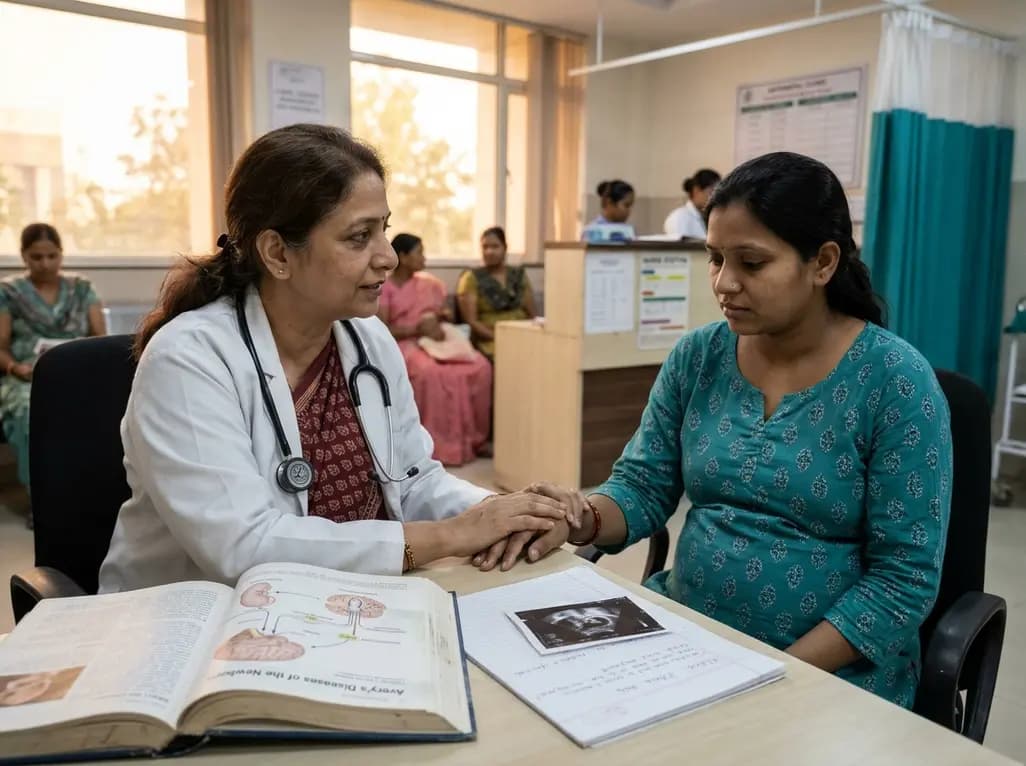
A comprehensive scoping review synthesises evidence linking prenatal maternal mental health to long-term offspring neurodevelopment, evaluating neuroendocrine, inflammatory, and epigenetic pathways while highlighting clinical screening and future research priorities.
Today

The Directorate General of Health Services directs Indian states to halt the hazardous reuse and reprocessing of single-use medical devices. Discover regulatory implications under the Drugs and Cosmetics Act, critical infection risks, legal liabilities, and operational changes required across clinical specialties.
Today
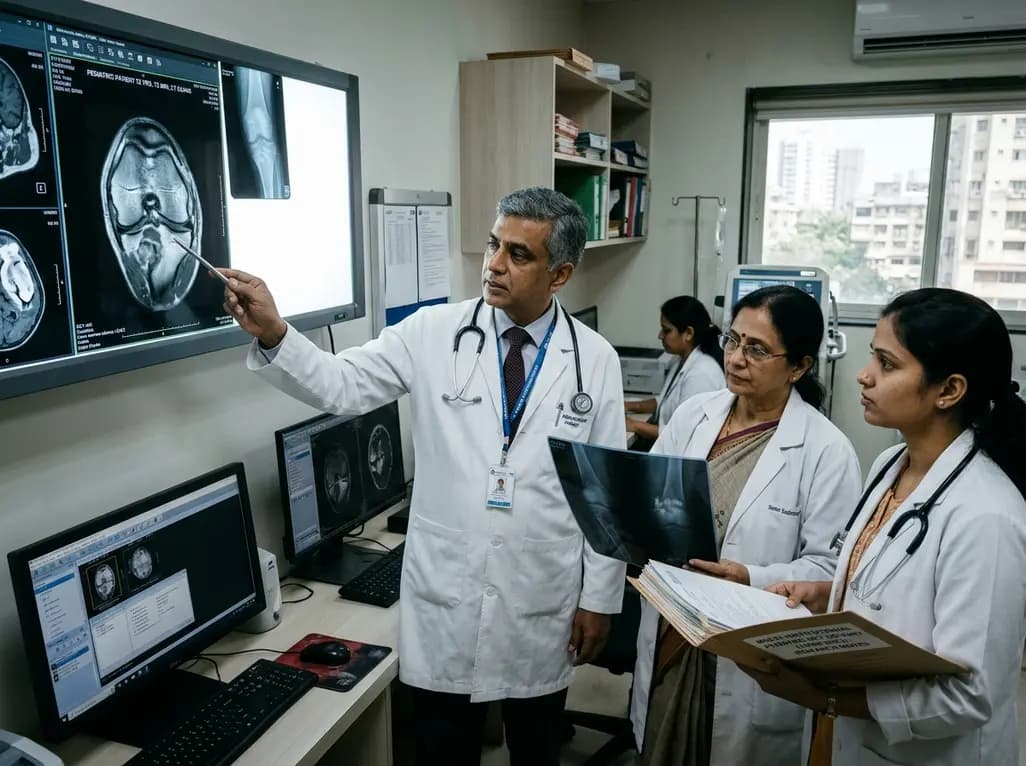
A 25-year multi-institutional cohort reveals high recurrence rates in pediatric giant cell tumor of bone, particularly in patients with open physes and bone marrow edema on preoperative MRI. Early surveillance and careful balance between growth plate preservation and tumor clearance are essential.
Today

India is advancing preventive healthcare by integrating genomics, artificial intelligence, and quantum technologies. With the SANGAM programme sequencing one million Indian genomes, clinicians can unlock personalized therapies, detect cardiometabolic risks early, and curb the burden of diabetes and heart disease.
Today
