

Loading, please wait...
Loading, please wait...
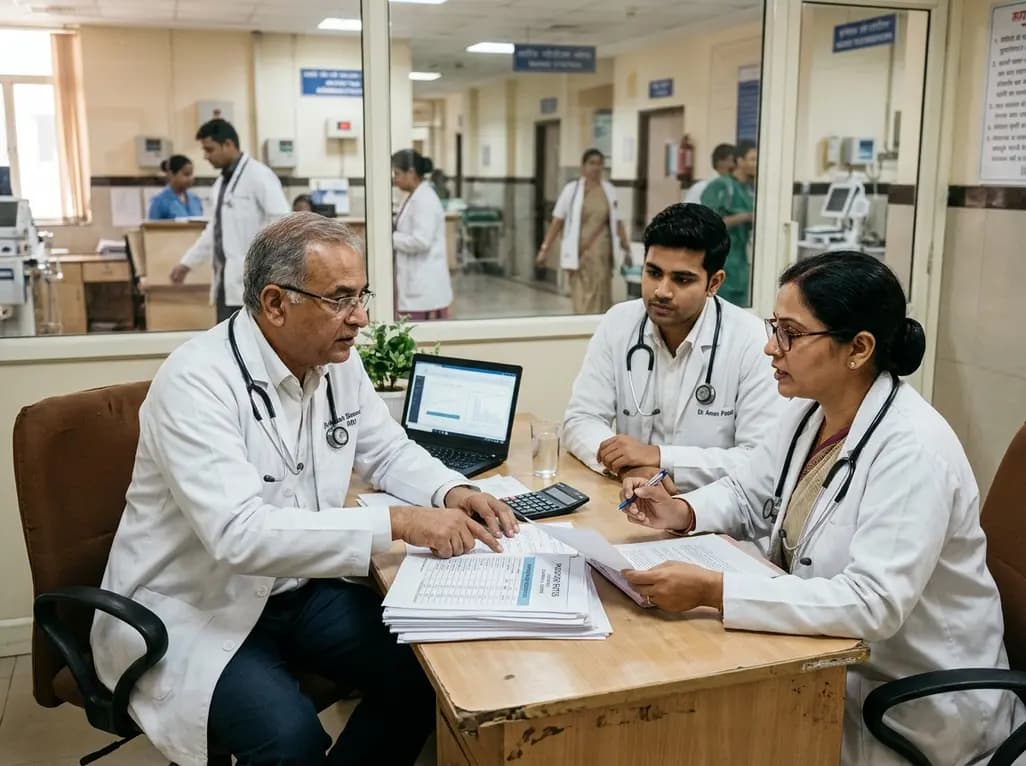
Modern healthcare delivery requires robust financial mechanisms to sustain clinical standards across public and private hospitals. Today, hospital administrators and clinical leaders frequently emphasize that centrally funded health insurance package rates must undergo routine reviews. Consequently, healthcare stakeholders argue that static tariffs fail to mirror economic realities. When public schemes neglect rising inflation and modern clinical resources, both healthcare institutions and patients inevitably face severe access constraints.
Government health programs like the Central Government Health Scheme and Ayushman Bharat PMJAY form the backbone of patient access in India. However, current reimbursement structures often lag behind the actual expenses incurred during inpatient admissions. Hospital networks argue that health insurance package rates should align with actual operational expenditures. For instance, the Union Health Ministry revised rates for nearly two thousand procedures under the Central Government Health Scheme in late 2025. Although this marked the first comprehensive update since 2014, industry representatives noted that surgical tariffs and advanced diagnostic interventions remained largely unadjusted. Therefore, apex healthcare organizations urge authorities to institute an automatic indexing model. By connecting reimbursements directly to the Consumer Price Index, regulatory bodies can maintain economic predictability for participating care providers. Furthermore, static schedules create substantial financial deficits for tertiary centers that perform complex operations. When procedure payments remain frozen for a decade, institutions struggle to maintain quality benchmarks. Consequently, adopting a structured, periodic review schedule protects hospital sustainability while expanding treatment options for beneficiaries across metropolitan regions.
Clinical technology changes rapidly, offering safer interventions and superior patient outcomes across tertiary care centers. However, adopting state-of-the-art diagnostic instruments, robotic surgical systems, and modern intensive care monitoring requires heavy capital expenditure. Additionally, hospitals face ongoing clinical inflation that affects consumable supplies, specialized pharmaceuticals, and skilled nursing payrolls. When statutory tariffs remain unchanged, medical institutions cannot easily recover these substantial capital investments. For example, minimally invasive cardiac surgeries and complex oncological therapies demand specialized surgical hardware and single-use disposables. If national reimbursement schedules compensate facilities using decade-old benchmarks, healthcare facilities face an unsustainable financial squeeze. As a result, many tertiary care facilities must limit the volume of subsidized procedures they perform. Moreover, modern clinical guidelines emphasize stringent infection control protocols and high nurse-to-patient ratios in critical care units. These mandatory quality metrics inherently escalate per-patient daily expenditures. Thus, updating baseline package values ensures that empanelled hospitals can continue providing sophisticated clinical technologies without compromising patient safety standards.
The Ayushman Bharat Pradhan Mantri Jan Arogya Yojana represents a massive step toward universal health coverage in India. Nevertheless, prominent corporate hospital networks, including Fortis Healthcare, Apollo Hospitals, and Max Healthcare, largely remain outside the scheme. This hesitation stems primarily from the economic disparity between urban overheads and approved scheme reimbursement levels. Specifically, tertiary hospitals located in major metropolitan areas encounter steep real estate expenses, high municipal utility costs, and premium staff salaries. Consequently, standard public package pricing fails to offset the marginal costs of routine inpatient care in these locations. In addition, private operators express concern that treating large volumes at below-cost pricing threatens their institutional solvency. Policymakers must recognize that urban corporate facilities maintain advanced quaternary departments that secondary government hospitals cannot duplicate. Therefore, tiered reimbursement formulas that account for geographic overhead and national accreditation status could provide a viable bridge. By creating financially feasible terms, the central government can incentivize top-tier private institutions to enroll actively in national healthcare initiatives.
Financial viability in private healthcare depends heavily on consistent cash flow and predictable revenue cycles. Unfortunately, empanelled healthcare providers frequently encounter lengthy bureaucratic delays before receiving payments for authorized treatments. When government agencies delay claim settlements for several months, hospitals must divert emergency operating funds to manage basic working capital. Furthermore, prolonged pending receivables hinder hospital administrations from purchasing critical medications and paying frontline clinical staff on time. Because healthcare facilities operate on narrow margins, uncollected claims directly jeopardize ongoing institutional modernization. Healthcare industry representatives consistently emphasize that timely claim clearance is just as critical as tariff rationalization. For instance, establishing digital processing gateways with strict statutory timelines could eliminate administrative friction and restore provider trust. In contrast, delayed settlements compel some facilities to request out-of-pocket payments directly from vulnerable patients. Therefore, public health payers must implement binding settlement schedules backed by penalty clauses for overdue accounts. A transparent and prompt reimbursement mechanism ultimately encourages broader private provider participation and enhances patient trust across the healthcare delivery ecosystem.
Another significant hurdle impacting hospital economics involves the prevailing Goods and Services Tax framework. Currently, clinical healthcare services remain exempt from GST, which ostensibly aims to keep medical treatment affordable for citizens. However, because health services are tax-exempt, healthcare institutions cannot claim an input tax credit on items they purchase. Hospitals pay substantial GST on biomedical machinery, operational software, building leases, and clinical consumables. Consequently, these non-creditable taxes become embedded expenditures within the hospital cost structure, substantially inflating daily operating budgets. Furthermore, this tax distortion diminishes the financial capacity of healthcare organizations to invest in modern clinical infrastructure. Industry leaders advocate for a revised fiscal model, such as bringing healthcare under a nominal GST slab with full input tax recovery. Alternatively, specialized refund mechanisms could help alleviate this recurring tax burden. In addition, rationalizing the indirect tax regime would directly reduce underlying treatment delivery costs. Thus, reforming hospital taxation alongside insurance reimbursements will stimulate capital investments, foster clinical excellence, and safeguard long-term patient affordability across the country.
Q1: Why are healthcare leaders demanding periodic revisions of government package rates?
Healthcare leaders demand periodic tariff revisions because clinical expenditures rise steadily due to general inflation, advanced medical equipment, and higher operational expenses. When scheme packages remain unchanged for years, empanelled hospitals struggle to deliver high-quality care without suffering operating losses. Consequently, adjusting rates ensures that facilities cover baseline clinical expenses, retain specialized personnel, and continue offering cutting-edge treatments to covered patients without compromising patient safety.
Q2: Why do major corporate hospitals hesitate to join Ayushman Bharat PMJAY?
Major corporate hospital chains hesitate to participate in Ayushman Bharat because approved reimbursement rates often fail to cover real operating expenses in urban environments. Metropolitan centers incur substantial costs related to real estate, diagnostic infrastructure, specialized medical teams, and high-end critical care facilities. Therefore, corporate providers argue that existing tariffs are financially unviable. They maintain that regional tiered pricing is necessary to justify their institutional participation.
Q3: How does the current GST structure create embedded costs for private hospitals?
Although healthcare consultations and treatments are exempt from GST, hospitals cannot claim input tax credits on essential goods and services they purchase. Facilities pay heavy tax rates on high-tech diagnostic devices, surgical instruments, outsourced administrative services, and basic operational consumables. Consequently, these unrecovered taxes become embedded operating expenses. This dynamic diminishes hospital margins and reduces the available capital required for upgrading medical technology and patient amenities.
Disclaimer: This content is for informational and educational purposes only. It does not constitute medical advice or replace professional judgment. Refer to the latest local and national guidelines for clinical practice.
References

Read summarized clinical updates, watch expert medical content, and earn CME certifications right from your smartphone.
Open your smartphone camera to scan and install.





Healthcare leaders advocate for periodic adjustments of government health insurance package rates to match rising operational expenses. Rational reimbursement structures and GST reforms can ensure clinical viability, encourage private hospital participation, and secure sustainable healthcare delivery in India.
Today
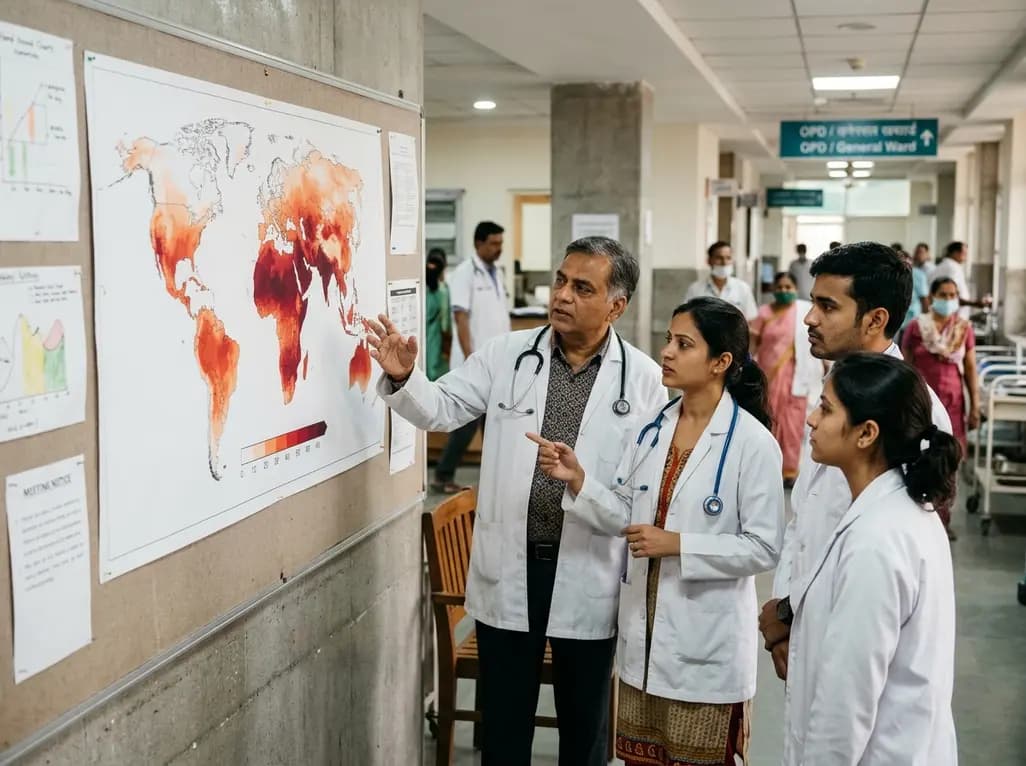
A landmark Lancet report reveals that heat claimed three million lives between 2016 and 2023, with over seventy percent linked to human activity. As healthcare systems face accelerating climate impacts, international experts urge unified policy action, resilient infrastructure, and targeted research investments.
Today
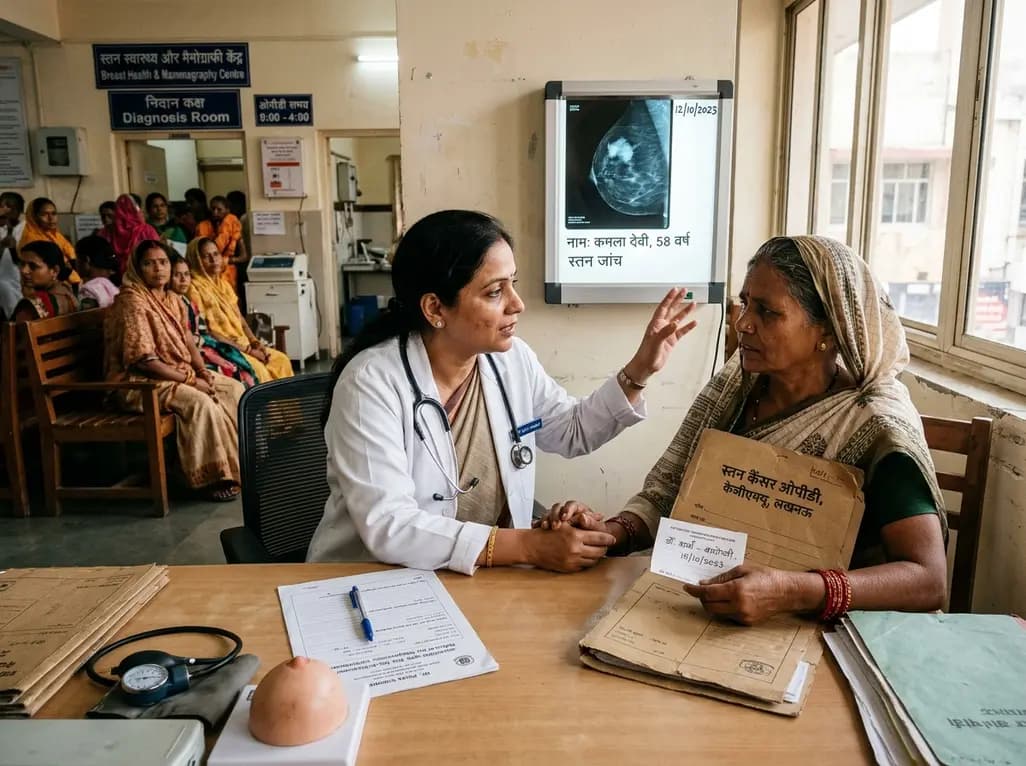
A KGMU study reveals over half of women with breast abnormalities fail to undergo diagnostic confirmation, leading to advanced-stage detection. Discover the socio-cultural barriers, clinical risks of incomplete resection, and community-level solutions needed to bridge the critical screening-to-diagnosis gap in India.
2 days back
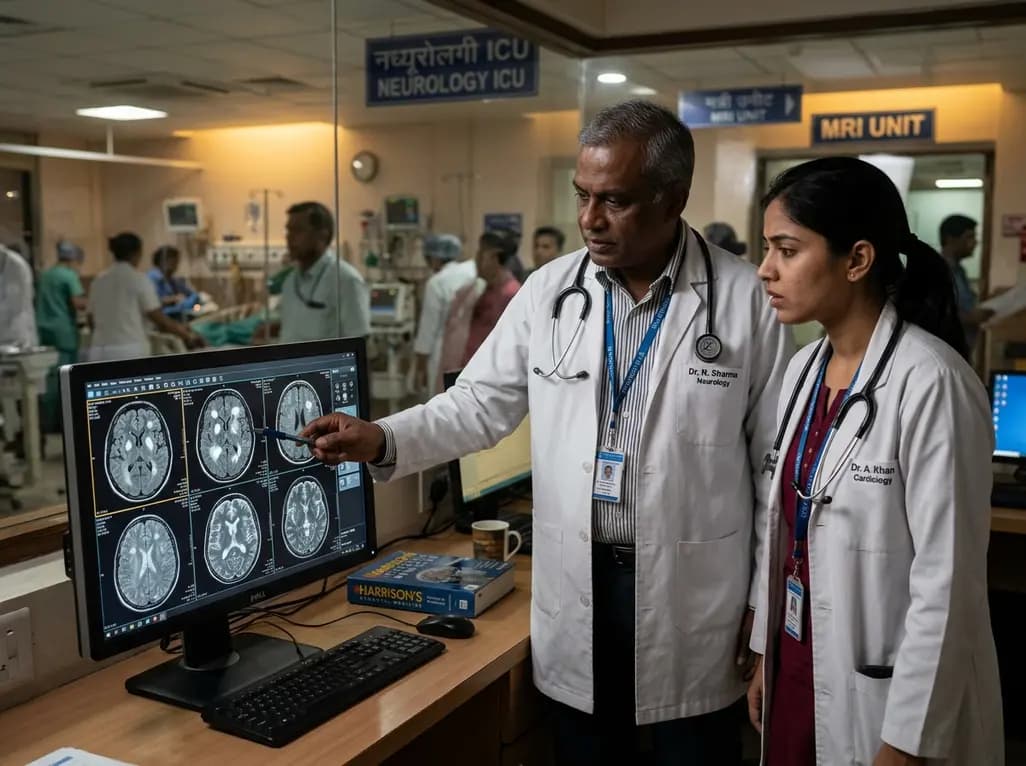
Recent findings from the VESUVE study demonstrate that brain MRI detects intracranial lesions in over 76% of patients with infective endocarditis. Acute ischemic stroke and subarachnoid hemorrhage independently elevate six-month mortality, underscoring the critical prognostic utility of neuroimaging.
Yesterday
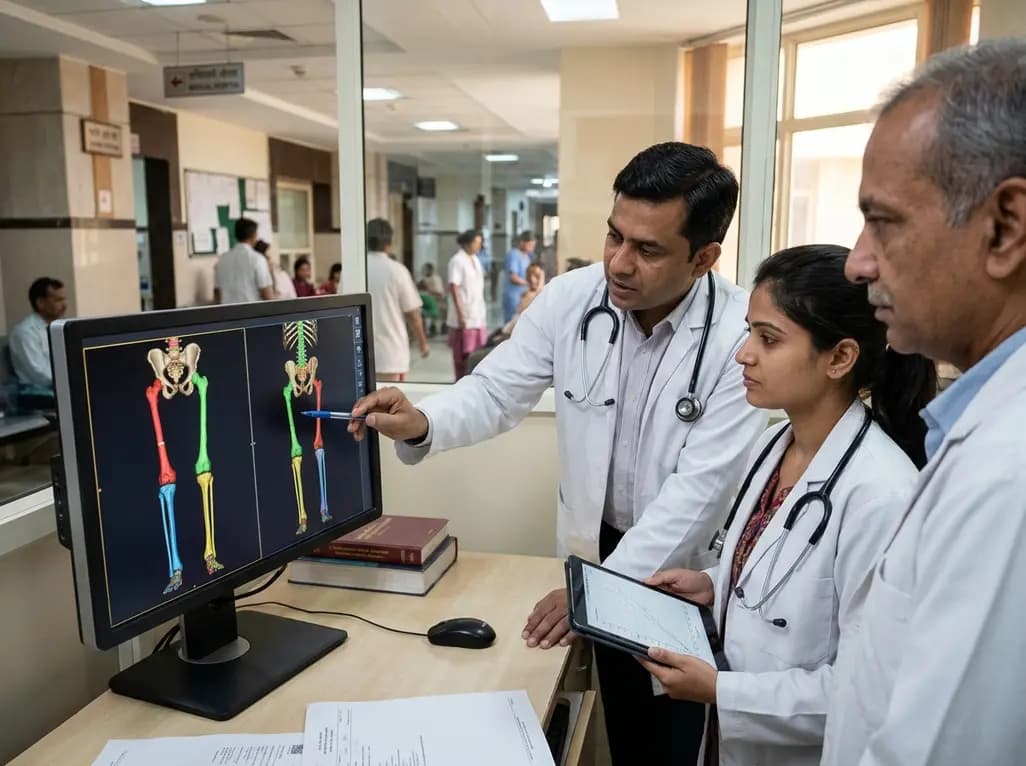
Modern 3D anthropometry reveals that pediatric leg growth ceases years before spinal elongation, exposing the clinical illusion of the classical Anderson-Green model. Learn how segmental growth dissociation improves surgical timing for epiphysiodesis in adolescent leg length discrepancy.
Yesterday

A meta-analysis of 18 studies reveals that bariatric surgery does not significantly alter circulating homocysteine levels, regardless of follow-up duration. Clinicians must maintain vigilance over post-surgical micronutrient supplementation to prevent hyperhomocysteinemia.
Yesterday
