.webp&w=384&q=75)

Loading, please wait...
Loading, please wait...
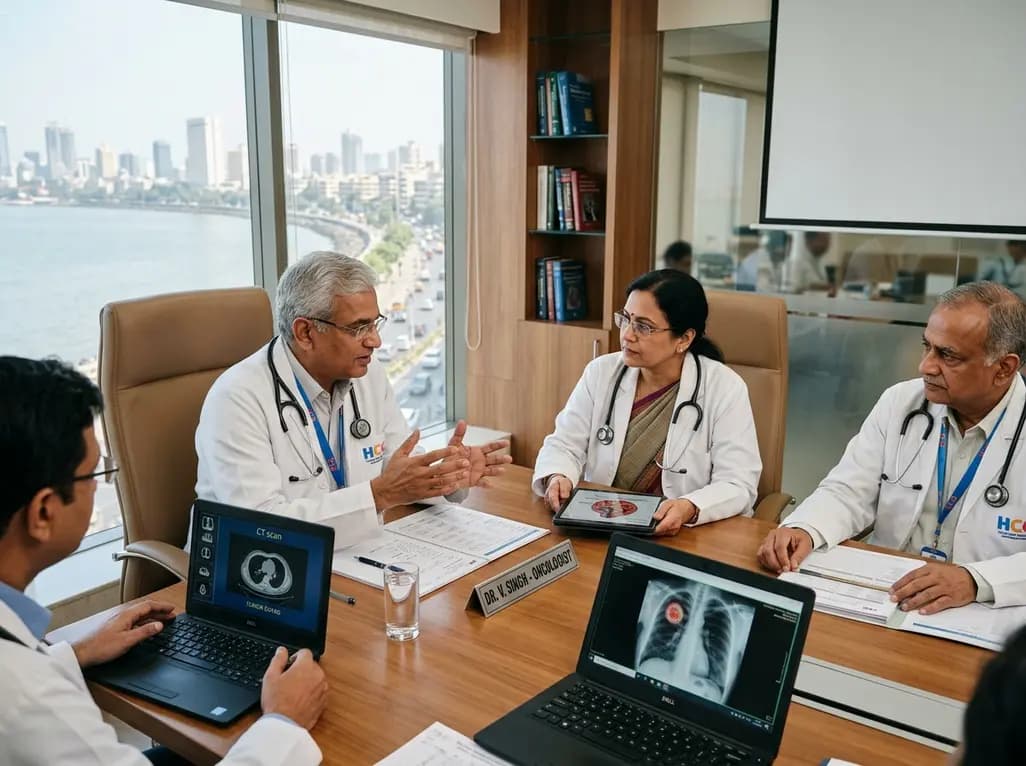
In modern oncology, multidisciplinary cancer care represents the cornerstone of successful patient outcomes. Recently, HCG Cancer Hospital in Colaba and Asian Cancer Institute at Cumballa Hill formed a strategic healthcare alliance in Mumbai. This initiative expands specialized oncology access across South Mumbai through shared infrastructure and expertise. Consequently, both centres will standardize clinical pathways and simplify the patient journey. Furthermore, this clinical collaboration enables faster diagnostics, tailored therapeutic strategies, and coordinated post-treatment support.
Urban healthcare environments often suffer from structural fragmentation and decentralized clinical communications. Therefore, the strategic partnership between HCG Colaba and Asian Cancer Institute creates an integrated operational framework. By uniting their medical capabilities, both institutions establish an accessible oncology care network in South Mumbai. Medical oncologists, surgical teams, and radiation oncologists now coordinate directly to design individualized interventions. Consequently, patients avoid repetitive diagnostic assessments and unnecessary consultation delays. In addition, the alliance optimizes valuable hospital resources by harmonizing outpatient services across both hospital sites. Treating specialists also conduct unified clinical evaluations to accelerate decision-making for acute oncology admissions.
Hospitals frequently operate within isolated departments, which can inadvertently prolong crucial diagnostic intervals. However, this strategic alliance introduces coordinated entry points for complex oncology referrals. Patients gain direct access to state-of-the-art diagnostic imaging, robotic surgery facilities, and dedicated chemotherapy suites. Thus, clinical teams formulate unified therapeutic plans that promptly respond to evolving tumor pathology. Furthermore, this cooperative model facilitates timely second opinions for challenging cases. Ultimately, this institutional synergy reduces geographic barriers, shortens waiting periods, and improves overall treatment compliance for patients across the region.
Navigating oncological treatment regimens frequently overwhelms newly diagnosed patients and their caregivers. To address this barrier, both institutions are establishing standardised clinical pathways across all phases of care. These standardized protocols align daily hospital practice with international oncology guidelines, including NCCN recommendations. Therefore, clinicians can ensure consistent therapeutic quality regardless of where a patient enters the health system. In addition, dedicated patient navigators will guide individuals through complex staging investigations and therapeutic milestones. Without organized navigation, patients often experience administrative confusion, treatment dropouts, and substantial emotional stress.
Conversely, structured care pathways accelerate essential diagnostic tests, such as histopathology review, genetic sequencing, and baseline radiologic staging. Consequently, clinical specialists receive verified diagnostic reports rapidly, enabling prompt therapeutic scheduling. Furthermore, patient navigation coordinators actively track outpatient compliance and support timely follow-up appointments across both healthcare facilities. Navigators also assist families with scheduling logistics, prescription clarity, and early recognition of treatment-related side effects. Care teams thus address emerging logistical difficulties before they cause therapy interruptions. Ultimately, implementing unified pathways improves patient satisfaction, accelerates treatment timelines, and protects overall therapeutic safety throughout the care journey.
Modern cancer therapy demands cutting-edge diagnostic equipment, advanced therapeutic technologies, and highly skilled specialists. Through this strategic alliance, HCG Colaba and Asian Cancer Institute pool sophisticated technical infrastructure. Consequently, clinicians gain prompt access to high-precision radiotherapy systems, modern surgical theatres, and advanced laboratory facilities. Moreover, regular joint multidisciplinary tumor boards serve as the foundation of this collaborative clinical framework. During these tumor board meetings, surgical, medical, and radiation oncologists analyze difficult cases collaboratively. Specialists evaluate individual patient functional scores, molecular markers, and tumor staging before deciding on therapy.
Sequential therapy, combining neoadjuvant chemotherapy, organ-preserving surgery, and targeted radiation, requires seamless timing. Therefore, tight multidisciplinary alignment prevents sequencing errors and optimizes therapeutic outcomes. In addition, integrated digital records allow specialists to review radiologic imaging and pathology slides across institutions effortlessly. As a result, patients avoid unnecessary test repetitions and conflicting therapeutic opinions. Furthermore, this cooperative model improves access to modern precision therapies and genomic assays. Accordingly, multi-institutional consensus discussions empower clinical oncologists to deliver targeted interventions with higher therapeutic precision and confidence. By combining high-end technology with collaborative tumor board reviews, both institutions ensure that every patient receives optimal personalized cancer management.
Beyond direct clinical care, this strategic collaboration emphasizes academic training and knowledge sharing across oncology specialties. Oncological sciences evolve continuously, requiring regular skill enhancement for physicians, oncology nurses, and technical staff. Therefore, HCG Colaba and Asian Cancer Institute are launching structured professional education programs. These initiatives cover emerging targeted agents, modern radiotherapy techniques, and advanced minimally invasive surgical approaches. In addition, post-graduate oncology fellows and resident doctors will rotate through specialized departments across both centres. Such structured rotations provide hands-on experience with diverse clinical presentations and complex oncology cases. Consequently, young oncologists gain practical insights into personalized multimodal management strategies.
Furthermore, regular academic symposia and multi-institutional tumor reviews will stimulate joint clinical research and audit initiatives. Clinicians can evaluate regional treatment patterns, patient response rates, and adverse drug profiles together. Consequently, healthcare providers can adapt treatment guidelines to reflect local patient demographics and clinical realities. In addition, ongoing nursing education programs will strengthen supportive care protocols, pain management, and early recognition of infusion reactions. Ultimately, investing in academic rigor and inter-institutional learning elevates healthcare standards and fosters long-term clinical excellence across both oncology teams.
The increasing prevalence of malignancies across India highlights an urgent need for collaborative healthcare delivery. Complex cancer care often imposes severe financial pressure, logistical difficulties, and emotional strain on families. However, this strategic alliance between HCG Colaba and Asian Cancer Institute presents a promising collaborative solution. By organizing subspecialty expertise and modern infrastructure, the institutions widen patient access to comprehensive oncology services. Moreover, standardized treatment algorithms help ensure uniform clinical quality across all patient segments. Coordinated transitions between surgical facilities and ambulatory chemotherapy centres also minimize inpatient lengths of stay. Therefore, families encounter fewer non-medical expenses and scheduling disruptions during prolonged treatment protocols.
Additionally, dedicated supportive care teams deliver continuous nutritional guidance, psycho-oncology counseling, and physical rehabilitation throughout therapy. As a result, patients experience fewer therapy interruptions and maintain functional independence during intensive chemoradiotherapy. Moving forward, collaborative models like this alliance provide a practical roadmap for other healthcare providers in metropolitan regions. By integrating clinical talent, advanced technology, and patient-centered pathways, healthcare institutions can simplify cancer care navigation. Ultimately, these integrated interventions will boost therapeutic response rates, enhance long-term survival, and substantially improve patient quality of life.
Q1: What is the primary objective of the collaboration between HCG Colaba and ACI?
The primary objective of this collaboration is to strengthen oncology care access across South Mumbai. By pooling clinical expertise, advanced medical technology, and hospital infrastructure, both institutions deliver comprehensive multidisciplinary cancer treatment. Additionally, the partnership establishes standardized clinical pathways and seamless patient navigation. This integrated approach ensures that patients receive timely diagnostic evaluations, evidence-based therapies, and collaborative tumor board assessments without navigating complex hospital systems independently.
Q2: How do standardized clinical pathways improve outcomes for cancer patients?
Standardized clinical pathways provide structured, evidence-based algorithms for diagnostic workups, disease staging, and therapeutic interventions. Consequently, they reduce clinical practice variations and eliminate unnecessary procedural delays between medical specialties. Furthermore, these pathways ensure consistent alignment with internationally accepted oncology guidelines, such as NCCN protocols. By streamlining clinical decisions, standardized pathways optimize treatment sequencing, prevent adverse drug interactions, enhance patient compliance, and ultimately contribute to improved long-term survival rates and quality of life.
Q3: How will joint academic and training initiatives benefit clinical teams?
Joint academic and training initiatives enable oncologists, surgeons, and nursing staff to share specialized skills and clinical experience. Through structured rotational programs, multi-institutional seminars, and collaborative research projects, clinicians stay updated on emerging therapeutic developments and surgical techniques. Moreover, this continuous education fosters a cohesive multidisciplinary culture, refines institutional management protocols, and equips healthcare providers to tackle complex, refractory malignancies with greater clinical precision, confidence, and therapeutic efficacy.
Disclaimer: This content is for informational and educational purposes only. It does not constitute medical advice or replace professional judgment. Refer to the latest local and national guidelines for clinical practice.
References

Read summarized clinical updates, watch expert medical content, and earn CME certifications right from your smartphone.
Open your smartphone camera to scan and install.





HCG Cancer Hospital, Colaba, and Asian Cancer Institute, Cumballa Hill, have entered a strategic collaboration in Mumbai. This alliance combines advanced infrastructure, medical technologies, and tumor board expertise to establish standardised clinical pathways and streamline patient navigation across South Mumbai.
Today
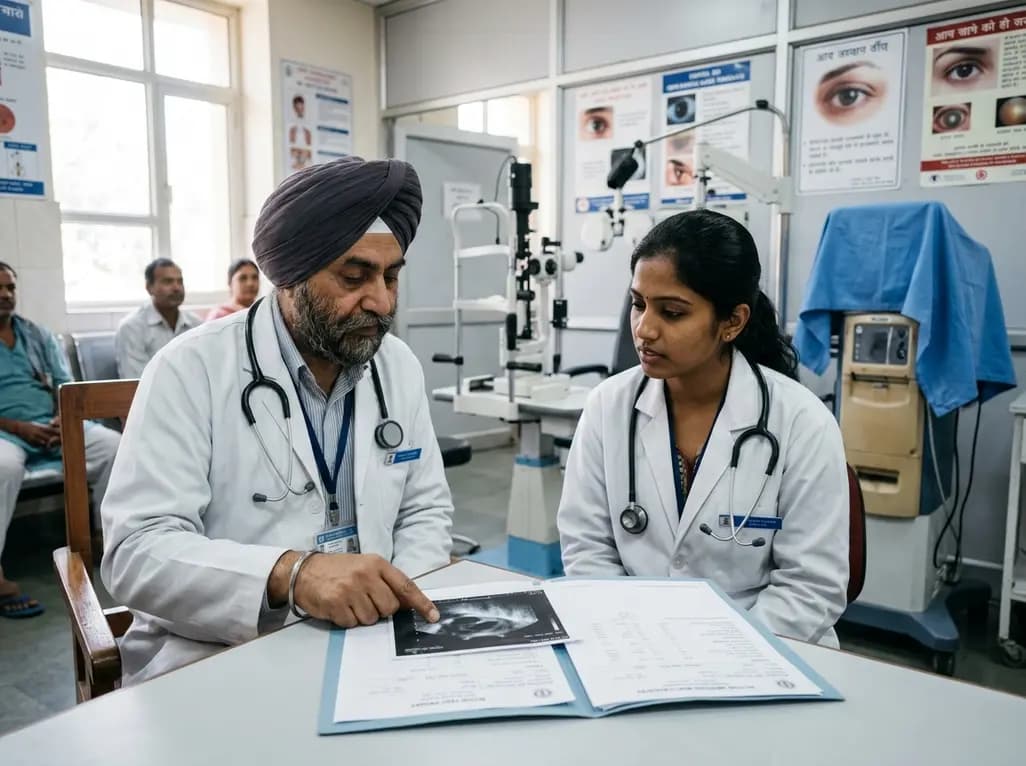
A multicenter study reveals that a significant proportion of HCV antibody-positive ophthalmic surgical patients remain untreated and eligible for direct-acting antivirals. Stratifying antibody titers and streamlining referral pathways can optimize hepatitis C micro-elimination efforts.
Today
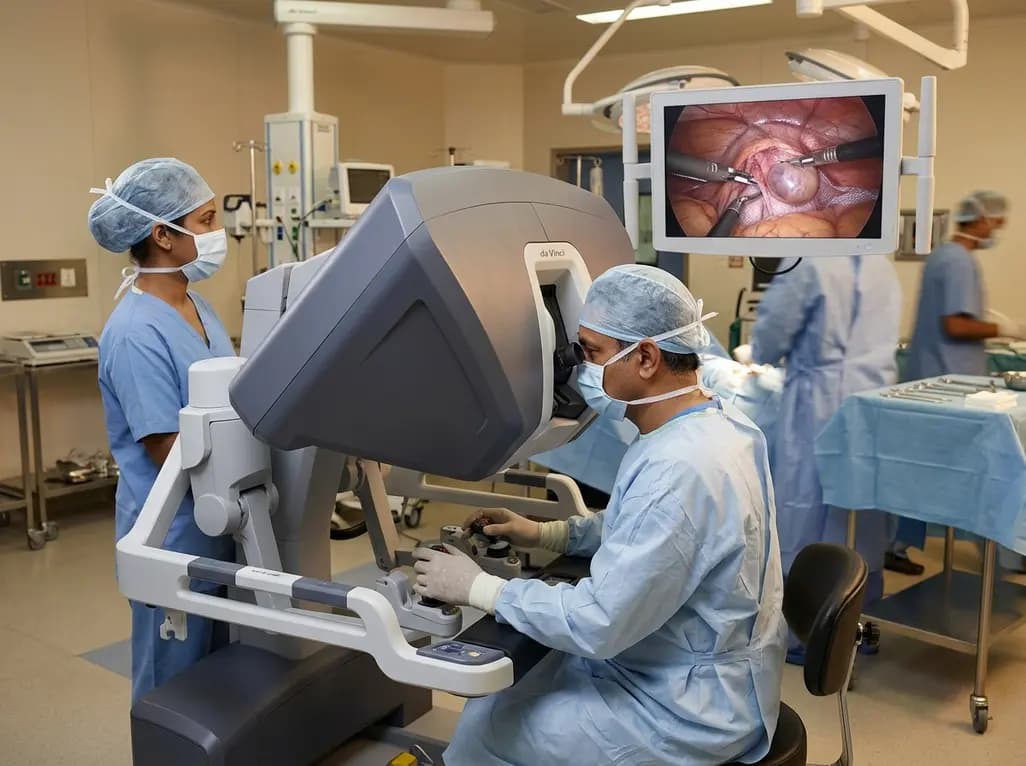
Robotic single-port totally extraperitoneal (TEP) repair enables simultaneous excision of a canal of Nuck cyst and indirect hernia repair in women. Using the da Vinci SP platform and self-adhesive mesh, this approach offers minimal tissue trauma, low operative times, and rapid discharge without complications.
Today
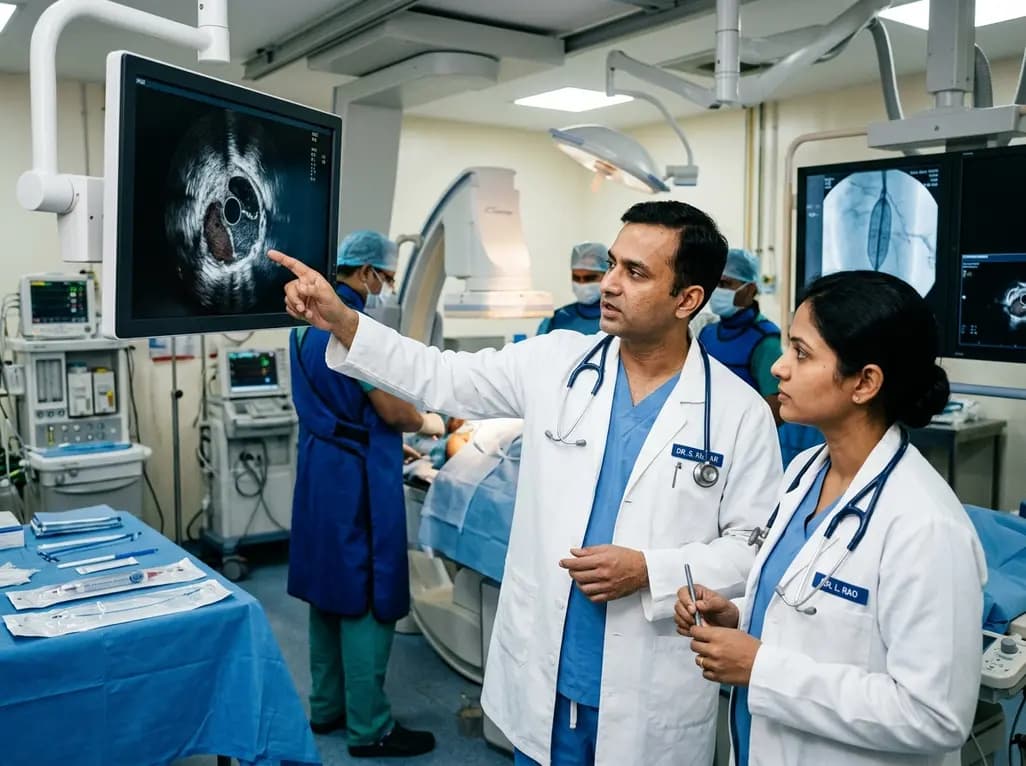
A multicenter REAL-LEAD registry sub-analysis evaluates how intravascular ultrasound-defined circumferential calcification and post-procedural minimum lumen area govern 1-year primary patency after drug-coated balloon angioplasty for femoropopliteal lesions.
Today
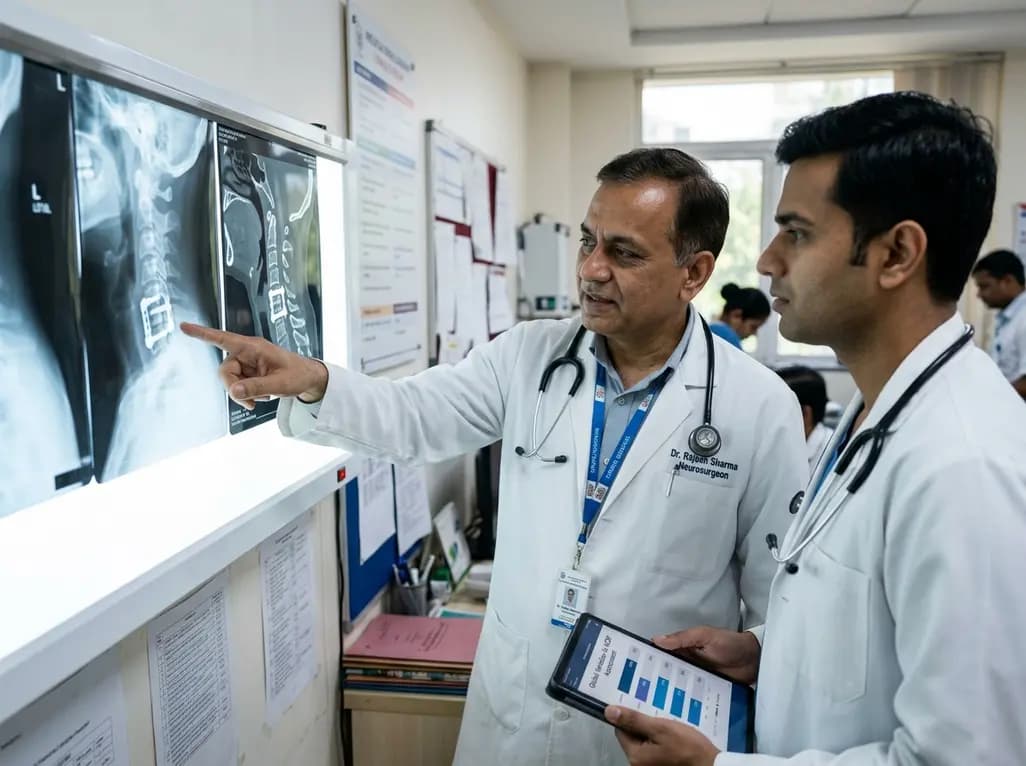
A global cross-sectional survey of cervical spine experts reveals significant variation in ACDF fusion assessment practices, imaging modalities, and fixation preferences, underscoring the need for standardized post-surgical protocols.
Today
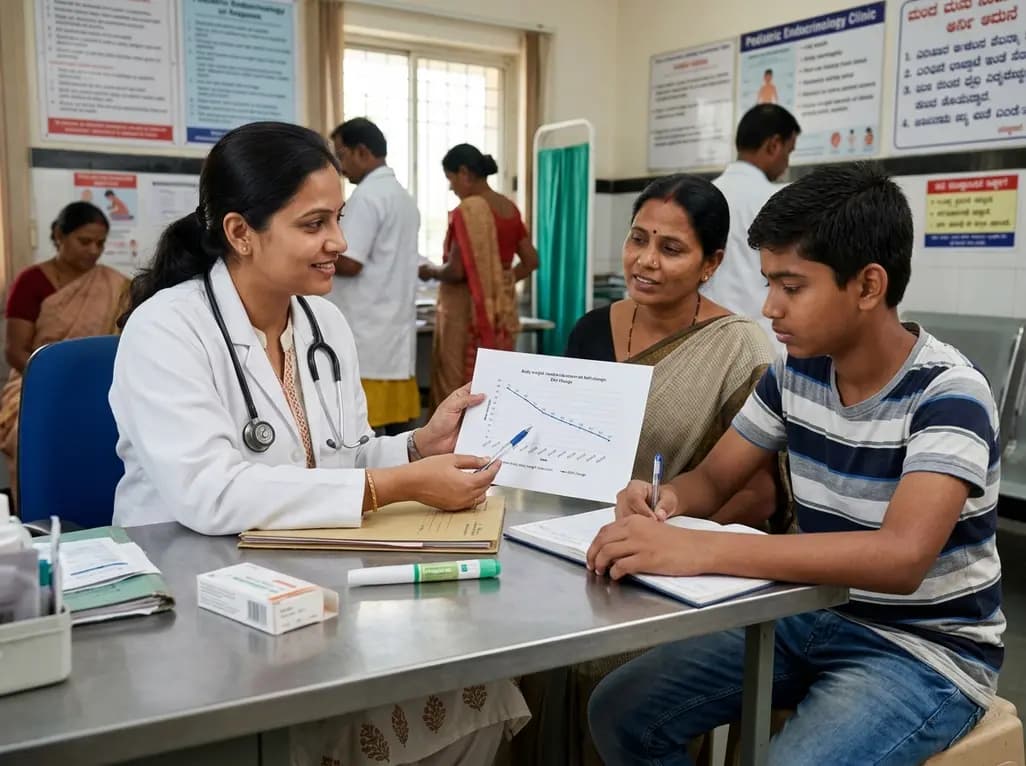
A multicenter real-world prospective study in Taiwan demonstrates that liraglutide effectively reduces body weight and BMI standard deviation score in adolescents with obesity. The therapy shows a favorable safety profile with mild gastrointestinal adverse events and zero treatment discontinuations due to intolerance.
Today
