.webp&w=384&q=75)

Loading, please wait...
Loading, please wait...
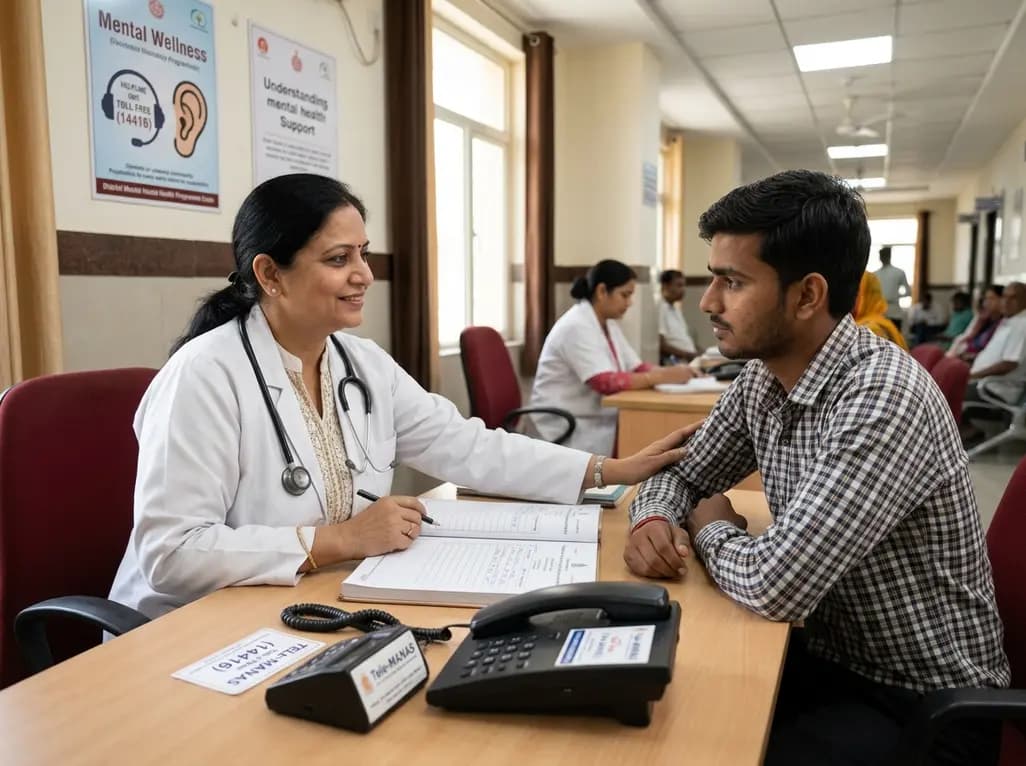
Suicide represents an urgent public health crisis across India, claiming thousands of lives every year. In response to this escalating challenge, the Haryana government has launched an expanded suicide prevention response that moves beyond conventional psychiatric clinic walls. Additional Chief Secretary for Health and Family Welfare, Sumita Misra, highlighted that curbing self-harm requires early distress recognition, community vigilance, and prompt access to clinical care. Consequently, state authorities have synchronized community screening with dedicated emergency helpline platforms to deliver rapid interventions.
Public health experts agree that clinical treatment alone cannot resolve the complex societal drivers of suicide. Therefore, the state government emphasizes a comprehensive suicide prevention response that unites healthcare workers, educational institutions, workplaces, and local families. This strategic framework aligns directly with the global initiative of changing the narrative on suicide, which actively dismantles systemic stigma and encourages timely help-seeking behaviours. Historically, deep-seated social shame has prevented individuals from discussing emotional distress openly. Thus, transforming this societal dialogue remains central to saving lives across communities.
Furthermore, medical providers must recognize that suicidal ideation emerges from multifaceted socio-environmental pressures rather than isolated psychiatric diagnoses. Interpersonal conflicts, academic hurdles, sudden financial burdens, family disputes, and chronic illness frequently coalesce to overwhelm personal coping mechanisms. When primary care facilities establish proactive screening touchpoints, clinicians can identify vulnerable individuals long before acute crises escalate. In addition, training community health workers, teachers, and family members ensures that behavioral changes receive compassionate support instead of dismissive judgment. Consequently, this collaborative multi-tiered outreach creates an effective safety net throughout the state, ensuring that distressed individuals receive timely clinical attention.
To provide immediate crisis resolution, Haryana has integrated the National Tele Mental Health Programme, known as Tele-MANAS, across all healthcare sectors. Callers access round-the-clock professional counselling via toll-free numbers 14416 and 1800-891-4416. Since its inception in October 2022, the state helpline has received 19,773 calls, handling over 9,100 calls since January 2026 alone. Remarkably, more than 92 percent of these contacts were self-initiated by beneficiaries, illustrating substantial public awareness and trust in confidential digital interventions.
Demographic analysis reveals that approximately 82 percent of callers fall between the ages of 18 and 45 years. Consequently, this crisis heavily impacts students and the productive workforce. Clinicians note that depressive symptoms and profound sadness represent more than one-third of all complaints logged by tele-counsellors. Additionally, anxiety disorders, sleep disturbances, relationship distress, and substance use issues constitute another major portion of consultations. Together, these primary conditions account for over 80 percent of overall caller interactions. Because trained counsellors evaluate risk in real time, they de-escalate acute psychological emergencies rapidly while linking individuals requiring pharmacotherapy or intensive psychotherapy directly to local psychiatric centers.
While digital helplines offer rapid first-contact support, durable psychiatric management requires strong local clinical infrastructure. Therefore, Haryana has successfully expanded its District Mental Health Programme into every district hospital and primary healthcare network. Under this initiative, multidisciplinary teams comprising psychiatrists, clinical psychologists, psychiatric social workers, and trained nurses provide structured clinical evaluations. These facilities deliver evidence-based psychopharmacology, outpatient psychotherapy, continuous longitudinal monitoring, and emergency psychiatric stabilisation for severe mental disorders.
Moreover, the district programme serves as an essential bridge between primary healthcare centers and tertiary mental health institutions. General practitioners at rural health centers often encounter somatic complaints that mask severe underlying depression or anxiety. Through routine training programmes, medical officers gain the practical skills necessary to prescribe initial psychotropic medications and initiate timely specialist referrals. Furthermore, these teams organize regular satellite clinics, workplace stress-reduction workshops, and school mental health sessions. As a result, patients avoid travelling long distances to state medical colleges for fundamental mental healthcare. This integrated decentralisation democratises psychiatric care and significantly curtails preventable mortality across urban and rural populations alike.
Young adults and students face unique psychological vulnerabilities that demand targeted institutional interventions. Academic competition, entrance examination stress, career ambiguity, and parental expectations frequently generate intolerable emotional burdens. In addition, rapid societal digitalization has introduced contemporary stressors such as cyberbullying, social media comparison, and profound interpersonal isolation. When relationship breakups or academic failures occur, vulnerable youths may perceive temporary setbacks as permanent catastrophes. Consequently, state health authorities reiterate that a single test score or personal relationship never defines an entire human life.
To counteract these alarming youth trends, schools and universities must implement formal life-skills curricula and peer-support programs. Educational mentors must recognize that prolonged sadness, declining grades, sudden social withdrawal, and reckless actions represent urgent cries for help. Similarly, corporate workplaces must address unmanageable workloads, occupational burnout, and workplace bullying by instituting accessible employee assistance initiatives. Furthermore, clinicians must evaluate younger patients comprehensively for co-occurring substance experimentation, as alcohol and illicit narcotics severely heighten acute suicide impulsivity. By addressing these intersecting psychosocial triggers early, educational and occupational institutions can build protective environments that bolster long-term emotional resilience.
Timely clinical intervention requires healthcare practitioners and community members to detect early warning signs of severe distress. Significant behavioural red flags include pervasive hopelessness, dramatic changes in appetite or sleep architecture, neglect of personal hygiene, and verbal references to death. Sumita Misra emphatically cautioned that clinicians and caregivers must never dismiss suicidal communication as mere attention-seeking behaviour or personal weakness. Instead, every expression of self-harm warrants immediate, compassionate, and structured clinical evaluation.
When assessing a patient experiencing acute crisis, medical professionals must implement standardized suicide risk screening tools in emergency departments and outpatient clinics. Clinicians should ask direct, non-judgmental questions regarding suicidal thoughts, intent, and access to lethal means. If acute risk exists, staff must never leave the individual unattended during the evaluation process. Meanwhile, treating teams should engage family members to secure immediate domestic environments, safely removing hazardous medications, sharp instruments, or pesticides. Additionally, clinicians must formulate a collaborative written safety plan that outlines personal coping strategies, trusted social contacts, and emergency helpline details. Ultimately, swift clinical de-escalation coupled with scheduled follow-up appointments dramatically reduces re-attempt rates and protects vulnerable human lives.
Q1: What emergency numbers provide mental health crisis support in Haryana?
Individuals in psychological distress can access the national Tele-MANAS helpline toll-free by dialing 14416 or 1800-891-4416 at any time. This round-the-clock service connects callers directly to trained mental health professionals who provide confidential crisis counselling, suicide de-escalation, and referrals to local hospitals. Additionally, citizens can contact the integrated emergency response number 112, which swiftly transfers urgent psychiatric crises to dedicated mental health personnel for immediate intervention.
Q2: What clinical services does Haryana's District Mental Health Programme offer?
The District Mental Health Programme operates across every district hospital and associated community health center in Haryana. It provides comprehensive outpatient and inpatient clinical assessments, professional psychotherapy, and psychiatric medication management by qualified psychiatrists and psychologists. Furthermore, the program conducts targeted community outreach, school counselling workshops, and workplace stress seminars, while coordinating seamless tertiary referrals for complex or refractory psychiatric conditions requiring specialized hospitalisation.
Q3: What steps should doctors take if a patient expresses suicidal thoughts?
When a patient expresses suicidal thoughts, doctors must conduct an immediate, non-judgmental risk assessment evaluating suicidal intent, plans, and available means. Clinicians should ensure the patient is never left alone during this critical crisis period. Furthermore, practitioners should collaboratively create a written crisis safety plan, engage trusted family members to restrict access to lethal items, and immediately connect the patient with specialized psychiatric services or regional hospital emergency departments.
Disclaimer: This content is for informational and educational purposes only. It does not constitute medical advice or replace professional judgment. Refer to the latest local and national guidelines for clinical practice.
References

Read summarized clinical updates, watch expert medical content, and earn CME certifications right from your smartphone.
Open your smartphone camera to scan and install.





The Haryana Health Department has upgraded its clinical and community suicide-prevention initiatives. By linking 24/7 Tele-MANAS crisis hotlines with District Mental Health Programmes, the state aims to identify psychological distress early, combat youth vulnerabilities, and provide structured psychiatric care.
Today
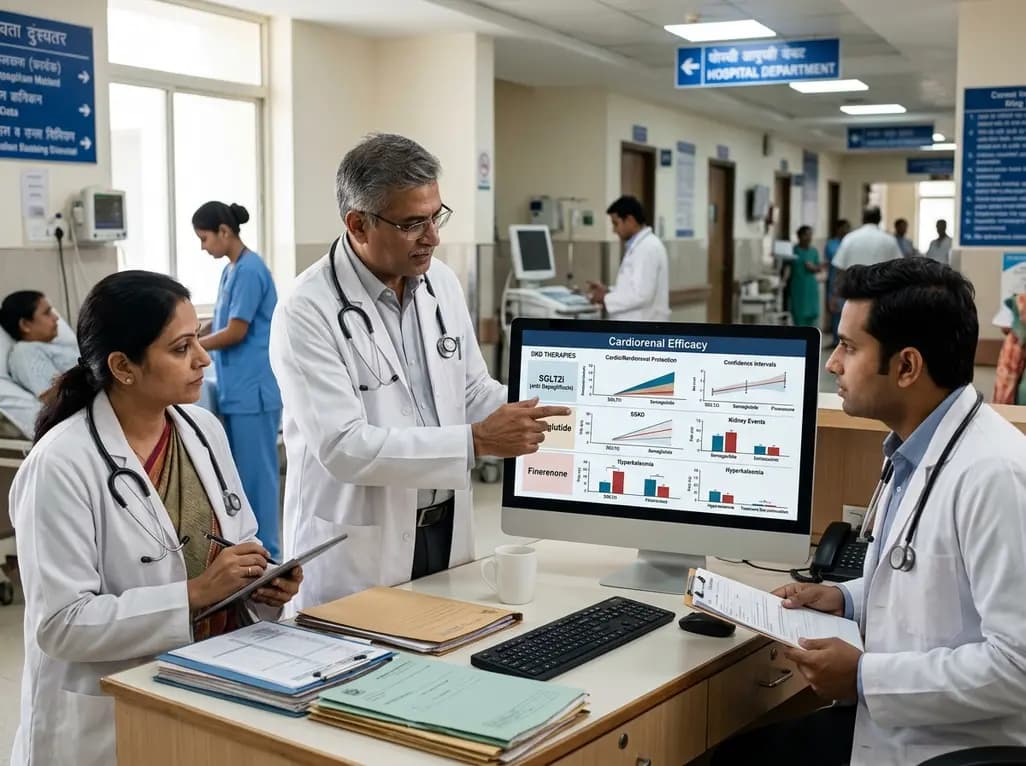
A network meta-analysis of 10 RCTs comprising 37,923 patients reveals that SGLT2 inhibitors offer the broadest cardiorenal protection in diabetic kidney disease. Dapagliflozin reduced kidney outcomes more than semaglutide, while finerenone increased hyperkalaemia and treatment discontinuation rates.
Today
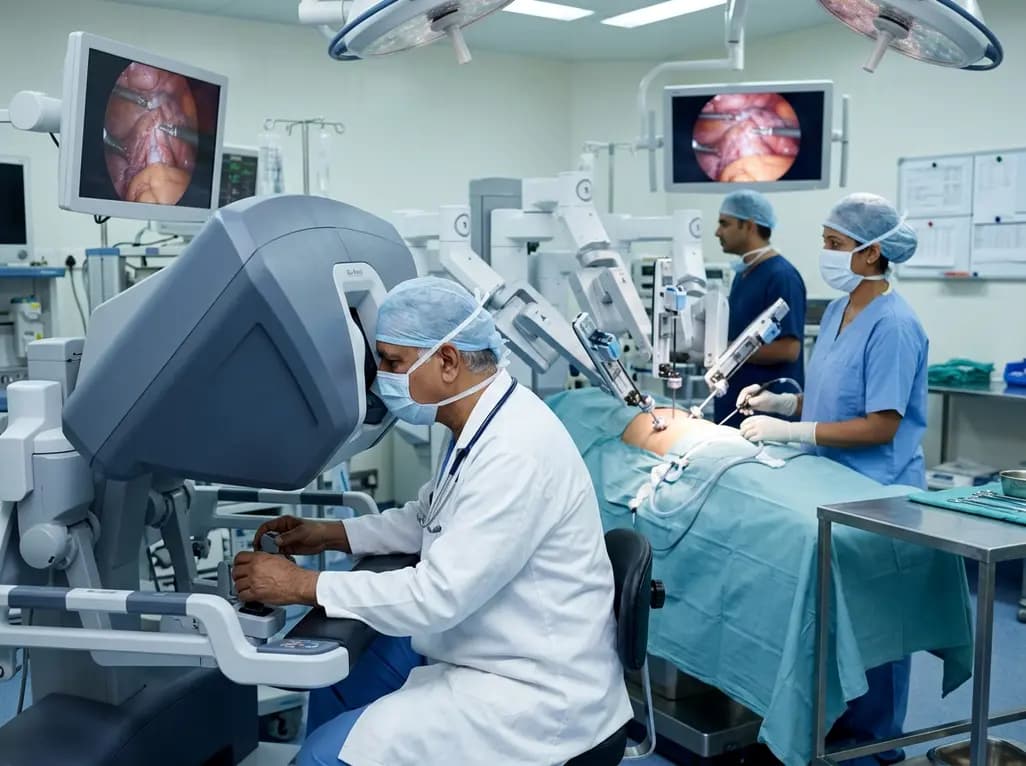
Surgical robotics is redefining modern operating theaters by replacing extensive open incisions with micro-dexterity and stereoscopic 3D vision. Multi-specialty surgeons highlight how robotic platforms mitigate tissue trauma, enhance functional organ preservation, and shorten postoperative hospital recovery.
Today
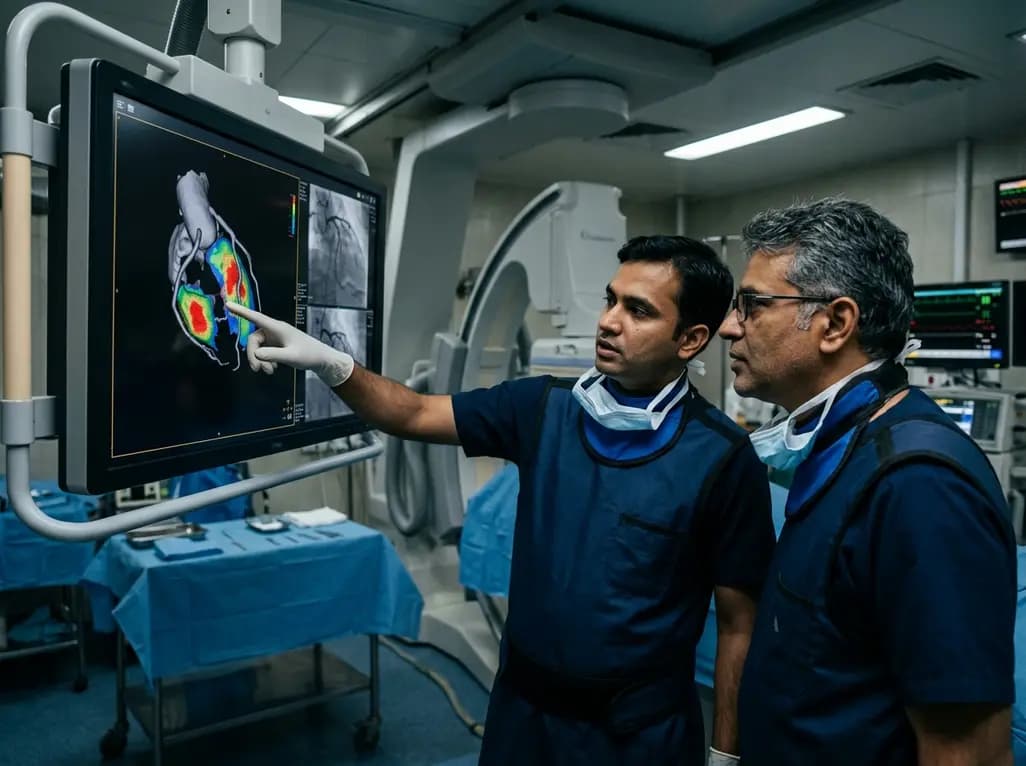
A groundbreaking study demonstrates that coronary angiography-derived radial wall strain reflects plaque morphology, predicting future rupture and erosion.
Today
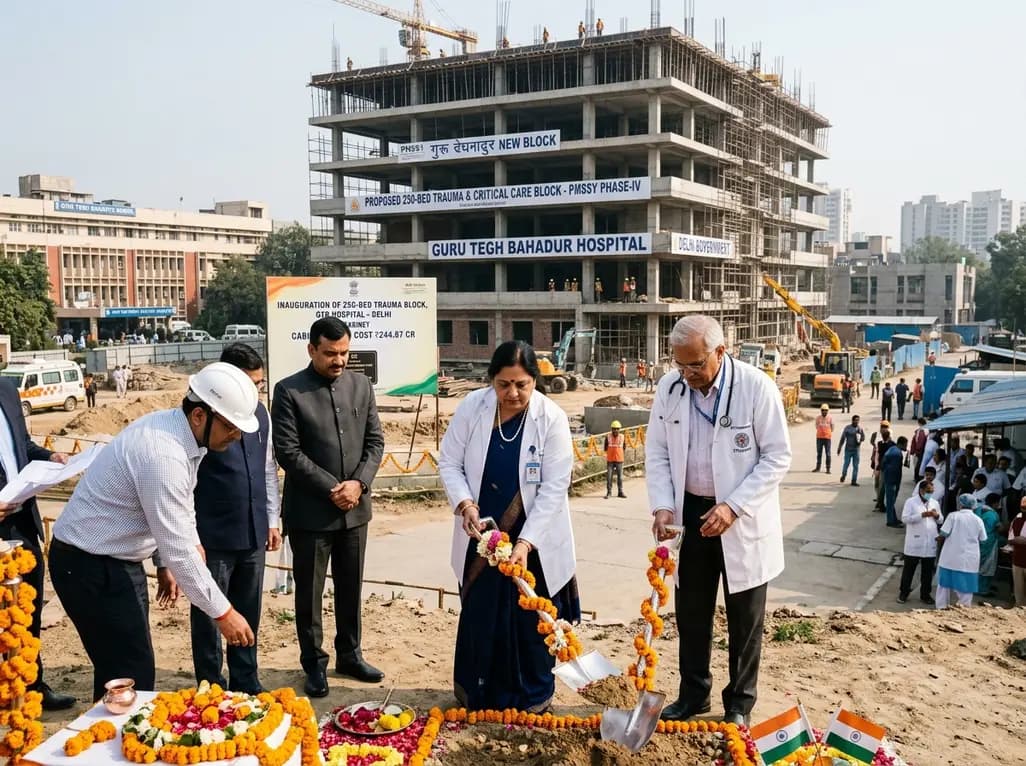
The Delhi Cabinet has cleared an advanced seven-storey critical care expansion at Guru Tegh Bahadur Hospital under PMSSY Phase-IV. Costing Rs 244.87 crore, the new wing features 250 beds, specialized intensive care units, modern operation theatres, and round-the-clock emergency diagnostics for East Delhi.
Today
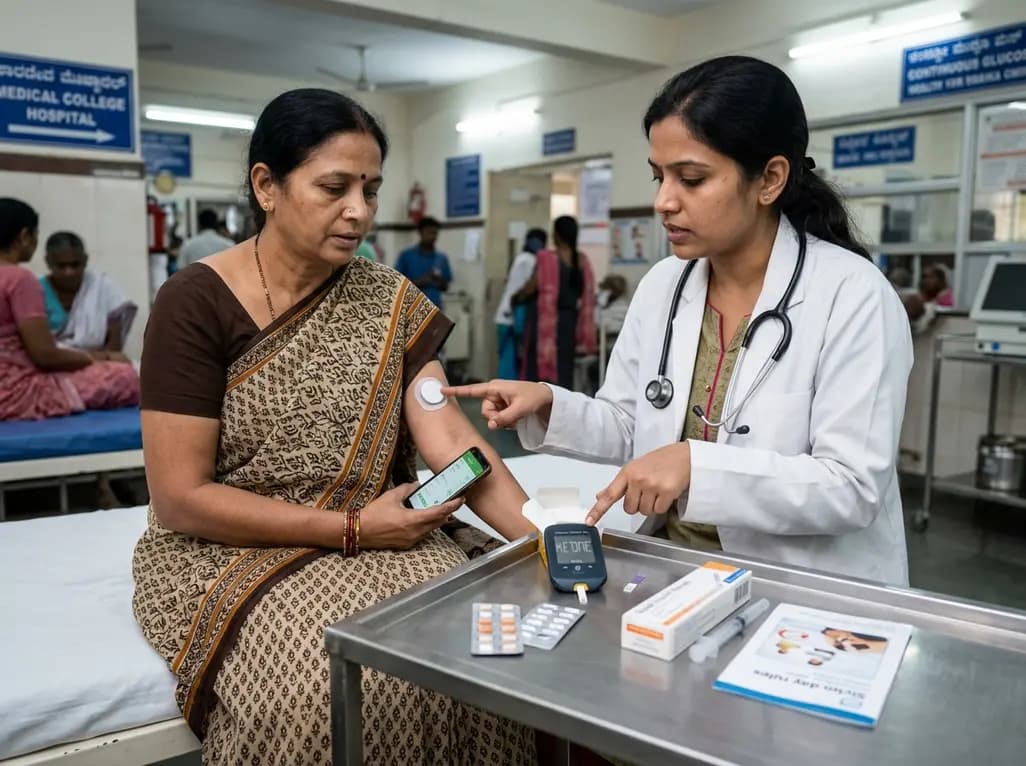
A landmark case demonstrates that favorable continuous glucose monitoring metrics cannot rule out SGLT2 inhibitor-associated euglycemic diabetic ketoacidosis. Clinicians must educate patients on symptom-based sick-day rules, uninterrupted basal insulin therapy, and proactive blood ketone testing.
Today
