.webp&w=384&q=75)

Loading, please wait...
Loading, please wait...

The HARMONIC project has launched a transformative framework to calculate cardiac fluoroscopy organ dose for both pediatric and adult patients. This initiative addresses the critical need to investigate long-term cancer risks associated with ionizing radiation during interventional cardiology. By providing accurate dosimetry, medical professionals can better optimize protocols to protect vulnerable populations, especially children.
Developing this framework required extensive simulations using the MCNP6.2 Monte Carlo particle transport code. Researchers utilized eight realistic anthropomorphic phantoms to represent patients from infancy to adulthood. Consequently, they analyzed over 22,000 exposure configurations covering various beam angles, filtration levels, and tube voltages. Furthermore, the team interpolated these results to generate over 2.6 million scenarios. This massive database ensures that the tool provides high-level accuracy for virtually any clinical exposure scenario.
The resulting software, named HARMONIC-CardioDose, focuses on 15 specific organs of interest for radiation protection and effective dose. It functions as a Python script or an executable file, requiring only a simple Excel document for technical inputs. Therefore, researchers can rapidly estimate doses without needing specialized knowledge of complex Monte Carlo simulations. Moreover, this tool is freely available to the global medical community, supporting enhanced patient safety in interventional cardiology.
Because children are more sensitive to radiation, precise dose monitoring is essential for long-term health management. HARMONIC-CardioDose bridges the gap between complex physics and clinical application. Finally, this tool provides the data necessary to refine medical guidelines and reduce radiation-induced toxicities in young patients.
It is a validated software tool designed to provide rapid and accurate estimates of organ doses for patients undergoing cardiac fluoroscopy procedures.
Yes, the tool is freely available to the medical and research community to support patient dosimetry and radiation protection research.
Disclaimer: This content is for informational and educational purposes only. It does not constitute medical advice, diagnosis, or treatment. Always seek the advice of your physician or other qualified health provider with any questions you may have regarding a medical condition. Refer to the latest local and national guidelines for clinical practice.
References
Dabin J et al. HARMONIC organ dose calculation framework for cardiac fluoroscopy. Biomed Phys Eng Express. 2026 Mar 03. doi: 10.1088/2057-1976/ae4c96. PMID: 41774939.
Harbron RW et al. The HARMONIC project: Study design for assessment of cancer risks following cardiac fluoroscopy in childhood. J Radiol Prot. 2020;40(4):R107-R126.

Read summarized clinical updates, watch expert medical content, and earn CME certifications right from your smartphone.
Open your smartphone camera to scan and install.





HARMONIC-CardioDose is a new software tool for rapid, accurate organ dose calculation in pediatric and adult cardiac fluoroscopy....
7 months ago
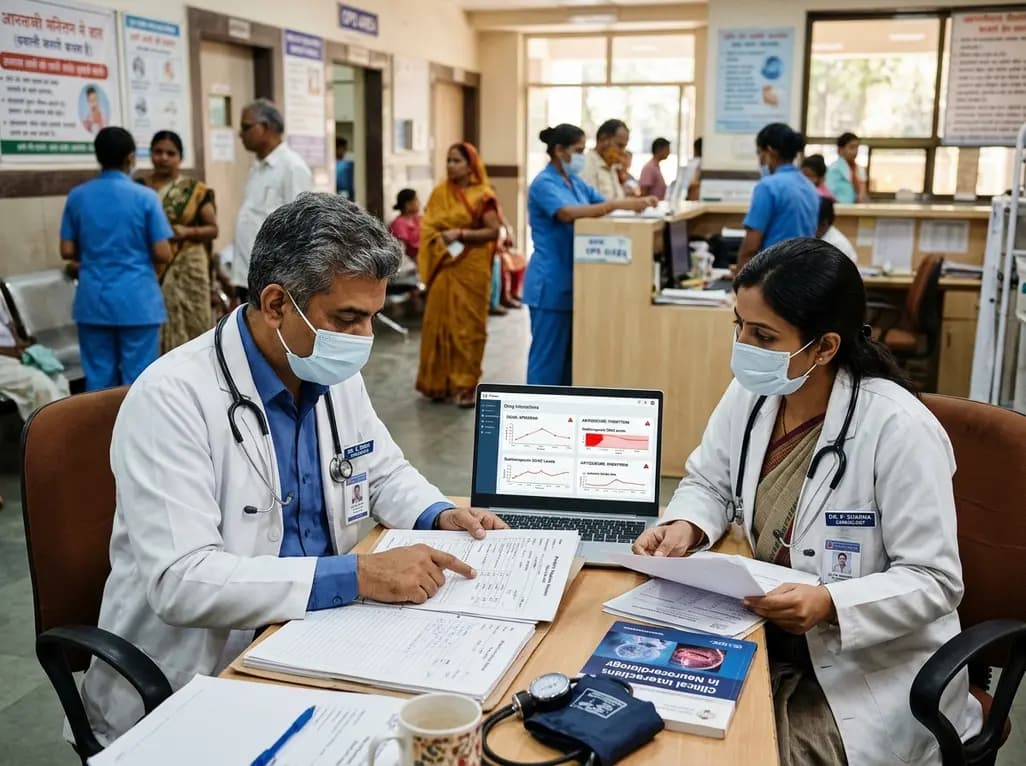
Co-administering antiseizure medications and DOACs frequently causes pharmacokinetic interactions, subtherapeutic drug levels, and thromboembolic failures. This review highlights enzyme induction risks, unpredictable outcomes with levetiracetam, and the vital role of therapeutic drug monitoring.
Today
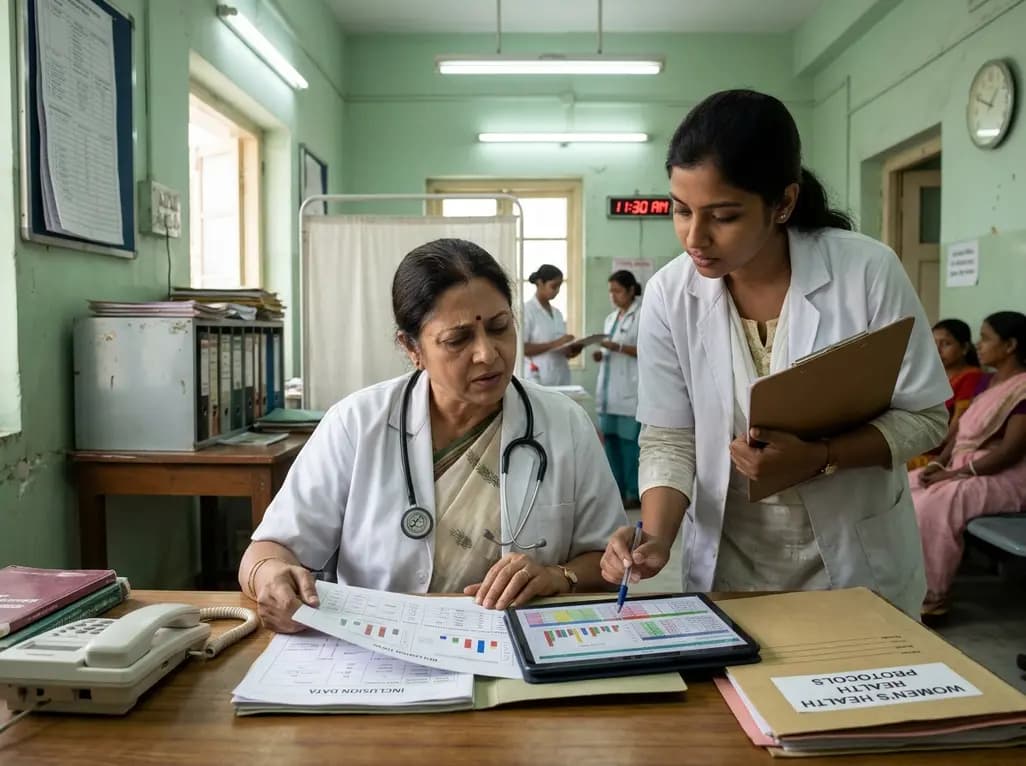
Demanding exhaustive hormonal profiling can inadvertently discourage clinical studies involving females. Methodological standards must align with the specific scientific question to expand, not restrict, equitable evidence for women.
Today
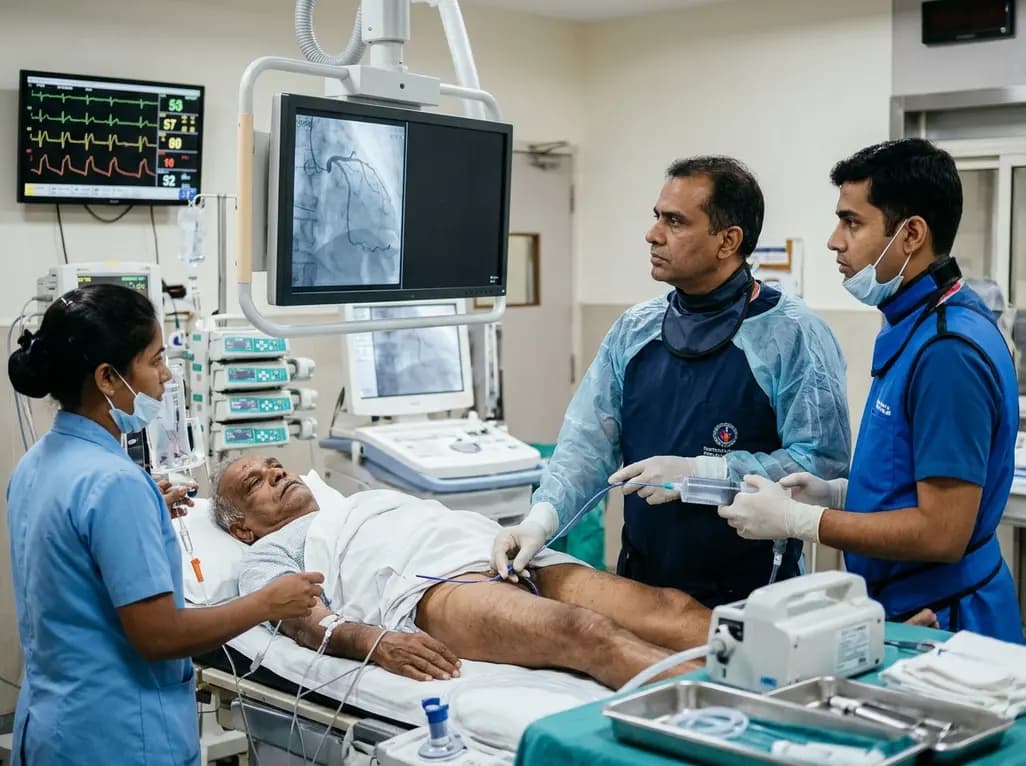
An elderly man with partially repaired Tetralogy of Fallot presented with STEMI caused by coronary embolism rather than atherosclerosis. Successful treatment with sustained mechanical aspiration thrombectomy underscores the vital need for high clinical vigilance in adult congenital heart disease.
Today
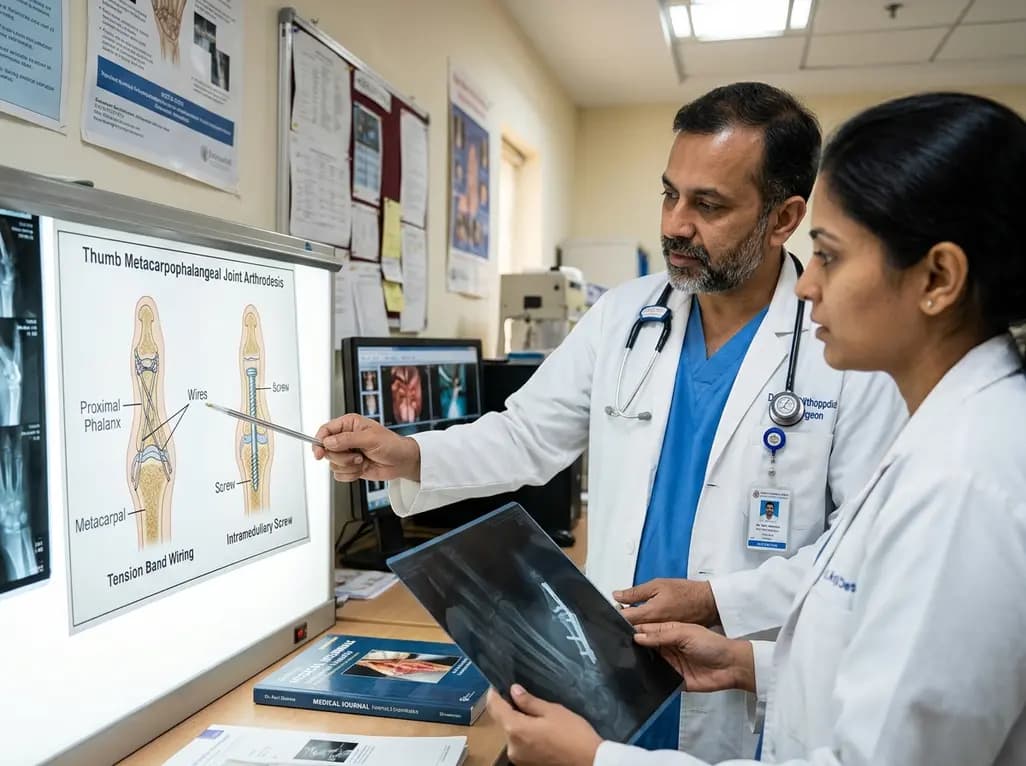
A comparative review of tension band wiring and intramedullary screw fixation in thumb metacarpophalangeal arthrodesis, evaluating union rates, hardware complications, and clinical outcomes.
Today

Following regulatory scrutiny from FSSAI regarding promotional representations and lean muscle preservation claims, Dr. Reddy's Laboratories and Nestlé Health Science are currently reviewing the branding and marketing strategy for their joint nutritional supplement Celevida GLP+.
Today
