.webp&w=384&q=75)

Loading, please wait...
Loading, please wait...

Health officials in Colorado recently confirmed that an adult died from a hantavirus infection. This case does not involve the respiratory illness outbreak currently affecting a cruise ship in the Atlantic. Instead, the death involves a strain that regularly occurs in Colorado during this season. Consequently, authorities are investigating the specific source of exposure for this individual. Hantavirus infection symptoms often appear after contact with rodent droppings, urine, or saliva.
The incubation period for this virus typically lasts between one and six weeks. Initially, patients experience a prodromal phase that mimics common viral illnesses. These early symptoms include fatigue, fever, and muscle aches, particularly in the large muscle groups. Moreover, about half of those infected develop headaches, dizziness, and gastrointestinal issues such as nausea and abdominal pain. Therefore, early diagnosis remains challenging because the signs often resemble influenza or other respiratory infections.
As the disease progresses, late-stage symptoms usually emerge four to ten days after the initial phase. Patients may experience coughing, severe shortness of breath, and a feeling of tightness in the chest. These symptoms indicate that the lungs are filling with fluid. This condition, known as Hantavirus Pulmonary Syndrome (HPS), has a high mortality rate of approximately 38%. However, rapid medical intervention can improve the chances of survival for critically ill patients.
In a separate incident, the World Health Organization reported a cluster of severe respiratory illnesses aboard the MV Hondius cruise ship. This outbreak involved the Andes virus strain of hantavirus. Unlike most North American strains, the Andes virus can transmit between humans through prolonged, close contact. To date, three passengers on the liner have died. Additionally, there are eight confirmed and two probable cases among the crew and passengers. Consequently, health authorities across 23 countries are currently monitoring contacts and repatriated passengers.
Rodents serve as the primary reservoir for hantaviruses. Most people contract the virus by inhaling airborne particles from disturbed rodent nesting materials. Furthermore, direct contact with contaminated surfaces or rodent bites can also lead to infection. To reduce risk, health officials recommend cleaning infested areas using disinfectants rather than dry sweeping. Similarly, sealing entry points in homes prevents rodents from establishing nests in living spaces. Therefore, maintaining a rodent-free environment is the most effective way to prevent this deadly disease.
Q1: Is hantavirus always transmitted by rodents?
While most hantaviruses spread through contact with rodent excreta, the Andes strain can transmit between people in rare, close-contact scenarios.
Q2: How long does it take for symptoms to appear?
Symptoms usually develop within one to eight weeks after exposure, though the typical range is two to four weeks.
Q3: Can hantavirus be cured with antibiotics?
No, hantavirus is a viral infection and does not respond to antibiotics. Treatment focuses on supportive care and managing respiratory distress in intensive care settings.
Disclaimer: This content is for informational and educational purposes only. It does not constitute medical advice or replace professional judgment. Refer to the latest local and national guidelines for clinical practice.
References

Read summarized clinical updates, watch expert medical content, and earn CME certifications right from your smartphone.
Open your smartphone camera to scan and install.





A Colorado death and a cruise ship cluster highlight hantavirus risks. Learn about hantavirus infection symptoms, transmission, and the Andes virus strain....
5 months ago
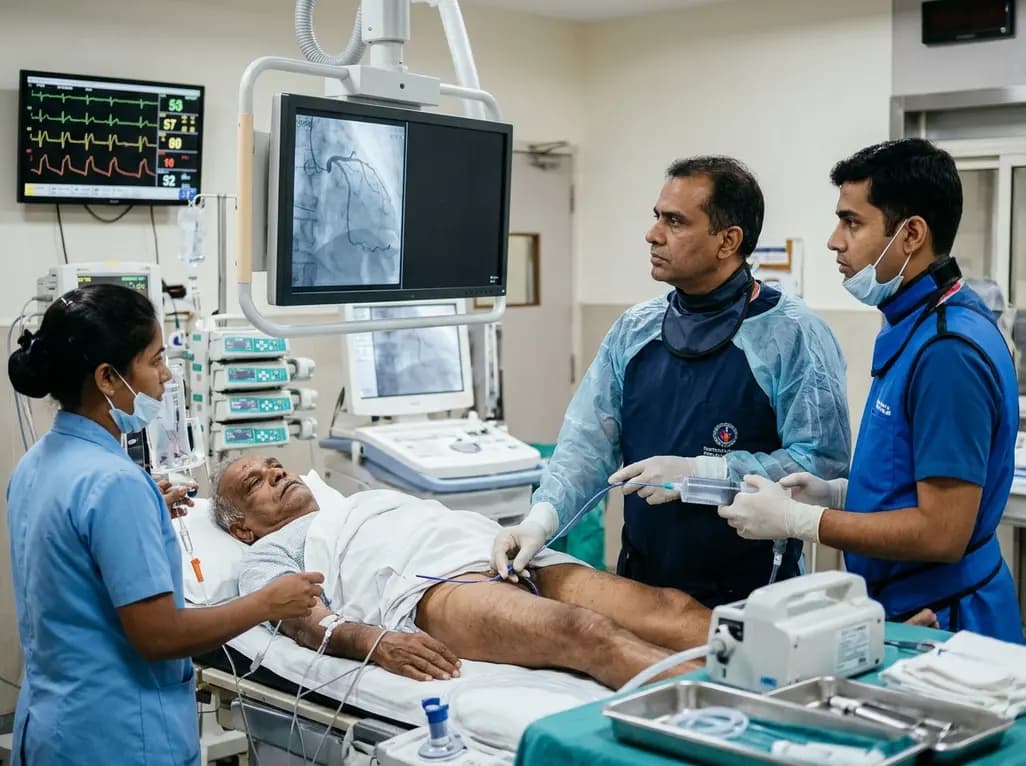
An elderly man with partially repaired Tetralogy of Fallot presented with STEMI caused by coronary embolism rather than atherosclerosis. Successful treatment with sustained mechanical aspiration thrombectomy underscores the vital need for high clinical vigilance in adult congenital heart disease.
Today

Demanding exhaustive hormonal profiling can inadvertently discourage clinical studies involving females. Methodological standards must align with the specific scientific question to expand, not restrict, equitable evidence for women.
Today

A recent study demonstrates that spinal oxygen sensors do not require mitochondrial electron transport to trigger sympathetic excitation during acute hypoxia, revealing new insights into how mitochondrial oxidative stress modulates autonomic tone in cardiovascular and neurological diseases.
Today

A comparative review of tension band wiring and intramedullary screw fixation in thumb metacarpophalangeal arthrodesis, evaluating union rates, hardware complications, and clinical outcomes.
Today

Following regulatory scrutiny from FSSAI regarding promotional representations and lean muscle preservation claims, Dr. Reddy's Laboratories and Nestlé Health Science are currently reviewing the branding and marketing strategy for their joint nutritional supplement Celevida GLP+.
Today
