.webp&w=384&q=75)

Loading, please wait...
Loading, please wait...
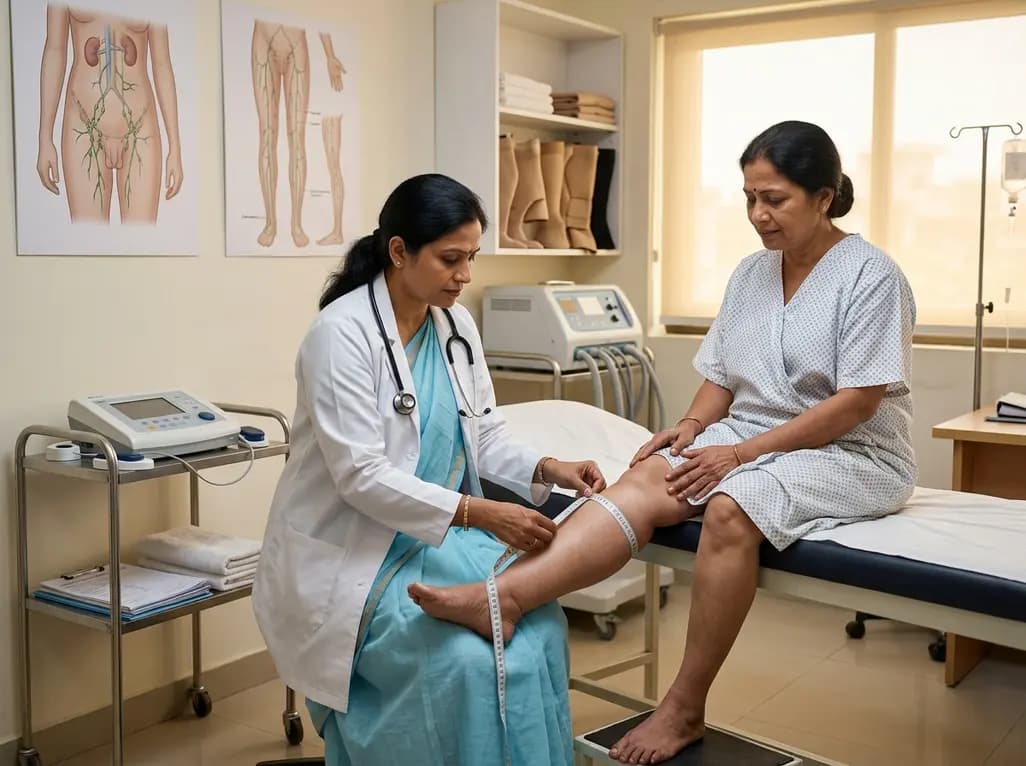
Gynecological cancer lymphedema has emerged as a significant health challenge for survivors, often leading to social isolation and functional restrictions. Although surgical techniques have advanced, secondary lymphedema remains a persistent consequence of oncologic treatments, particularly after radical procedures. A recent retrospective study examined the incidence of this condition in patients treated for endometrial, vulvar, and cervical cancers. The results underscore a public health imperative to improve long-term survivorship care through better awareness and specialized management.
The study analyzed data from 304 patients who underwent surgery between 2017 and 2022. Researchers found that lymphedema affected 33% of vulvar cancer patients and 31% of cervical cancer patients. Additionally, 25% of endometrial cancer survivors experienced this debilitating swelling. Despite these high numbers, many patients face a significant lack of reliable information and specialized care facilities. This gap is particularly evident in Eastern European regions, highlighting a global need for better clinical support for secondary lymphedema survivors.
Effective management typically involves targeted modalities such as manual lymph drainage, flat-knit compression therapy, or surgical interventions. Interestingly, the study revealed that 66% of cervical cancer patients received these treatments, compared to 50% for vulvar cancer and 45% for endometrial cancer. However, the absence of standardized prophylactic protocols often leads to unfavorable outcomes. Consequently, clinicians must advocate for specialized centers and consistent guidelines to improve long-term survivor health. Early detection effectively mitigates the physical and psychosocial burdens associated with advanced disease stages.
According to the recent study, approximately 33% of patients who underwent surgery for vulvar cancer developed secondary lymphedema. This rate is slightly higher than that observed in cervical and endometrial cancer survivors.
Management usually includes manual lymph drainage (MLD), flat-knit compression therapy, and sometimes reconstructive surgery. These modalities aim to reduce swelling and improve the patient's overall quality of life.
A lack of consistent international guidelines and the complexity of multidisciplinary care contribute to the scarcity of specialized centers. This deficiency often results in delayed diagnosis and suboptimal treatment for cancer survivors.
Disclaimer: This content is for informational and educational purposes only and does not constitute medical advice. Always seek the advice of a physician or other qualified health provider with any questions regarding a medical condition. Refer to the latest local and national guidelines for clinical practice.
References

Read summarized clinical updates, watch expert medical content, and earn CME certifications right from your smartphone.
Open your smartphone camera to scan and install.





A study highlights high lymphedema rates after gynecological surgery and emphasizes the urgent need for standardized post-operative care and specialized cen...
4 months ago
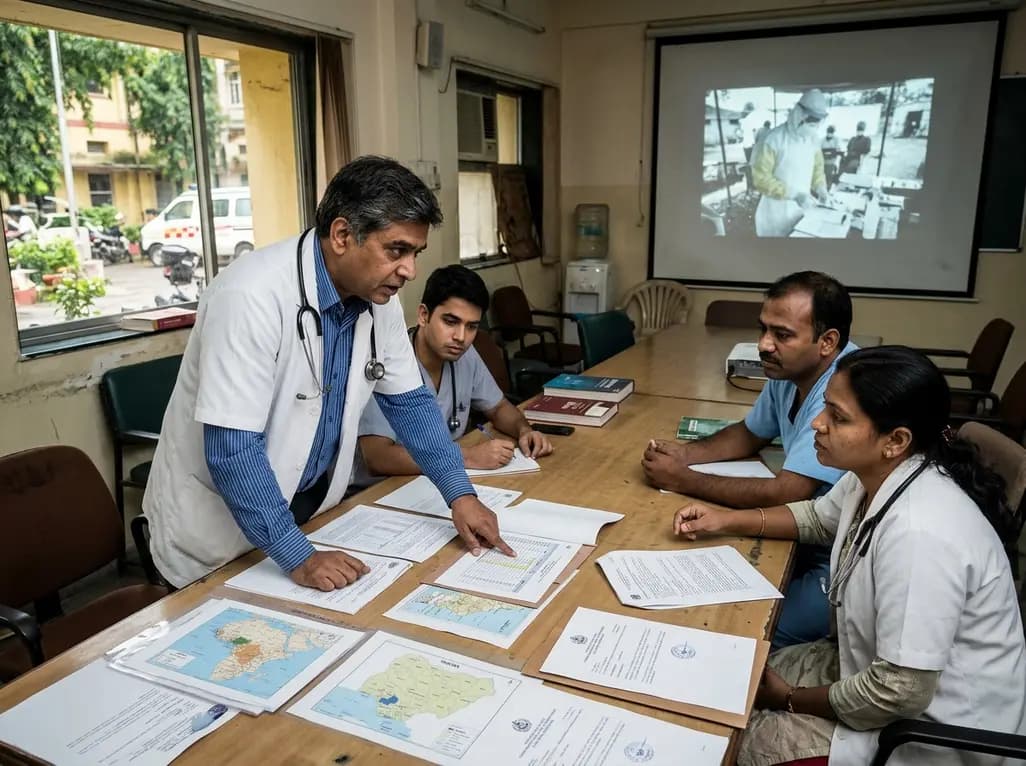
Following Nigeria's first recorded Ebola case linked to regional travel, the Africa CDC has convened an emergency ministerial summit. This alert underscores critical clinical priorities for healthcare professionals, including differentiating early viral infection from malaria, implementing barrier nursing, and triage.
Today

Leucine Rich Bio has introduced South Asia's first comprehensive vaginal microbiome test, BugSpeaks. By profiling microbial dysbiosis, pathogens, and antimicrobial resistance, this next-generation diagnostic platform provides clinicians with deeper insights into recurrent infections, fertility, and reproductive health.
Today

Review how tailored exercise programs benefit frail older patients with heart failure. Explore pathophysiological mechanisms, individualized training prescriptions, and strategies to overcome adherence barriers in clinical practice.
Today

This comparative study evaluates posterior labral tears with and without glenohumeral instability, highlighting distinct demographic patterns, MRI underestimation in stable shoulders, and successful arthroscopic repair outcomes.
Today

A clinical study demonstrates that early intervention with tocilizumab, either as monotherapy or bridged with corticosteroids, achieves significant proptosis reduction and resolves active inflammation in treatment-naive thyroid eye disease.
Today
