.webp&w=384&q=75)

Loading, please wait...
Loading, please wait...

Recent research explores the fascinating link between the Gut Microbiome and Memory. Scientists found that modulating the gastrointestinal environment might reverse aging-related cognitive decline. This breakthrough centers on the intricate communication between gut bacteria and the brain. Furthermore, researchers identified specific bacterial species that influence how we process information as we age.
The vagus nerve serves as a critical highway for signals between the gut and the brain. In aging mice, researchers observed that specific bacterial changes trigger inflammatory responses. Consequently, these responses impair the nerve's ability to signal the hippocampus. However, stimulating the vagus nerve restored cognitive performance to levels seen in younger animals. Therefore, the vagus nerve acts as a modifiable link in the cognitive aging process.
The study identified Parabacteroides goldsteinii as a key player in cognitive decline. This bacterium increases in abundance during the aging process. Furthermore, it produces metabolites called medium-chain fatty acids. These fatty acids activate myeloid cells, which initiate an inflammatory response in the gut. Additionally, this inflammation inhibits the hippocampus and the ability to form lasting memories. Targeting these specific pathways offers a potential new strategy for treating memory loss.
Since the gastrointestinal tract is accessible orally, modulating microbiome metabolites is an appealing strategy. Clinicians might eventually use probiotic or metabolic interventions to control brain function. This research emphasizes that brain processes are not hardwired but actively modulated by peripheral systems. Consequently, maintaining a healthy gut might be the key to preserving a sharp mind into old age.
Q1: How does the gut microbiome affect memory?
Bacterial changes in the gut trigger inflammation that disrupts vagus nerve signaling to the brain's memory center, leading to cognitive decline.
Q2: Can vagus nerve stimulation help with aging?
In animal models, stimulating the vagus nerve reversed age-related memory deficits and restored navigation skills to youthful levels.
Q3: Which bacteria is linked to memory loss in this study?
The study highlighted an increase in Parabacteroides goldsteinii as a significant factor in aging-related cognitive decline.
Disclaimer: This content is for informational and educational purposes only. It does not constitute medical advice or replace professional judgment. Refer to the latest local and national guidelines for clinical practice.
References

Read summarized clinical updates, watch expert medical content, and earn CME certifications right from your smartphone.
Open your smartphone camera to scan and install.





A new Stanford study reveals that modulating the gut microbiome via the vagus nerve can reverse age-related memory loss and cognitive decline in mice....
7 months ago

Co-administering antiseizure medications and DOACs frequently causes pharmacokinetic interactions, subtherapeutic drug levels, and thromboembolic failures. This review highlights enzyme induction risks, unpredictable outcomes with levetiracetam, and the vital role of therapeutic drug monitoring.
Today

Demanding exhaustive hormonal profiling can inadvertently discourage clinical studies involving females. Methodological standards must align with the specific scientific question to expand, not restrict, equitable evidence for women.
Today
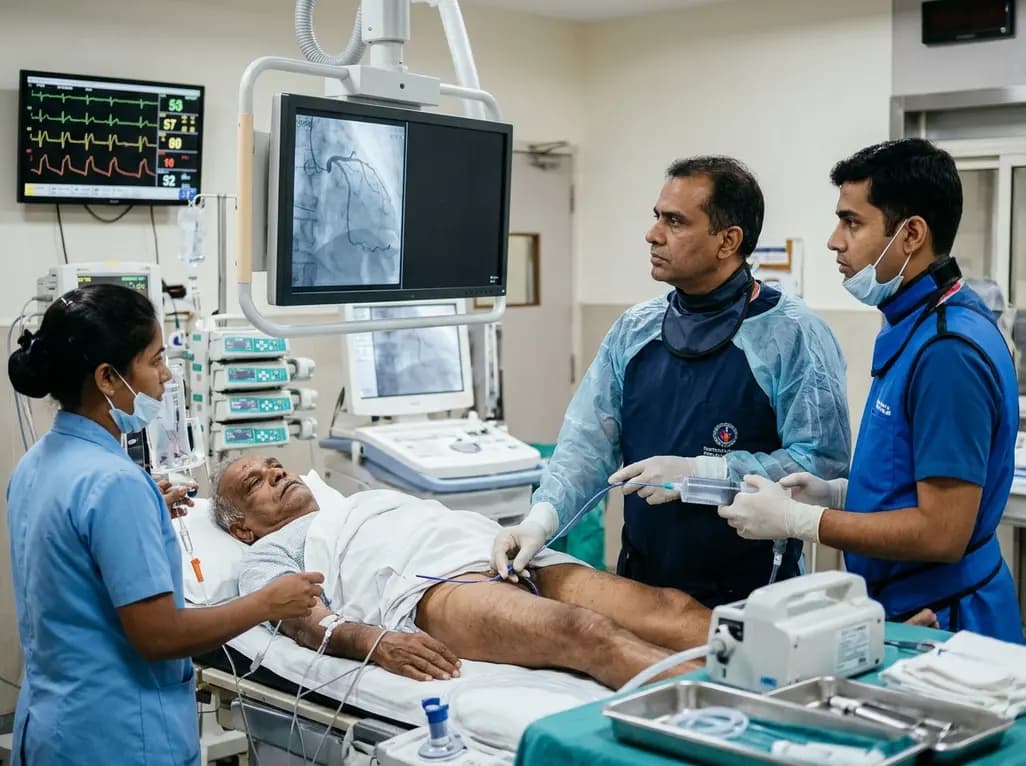
An elderly man with partially repaired Tetralogy of Fallot presented with STEMI caused by coronary embolism rather than atherosclerosis. Successful treatment with sustained mechanical aspiration thrombectomy underscores the vital need for high clinical vigilance in adult congenital heart disease.
Today

A comparative review of tension band wiring and intramedullary screw fixation in thumb metacarpophalangeal arthrodesis, evaluating union rates, hardware complications, and clinical outcomes.
Today

Following regulatory scrutiny from FSSAI regarding promotional representations and lean muscle preservation claims, Dr. Reddy's Laboratories and Nestlé Health Science are currently reviewing the branding and marketing strategy for their joint nutritional supplement Celevida GLP+.
Today
