.webp&w=384&q=75)

Loading, please wait...
Loading, please wait...

The rapid rise of global public health threats demands decisive legislative action. During a national health council meeting, Gujarat Health Minister Praful Pansheriya strongly advocated for stricter policies. Specifically, his proposals centered on introducing tighter antibiotic regulation and enhancing penalties for food and drug adulteration. These critical measures aim to protect millions of lives across India. Consequently, healthcare professionals and policymakers must collaborate to address these escalating challenges.
To combat the unchecked distribution of lifesaving medications, India requires a unified national strategy. Currently, patients can easily acquire potent antimicrobials over the counter without a qualified professional's prescription. Moreover, many clinicians continue to prescribe broad-spectrum therapies unnecessarily. This widespread misuse accelerates the decline of drug efficacy. Therefore, implementing robust antibiotic regulation remains a paramount priority for the Central Government. Minister Pansheriya emphasized that the country must formulate a stringent, binding policy to govern distribution. Additionally, private clinics and public hospitals must undergo regular audits to monitor their prescribing patterns. By restricting unregulated access, authorities can preserve the therapeutic value of existing therapeutics. This systematic approach will ensure that future generations still have access to active, lifesaving treatments. Furthermore, medical boards must enforce strict compliance among retail pharmacists. Consequently, pharmacies that sell antibiotics illegally without proper documentation should face immediate suspension of their operating licenses. Through cooperative national governance, India can establish a safe, highly regulated pharmaceutical ecosystem that protects patient welfare.
Antimicrobial resistance is rapidly emerging as a silent pandemic. When micro-organisms evolve to withstand standard treatments, common infections become untreatable. Recent data from the Gujarat Biotechnology Research Centre reveals alarming statistics. Specifically, over eighty percent of resistant pathogens identified in regional studies displayed extreme or pan-drug resistance. This profound shift leaves clinical practitioners with very few therapeutic options. Consequently, simple bacterial infections now pose major mortality risks. To address this crisis, the medical community must initiate intensive educational campaigns. Medical colleges and public hospitals should actively promote antibiotic stewardship programs. Furthermore, clinical educators must teach patients about the dangers of demanding quick-fix prescriptions. Patients often stop their prescribed courses prematurely once their symptoms improve. This practice allows partially resistant bacteria to survive and multiply. Therefore, continuous counseling at the point of care is absolutely necessary. Doctors must explain the biological mechanisms of resistance to every patient. Additionally, healthcare institutions should adopt rapid diagnostic tools to differentiate bacterial from viral infections before initiating treatment. Through these proactive measures, clinicians can significantly reduce unnecessary drug exposure and preserve vital therapeutic options.
Ongoing food and drug adulteration also severely compromises public safety. In recent months, regulatory agencies in Gujarat have confiscated tons of sub-standard ghee, oil, and dairy products. Adulteration mafias often replace pure ingredients with industrial chemicals or cheap substitutes to maximize profits. Alarmingly, these illicit practices also extend to counterfeit medicines, directly endangering vulnerable patients. Minister Pansheriya pointed out that the current provisions of the Food Safety and Standards Act of 2006 are no longer adequate. Specifically, the existing penalties fail to deter sophisticated modern offenders. Currently, many perpetrators view minor legal fines as simple business expenses. Therefore, the state of Gujarat has formally urged the Centre to amend the national framework to introduce much harsher, deterrent punishments. Some policymakers even suggest treating food adulteration with the same severity as acts of terror. Consequently, a revamped legal code must establish non-bailable offenses and heavy financial penalties for repeat violators. Additionally, authorities must scale up laboratory testing infrastructure to detect synthetic adulterants rapidly. By strengthening the legislative backbone, India can effectively shield its citizens from consuming toxic, life-threatening contaminants.
While regulatory policies form the defensive shield of public health, expanding advanced infrastructure constitutes its active core. Currently, tertiary medical services like organ transplantation remain concentrated in major urban centers. In Gujarat, patients residing in Ahmedabad and Surat enjoy access to high-tech transplant care. However, those living in remote areas like Saurashtra and Kutch face immense geographical barriers. To bridge this divide, the Gujarat health ministry has formally requested the establishment of a comprehensive organ transplant facility at AIIMS Rajkot. Consequently, thousands of patients will no longer need to travel hundreds of kilometers for lifesaving surgeries. This localized facility will significantly reduce travel times, lower financial burdens, and improve clinical outcomes. Furthermore, AIIMS Rajkot can serve as a regional hub for organ donation awareness programs. Achieving self-reliance in transplant medicine requires robust coordination between local donor registries and surgical teams. Additionally, the proposed expansion will foster specialized clinical training for young medical professionals in western India. Ultimately, integrating advanced surgical facilities into regional medical institutions ensures that high-quality, specialized healthcare becomes accessible to all citizens, regardless of their socioeconomic status or geographic location.
Modern healthcare delivery must rely on advanced digital tools to ensure transparency, accessibility, and efficiency. During the central health council meeting, policymakers launched several innovative platforms under the Ayushman Bharat Digital Mission. Specifically, these systems aim to unify patient records, making clinical histories accessible across different medical jurisdictions. For instance, Gujarat has pioneered the PM Family Care Tracker to monitor maternal and child health dynamically from birth. Additionally, the state successfully uses its 108 ambulance network and telemedicine platforms to bridge rural-urban health disparities. Telemedicine offers a highly effective method for delivering specialized medical consultations to remote villages. Furthermore, digital tracking ensures the timely utilization of welfare funds allocated for marginalized populations. When systems are digitized, administrative bottlenecks disappear. Consequently, doctors can make faster, better-informed clinical decisions based on real-time data. To sustain this momentum, state governments must accelerate the deployment of high-speed digital infrastructure in primary health centers. By combining strict legislative regulations with cutting-edge technology, India is steadily building a resilient, patient-centric healthcare model for the future.
Q1: Why is stricter national antibiotic regulation necessary?
Stricter antibiotic regulation is essential because the uncontrolled over-the-counter sale and excessive prescription of antimicrobials are driving global drug resistance. Without robust national policies, standard infections will soon become completely untreatable. Tightening these laws ensures that pharmacies require valid prescriptions, which directly limits misuse. Consequently, this collective effort helps safeguard the efficacy of critical medicines and protects future generations from untreatable bacterial infections.
Q2: How does antimicrobial resistance affect patient clinical outcomes?
Antimicrobial resistance significantly worsens patient outcomes by rendering standard treatments ineffective. Consequently, patients suffer from prolonged hospitalizations, higher medical expenses, and an elevated risk of mortality. When first-line antibiotics fail, clinicians are forced to utilize highly toxic, expensive alternative therapies. Therefore, preventing resistance through responsible clinical prescribing patterns and proactive patient education is absolutely crucial to maintaining modern medical efficacy.
Q3: Why is a new organ transplant facility proposed at AIIMS Rajkot?
Currently, advanced organ transplant services in Gujarat are heavily concentrated in Ahmedabad and Surat. Patients living in the Saurashtra and Kutch regions must travel long distances to access these lifesaving procedures. Establishing a dedicated facility at AIIMS Rajkot directly addresses this geographic inequality. Consequently, thousands of regional patients will gain immediate access to timely, high-quality transplant surgeries closer to their homes.
Disclaimer: This content is for informational and educational purposes only. It does not constitute medical advice or replace professional judgment. Refer to the latest local and national guidelines for clinical practice.
References

Read summarized clinical updates, watch expert medical content, and earn CME certifications right from your smartphone.
Open your smartphone camera to scan and install.





Gujarat Health Minister Praful Pansheriya has urged the Centre to enforce stricter national laws against food adulteration and enact tighter antibiotic regulation. He also requested an organ transplant center at AIIMS Rajkot and highlighted digital initiatives under the Ayushman Bharat Digital Mission.
3 months ago
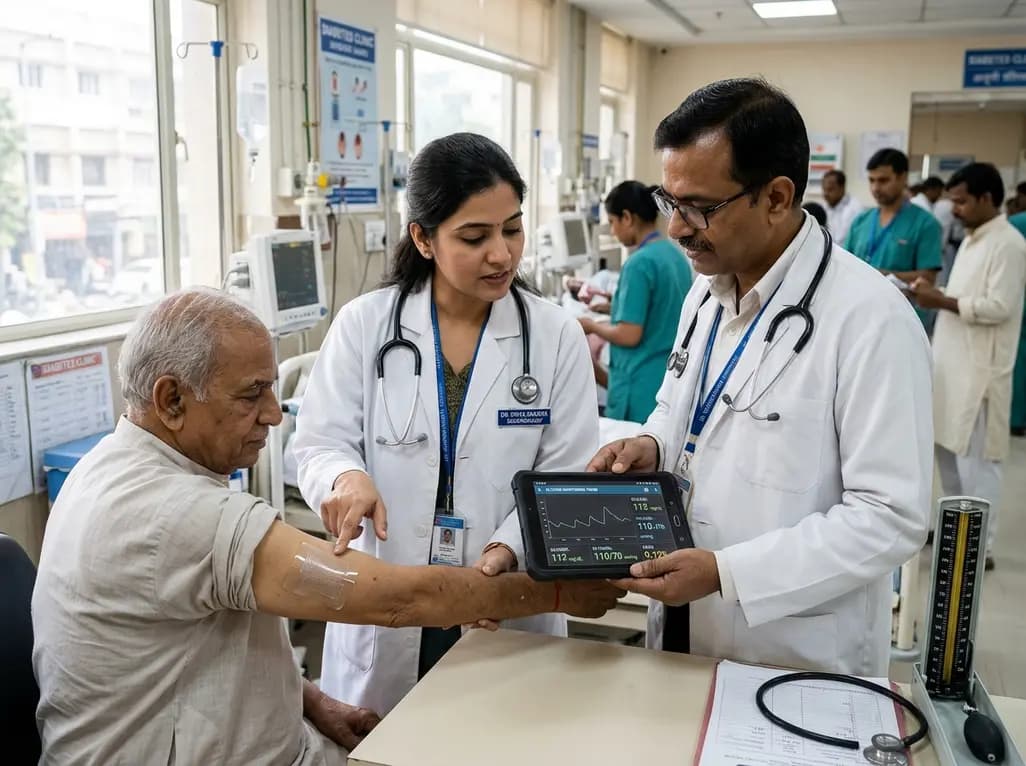
A breakthrough ultrathin multimodal sensor decouples physical hemodynamic monitoring from disposable electrochemical calibration, achieving long-term wearable glucose prediction with 81.36% accuracy and a 9.12% MARD. This offers a robust, drift-free solution for outpatient metabolic surveillance.
Today
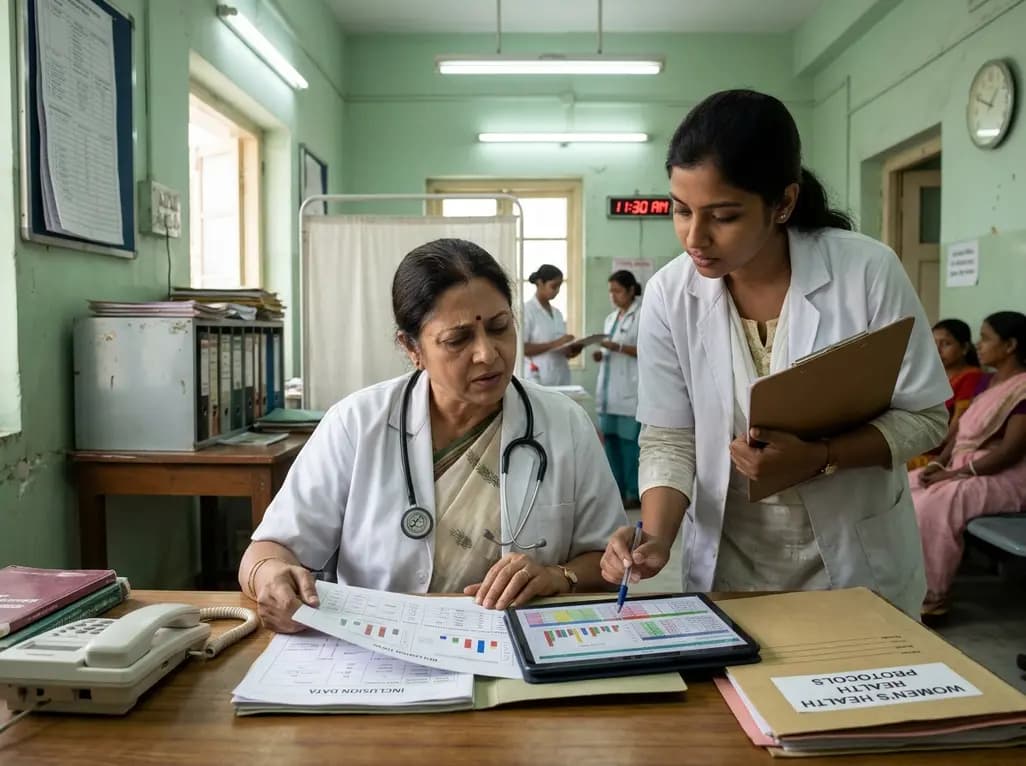
Demanding exhaustive hormonal profiling can inadvertently discourage clinical studies involving females. Methodological standards must align with the specific scientific question to expand, not restrict, equitable evidence for women.
Today
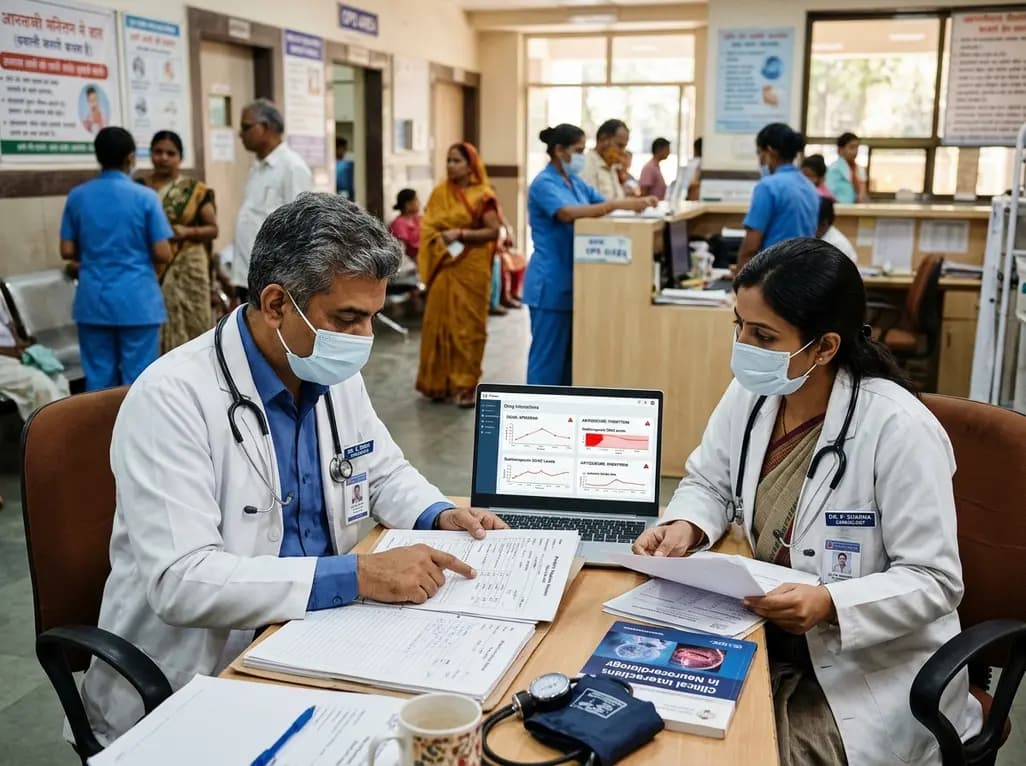
Co-administering antiseizure medications and DOACs frequently causes pharmacokinetic interactions, subtherapeutic drug levels, and thromboembolic failures. This review highlights enzyme induction risks, unpredictable outcomes with levetiracetam, and the vital role of therapeutic drug monitoring.
Today
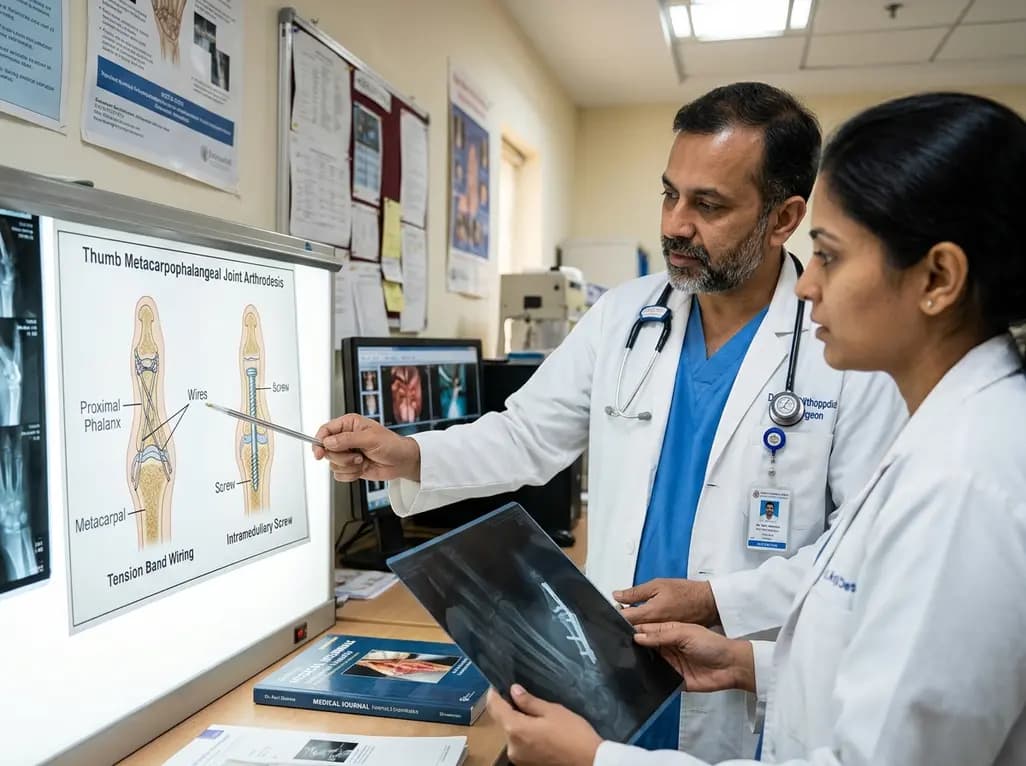
A comparative review of tension band wiring and intramedullary screw fixation in thumb metacarpophalangeal arthrodesis, evaluating union rates, hardware complications, and clinical outcomes.
Today
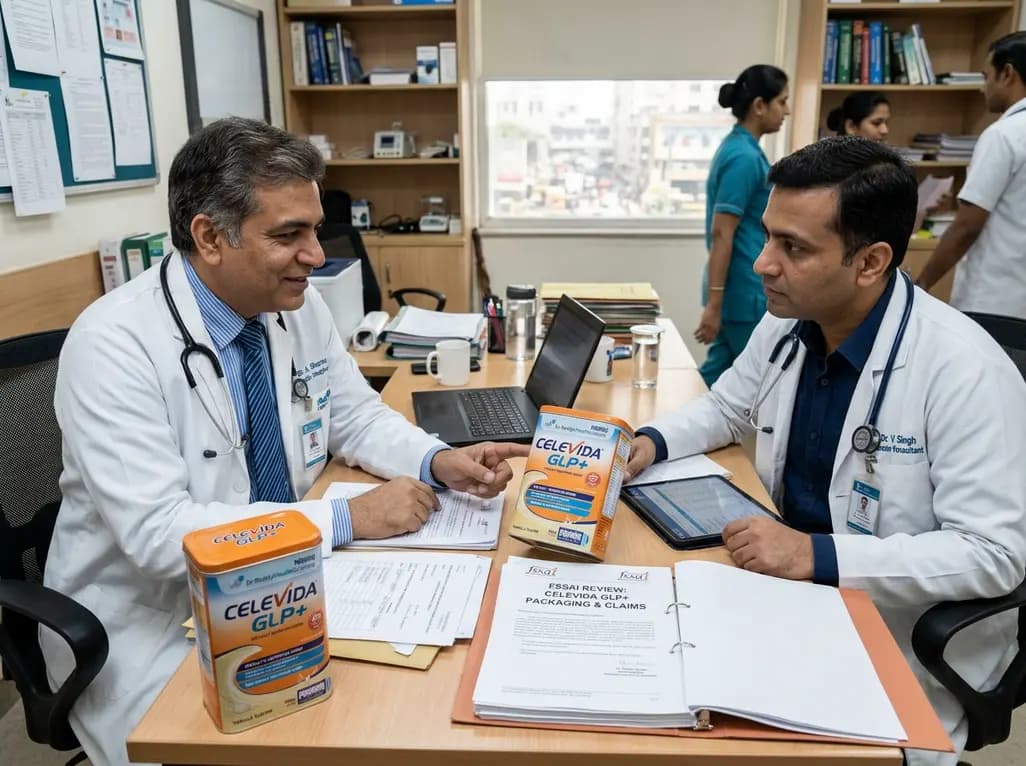
Following regulatory scrutiny from FSSAI regarding promotional representations and lean muscle preservation claims, Dr. Reddy's Laboratories and Nestlé Health Science are currently reviewing the branding and marketing strategy for their joint nutritional supplement Celevida GLP+.
Today
