.webp&w=384&q=75)

Loading, please wait...
Loading, please wait...

The development of implantable graphene flexible electronics has reached a significant milestone with a novel large-area transfer method. Specifically, researchers have successfully combined laser engraving, polymer casting, and water immersion to create high-conductivity, biodegradable devices. This breakthrough addresses long-standing challenges in transferring graphene from glass substrates to flexible polymers without compromising structural integrity.
The study highlights a low-temperature treatment that significantly reduces graphene sheet roughness. Consequently, the researchers achieved a near 100% transfer efficiency to flexible polymer substrates. Moreover, this method utilizes the inherent differences in adhesion at the graphene/glass and graphene/polymer interfaces. The resulting graphene sheets maintain a low resistance of approximately 40 Ω/sq, which is essential for effective electrical stimulation in clinical settings.
These advanced implantable graphene flexible electronics demonstrate remarkable functionality in simulating in vitro and in vivo conditions. For instance, the study successfully fabricated graphene coil-integrated electrode cuffs and piezoelectric devices. These devices generate output voltages capable of enhancing cell and tissue regeneration. Furthermore, ex vivo tests on cadaveric rats showed the feasibility of suturing these electronics onto the pudendal nerve, proving their surgical readiness.
Notably, the use of biodegradable polymer substrates ensures that these implants can provide temporary support during the healing phase before being safely absorbed by the body. This characteristic is vital for reducing the risks associated with long-term foreign body responses. Additionally, the cytocompatibility of the laser-engraved patterns ensures that they serve as a safe interface for various cell types.
The water immersion technique leverages the work of adhesion differences between the graphene and its initial glass substrate versus the target polymer. This process allows for a gentle, high-efficiency transfer that preserves the graphene's conductivity and structural integrity.
Yes, the study specifically demonstrated the implantation of graphene electrode cuffs on the pudendal nerve. These devices can stimulate nerve tissues to promote regeneration, making them highly promising for neurosurgical applications.
Researchers fabricate these devices using biodegradable polymer substrates. These materials provide the necessary mechanical support and flexibility during the therapeutic window and subsequently break down naturally within the body, eliminating the need for surgical removal.
Disclaimer: This content is for informational and educational purposes only. It is not intended to be a substitute for professional medical advice, diagnosis, or treatment. Refer to the latest local and national guidelines for clinical practice.
References
Zuccaro A et al. Polymer Casting and Water Immersion-Based Large-Area Graphene Transfer for Flexible Electronics Fabrication. ACS Appl Mater Interfaces. 2026 Feb 16. doi: 10.1021/acsami.5c23601. PMID: 41693631.
Chae JW et al. Biodegradable Implantable Electronics with Wireless Technology for Real-Time Clinical Applications. Adv Healthc Mater. 2024;13(15):e2303030.
Jakus AE et al. Graphene-based materials for tissue engineering. Nanoscale Res Lett. 2016;11(1):1-15.

Read summarized clinical updates, watch expert medical content, and earn CME certifications right from your smartphone.
Open your smartphone camera to scan and install.





A new water-immersion method enables 100% efficient transfer of large-area graphene onto biodegradable polymers for next-gen implantable electronics....
8 months ago
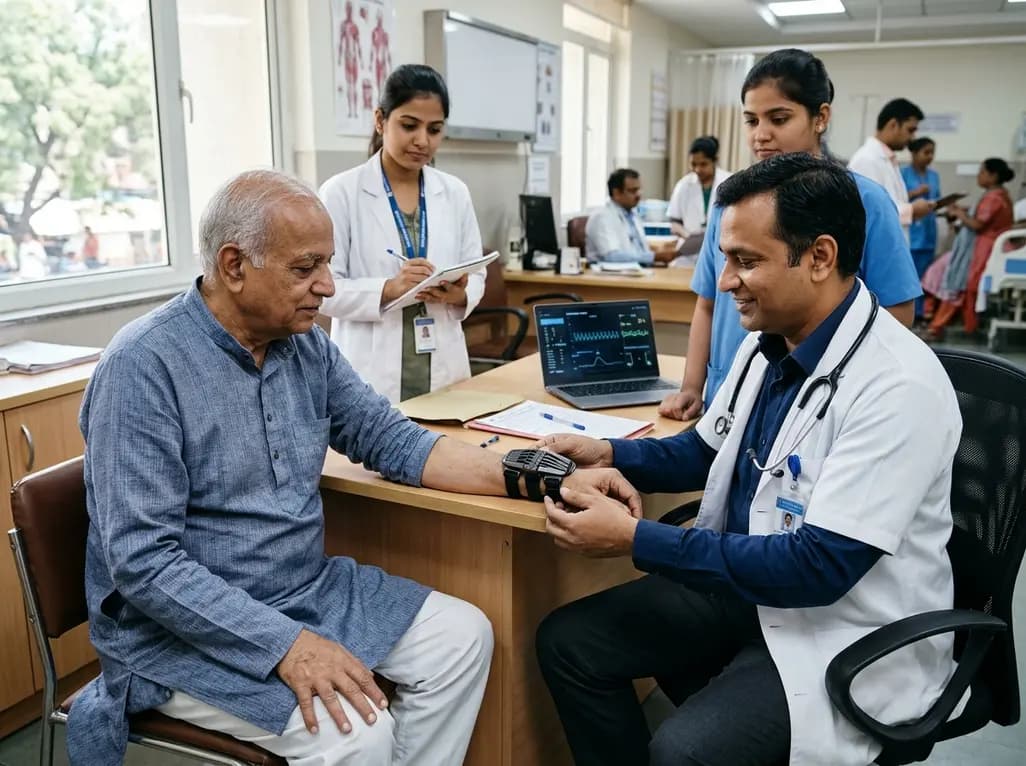
The TREM-AB open-label pilot study evaluated a wearable passive nonlinear vibration absorber for essential tremor. The Nonlinear Energy Sink bracelet reduced clinical Fahn-Tolosa-Marin tremor scores by 32.1% and electrophysiological tremor power by 49.2% with no adverse effects reported.
Today

A population-based study of 20,928 children reveals that small vulnerable newborns face sex-divergent mental capital outcomes at ages 6-7: term SGA girls show higher behavioral difficulties and lower resilience, while preterm non-SGA boys experience increased behavioral problems.
Today
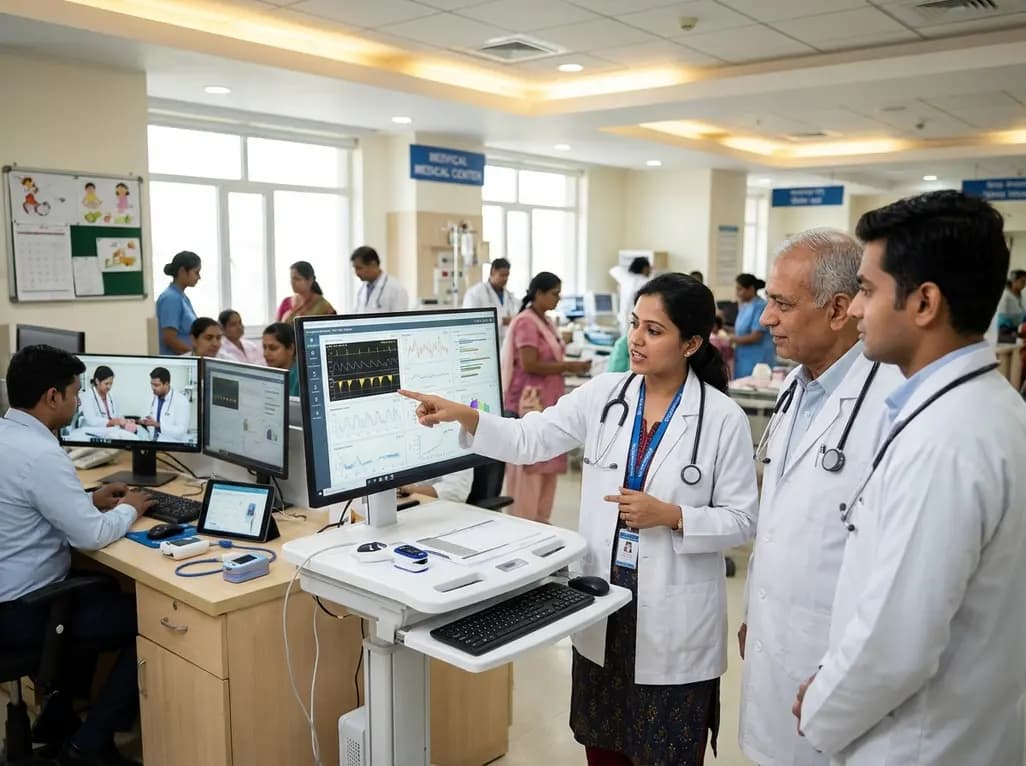
A landmark study details how an enterprise pediatric remote patient management model expanded from a single cardiology pilot to 16 diverse specialty programs by combining centralized digital operations with specialty clinical leadership.
Today
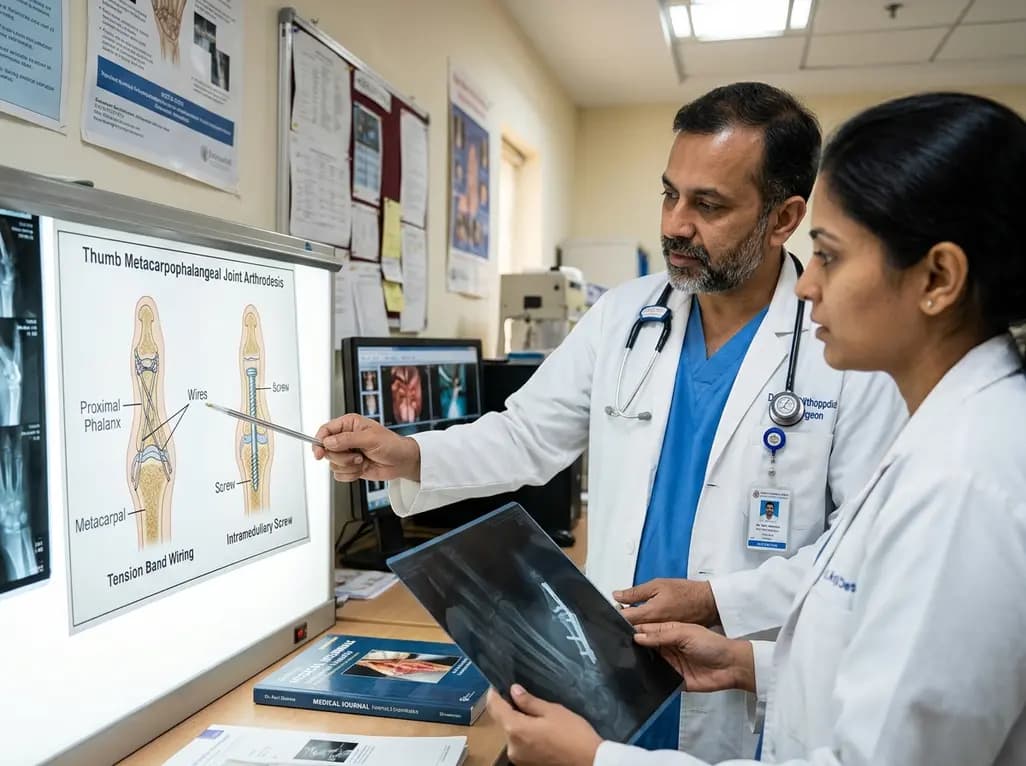
A comparative review of tension band wiring and intramedullary screw fixation in thumb metacarpophalangeal arthrodesis, evaluating union rates, hardware complications, and clinical outcomes.
Today
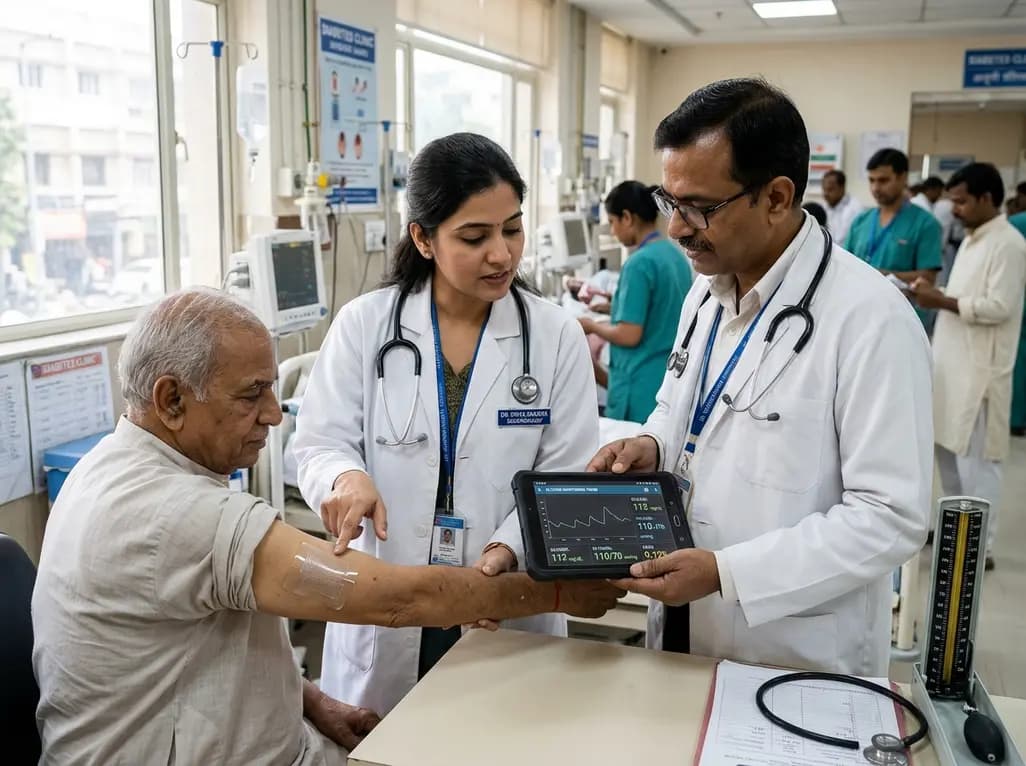
A breakthrough ultrathin multimodal sensor decouples physical hemodynamic monitoring from disposable electrochemical calibration, achieving long-term wearable glucose prediction with 81.36% accuracy and a 9.12% MARD. This offers a robust, drift-free solution for outpatient metabolic surveillance.
Today
