

Loading, please wait...
Loading, please wait...

Recently, researchers examined how gradient lexical tone processing differs across various assessment models. Specifically, the study by Cheng B et al. (2026) suggests that traditional binary tasks might mask significant auditory details. For specialists in India, understanding these nuances is vital for accurate diagnostics and effective speech rehabilitation.
Traditional methods like the two-alternative forced-choice (2AFC) task provide a limited view of speech perception. However, the Visual Analog Scale (VAS) captures a broader range of response variability and within-category sensitivity. Furthermore, VAS reveals that listeners do not just hear categories but perceive fine-grained acoustic differences. Consequently, this finding challenges the long-standing belief that tonal perception is strictly categorical. The brain effectively maintains acoustic detail even after categorizing a sound.
Implementing these continuous-response tools can significantly improve clinical outcomes. Moreover, clinicians can use these metrics to track rehabilitation progress in patients with cochlear implants or auditory processing disorders. In addition, pediatricians may find VAS useful for assessing early language development more precisely than binary tests. Therefore, moving toward more sensitive scales is a logical step for modern speech-language pathology. Using VAS allows for a more personalized understanding of a patient's auditory world.
Unlike binary tasks that force a choice, the VAS allows listeners to mark their perception on a continuous line. Consequently, it captures subtle auditory sensitivities that indicate how listeners process speech nuances without simplification.
Yes. Many Indian languages utilize specific pitch and tonal variations in regional dialects. Therefore, using more sensitive tools like VAS can help clinicians better diagnose and monitor recovery in patients with complex hearing needs.
Disclaimer: This content is for informational and educational purposes only. It does not constitute medical advice or a professional diagnosis. Always seek the advice of a qualified healthcare provider regarding any medical condition. Refer to the latest local and national guidelines for clinical practice.
References
Cheng B et al. Beyond Categorical Perception: Gradient Lexical Tone Processing Revealed by Visual Analog Scale. J Speech Lang Hear Res. 2026 Jun 05. doi: 10.1044/2026_JSLHR-25-00789. PMID: 42247241.
McMurray B. The gradual and the discrete in speech perception. Psychon Bull Rev. 2022;29(2):413-437.
Chen F et al. The development of categorical perception of lexical tones in Mandarin-speaking preschoolers. J Phonetics. 2017;62:22-34.

Read summarized clinical updates, watch expert medical content, and earn CME certifications right from your smartphone.
Open your smartphone camera to scan and install.





Research shows the Visual Analog Scale (VAS) is superior to binary tasks for uncovering the nuances of gradient lexical tone processing in speech perception...
4 months ago
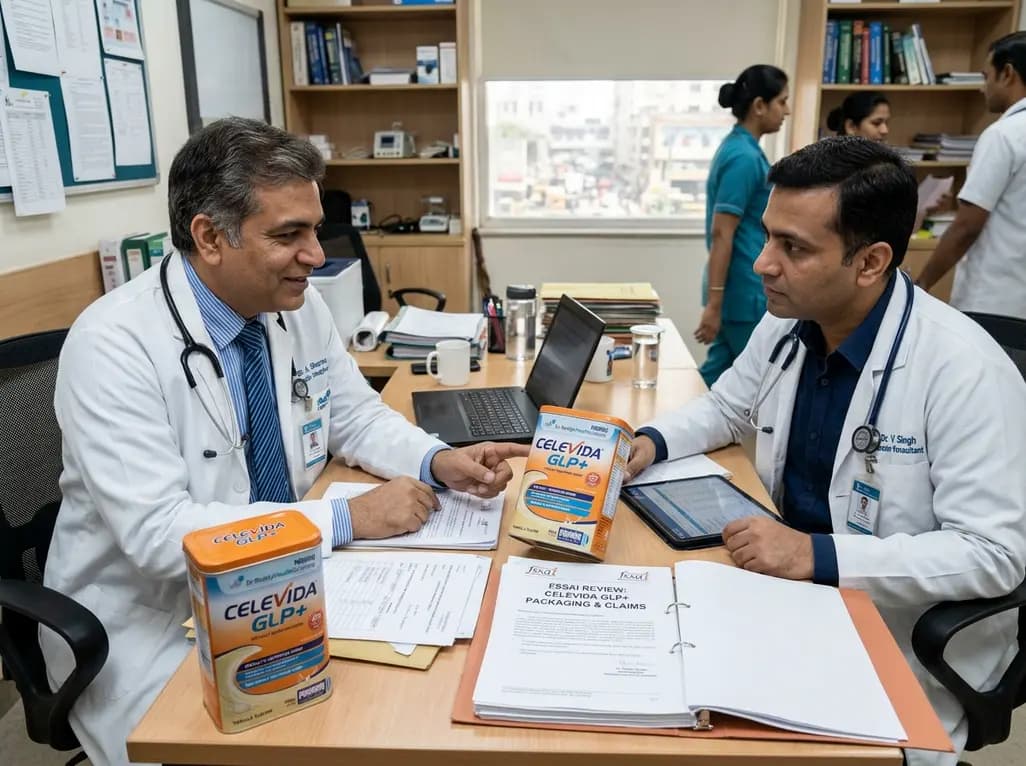
Following regulatory scrutiny from FSSAI regarding promotional representations and lean muscle preservation claims, Dr. Reddy's Laboratories and Nestlé Health Science are currently reviewing the branding and marketing strategy for their joint nutritional supplement Celevida GLP+.
Today

Demanding exhaustive hormonal profiling can inadvertently discourage clinical studies involving females. Methodological standards must align with the specific scientific question to expand, not restrict, equitable evidence for women.
Today
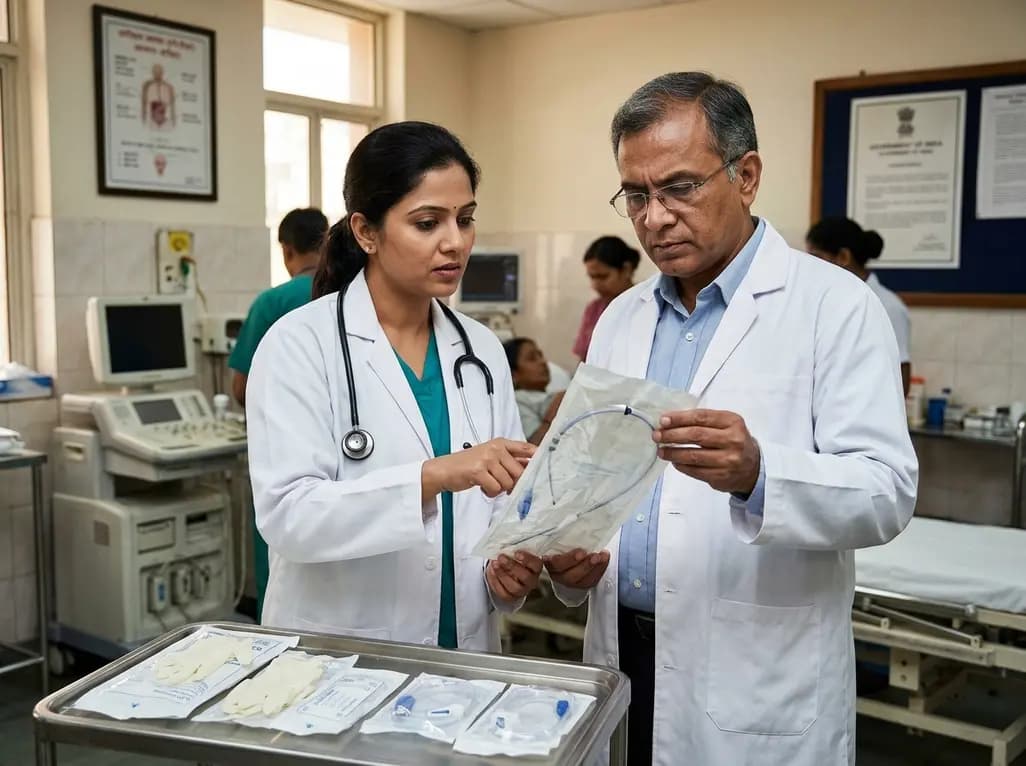
The Directorate General of Health Services directs Indian states to halt the hazardous reuse and reprocessing of single-use medical devices. Discover regulatory implications under the Drugs and Cosmetics Act, critical infection risks, legal liabilities, and operational changes required across clinical specialties.
Today
A novel calcium polyphosphate coacervate enables injectable bone implants with in situ hierarchical porosity via phase separation and gas foaming, significantly enhancing cell proliferation, energy metabolism, and osteogenic differentiation for minimally invasive bone defect repair.
Today
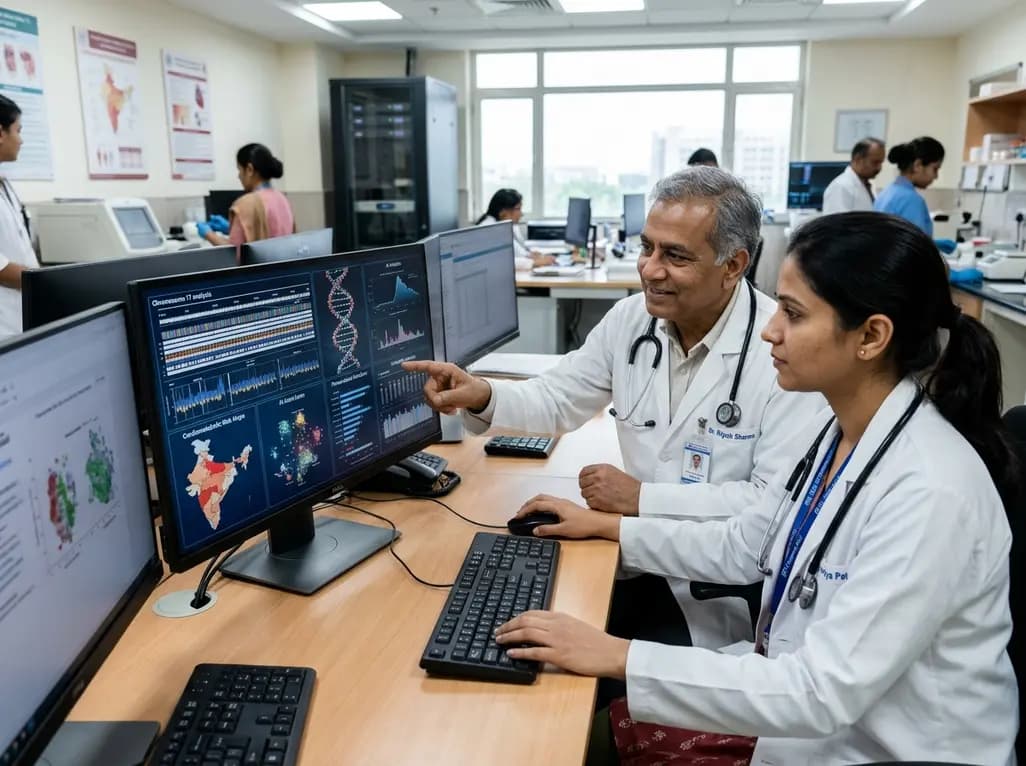
India is advancing preventive healthcare by integrating genomics, artificial intelligence, and quantum technologies. With the SANGAM programme sequencing one million Indian genomes, clinicians can unlock personalized therapies, detect cardiometabolic risks early, and curb the burden of diabetes and heart disease.
Today
