

Loading, please wait...
Loading, please wait...

The recent shifts in the global health strategy have prompted the resignation of Mike Reid, a leading infectious disease expert. Consequently, his departure highlights growing tensions between scientific priorities and political objectives. Reid specifically criticized the administration for using aid to influence foreign nations for commercial gain. Therefore, he argued that medical assistance should remain independent of geopolitical positioning. Additionally, the State Department terminated his employment immediately after his public comments on Substack. Meanwhile, PEPFAR continues to be a vital initiative for HIV prevention and treatment in developing nations.
Recent reports suggest that the U.S. government considered withholding HIV aid to Zambia to secure mining deals. When access to treatment becomes entangled with critical minerals, the integrity of the work suffers significantly. Furthermore, the former chief science officer noted that global health initiatives must remain compatible with democratic values. Nevertheless, the State Department maintains that it continues to spend appropriated funds for life-saving treatments. However, the lack of transparency regarding economic concessions remains a point of contention for many health advocates across the globe.
The administration's current approach emphasizes that poorer nations should take more ownership of their health programs. While Reid acknowledged this goal, he warned about the lack of oversight and the rapid speed of the transition. Moreover, the dismissal of many monitors for corruption raises significant transparency concerns for future operations. Consequently, international health experts are watching the impact on HIV testing and treatment rates closely. Indeed, recent data shows a sharp drop in HIV testing numbers during the last year. These interruptions could potentially reverse decades of progress made by the PEPFAR initiative since its inception.
Q1: Why did Mike Reid resign from his position?
Mike Reid resigned because he disagreed with the administration's use of global health aid as leverage for commercial interests and geopolitical positioning.
Q2: What is the primary concern regarding the new HIV aid strategy?
The primary concern involves the reduction of overall funding and a potential lack of oversight as programs transition quickly to local government control.
Disclaimer: This content is for informational and educational purposes only. It does not constitute medical advice or replace professional judgment. Refer to the latest local and national guidelines for clinical practice.
References

Read summarized clinical updates, watch expert medical content, and earn CME certifications right from your smartphone.
Open your smartphone camera to scan and install.





Mike Reid, PEPFAR's chief science officer, resigns over the Trump administration's global health strategy and the use of aid for geopolitical leverage....
6 months ago

Following regulatory scrutiny from FSSAI regarding promotional representations and lean muscle preservation claims, Dr. Reddy's Laboratories and Nestlé Health Science are currently reviewing the branding and marketing strategy for their joint nutritional supplement Celevida GLP+.
Today

A comprehensive scoping review synthesises evidence linking prenatal maternal mental health to long-term offspring neurodevelopment, evaluating neuroendocrine, inflammatory, and epigenetic pathways while highlighting clinical screening and future research priorities.
Today
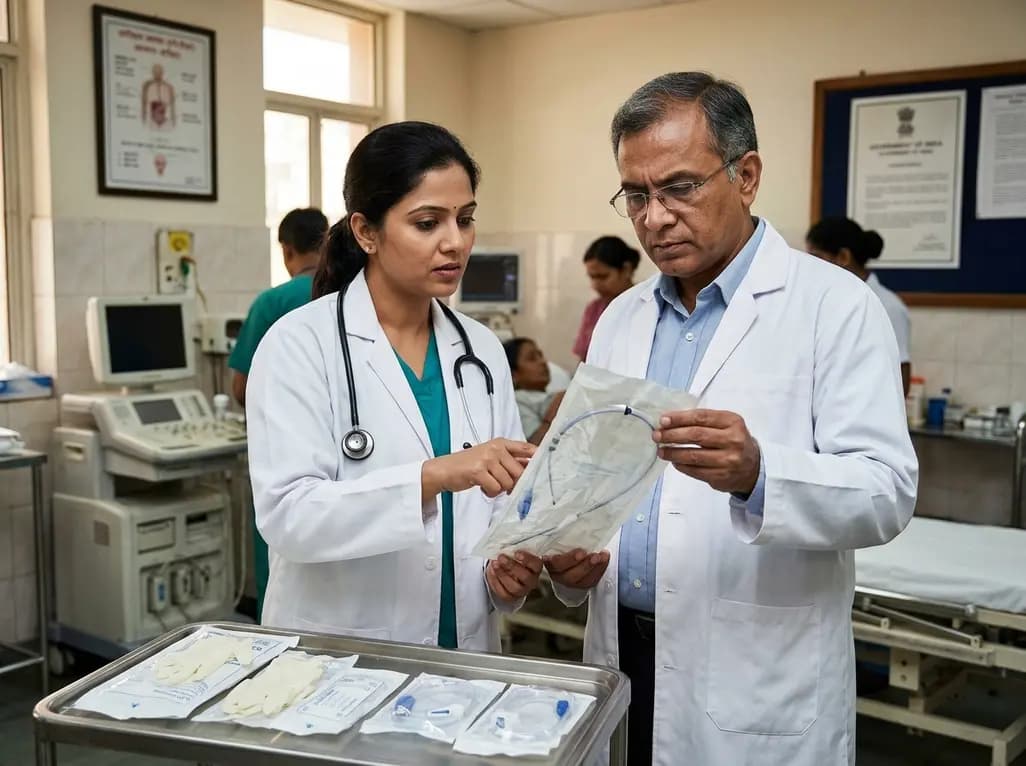
The Directorate General of Health Services directs Indian states to halt the hazardous reuse and reprocessing of single-use medical devices. Discover regulatory implications under the Drugs and Cosmetics Act, critical infection risks, legal liabilities, and operational changes required across clinical specialties.
Today

A 25-year multi-institutional cohort reveals high recurrence rates in pediatric giant cell tumor of bone, particularly in patients with open physes and bone marrow edema on preoperative MRI. Early surveillance and careful balance between growth plate preservation and tumor clearance are essential.
Today
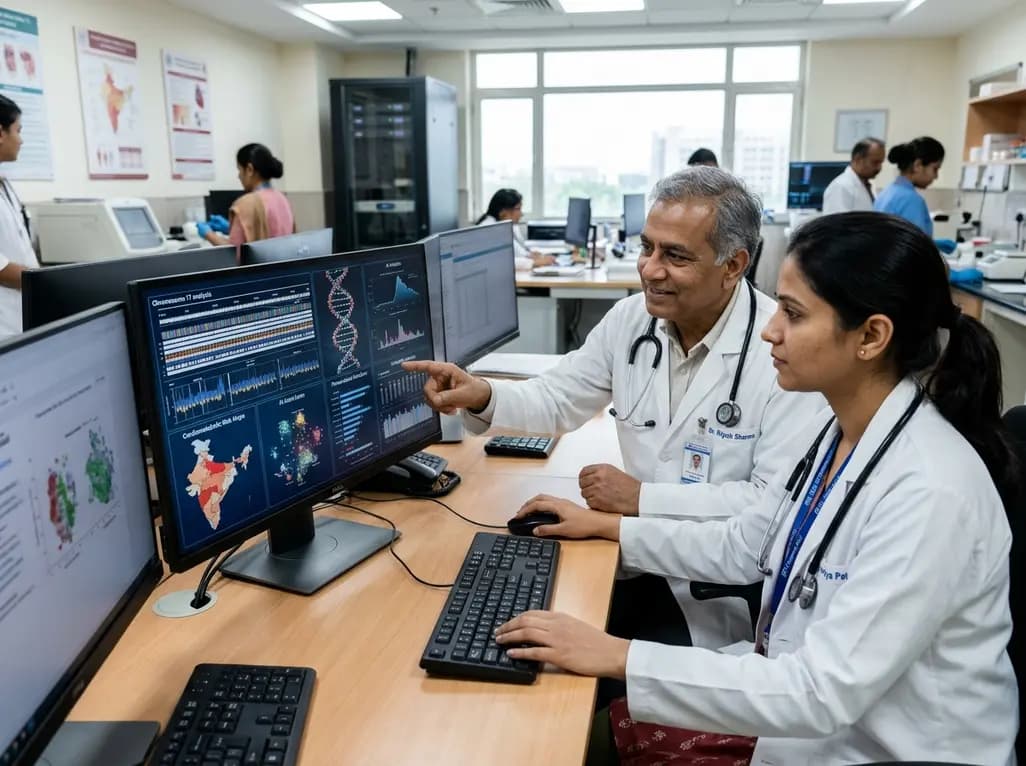
India is advancing preventive healthcare by integrating genomics, artificial intelligence, and quantum technologies. With the SANGAM programme sequencing one million Indian genomes, clinicians can unlock personalized therapies, detect cardiometabolic risks early, and curb the burden of diabetes and heart disease.
Today
