.webp&w=384&q=75)

Loading, please wait...
Loading, please wait...
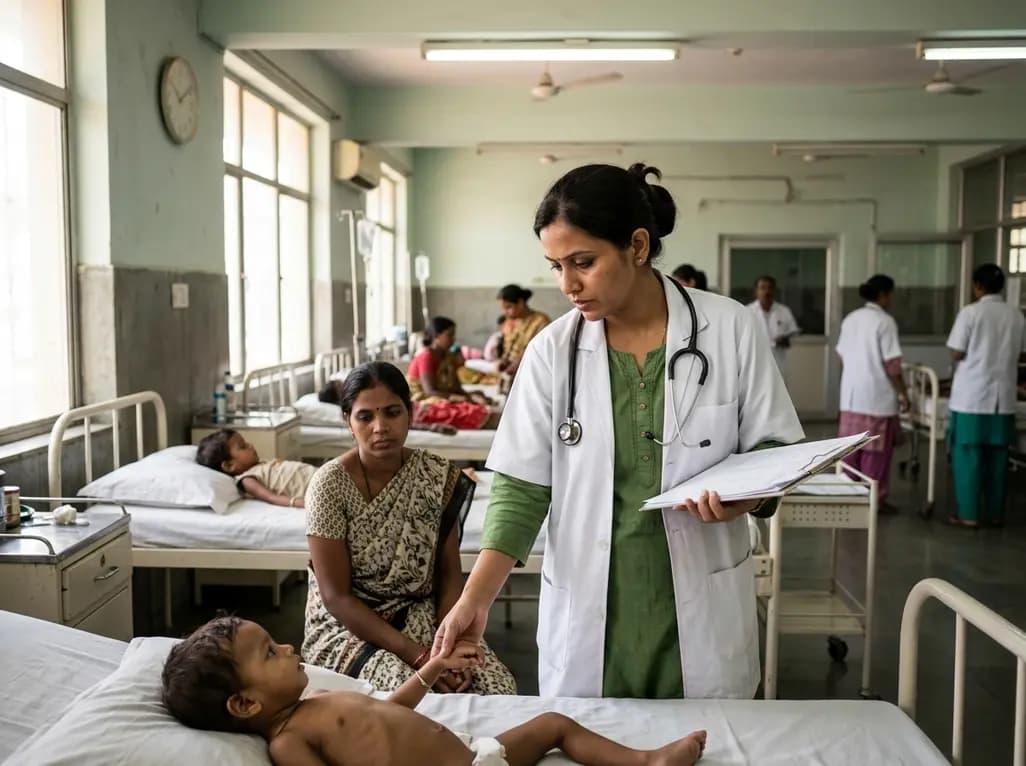
While a critical series of papers in The BMJ highlights alarming trends in global child mortality, action remains crucial.
Specifically, the data estimates that 4.9 million children under five died in 2024.
Additionally, this total includes 2.3 million neonatal deaths occurring in the first month of life.
Importantly, global progress in reducing preventable child deaths has slowed substantially since 2015.
In fact, the annual rate of decline dropped from 3.9% during 2000-2015 to just 1.5% during 2015-2024.
Consequently, many countries risk missing the United Nations Sustainable Development Goal targets by 2030.
Currently, the target aims to reduce under-five mortality to 25 or fewer deaths per 1,000 live births.
However, projections show that 60 countries will fall short of this target.
Geographically, sub-Saharan Africa and South Asia bear the heaviest burden of these tragic losses.
Moreover, data sparsity and quality issues in these regions create wider uncertainty intervals.
Clinically, pre-term birth complications and pneumonia represent the leading causes of death in young children.
Meanwhile, older children and adolescents aged 5 to 19 years also face high mortality rates.
Specifically, about 1.3 million deaths occurred within this older cohort in 2024.
Furthermore, communicable diseases, maternal conditions, and injuries like road traffic accidents remain major threats.
Therefore, experts emphasize that improving healthcare infrastructure requires robust official development assistance.
Specifically, wealthy nations must increase their investments to help low and middle-income countries.
Additionally, local philanthropy must step in to support national governments and non-governmental organizations.
Ultimately, accelerating the decline in mortality is not just a policy goal but a moral imperative.
Q1: What are the primary causes of under-five mortality according to the latest studies?
Pre-term birth complications and pneumonia remain the primary drivers of under-five mortality globally. Additionally, infectious diseases such as malaria and diarrhea, often worsened by malnutrition, contribute significantly to these deaths.
Q2: Why is the progress in reducing child mortality slowing down?
The rate of decline has slowed due to severe international development aid cuts, weak local healthcare infrastructures, and unequal distribution of resources. Consequently, regional disparities continue to widen, especially in sub-Saharan Africa and South Asia.
Q3: How many countries are projected to miss the UN Sustainable Development Goal for child survival?
Currently, projections indicate that 60 countries are falling short of the target. These nations home about 42% of the global under-five population.
Disclaimer: This content is for informational and educational purposes only. It does not constitute medical advice or replace professional judgment. Refer to the latest local and national guidelines for clinical practice.
References

Read summarized clinical updates, watch expert medical content, and earn CME certifications right from your smartphone.
Open your smartphone camera to scan and install.





New BMJ studies show a substantial slowdown in reducing global under-five and neonatal deaths since 2015, highlighting the need for increased aid....
4 months ago

Review how tailored exercise programs benefit frail older patients with heart failure. Explore pathophysiological mechanisms, individualized training prescriptions, and strategies to overcome adherence barriers in clinical practice.
Today

Leucine Rich Bio has introduced South Asia's first comprehensive vaginal microbiome test, BugSpeaks. By profiling microbial dysbiosis, pathogens, and antimicrobial resistance, this next-generation diagnostic platform provides clinicians with deeper insights into recurrent infections, fertility, and reproductive health.
Today

In high-risk pulmonary embolism complicated by severe anemia and active uterine bleeding, systemic thrombolysis is contraindicated. Large-bore aspiration thrombectomy provides rapid hemodynamic rescue without fibrinolysis, supported by inferior vena cava filter placement and multidisciplinary critical care.
Today

This comparative study evaluates posterior labral tears with and without glenohumeral instability, highlighting distinct demographic patterns, MRI underestimation in stable shoulders, and successful arthroscopic repair outcomes.
Today

A clinical study demonstrates that early intervention with tocilizumab, either as monotherapy or bridged with corticosteroids, achieves significant proptosis reduction and resolves active inflammation in treatment-naive thyroid eye disease.
Today
