.webp&w=384&q=75)

Loading, please wait...
Loading, please wait...
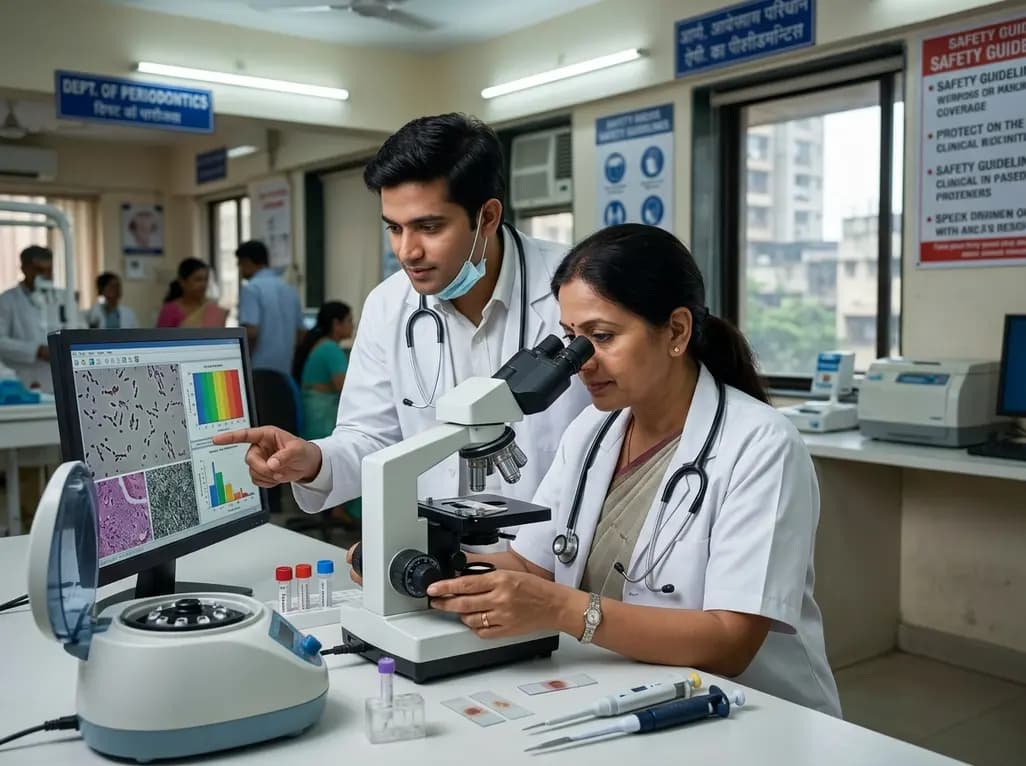
Periodontal diseases represent a chronic inflammatory challenge that compromises oral health and systemic well-being. Clinicians routinely struggle to predict which patients will undergo rapid tissue destruction versus those who remain stable over time. Fortunately, emerging research highlights the diagnostic power of gingival crevicular fluid biomarkers to overcome these prognostic hurdles. A landmark study published in the Journal of Clinical Periodontology investigated how proteolytic activity in gingival crevicular fluid correlates with clinical risk, microbial dysbiosis, and host proteomic shifts. Consequently, these findings provide critical insights into disease biology. Furthermore, this molecular framework opens exciting pathways toward personalized periodontal monitoring and timely clinical intervention.
Traditional periodontal diagnostics depend heavily on physical measurements such as probing pocket depths, bleeding on probing, and radiographic bone loss. However, these clinical parameters primarily capture past anatomical damage rather than active, ongoing disease progression. As a result, clinicians frequently face uncertainty when estimating future risk for individual patients. Existing risk assessment algorithms often lack the molecular resolution required to forecast immediate disease activity accurately.
Moreover, periodontitis exhibits episodic bursts of destruction separated by quiescent intervals. Relying solely on macroscopic indicators makes it difficult to detect subclinical reactivation before irreversible tissue loss occurs. Therefore, dental researchers have long sought biochemical indicators that reflect real-time host-microbe interactions within the local periodontal environment. By analyzing local inflammatory exudates, clinicians can theoretically identify destructive molecular events before extensive periodontal attachment disappears. This shift toward precision diagnostics represents an essential evolution in modern dental medicine, bridging conventional clinical staging with personalized therapeutic regimens.
Gingival crevicular fluid serves as an ideal non-invasive biological medium for monitoring periodontal health and disease dynamics. This serum exudate flows directly through the gingival sulcus, gathering host immune mediators, tissue breakdown fragments, and bacterial metabolic products. In the exploratory study led by Carda-Diéguez and colleagues, investigators collected fluid samples from 109 periodontitis patients to assess enzymatic degradation rates. They categorized samples into high and low proteolytic activity cohorts using a sensitive fluorescent substrate assay.
Remarkably, forty-one of forty-two patients in the high proteolytic activity group were clinically classified as high-risk individuals. Conversely, the low-activity group comprised both low-risk and high-risk patients. This distribution demonstrates that elevated proteolysis strongly correlates with high clinical risk profiles. Furthermore, measuring proteolytic activity provides an objective functional readout of enzymatic tissue destruction occurring at the sulcular interface. Consequently, utilizing these gingival crevicular fluid biomarkers helps clinicians stratify patients based on dynamic biological processes rather than static historical parameters.
The subgingival microbiome plays a central role in driving inflammatory periodontal tissue destruction. In this study, 16S ribosomal RNA gene sequencing revealed distinct bacterial community structures between high and low proteolytic activity groups. Samples displaying elevated proteolytic activity exhibited significantly greater overall microbial diversity compared to low-activity counterparts. This increased diversity coincided with a substantial enrichment of virulent proteolytic bacterial species.
Specifically, classic periodontal pathogens including Fusobacterium nucleatum, Porphyromonas gingivalis, and Treponema denticola showed marked predominance in high-activity samples. These organisms produce specialized proteases such as gingipains and dentilisin that directly degrade extracellular matrix components and host immune proteins. Furthermore, these bacterial enzymes trigger collateral tissue damage by activating latent host matrix metalloproteinases. Therefore, the microbial signature associated with high proteolysis reflects a severely dysbiotic biofilm actively degrading the local periodontal architecture. Consequently, these findings validate the close relationship between bacterial proteolytic potential and destructive clinical phenotypes across diverse patient groups.
Mass spectrometry analysis revealed dramatic differences in the host proteome across different proteolytic states. The researchers identified 235 differentially expressed host proteins between the high and low proteolytic activity cohorts. In high-activity samples, the host proteomic profile showed striking elevations in markers of acute inflammation and neutrophil-mediated immunity. Neutrophil elastase, myeloperoxidase, and various matrix metalloproteinases were prominent among these upregulated proteins.
Conversely, samples from the low-activity cohort exhibited marked enrichment of endogenous protease inhibitors, including tissue inhibitors of metalloproteinases and serpins. This crucial balance indicates that low-activity patients maintain more effective regulation over host-driven tissue degradation. When inflammatory cascades overpower endogenous inhibitors, unrestrained neutrophil degranulation accelerates soft tissue destruction and alveolar bone resorption. Thus, high proteolytic activity signifies a state of severe biological disequilibrium where host defenses actively contribute to periodontal breakdown. Moreover, understanding these proteomic signatures provides vital mechanistic insights into why certain individuals experience rapid disease progression.
The ability to harvest small-volume gingival fluid and rapidly evaluate proteolytic activity offers immense translational promise for modern dental clinics. Traditional laboratory profiling often requires complex infrastructure and extensive processing time, limiting routine clinical utility. However, fluorescent substrate assays provide rapid, quantitative readouts that could realistically adapt into point-of-care chairside diagnostic devices. Such tools would empower dentists to identify actively destructive disease phases during routine dental appointments.
Furthermore, integrating biochemical diagnostics with conventional periodontal staging could transform preventive maintenance protocols. Patients exhibiting high proteolytic signatures might benefit from targeted adjunct therapies, such as sub-antimicrobial dose doxycycline or specific local antimicrobial delivery systems. In addition, clinicians could customize recall intervals based on real-time biological risk rather than arbitrary calendar time frames. As precision dentistry continues to advance, objective molecular diagnostics will increasingly guide clinical decision-making. Ultimately, evaluating host-microbe interactions at the gingival sulcus will enable practitioners to preserve periodontal health with greater accuracy and clinical efficacy.
Proteolytic activity reflects the ongoing biological breakdown of periodontal connective tissues and matrix structures. High proteolytic activity indicates elevated levels of active bacterial and host proteases, particularly neutrophil enzymes. In clinical studies, elevated proteolysis strongly aligns with high-risk disease profiles. Consequently, measuring this enzymatic activity provides a dynamic indicator of real-time tissue destruction, helping clinicians detect active periodontal progression before severe macroscopic attachment loss becomes clinically irreversible.
High proteolytic activity strongly associates with prominent periodontal pathogens, specifically Porphyromonas gingivalis, Treponema denticola, and Fusobacterium nucleatum. These anaerobic bacteria express specialized proteolytic enzymes, such as gingipains and dentilisin, which degrade host structural proteins and immune factors. Furthermore, high-activity samples exhibit increased overall microbial diversity and community dysbiosis. This pathogenic microbial profile accelerates connective tissue lysis and fuels persistent localized inflammation within the subgingival periodontal pocket environment.
Host proteome profiling identifies specific molecular markers of inflammation, neutrophil activation, and endogenous protease inhibitors in gingival crevicular fluid. By distinguishing between actively destructive and biologically stable sites, proteomic insights enable personalized treatment strategies. Clinicians can customize maintenance recall schedules, optimize mechanical debridement, and administer targeted host-modulatory therapies for high-risk patients. Therefore, biochemical profiling transforms conventional reactive dentistry into proactive, precision-guided periodontal healthcare.
Disclaimer: This content is for informational and educational purposes only. It is not intended to be a substitute for professional medical advice, diagnosis, or treatment. Refer to the latest local and national guidelines for clinical practice.
References

Read summarized clinical updates, watch expert medical content, and earn CME certifications right from your smartphone.
Open your smartphone camera to scan and install.





An exploratory study in the Journal of Clinical Periodontology reveals that proteolytic activity in gingival crevicular fluid stratifies periodontitis risk, linking high enzymatic activity to pathogen enrichment (P. gingivalis, T. denticola) and neutrophil-mediated host inflammatory proteome signatures.
last month
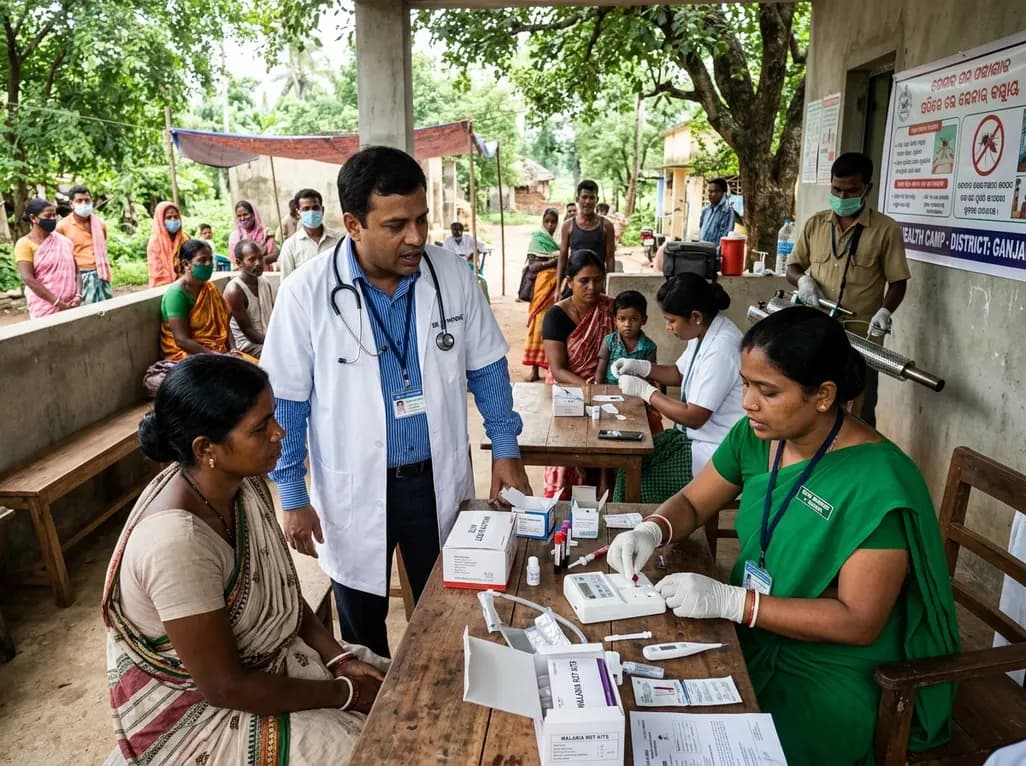
Following 37,899 reported cases and 9 deaths, Odisha has scaled up active case detection, rapid diagnostic testing, and vector control across high-burden districts. Here is a comprehensive clinical breakdown of the state's aggressive containment protocols, diagnostic pathways, and targeted field management.
Today

Endometriosis affects millions of women across India, yet diagnostic delays frequently exceed five years. Recent multi-centre genomic research has identified 21 novel genetic regions, notably on chromosome 13, establishing crucial population-specific insights to transform clinical screening and therapeutic strategies.
Today
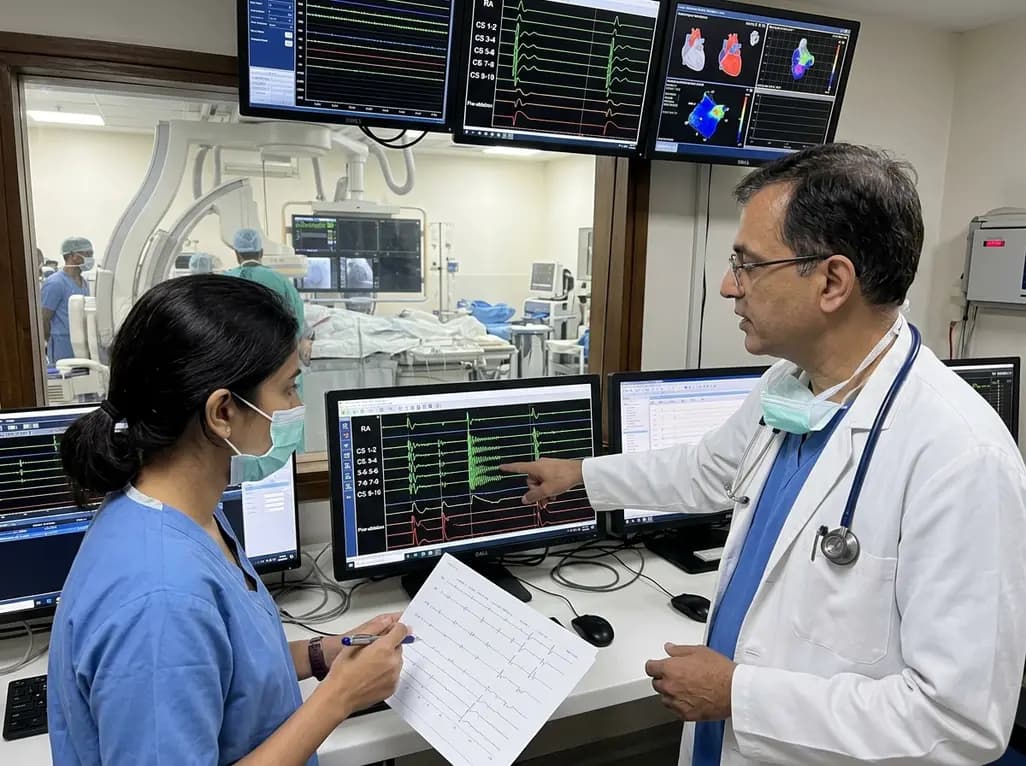
Radiofrequency catheter ablation of the cavotricuspid isthmus successfully terminates typical atrial flutter. This article reviews the mechanisms driving coronary sinus electrogram changes, wavefront activation pathways, and clinical criteria to verify bidirectional block during electrophysiology studies.
Today

A study comparing four knee flexion strength tests after ACL reconstruction using hamstring tendon autografts reveals marked variability in limb symmetry indices. Clinicians must recognize that different strength testing modalities yield divergent return-to-sport clearance rates.
Today

Discover how to identify superimposed entrapment neuropathy in diabetic patients. This review details clinical evaluation, surgical decompression evidence, and a structured algorithm for primary care referrals to prevent ulcers and preserve limb function.
Yesterday
