

Loading, please wait...
Loading, please wait...

Geriatric depression management presents a critical challenge for healthcare providers across institutional settings worldwide. Aging populations face an escalating burden of affective disorders, yet clinical recognition remains surprisingly suboptimal. A recent multicenter observational study evaluated depression care strategies across forty-six residential units in the Netherlands and Flanders. The investigators discovered that approximately one in five participating nursing home residents carried an official depression diagnosis. This substantial prevalence highlights an enduring clinical vulnerability among frail older adults living in structured care environments. Consequently, attending clinicians must understand why high diagnostic rates persist despite numerous clinical practice guidelines and staff educational initiatives.
In Indian long-term facilities and geriatric wards, similar patterns frequently emerge as formal eldercare facilities expand rapidly. Older adults often present with complex somatic comorbidities, cognitive decline, and chronic disability that overshadow psychological symptoms. Therefore, healthcare teams must prioritize proactive mental healthcare models rather than relying on spontaneous resident reporting. When medical staff fail to identify depressive symptoms early, residents experience functional decline, reduced quality of life, and increased mortality. Effective care requires continuous clinical vigilance, structured institutional protocols, and dedicated interdisciplinary collaboration to elevate clinical standards.
Accurate diagnosis remains difficult in long-term care because depressive illness frequently mimics or accompanies neurodegenerative disorders. For example, apathy, psychomotor slowing, and cognitive impairment commonly occur in both major depression and progressive dementia. In the Dutch and Flemish observational cohort, one out of five residents had a formal depressive diagnosis, confirming findings from global epidemiological surveys. However, formal documentation often represents merely the tip of the diagnostic iceberg. Many institutionalized seniors experience subsyndromal depression or masked affective states that escape clinical attention. In addition, older residents often voice somatic complaints rather than depressed mood.
Cultural attitudes toward psychological distress further complicate recognition, particularly in traditional societies like India where mental health stigma persists. Family members and care staff frequently misinterpret depressive withdrawal as an inevitable consequence of normal aging. As a result, clinicians overlook treatable mood pathology until significant physical decline or severe behavioral disturbances occur. To resolve these diagnostic ambiguities, physicians must conduct comprehensive geriatric evaluations that distinguish mood syndromes from physical illness. Regular clinical reassessments help clinicians differentiate depressive pseudodementia from underlying primary neurocognitive pathology, establishing reliable diagnostic benchmarks.
Routine screening and ongoing monitoring form the foundation of proactive institutional mental healthcare. Nevertheless, the multicenter European study demonstrated substantial deficiencies in everyday clinical implementation. Specifically, only seventeen out of forty-six care units, representing thirty-seven percent, maintained standardized screening and monitoring procedures. Furthermore, staff established formal monitoring protocols in merely one in five participating residents. This marked implementation gap reveals that clinical practice frequently lags behind published evidence-based recommendations. Without regular screening, clinicians cannot identify emerging depressive episodes or detect subtle clinical worsening.
Healthcare institutions should implement validated screening instruments, such as the Geriatric Depression Scale or the Cornell Scale for Depression in Dementia. These practical tools enable bedside nurses and visiting physicians to detect mood changes rapidly during routine clinical encounters. Moreover, structured surveillance allows healthcare professionals to track treatment responses objectively over time. In Indian healthcare facilities, embedding validated screening tools into routine nursing admission assessments can significantly improve early case identification. Periodic evaluations also prevent medication-related adverse effects and therapeutic failure, ensuring safer psychiatric care.
The European nursing home study revealed encouraging trends regarding collaborative depression management and non-pharmacological interventions. Most evaluated units organized depression care within multidisciplinary teams, leveraging diverse professional expertise to support resident well-being. Furthermore, care teams frequently implemented psychosocial strategies, including restructuring daily schedules and organizing meaningful, pleasant recreational activities. These non-pharmacological approaches address social isolation, loneliness, and functional inactivity, which strongly exacerbate depressive symptoms in residential environments. Structured daily routines provide cognitive predictability, enhance emotional security, and encourage purposeful physical engagement among frail residents.
In addition, interdisciplinary cooperation allows nurses, psychologists, occupational therapists, and physicians to design individualized care plans. Pharmacotherapy remains a necessary component for moderate-to-severe major depression, but medications alone cannot resolve underlying social deprivation. Clinicians must balance selective serotonin reuptake inhibitors with behavioral activation and environmental modifications to achieve optimal therapeutic remission. Indian geriatric facilities can adopt these structured multidisciplinary paradigms to deliver holistic eldercare without excessive pharmaceutical reliance. Multidisciplinary case conferences ensure that every team member contributes valuable observations regarding resident behavioral shifts.
Despite favorable psychosocial initiatives, systematic treatment evaluation remains a major clinical shortfall in daily residential practice. The Dutch-Flemish investigation revealed that evaluation procedures occurred in fifty-six percent of care units, yet established protocols reached only twenty percent of residents. Furthermore, the researchers observed significant regional disparities in care strategies across different nursing units, reflecting variable clinical governance. When healthcare providers fail to evaluate treatment efficacy systematically, residents may receive ineffective therapies indefinitely or endure unnecessary polypharmacy. Clinical inertia often prevents timely medication adjustments, psychotherapy referrals, or dosage titrations.
To bridge these gaps, medical directors must institute clear quality improvement targets and clinical audit mechanisms. Clinicians should establish defined evaluation milestones, assessing depressive symptom trajectories at four, eight, and twelve weeks after initiating interventions. Moreover, primary care doctors and geriatricians must receive ongoing education regarding late-life mood disorders and behavioral health integration. In expanding Indian nursing facilities, developing continuous quality monitoring frameworks can prevent significant disparities in patient outcomes. Healthcare organizations must also allocate dedicated staff time for interdisciplinary case reviews and structured clinical documentation.
Clinicians widely utilize the Geriatric Depression Scale (GDS-15) for cognitively intact residents due to its simplicity and absence of confounding somatic items. In contrast, for older adults with moderate-to-severe neurocognitive impairment, teams rely on the Cornell Scale for Depression in Dementia (CSDD). The CSDD incorporates behavioral observations from caregivers alongside direct clinical interviews, thereby ensuring reliable symptom detection across diverse cognitive stages.
Clinicians frequently overlook geriatric depression because older individuals often present with atypical complaints, such as apathy, chronic fatigue, or cognitive changes, rather than overt sadness. Furthermore, healthcare staff frequently misinterpret these symptoms as normal consequences of aging or coexisting dementia. In addition, limited clinical time and a lack of standardized screening protocols prevent healthcare providers from systematically identifying mood disorders during routine long-term care encounters.
Structured behavioral activation and individualized pleasant activities demonstrate substantial efficacy in reducing depressive symptoms among institutionalized seniors. Restructuring daily routines to promote physical mobility, social interaction, and cognitive engagement significantly diminishes feelings of isolation. Additionally, reminiscence therapy, music therapy, and collaborative multidisciplinary care plans offer valuable emotional stimulation, helping older residents regain a sense of personal dignity and purpose without increasing medication burden.
Disclaimer: This content is for informational and educational purposes only... Refer to the latest local and national guidelines for clinical practice.
References
Declercq IJN et al. Depression Management: Daily Practice in Dutch and Flemish Nursing Homes. J Appl Gerontol. 2026 Nov 11. doi: 10.1177/07334648261505347. PMID: 43013811.
Alexopoulos GS. Depression in the elderly. Lancet. 2005;365(9475):1961-1970. doi: 10.1016/S0140-6736(05)66665-2.
Blazer DG. Depression in late life: review and commentary. J Gerontol A Biol Sci Med Sci. 2003;58(3):249-265. doi: 10.1093/gerona/58.3.m249.
World Health Organization. Comprehensive Mental Health Action Plan 2013–2030. Geneva: World Health Organization; 2021.

Read summarized clinical updates, watch expert medical content, and earn CME certifications right from your smartphone.
Open your smartphone camera to scan and install.





A multicenter observational study evaluates geriatric depression management across Dutch and Flemish nursing homes, highlighting the critical need for routine screening, structured monitoring, and multidisciplinary non-pharmacological care to improve patient outcomes.
Today

Targeting bacterial signaling pathways marks a major shift in antimicrobial strategies. By disrupting quorum sensing and biofilm formation, anti-virulence tools suppress foodborne pathogens without driving antimicrobial resistance, protecting vulnerable patients and the broader food ecosystem.
Today
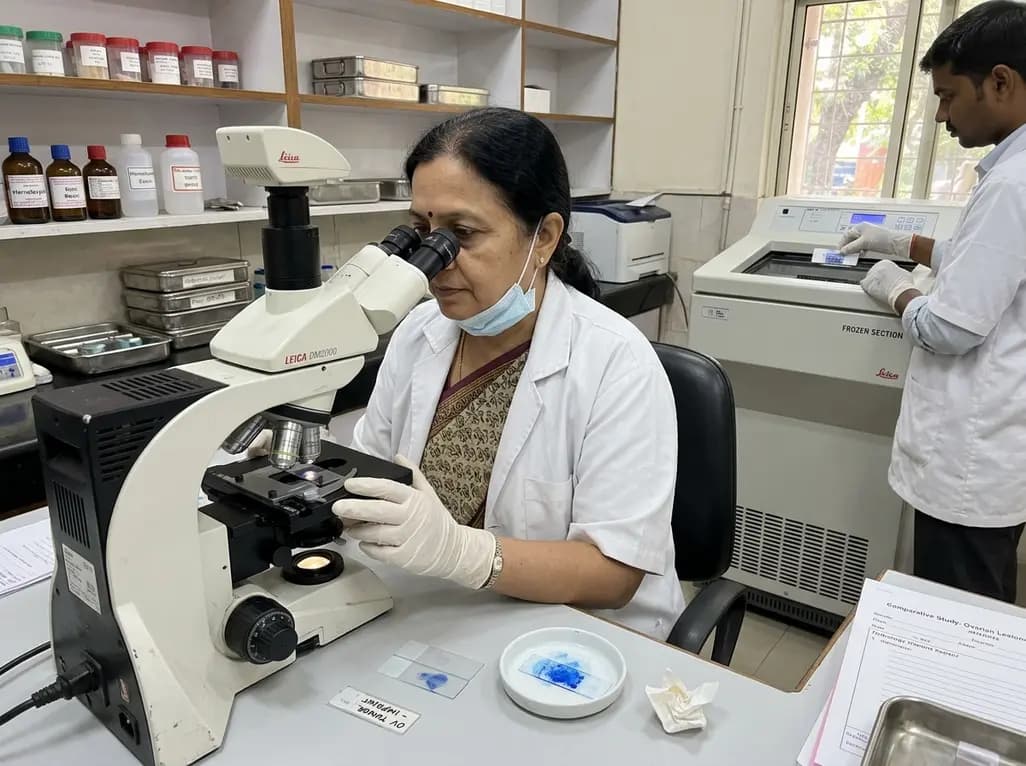
A new comparative study demonstrates that intraoperative imprint cytology achieves 96.6% diagnostic accuracy in ovarian tumours, outperforming frozen section in sensitivity for borderline lesions and offering an accessible, rapid alternative for resource-constrained surgical centres.
Today
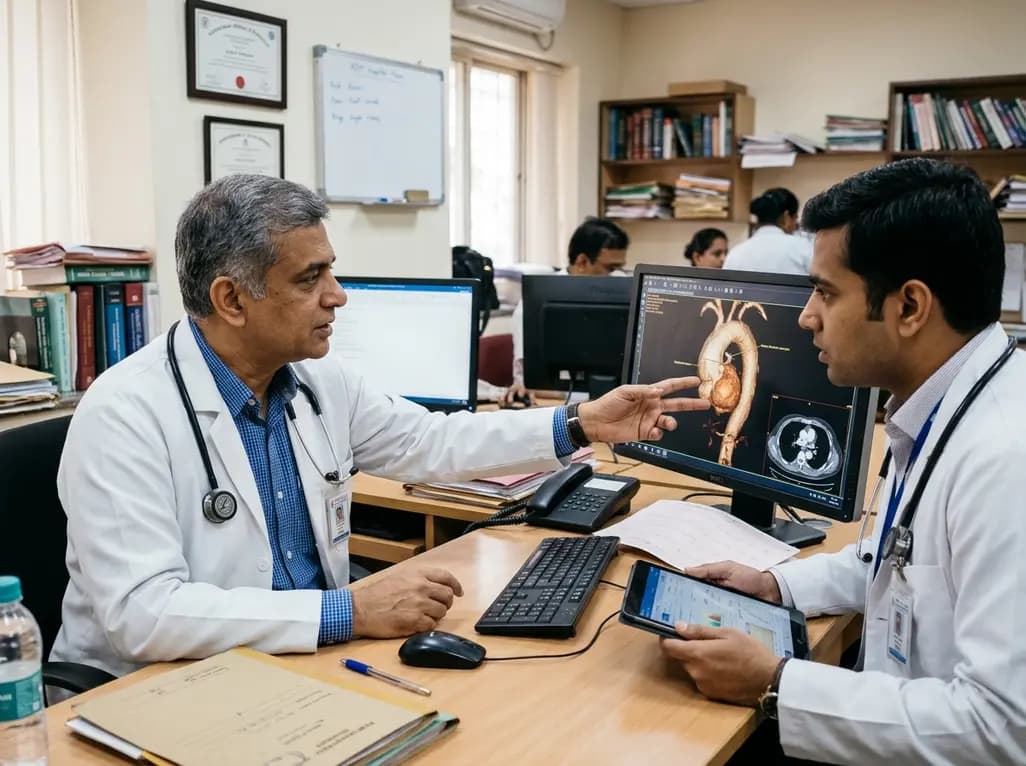
Thoracic aortic aneurysm lacks etiologic medical therapy. A new study reveals that targeting specific αV integrins with Cilengitide attenuates TGF-β and mechanotransduction pathways, effectively limiting pro-fibrotic remodeling and aortic bulb dilation in both syndromic and sporadic disease models.
Today
Discover how microstructural optimization of strontium zinc phosphate coatings enhances titanium implant bioactivity, accelerating stem cell adhesion and early osseointegration in orthopedic and dental applications.
Today
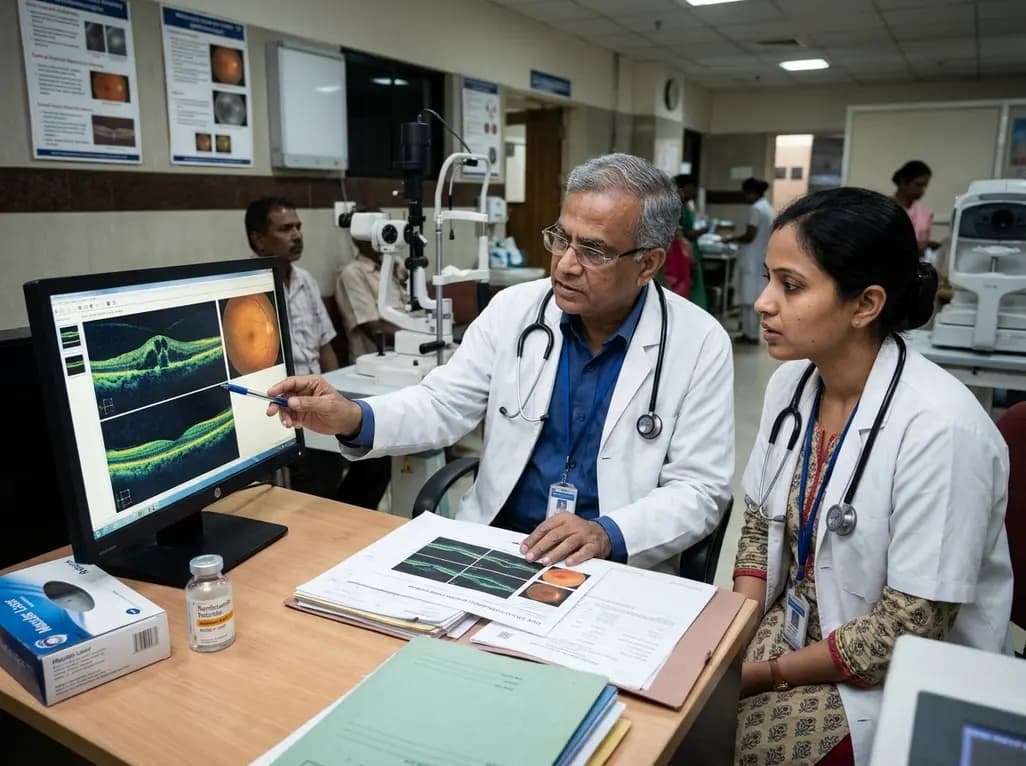
A real-world retrospective study demonstrates that combining intravitreal ranibizumab with focal/grid macular laser significantly improves visual acuity and central macular thickness compared to laser monotherapy in patients with center-involved diabetic macular edema.
Today
