.webp&w=384&q=75)

Loading, please wait...
Loading, please wait...
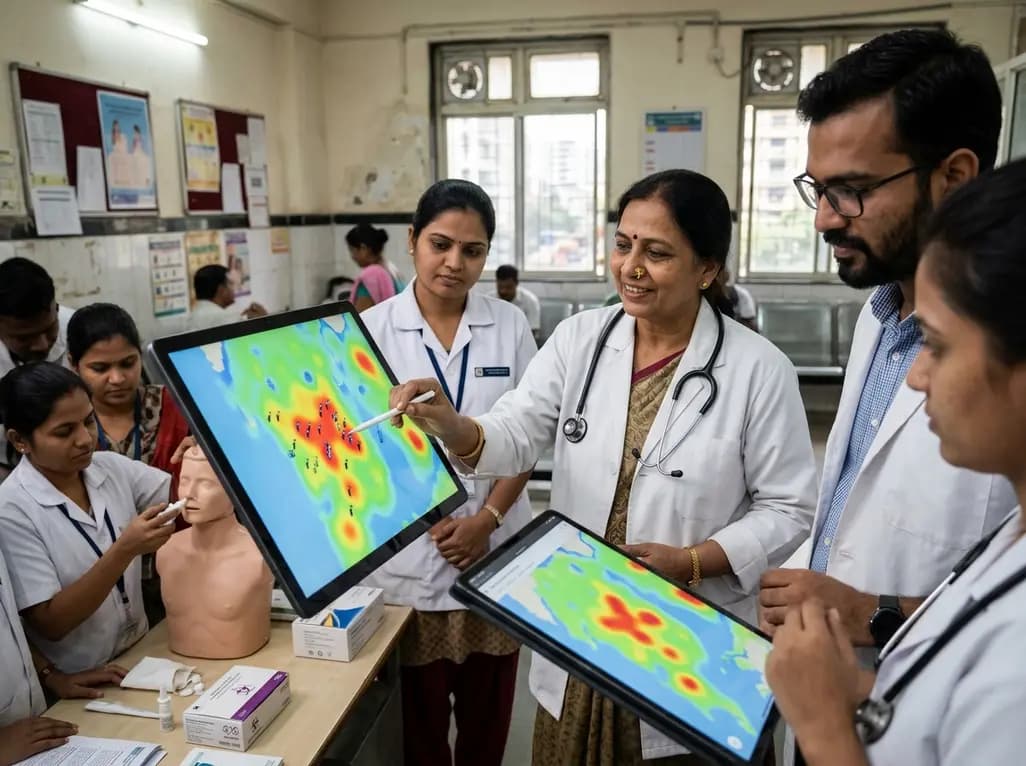
The global opioid crisis requires innovative harm reduction strategies to prevent overdose fatalities. Specifically, a recent geospatial study in Regina, Saskatchewan, demonstrates how community-based needle mapping can guide life-saving interventions. By identifying prevalence hotspots, health providers can deploy resources precisely where they are needed most. Consequently, this targeted approach improves service accessibility and empowers community members with vital naloxone training.
The initiative utilized a digital platform to report discarded needles. After gathering this data, researchers used ArcGIS to map clusters and establish "pop-up" naloxone training sites. As a result, the study found that 70% of participants could access these sessions within a 15-minute walk. This mobile model effectively bypasses traditional barriers to care, such as transportation costs and housing instability. Moreover, the analysis revealed specific gaps in suburban areas. Therefore, future programs can prioritize these underserved regions for mobile outreach.
In addition to improved access, the training sessions yielded significant knowledge gains. For instance, participants demonstrated high proficiency in recognizing overdose symptoms. They also learned to administer naloxone correctly. Because of these successes, findings indicate that localized education is highly effective. Furthermore, the integration of seasonal data helped clinicians adjust their outreach to match changing drug use patterns throughout the year.
Similarly, for healthcare providers in India, these findings offer a blueprint for managing local substance use challenges. Using geospatial tools to map high-risk areas could optimize the placement of Opioid Substitution Therapy (OST) centers and naloxone distribution points. Ultimately, data-driven outreach ensures that interventions are both timely and geographically relevant for at-risk populations.
Geospatial mapping identifies hotspots of drug activity or needle prevalence. This allows public health officials to place naloxone kits and training sites in locations that people can easily reach on foot, increasing the speed of emergency response.
Yes, research shows that pop-up clinics significantly increase accessibility for vulnerable populations. These sites reach individuals who may not visit traditional hospitals due to distance or stigma, while providing high-quality overdose education.
Disclaimer: This content is for informational and educational purposes only. It does not constitute medical advice or establish a doctor-patient relationship. Practitioners should always rely on their professional judgment and the latest local and national guidelines for clinical practice.
References
Pang N et al. Mapping needles, reducing harm: Findings from a geospatial, community-based needle collection and naloxone training initiative in Saskatchewan, Canada. Harm Reduct J. 2026 Jun 04. doi: 10.1186/s12954-026-01477-z. PMID: 42243810.
Indian Psychiatric Society. Clinical Practice Guidelines for the Assessment and Management of Substance Use Disorders. 2024.
National AIDS Control Organisation (NACO). Practice Guidelines for Opioid Substitution Therapy in India. 2023.

Read summarized clinical updates, watch expert medical content, and earn CME certifications right from your smartphone.
Open your smartphone camera to scan and install.





Study shows geospatial needle mapping improves naloxone training accessibility by 70%, offering a model for targeted public health interventions....
4 months ago

Review how tailored exercise programs benefit frail older patients with heart failure. Explore pathophysiological mechanisms, individualized training prescriptions, and strategies to overcome adherence barriers in clinical practice.
Today

Leucine Rich Bio has introduced South Asia's first comprehensive vaginal microbiome test, BugSpeaks. By profiling microbial dysbiosis, pathogens, and antimicrobial resistance, this next-generation diagnostic platform provides clinicians with deeper insights into recurrent infections, fertility, and reproductive health.
Today

In high-risk pulmonary embolism complicated by severe anemia and active uterine bleeding, systemic thrombolysis is contraindicated. Large-bore aspiration thrombectomy provides rapid hemodynamic rescue without fibrinolysis, supported by inferior vena cava filter placement and multidisciplinary critical care.
Today

This comparative study evaluates posterior labral tears with and without glenohumeral instability, highlighting distinct demographic patterns, MRI underestimation in stable shoulders, and successful arthroscopic repair outcomes.
Today

A clinical study demonstrates that early intervention with tocilizumab, either as monotherapy or bridged with corticosteroids, achieves significant proptosis reduction and resolves active inflammation in treatment-naive thyroid eye disease.
Today
