.webp&w=384&q=75)

Loading, please wait...
Loading, please wait...

The main concern involves the potential for genetic enhancement to undermine human dignity, create social inequality, and treat human beings as products rather than individuals with inherent worth.
Confucianism sees dignity as both an inherent universal trait and a cultivated personal virtue. It warns against technologies that replace the effort of moral self-improvement or treat the human body as a mere tool for design.
Yes, the Indian Council of Medical Research (ICMR) guidelines strictly prohibit germline gene editing and eugenic engineering for non-medical enhancements like intelligence or physical traits.
Disclaimer: This content is for informational and educational purposes only. It does not constitute medical or legal advice. Refer to the latest local and national guidelines for clinical practice.
References
Li J et al. Ethical Examination of Genetic Enhancement from the Perspective of Confucian Human Dignity. J Med Philos. 2026 May 21. doi: undefined. PMID: 42168778.
Indian Council of Medical Research (ICMR). National Ethical Guidelines for Biomedical and Health Research Involving Human Participants. New Delhi: ICMR; 2017.
World Health Organization (WHO). Human Genome Editing: Recommendations. Geneva: WHO; 2021.

Read summarized clinical updates, watch expert medical content, and earn CME certifications right from your smartphone.
Open your smartphone camera to scan and install.





An analysis of the ethical challenges posed by genetic enhancement technology through the lens of Confucian human dignity and its dual dimensions....
5 months ago

Co-administering antiseizure medications and DOACs frequently causes pharmacokinetic interactions, subtherapeutic drug levels, and thromboembolic failures. This review highlights enzyme induction risks, unpredictable outcomes with levetiracetam, and the vital role of therapeutic drug monitoring.
Today

Demanding exhaustive hormonal profiling can inadvertently discourage clinical studies involving females. Methodological standards must align with the specific scientific question to expand, not restrict, equitable evidence for women.
Today
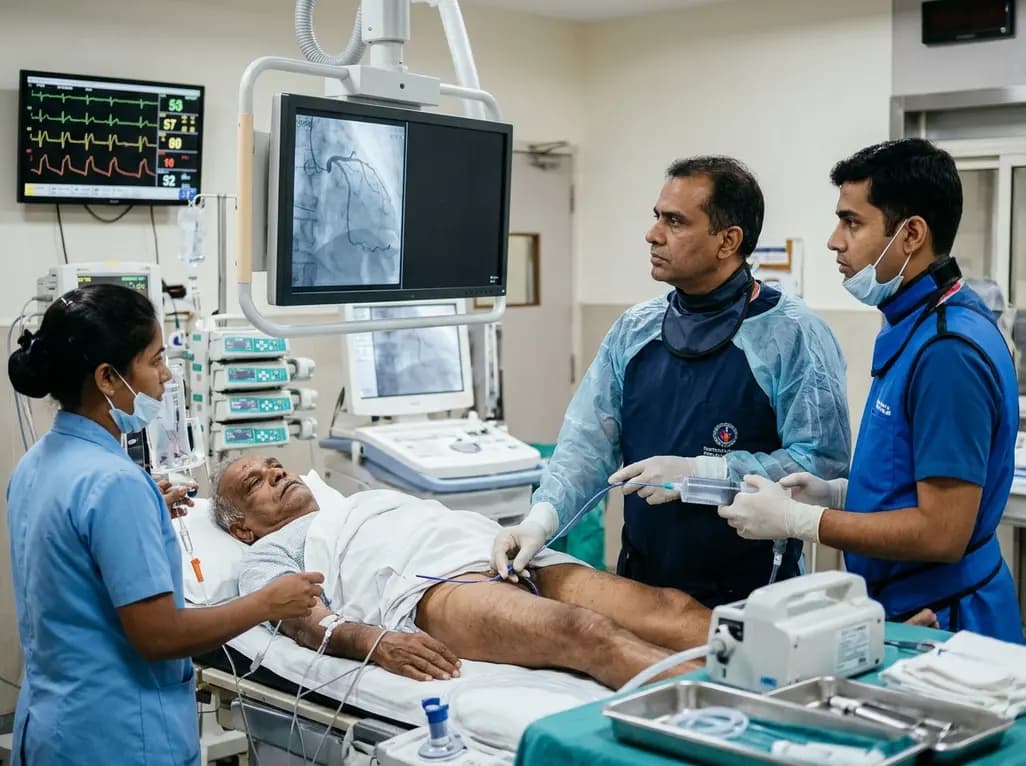
An elderly man with partially repaired Tetralogy of Fallot presented with STEMI caused by coronary embolism rather than atherosclerosis. Successful treatment with sustained mechanical aspiration thrombectomy underscores the vital need for high clinical vigilance in adult congenital heart disease.
Today
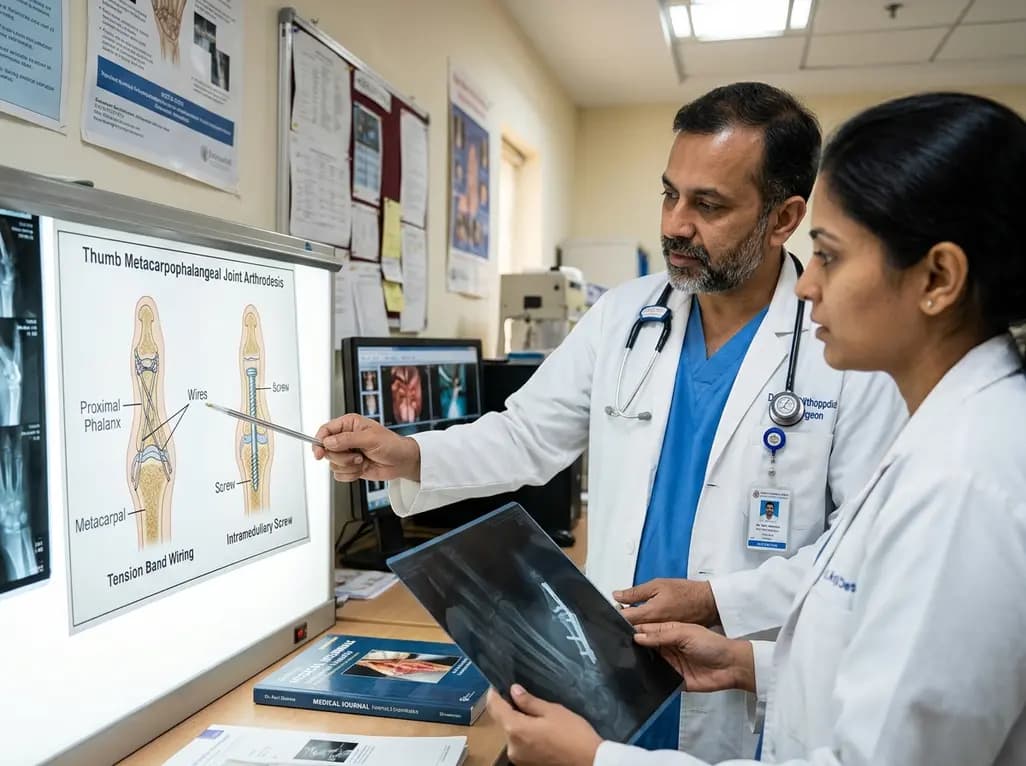
A comparative review of tension band wiring and intramedullary screw fixation in thumb metacarpophalangeal arthrodesis, evaluating union rates, hardware complications, and clinical outcomes.
Today

Following regulatory scrutiny from FSSAI regarding promotional representations and lean muscle preservation claims, Dr. Reddy's Laboratories and Nestlé Health Science are currently reviewing the branding and marketing strategy for their joint nutritional supplement Celevida GLP+.
Today
