

Loading, please wait...
Loading, please wait...

Management of high-risk non-muscle-invasive bladder cancer presents a formidable clinical challenge when initial immunotherapy fails. Historically, radical cystectomy served as the standard recommendation for patients developing BCG-unresponsive NMIBC. However, radical surgery carries substantial morbidity, lifestyle alterations, and operative mortality. Consequently, urologists and oncologists have actively explored bladder-preserving salvage strategies. Over the past decade, intravesical gemcitabine and docetaxel emerged as a widely adopted off-label combination. Meanwhile, regulatory authorities granted approval to several novel interventions, including gene therapies, targeted drug-delivery devices, and systemic immune checkpoint inhibitors. A landmark reconstructed individual patient data analysis now directly evaluates these expensive new agents against sequential chemotherapy.
Historically, the United States Food and Drug Administration established valrubicin as the regulatory benchmark for salvage approvals. Consequently, several modern therapeutics gained accelerated approval based on single-arm studies comparing outcomes against historical valrubicin data. In contemporary practice, however, clinicians rarely utilize valrubicin due to its modest complete response rates and poor durability. Instead, academic and community urology centers adopted sequential intravesical gemcitabine and docetaxel as the pragmatic standard of care. This regimen demonstrated remarkable efficacy in multiple large multi-institutional retrospective series. Nevertheless, head-to-head randomized trials comparing this accessible doublet against novel commercial therapies remained absent. Therefore, clinicians frequently faced therapeutic dilemmas regarding the optimal sequencing of systemic immunotherapy, gene delivery vectors, and intravesical chemotherapy.
To overcome the lack of direct randomized comparisons, researchers implemented advanced biostatistical methods using reconstructed individual patient data. Specifically, investigators identified pivotal registration trials evaluating therapies approved for recurrent disease, including nadofaragene firadenovec, pembrolizumab, nogapendekin alfa inbakicept, TAR-200, and valrubicin. By digitizing published Kaplan-Meier curves with WebPlotDigitizer, the authors reconstructed individual patient records using the validated Guyot algorithm. Furthermore, they extracted high-quality observational cohorts receiving sequential gemcitabine and docetaxel to establish an active contemporary control. The primary analysis compared three-month complete response rates, duration of response among responders, and disease-free survival. This rigorous approach minimized traditional cross-trial reporting biases and provided standardized time-to-event curves across heterogeneous populations.
The comparative findings revealed clear distinctions among therapeutic options in patients presenting with carcinoma in situ. Notably, intravesical gemcitabine and docetaxel achieved a remarkable three-month complete response rate of 88%. The novel intravesical gemcitabine release system, TAR-200, demonstrated a comparable complete response rate of 82%. In contrast, other FDA-approved novel modalities produced significantly lower initial clearance. For example, nogapendekin alfa inbakicept combined with BCG yielded a 71% complete response rate, whereas nadofaragene firadenovec achieved 53%. Systemic pembrolizumab demonstrated a modest 41% complete response rate, and historical valrubicin lagged behind at only 21%. Therefore, sequential chemotherapy and sustained-release delivery systems showed marked superiority in tumor eradication compared to systemic checkpoint inhibition or single-agent gene therapy.
Beyond initial tumor clearance, long-term oncologic control remains the defining measure of success in bladder preservation. Importantly, among patients who attained an initial complete response, the study revealed no statistically significant differences in durability of response across any novel therapy compared to gemcitabine and docetaxel. Responders maintained disease stability at comparable rates regardless of whether they received costly novel biologics or standard doublet chemotherapy. Furthermore, in cohorts presenting with papillary-only recurrences, gemcitabine and docetaxel demonstrated significantly superior disease-free survival compared to systemic pembrolizumab. Additionally, no statistically significant survival difference emerged when comparing gemcitabine and docetaxel to nadofaragene firadenovec or TAR-200. Thus, newer agents failed to provide superior oncologic longevity over inexpensive doublet chemotherapy.
These comparative findings carry profound practical implications for clinicians practicing in resource-constrained healthcare environments, including India. Novel therapeutics like pembrolizumab, gene delivery vectors, and specialized release platforms impose extraordinary financial toxicity on patients and health systems. In contrast, gemcitabine and docetaxel utilize widely accessible, generic, and cost-effective antineoplastic agents. Furthermore, intravesical chemotherapy avoids severe immune-related systemic adverse events commonly seen with systemic checkpoint blockade. Because novel therapies do not demonstrate superior initial response rates or longer response durability, clinicians should not routinely prioritize them over gemcitabine and docetaxel. Instead, sequential intravesical chemotherapy represents the most sensible, high-value frontline salvage platform before considering radical surgery or expensive alternatives.
Sequential gemcitabine and docetaxel delivers impressive complete response rates approaching 88% in contemporary carcinoma in situ cohorts. Although evaluated primarily in large observational studies, its reproducible real-world efficacy, manageable local toxicity, and exceptional affordability have made it the de facto frontline salvage regimen across international bladder cancer centers.
The TAR-200 intravesical continuous drug-delivery system demonstrates an 82% complete response rate, closely matching the 88% observed with gemcitabine and docetaxel. However, both regimens exhibit comparable durability of response, meaning TAR-200 provides equivalent local oncologic control without demonstrating statistical superiority over the traditional doublet regimen.
Urologists must counsel surgical candidates about radical cystectomy whenever high-grade recurrence persists after secondary intravesical regimens. Delaying cystectomy during prolonged disease progression risks muscle invasion and metastatic spread. Therefore, fit patients who fail initial salvage chemotherapy should receive radical cystectomy to preserve definitive cancer-specific survival.
Disclaimer: This content is for informational and educational purposes only and should not be considered medical advice. Always consult a qualified healthcare professional regarding any medical condition or treatment. Refer to the latest local and national guidelines for clinical practice.
References

Read summarized clinical updates, watch expert medical content, and earn CME certifications right from your smartphone.
Open your smartphone camera to scan and install.





A reconstructed individual patient data analysis demonstrates that sequential intravesical gemcitabine and docetaxel matches or exceeds the oncologic efficacy of newly approved salvage agents for BCG-unresponsive NMIBC, reinforcing its role as an accessible, high-value standard of care.
Today

The $900 Temple wearable launched by Deepinder Goyal promises real-time tracking of cerebral blood flow and metabolic entropy. However, prominent clinicians warn that optical scalp sensors merely reflect superficial arterial circulation rather than intracranial hemodynamics, raising major regulatory concerns.
Today
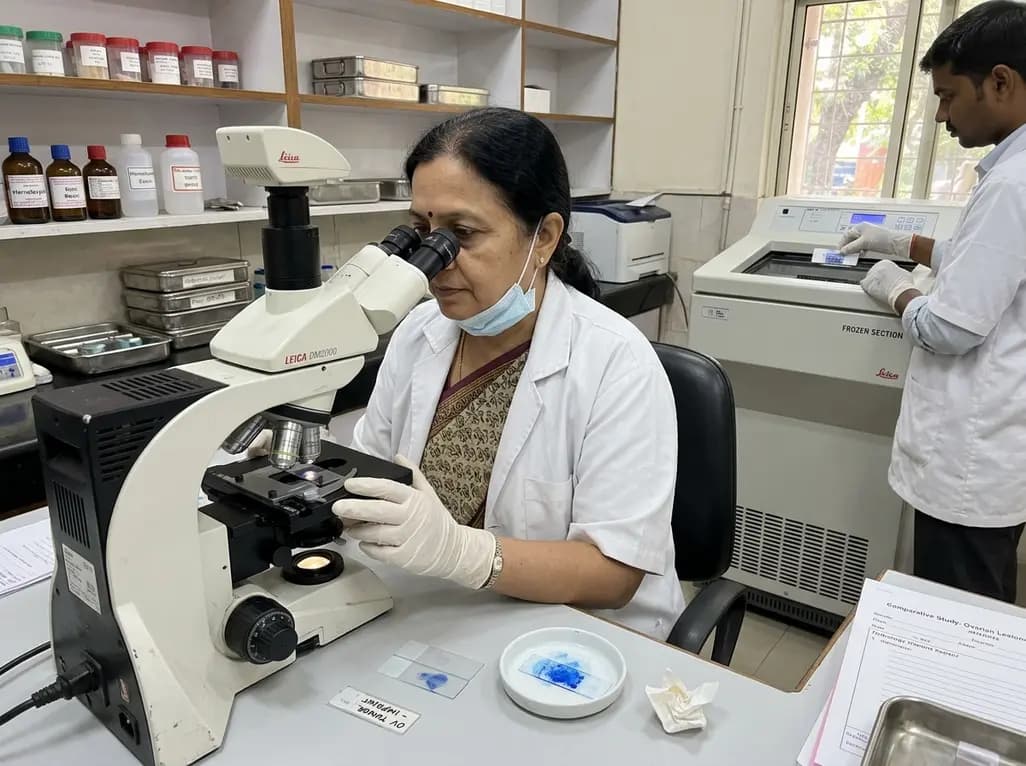
A new comparative study demonstrates that intraoperative imprint cytology achieves 96.6% diagnostic accuracy in ovarian tumours, outperforming frozen section in sensitivity for borderline lesions and offering an accessible, rapid alternative for resource-constrained surgical centres.
Today

A study reveals that extracellular vesicle-derived miR-144-5p is a highly predictive diagnostic biomarker for carotid artery plaques (AUC 0.907). Correlating with IL-1β and TNF-α, it opens new avenues for liquid biopsy-based stroke risk assessment and vascular monitoring.
Today
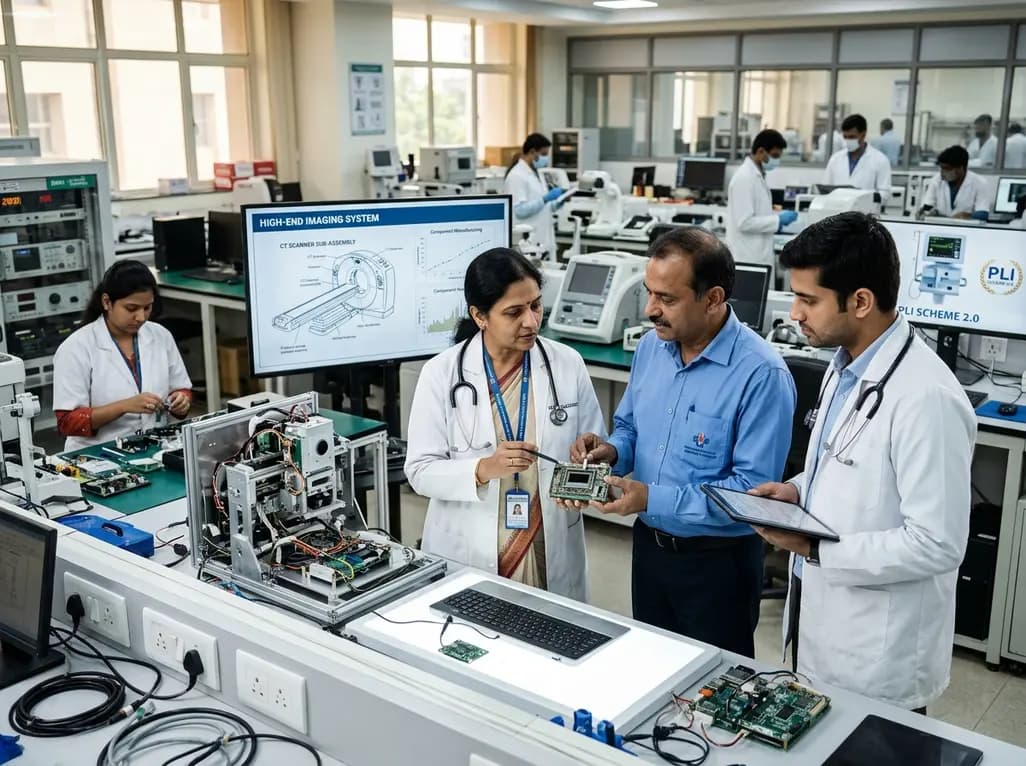
The Department of Pharmaceuticals has extended the medical devices PLI scheme to 2035-36 with a Rs 2,700 crore outlay. Featuring relaxed investment barriers and eliminated sales thresholds, the revised framework targets deep manufacturing, high-end diagnostics, critical MedTech components, and supply resilience.
Today

A systematic review evaluates psychological interventions for smoking cessation in diabetes, showing short-term success but highlighting challenges in long-term abstinence.
Yesterday
