.webp&w=384&q=75)

Loading, please wait...
Loading, please wait...

Parkinson’s disease often imposes significant mobility restrictions on elderly individuals, primarily due to debilitating postural instability and gait disturbances. While levodopa remains the gold standard for treating motor symptoms like tremors or rigidity, it frequently fails to adequately address balance deficits. Consequently, researchers are exploring non-invasive neuromodulation techniques to fill this therapeutic gap. One such promising approach is Galvanic Vestibular Stimulation, which utilizes low-level electrical currents to modulate the vestibular system. A recent study evaluated the efficacy of this intervention over a 12-week period, specifically focusing on how weekly sessions could potentially restore balance and reduce fall risks. By stimulating the mastoid bones, this technique aims to enhance the vestibulospinal reflexes that are often compromised in neurodegenerative conditions. Furthermore, the clinical community is increasingly looking for safe, cost-effective methods to improve quality of life. This article examines the protocol, results, and long-term implications of using electrical vestibular modulation for postural rehabilitation in Parkinson's patients.
The vestibular system plays a critical role in maintaining upright posture by providing the brain with information regarding head position and movement. In Parkinson's disease, the integration of these sensory signals becomes disrupted, leading to increased sway and a higher probability of falls. Galvanic Vestibular Stimulation works by activating the vestibular afferents through electrodes placed over the mastoid processes. This stimulation sends signals directly to the vestibular nuclei in the brainstem, which subsequently influence the vestibulospinal and reticulospinal tracts. These pathways are essential for correcting posture and managing the center of gravity during movement. Moreover, GVS can induce stochastic resonance, a phenomenon where low-level noise enhances the detection of weak sensory signals. By improving the signal-to-noise ratio in the vestibular system, patients may gain better awareness of their body's position in space. Additionally, this neurostimulation may promote transient neuroplasticity within the multi-sensory cortical areas responsible for balance control. Therefore, the physiological basis for GVS suggests it is a tool for functional realignment of the postural control system.
To ensure safety and efficacy, the study utilized a carefully titrated protocol for the twenty participating patients. During the initial session, the electrical current started at a low intensity of 1.0 milliamps (mA) to allow for habituation. As the weeks progressed, the intensity gradually increased to 3.5 mA by the third session, which was then maintained throughout the remainder of the 12-week course. Similarly, the duration of each session scaled up from nine minutes to eighteen minutes, eventually reaching a consistent thirty-minute stimulation period. This gradual approach is vital in clinical settings to prevent discomfort or adverse reactions such as dizziness or skin irritation. Specifically, the weekly application allowed for a balance between therapeutic intensity and patient tolerance. Clinicians monitored the participants closely during these sessions to ensure that the stimulation remained below the threshold of pain while still providing sufficient neural activation. Consequently, the study's design provides a replicable framework for other practitioners interested in incorporating vestibular stimulation into their rehabilitation programs for elderly patients.
The primary outcomes of the intervention were measured using standardized clinical assessments, including the Berg Balance Scale (BBS) and the Timed Up and Go (TUG) test. These metrics provide a comprehensive overview of a patient's functional mobility and risk of falling. At the conclusion of the 12-week stimulation period, all participants demonstrated statistically significant improvements across all parameters. For instance, TUG scores, which measure the time taken to stand, walk, and sit back down, showed a notable reduction, indicating faster and more stable gait. Likewise, the BBS scores increased, suggesting enhanced confidence and physical capability in performing daily balance tasks. Posturography data further supported these findings by showing a reduction in center-of-pressure sway on a force platform. These results indicate that Galvanic Vestibular Stimulation is a highly effective short-term tool for addressing axial symptoms that are often resistant to traditional medication. However, the success of the 12-week protocol raises questions about how these benefits can be sustained over a longer period. While the acute gains were impressive, they reflect a temporary optimization of the vestibular system rather than a permanent cure.
Despite the promising results observed during the treatment phase, the follow-up data provided a sobering reality check regarding the longevity of neuromodulation effects. Patients were followed for nine months after the cessation of the stimulation protocol to determine if the postural gains were permanent. Unfortunately, the blind analysis revealed that the improvements in BBS, TUG, and posturography scores were not sustained. By the nine-month mark, most patients had returned to their baseline levels of instability, with some even showing further progression of balance deficits. This suggests that the neuroplastic changes induced by once-weekly GVS are transient and require ongoing reinforcement to remain clinically relevant. Furthermore, the loss of benefit underscores the progressive nature of Parkinson’s disease, where the continuous loss of dopaminergic neurons eventually overcomes temporary physiological boosts. Consequently, healthcare providers must consider the need for maintenance sessions or home-based stimulation devices to provide continuous support. Without a long-term strategy, the short-term successes of GVS may provide only a fleeting window of improved mobility. Therefore, future research must focus on determining the optimal frequency of maintenance therapy.
Integrating GVS into the standard care for Parkinson's disease in India presents both opportunities and logistical challenges. Given that this technology is relatively simple and safe, it could potentially be deployed in outpatient clinics and geriatric centers across the country. Moreover, the low cost of the equipment compared to deep brain stimulation or advanced robotic therapy makes it an attractive option for a wider demographic. However, the requirement for consistent application means that patients and caregivers must be committed to a rigorous schedule. Additionally, more large-scale trials are needed to standardize protocols for different stages of the disease. Practitioners should also explore the possibility of combining GVS with traditional physical therapy and vestibular exercises to see if synergistic effects can enhance sustainability. Specifically, the integration of sensory stimulation with motor training might yield more robust and lasting neural adaptations. As our understanding of vestibular neuromodulation grows, it may become a cornerstone of comprehensive rehabilitation. Ultimately, providing elderly patients with a safe way to maintain their independence is a vital goal for modern geriatric medicine. Thus, GVS remains a valuable, albeit temporary, intervention that warrants further refinement and clinical adoption.
Galvanic Vestibular Stimulation improves balance by delivering low-intensity electrical currents to the vestibular system via the mastoid bones. This process activates the vestibulospinal tract, which is responsible for maintaining upright posture and coordinating balance reflexes. Additionally, it may enhance the brain's ability to process sensory information through a mechanism called stochastic resonance. By stabilizing the neural signals related to spatial orientation, the therapy helps patients reduce sway and improves their functional mobility during daily activities.
Yes, the clinical protocol for Galvanic Vestibular Stimulation is considered very safe for elderly patients with Parkinson's disease. The study utilized a gradual titration of current, starting at 1.0 mA and increasing up to 3.5 mA, which ensures that the treatment remains comfortable and non-invasive. No serious adverse events were reported in the study group, and the stimulation does not require any surgical intervention. It is a simple, low-risk strategy that can be easily integrated into a clinical rehabilitation setting for older adults.
The benefits of Galvanic Vestibular Stimulation often disappear after treatment cessation because the therapy induces transient neuroplasticity rather than permanent structural changes. Since Parkinson's is a progressive neurodegenerative condition, the underlying pathology continues to affect the central nervous system over time. Without the ongoing sensory boost provided by the electrical stimulation, the vestibular system eventually reverts to its previous dysfunctional state. Therefore, maintaining long-term postural stability likely requires a continuous or long-term maintenance protocol rather than a single short-term course.
Disclaimer: This content is for informational and educational purposes only and does not constitute professional medical advice, diagnosis, or treatment. Always seek the advice of your physician or other qualified health provider with any questions you may have regarding a medical condition. Refer to the latest local and national guidelines for clinical practice.
References
Silva TR et al. Neuromodulation in the rehabilitation of body balance in elderly people with Parkinson's disease. Neurophysiol Clin. 2026 Jul 17. doi: undefined. PMID: 42468058.
Pires APBA, Labanca L, Christo PP, Tavares MC, Barroso JC, Diniz ML, Gonçalves DU. Galvanic vestibular stimulation to rehabilitate postural instability in Parkinson's disease. Arq Neuropsiquiatr. 2025;83(1):e1806812.
Samoudi G, Nissbrandt H, Dutia MB, Bergquist F. The effect of galvanic vestibular stimulation on postural balance in Parkinson's disease: A systematic review and meta-analysis. J Neurol Sci. 2022;442:120414.

Read summarized clinical updates, watch expert medical content, and earn CME certifications right from your smartphone.
Open your smartphone camera to scan and install.





This study evaluates Galvanic Vestibular Stimulation (GVS) for balance in Parkinson's patients. While 12 weeks of therapy showed significant short-term gains in mobility, follow-up data suggests that continued stimulation may be required to sustain clinical benefits in elderly populations.
3 months ago

Co-administering antiseizure medications and DOACs frequently causes pharmacokinetic interactions, subtherapeutic drug levels, and thromboembolic failures. This review highlights enzyme induction risks, unpredictable outcomes with levetiracetam, and the vital role of therapeutic drug monitoring.
Today

Demanding exhaustive hormonal profiling can inadvertently discourage clinical studies involving females. Methodological standards must align with the specific scientific question to expand, not restrict, equitable evidence for women.
Today
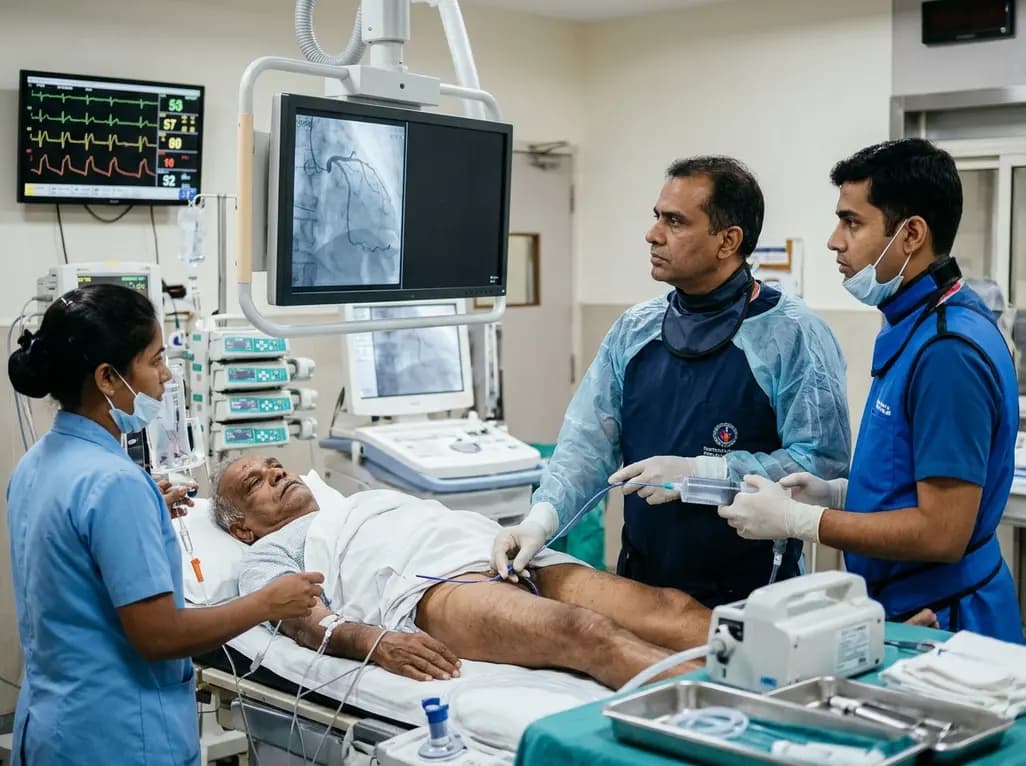
An elderly man with partially repaired Tetralogy of Fallot presented with STEMI caused by coronary embolism rather than atherosclerosis. Successful treatment with sustained mechanical aspiration thrombectomy underscores the vital need for high clinical vigilance in adult congenital heart disease.
Today
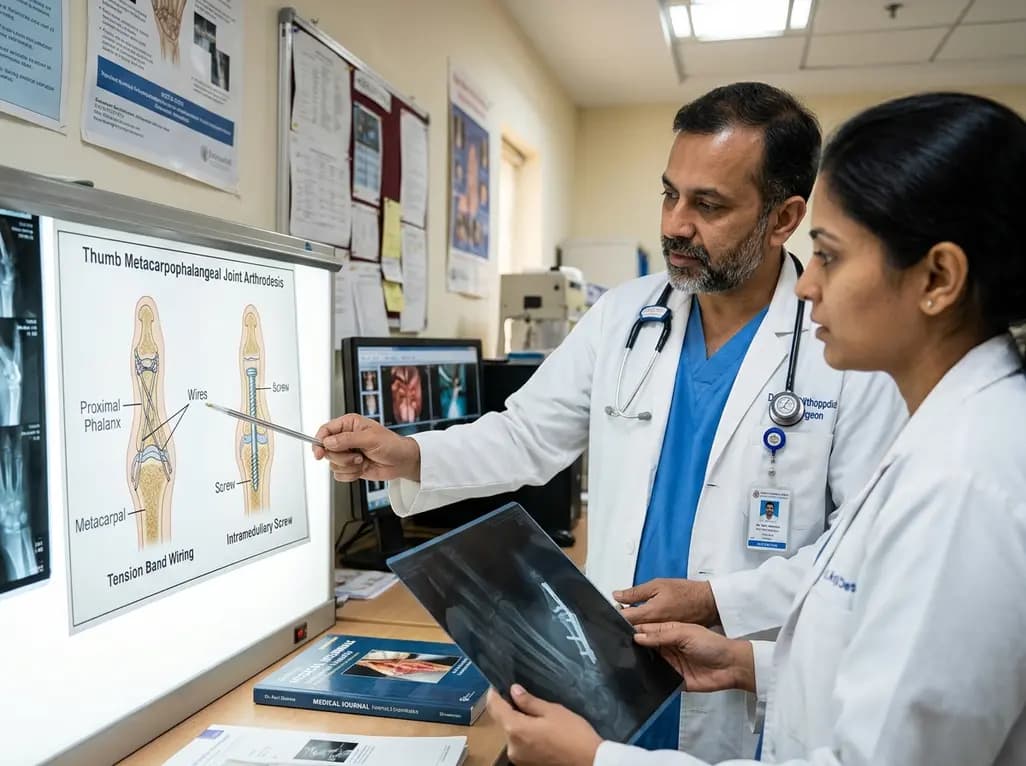
A comparative review of tension band wiring and intramedullary screw fixation in thumb metacarpophalangeal arthrodesis, evaluating union rates, hardware complications, and clinical outcomes.
Today

Following regulatory scrutiny from FSSAI regarding promotional representations and lean muscle preservation claims, Dr. Reddy's Laboratories and Nestlé Health Science are currently reviewing the branding and marketing strategy for their joint nutritional supplement Celevida GLP+.
Today
