.webp&w=384&q=75)

Loading, please wait...
Loading, please wait...

Functional neurological disorder presents a complex clinical challenge characterized by distressing neurological symptoms that lack a traditional structural origin. Clinicians frequently encounter these conditions within acute emergency settings and elective epilepsy clinics. Implementing effective functional neurological disorder treatment requires transparent diagnostic communication alongside collaboratively established care plans. When clinicians clearly explain the diagnosis, patients better understand their symptoms and participate actively in therapeutic strategies.
Recent prospective cohort research evaluated adult inpatients presenting with functional dissociative seizures and functional movement disorders. The clinical pathway emphasized structured psychoeducation, multi-component psychotherapeutic consultations, and shared decision-making. Over half of the cohort entered the hospital acutely through emergency departments, highlighting the urgent requirement for rapid, empathetic diagnostic clarity.
Clear diagnostic delivery establishes a solid foundation for patient trust. Therapeutic alliance develops rapidly when healthcare providers replace exclusionary explanations with positive diagnostic features. Consequently, patients demonstrate high initial willingness to enroll in structured rehabilitation programs. However, establishing strong initial communication represents only the first milestone in a long-term therapeutic process. Understanding how patients progress over extended follow-up periods remains essential for refining clinical protocols and optimizing holistic clinical pathways across diverse medical specialties.
Assessing therapeutic effectiveness in functional movement disorders and dissociative seizures requires robust longitudinal outcome measures. Investigators tracked patient progress over a twelve-month period following inpatient discharge. They utilized standardized instruments including the Short Form 36 to evaluate health-related quality of life and the Work and Social Adjustment Scale to measure functional impairment. To accurately capture individual clinical shifts rather than relying solely on broad averages, researchers applied the Reliable Change Index across major health domains.
Despite rigorous diagnostic delivery and collaborative treatment planning, group-level statistical analysis revealed no significant overall improvements at twelve months. Furthermore, complete follow-up data were available for approximately sixty-eight percent of enrolled participants. Among those completing the full evaluation, only thirty-two percent demonstrated reliable clinical improvement in at least one primary domain without experiencing deterioration elsewhere.
These findings underscore the substantial clinical heterogeneity inherent to functional neurological symptoms. While some individuals experience profound functional recovery, others maintain persistent symptom burden despite faithful adherence. Consequently, clinicians must recognize that structured communication alone cannot guarantee complete symptom remission. Standardized measurement tools remain vital for identifying specific patient subgroups that require specialized or prolonged therapeutic interventions.
A striking observation from recent prospective data is the divergence between high treatment engagement and limited long-term symptom recovery. Among patients completing twelve-month follow-up assessments, treatment engagement reached eighty percent. Furthermore, participants reported consistently high adherence to their individualized treatment plans. Consequently, low patient motivation or treatment refusal does not explain the modest long-term clinical outcomes observed in this clinical cohort.
This persistent disparity indicates that treatment effectiveness, rather than patient compliance, serves as the primary bottleneck in functional neurological disorder treatment. Patients willingly participate in recommended therapies, yet current standard psychotherapeutic interventions may lack sufficient intensity or specificity to reverse complex neurobiological mechanisms. Therefore, healthcare systems must avoid attributing persistent symptoms to patient non-adherence or lack of effort.
Instead, clinical teams should critically evaluate the therapeutic interventions themselves. Tailoring psychotherapeutic techniques to address specific cognitive, emotional, and sensorimotor processing mechanisms can enhance treatment efficacy. Additionally, ongoing longitudinal monitoring allows clinicians to adjust treatment modalities when patients show minimal early progress. Recognizing the gap between patient engagement and clinical response encourages the development of more potent, targeted interventions for long-term recovery.
Optimal care for functional neurological conditions demands seamless integration between neurology, psychiatry, and specialized psychotherapeutic disciplines. Historically, clinical pathways separated diagnostic neurological evaluations from subsequent psychological management. However, modern evidence strongly supports an integrated, multidisciplinary framework where neurologists and psychotherapists collaborate continuously throughout the patient's care journey.
Therapist specialization represents a vital component of successful management. General psychological therapies often fail to address the specific motor, sensory, and cognitive manifestations of functional disorders. Psychotherapists trained specifically in functional neurological mechanisms can deliver targeted cognitive behavioral strategies, motor retraining, and attention-redirecting techniques. Moreover, ongoing co-management by neurologists reinforces the validity of the original diagnosis and prevents unnecessary repeat diagnostic testing.
Establishing dedicated interdisciplinary clinics significantly improves care continuity. In these integrated settings, clinical teams discuss complex cases collaboratively, refine individualized treatment plans, and provide unified messaging to patients. Furthermore, close communication reduces patient anxiety regarding diagnostic uncertainty. By combining specialized neurological assessment with tailored psychological therapies, healthcare organizations can create robust care models that support patients through acute presentation and long-term rehabilitation.
Epilepsy services and emergency departments frequently manage acute presentations of functional dissociative seizures and motor weakness. Because acute admissions account for a substantial proportion of functional cases, emergency clinicians require clear protocols for rapid identification and empathetic diagnostic delivery. Delayed diagnosis or ambiguous communication increases patient distress, leading to frequent emergency re-attenders and inappropriate invasive interventions.
Implementing structured diagnostic communication directly within emergency and inpatient neurology units yields immediate benefits for patient engagement. When acute care teams deliver a confident, positive diagnosis, patients transition more smoothly into outpatient psychotherapeutic care. However, because long-term outcomes remain variable, acute management must connect directly with specialized outpatient services that offer long-term monitoring and adaptive treatment planning.
Furthermore, healthcare administrators should allocate dedicated resources toward interdisciplinary training for emergency physicians, neurologists, and mental health staff. Educating frontline clinicians on validated diagnostic communication strategies improves the delivery of diagnostic explanations. Ultimately, establishing structured pathways from emergency presentation through specialized long-term rehabilitation enhances patient trust, optimizes resource utilization, and establishes realistic expectations for long-term functional recovery.
Structured diagnostic communication provides patients with a clear, positive explanation of their functional symptoms without relying merely on rule-out diagnoses. By utilizing transparent psychoeducational concepts, shared decision-making, and individualized treatment planning, clinicians establish strong therapeutic trust. This empathetic communication strategy significantly enhances early patient engagement, reduces anxiety regarding underlying disease, and encourages active participation in subsequent psychotherapeutic and multidisciplinary rehabilitation programs.
High engagement and self-reported adherence demonstrate that patients actively follow prescribed care plans. However, standard psychotherapeutic interventions may lack the necessary intensity or specialized specificity required to fully modify complex underlying neurobiological and sensorimotor mechanisms. Consequently, treatment effectiveness remains the primary limiting factor in long-term recovery, emphasizing the critical need for highly specialized therapies, specialized therapist training, and ongoing individualized care adjustments.
Healthcare providers can enhance long-term recovery by integrating specialized neurological and psychotherapeutic care within dedicated multidisciplinary teams. Clinicians should utilize standardized outcome measures to monitor individual progress continuously over extended periods. Furthermore, health systems must invest in specialized therapist training, targeted cognitive-behavioral strategies, functional motor retraining, and structured outpatient follow-up to dynamically adapt treatment plans when patient response remains limited.
Disclaimer: This content is for informational and educational purposes only and does not constitute medical advice, diagnosis, or treatment. Healthcare professionals should rely on their professional clinical judgment and refer to the latest local and national guidelines for clinical practice.
References
Michaelis R et al. Treatment engagement and 12-month outcomes after diagnostic communication and individualized treatment planning in patients with functional neurological disorder. Epilepsy Behav. 2026 Aug 08. doi: undefined. PMID: 42570402.
Espay AJ et al. Current Concepts in Functional Neurological Disorder. Lancet Neurol. 2018;17(3):285-298.
Carson A, Lehn A. Functional neurological disorder: a practical guide to management. Pract Neurol. 2021;21(5):379-388.

Read summarized clinical updates, watch expert medical content, and earn CME certifications right from your smartphone.
Open your smartphone camera to scan and install.





A prospective cohort study reveals that while structured diagnostic communication fosters high initial treatment engagement in patients with functional neurological disorder, 12-month clinical outcomes remain modest, highlighting the need for specialized psychotherapeutic care.
last month
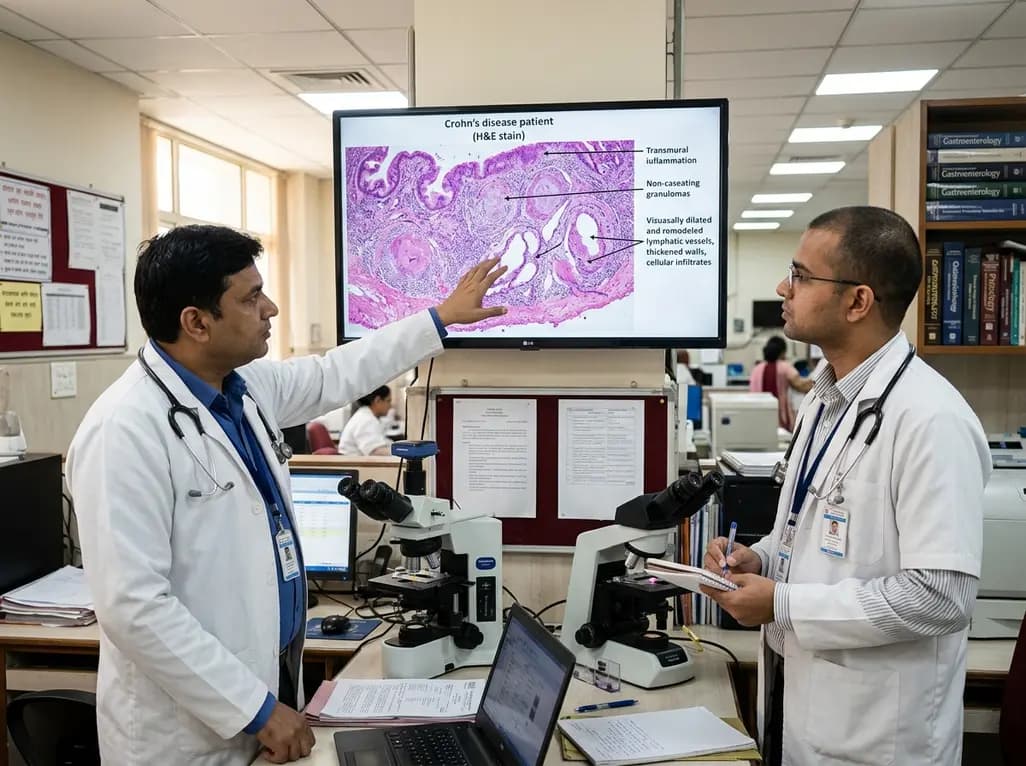
Intestinal lymphatic dysfunction is re-emerging as a fundamental driver of Crohn's disease pathogenesis. Explore how structural remodeling, lymphangitis, and defective clearance shape transmural inflammation and offer novel therapeutic targets.
Today

A school-based intervention using the Health Action Process Approach (HAPA) significantly enhanced adolescents' perceived benefits of consulting healthcare providers and promoted proactive menstrual health behaviors, offering key clinical insights for managing adolescent dysmenorrhea and endometriosis.
Today

A comprehensive analysis of the Translational Maturity Framework for nanomedicine-device combination products, evaluating regulatory complexity, manufacturing hurdles, and clinical readiness across oncology, cardiology, and orthopedics.
Today

A cross-sectional study reveals that sarcopenic obesity independently increases functional impairment and severe disc degeneration in patients with degenerative lumbar spinal stenosis, highlighting the need for body composition assessment.
Today

A landmark dose-response meta-analysis of 8.8 million adults reveals that high ultra-processed food intake significantly elevates risks for cardiovascular disease, cancer, diabetes, depression, and all-cause mortality, highlighting urgent needs for clinical lifestyle interventions.
Today
