.webp&w=384&q=75)

Loading, please wait...
Loading, please wait...

Managing blood sugar is vital. However, many patients overlook how chronic high glucose levels damage connective tissues. Consequently, healthcare providers are seeing a rise in cases of frozen shoulder diabetes complications. Indeed, musculoskeletal issues often serve as the very first warning sign of poorly controlled metabolic dysfunction.
To understand this link, we must look at how chronic hyperglycaemia affects tissues. Specifically, excess glucose leads to the accumulation of advanced glycation end products (AGEs). These harmful compounds accumulate in the tendons and shoulder capsule, which makes them thick and stiff. Consequently, the tendons lose their natural elasticity and become prone to degeneration. Furthermore, diabetes narrows the smallest blood vessels, which reduces the blood flow needed to maintain a healthy rotator cuff. Therefore, injured tissues heal much more slowly and less effectively in diabetic individuals.
In clinical settings, frozen shoulder affects about 10 to 30 percent of patients with diabetes. In contrast, it affects only 2 to 3 percent of the healthy population. Beyond adhesive capsulitis, patients may suffer from trigger finger, diabetic hand syndrome, and Dupuytren's contracture. Moreover, a serious condition called Charcot arthropathy can progressively destroy joints, especially in the feet and ankles. Patients may also experience accelerated osteoarthritis due to metabolic and inflammatory changes. As a result, poor glycaemic control significantly worsens the overall severity of these conditions.
Fortunately, early screening helps identify these musculoskeletal issues before they cause permanent disability. Therefore, physicians should routinely evaluate patients who present with persistent joint pain or stiffness. Management generally begins with structured physiotherapy and targeted exercise programmes. Additionally, advanced treatments like ultrasound-guided hydro-dissection or growth factor concentrate (GFC) injections can offer relief. If conservative measures fail, arthroscopic surgery remains a viable option. Ultimately, maintaining optimal blood sugar control and performing regular mobility exercises are key to preserving joint health.
Q1: Why are diabetic patients more prone to frozen shoulder?
Consistently high blood sugar promotes the accumulation of advanced glycation end products. Consequently, these compounds make the collagen fibres in tendons and the joint capsule thick and stiff, which severely limits shoulder movement.
Q2: When should a diabetic patient seek orthopaedic evaluation?
Patients should consult a doctor if shoulder pain lasts more than six weeks. Additionally, medical attention is necessary if they experience night-time discomfort, loss of joint strength, or visible redness and swelling.
Disclaimer: This content is for informational and educational purposes only. It does not constitute medical advice or replace professional judgment. Refer to the latest local and national guidelines for clinical practice.
References

Read summarized clinical updates, watch expert medical content, and earn CME certifications right from your smartphone.
Open your smartphone camera to scan and install.





Chronic hyperglycemia can severely damage tendons and joints, leading to painful conditions like adhesive capsulitis and trigger finger. Early screening and glycaemic control are essential to prevent long-term musculoskeletal disability in patients with diabetes.
4 months ago
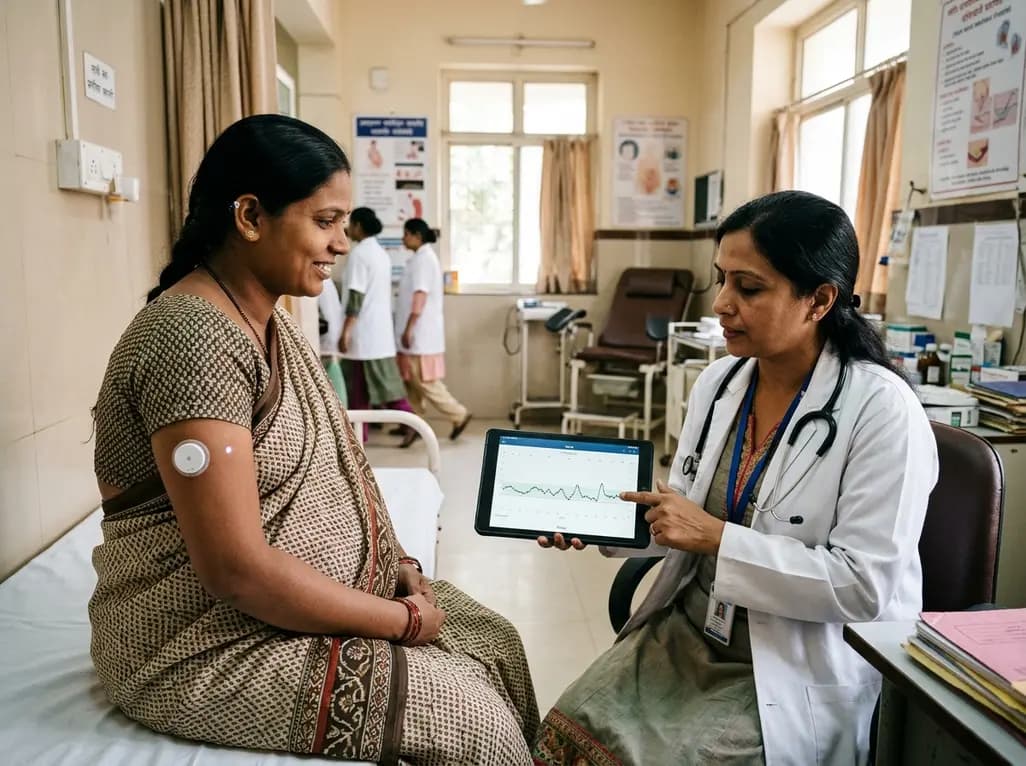
A prospective multicenter trial demonstrates that a 15-day factory-calibrated continuous glucose monitoring system provides high analytical accuracy (MARD ~7.7%) and safety in pregnant women with gestational diabetes mellitus.
Today
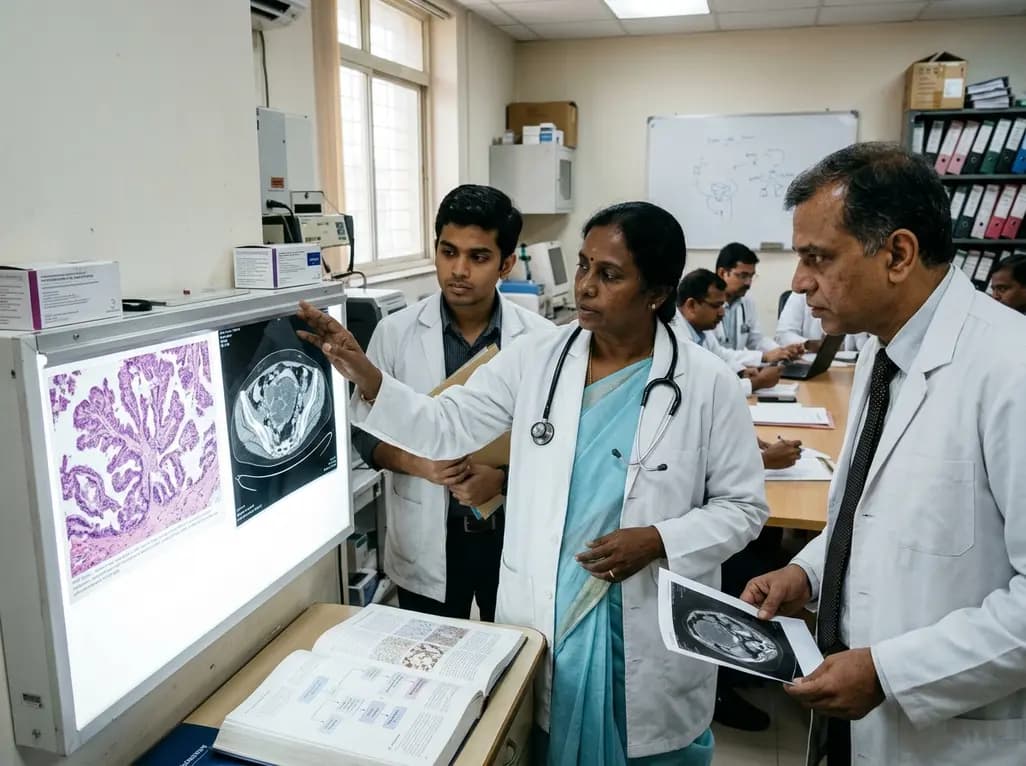
A rare presentation of cervical villoglandular adenocarcinoma metastasizing to the ovary mimicked a borderline ovarian tumor. Multimodal testing with immunohistochemistry and HPV16 DNA confirmed metastatic origin, guiding optimal surgical and chemoradiotherapy intervention.
Today
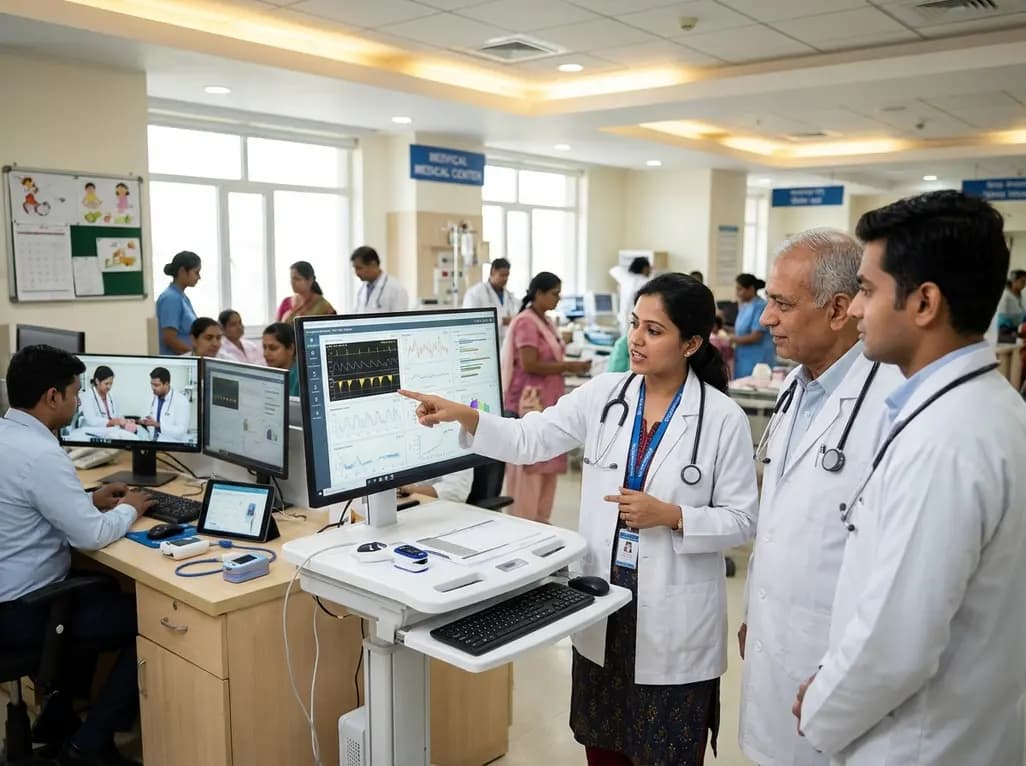
A landmark study details how an enterprise pediatric remote patient management model expanded from a single cardiology pilot to 16 diverse specialty programs by combining centralized digital operations with specialty clinical leadership.
Yesterday
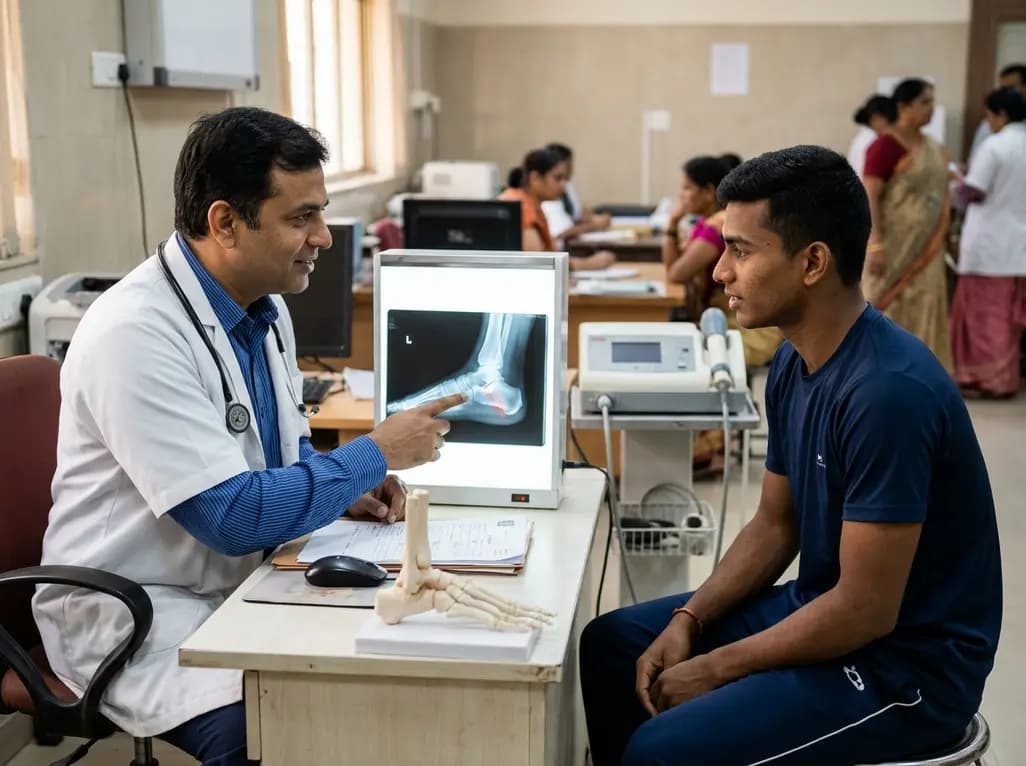
A collegiate hurdler with a 2-year neglected Degan type III anterior process calcaneus fracture achieved complete pain resolution and bony bridging using focused extracorporeal shock wave therapy, returning to competition without invasive surgery.
Today
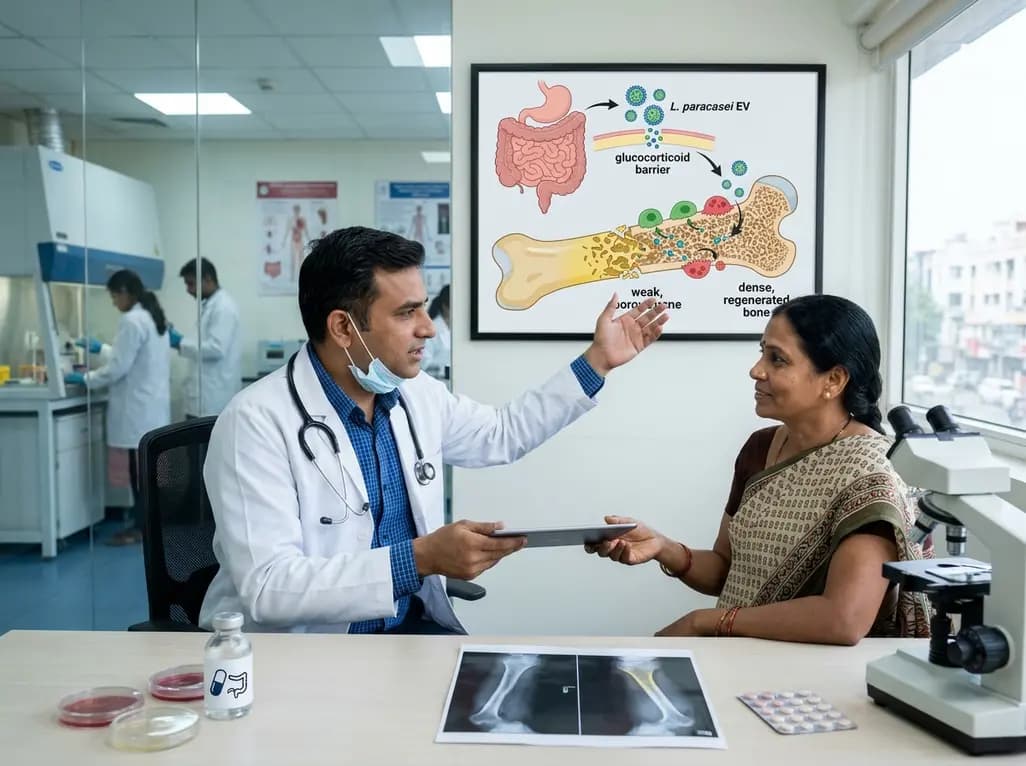
A novel oral nanoplatform using Lacticaseibacillus paracasei-derived extracellular vesicles delivers alendronate, reversing glucocorticoid-induced bone loss and restoring gut-immune-bone homeostasis.
Today
