.webp&w=384&q=75)

Loading, please wait...
Loading, please wait...
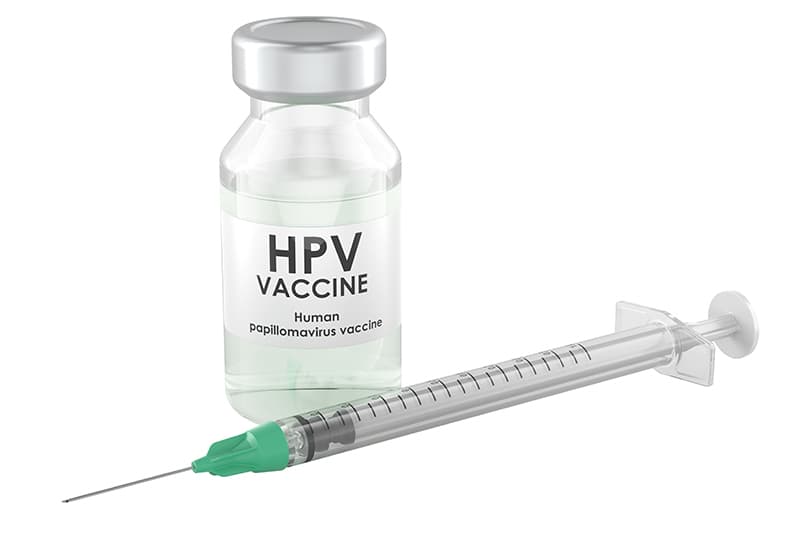
India is set to take a monumental step in public health by launching a nationwide free HPV vaccination India initiative. This program specifically targets 14-year-old girls to combat the high prevalence of cervical cancer. Consequently, the government aims to provide lifelong protection before potential exposure to the virus. Official sources indicate that this move reflects a firm resolve to convert health policy into tangible outcomes. Moreover, this effort aligns with the Swastha Nari vision to improve women\'s healthcare equity across the country.
Scientific evidence confirms that persistent infection with high-risk Human Papillomavirus (HPV) causes nearly all cervical cancer cases. Specifically, types 16 and 18 account for over 80% of the disease burden in India. The national program will utilize Gardasil, a quadrivalent vaccine. This vaccine effectively protects against types 6, 11, 16, and 18. Furthermore, the World Health Organization (WHO) and SAGE now support a single-dose schedule. Therefore, a single dose provides robust and durable protection for girls in the recommended age group. This optimization simplifies delivery while maintaining high clinical efficacy.
The government will exclusively provide these vaccinations at designated public health facilities. These include Ayushman Arogya Mandirs, Community Health Centres, and District Hospitals. Medical officers will supervise every session to ensure participant safety. Additionally, healthcare teams will monitor for rare adverse events post-vaccination. This structured approach aims to build parental confidence and ensure high coverage. Because the vaccine is non-live, it cannot cause an HPV infection. Instead, it has maintained an excellent global safety record since its introduction in 2006. India now joins over 160 countries that have integrated this life-saving tool into their national schedules.
Q1: Which age group is eligible for the free HPV vaccine in India?
The nationwide program primarily targets adolescent girls aged 14 years. This age ensures maximum preventive benefit before virus exposure.
Q2: Where can parents access the vaccination for their daughters?
Vaccinations will be available at government health facilities. These include Primary Health Centres (Ayushman Arogya Mandirs) and District Hospitals.
Q3: Is the single-dose HPV schedule scientifically validated?
Yes, the WHO and SAGE have concluded that a single-dose schedule offers comparable efficacy to multi-dose regimens for this age group.
Disclaimer: This content is for informational and educational purposes only. It does not constitute medical advice or replace professional judgment. Refer to the latest local and national guidelines for clinical practice.
References

Read summarized clinical updates, watch expert medical content, and earn CME certifications right from your smartphone.
Open your smartphone camera to scan and install.





The Indian government is launching a free nationwide HPV vaccination program for 14-year-old girls using Gardasil to eliminate cervical cancer effectively....
7 months ago

Review how tailored exercise programs benefit frail older patients with heart failure. Explore pathophysiological mechanisms, individualized training prescriptions, and strategies to overcome adherence barriers in clinical practice.
Today

Leucine Rich Bio has introduced South Asia's first comprehensive vaginal microbiome test, BugSpeaks. By profiling microbial dysbiosis, pathogens, and antimicrobial resistance, this next-generation diagnostic platform provides clinicians with deeper insights into recurrent infections, fertility, and reproductive health.
Today

In high-risk pulmonary embolism complicated by severe anemia and active uterine bleeding, systemic thrombolysis is contraindicated. Large-bore aspiration thrombectomy provides rapid hemodynamic rescue without fibrinolysis, supported by inferior vena cava filter placement and multidisciplinary critical care.
Today

This comparative study evaluates posterior labral tears with and without glenohumeral instability, highlighting distinct demographic patterns, MRI underestimation in stable shoulders, and successful arthroscopic repair outcomes.
Today

A clinical study demonstrates that early intervention with tocilizumab, either as monotherapy or bridged with corticosteroids, achieves significant proptosis reduction and resolves active inflammation in treatment-naive thyroid eye disease.
Today
