.webp&w=384&q=75)

Loading, please wait...
Loading, please wait...
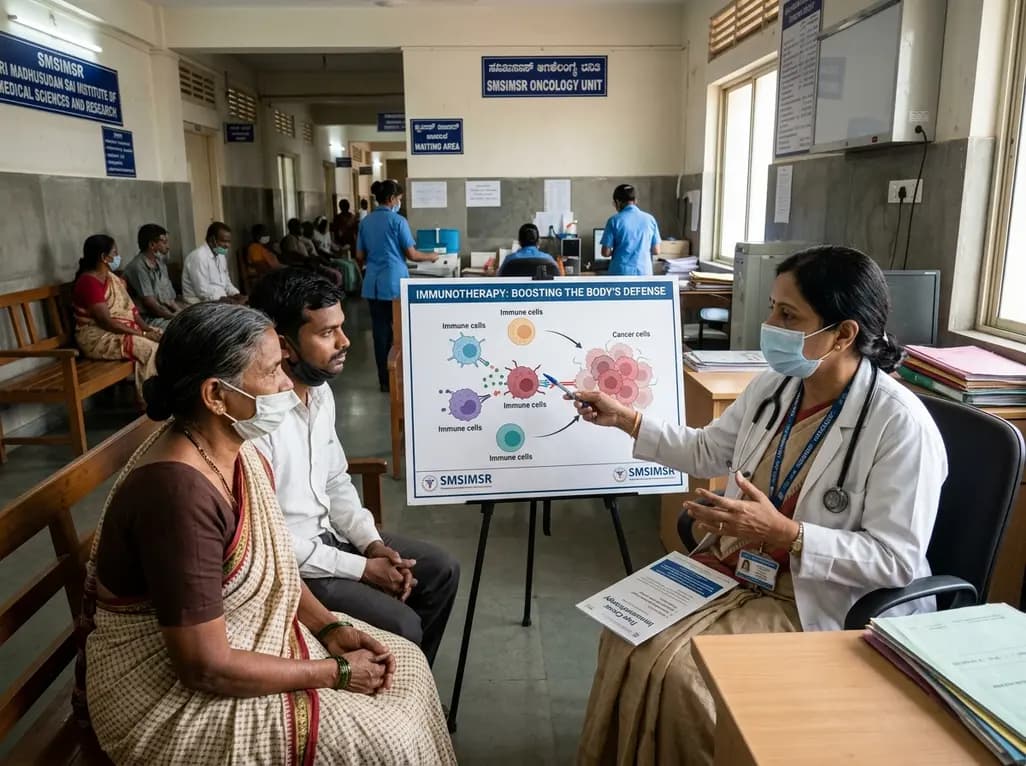
Advanced oncological therapies have altered the modern cancer management landscape, yet extreme financial costs frequently prevent widespread clinical adoption. The Sri Madhusudan Sai Institute of Medical Sciences and Research (SMSIMSR) in Karnataka has taken a bold step to bridge this equity divide. Specifically, the medical institute plans to offer comprehensive, free cancer immunotherapy to needy patients, thereby fundamentally reshaping regional healthcare access.
Immunotherapy represents one of the most significant breakthroughs in modern clinical oncology over the last two decades. The therapy utilizes monoclonal antibodies, immune checkpoint inhibitors, and cellular treatments to empower the immune system against malignancies. However, high procurement and manufacturing expenses keep these life-saving modalities out of reach for ordinary families across India. Most rural patients receive only conventional cytotoxic chemotherapy or palliative intervention due to extreme financial hardship.
SMSIMSR seeks to overturn this clinical reality by delivering these advanced biological interventions entirely free of charge. Prime Minister Narendra Modi inaugurated the academic institute in March 2023 at Muddenahalli in Chikkaballapur district. Consequently, the medical centre has steadily integrated tertiary-level treatments into its charitable clinical portfolio. The clinical team aims to provide monoclonal antibodies and targeted checkpoint inhibitors without administrative or financial gatekeeping. In addition, this initiative allows oncologists to prescribe modern biological regimens strictly according to scientific guidelines rather than economic status. Therefore, vulnerable patients who face advanced solid tumors can achieve durable remissions and meaningful survival gains. As a result, this program sets a transformative clinical precedent for equitable healthcare delivery throughout southern India.
Cancer care in India often imposes a devastating economic burden on middle-class and impoverished households alike. A standard course of immune checkpoint blockade can easily exceed several lakhs of rupees per treatment cycle. Because most Indian cancer patients lack comprehensive medical insurance, treatment abandonment remains a widespread clinical tragedy. Furthermore, families routinely sell productive agricultural land or take predatory private loans to afford basic cancer medications.
The initiative spearheaded by Sadguru Sri Madhusudan Sai addresses this systemic vulnerability at its absolute core. The medical institute currently operates 320 beds and provides all diagnostics, surgical interventions, and inpatient therapies without charging patients. Moreover, the Muddenahalli campus is preparing to inaugurate an expansive new 600-bed hospital facility in the coming weeks. This rapid scaling demonstrates an ambitious institutional commitment to dismantle the persistent rural-urban healthcare divide across Karnataka. During recent public addresses, leadership emphasized that financial poverty must never disqualify an individual from receiving optimal medical therapy. Consequently, the expansion creates an indispensable clinical safety net for complex oncology cases. In doing so, SMSIMSR proves that advanced tertiary care can flourish outside conventional commercial hospital frameworks.
Modern oncology increasingly depends on comprehensive molecular profiling to tailor systemic interventions to individual tumor biology. Accordingly, SMSIMSR has already initiated cutting-edge genomics diagnostics and research programs at its Muddenahalli medical facility. Tumor genomics allows treating oncologists to identify specific driver mutations, tumor mutational burden, and microsatellite instability. Hence, clinicians can select targeted therapeutics and predictive immuno-oncology biomarkers with far greater diagnostic accuracy.
In addition to precision oncology, the medical institute is actively pursuing novel discoveries for underserved rare diseases. Major national research entities, including the Indian Council of Medical Research (ICMR), have extended vital research grants to support these scientific endeavors. These academic collaborations empower local physicians to investigate pathophysiological disease pathways that commercial pharmaceutical enterprises frequently overlook. Similarly, the research department continues exploratory discussions with corporate biotechnology leaders to scale gene sequencing capabilities. As a result, modern genomics and immunotherapy form a unified clinical paradigm on this rural campus. This dynamic environment enables physicians to investigate disease etiology while simultaneously applying breakthrough therapeutics. Ultimately, rigorous indigenous clinical research will elevate standard treatment algorithms for diverse patient cohorts across India.
Sustaining high-cost medical oncology programs without charging patient fees demands an extraordinary institutional funding architecture. To date, the One World One Family Mission has invested more than 2,400 crore rupees across various humanitarian initiatives throughout India. Indeed, these expansive endeavors began modestly with single educational and nutritional projects before expanding into specialized multi-specialty tertiary hospitals. To construct the upcoming 600-bed facility, institutional organizers undertook significant institutional debt to ensure rapid construction timelines.
However, organizational leadership expresses profound confidence in long-term fiscal sustainability through diversified philanthropic partnerships. The mission actively invites corporate social responsibility (CSR) contributions, domestic philanthropic grants, and global non-governmental assistance. Legendary cricketer Sunil Gavaskar, who actively champions the mission's healthcare work, described this humanitarian association as his most fulfilling 'third innings.' Gavaskar highlighted that the foundation's free pediatric cardiac centers have already achieved exceptional survival rates in congenital heart surgeries. In addition, corporate leaders have publicly urged affluent citizens to commit substantial wealth toward funding rural medical care. Consequently, robust societal philanthropy shields vulnerable families from the crushing financial toxicity of long-term tertiary treatment.
For practicing oncologists and general physicians across Karnataka and neighboring regions, this development alters regional referral dynamics. Historically, clinicians hesitated to recommend immune checkpoint inhibitors to indigent patients due to severe financial constraints. Medical practitioners frequently experienced deep moral distress when realizing that an optimal evidence-based therapy remained completely unattainable for an impoverished family. Therefore, the introduction of free biological therapies at SMSIMSR provides practitioners with a life-saving clinical referral pathway.
Furthermore, the integration of academic training at the campus medical college ensures the ongoing development of skilled oncology specialists. Undergraduate medical students and postgraduate trainees gain invaluable early exposure to complex genomic sequencing and modern biological administration protocols. As a result, the institution fosters a new generation of physicians who understand how to monitor immune-related adverse events effectively. Clinicians must meticulously identify toxicities, such as immune-mediated colitis, pneumonitis, and thyroiditis, through structured multidisciplinary protocols. Similarly, the expansion of free tertiary hospital beds helps relieve overwhelming patient backlogs in state-run government cancer centers. In conclusion, SMSIMSR establishes a transformative hybrid model that merges compassionate clinical access with cutting-edge academic oncology.
Q1: How does cancer immunotherapy work compared to conventional chemotherapy?
Cancer immunotherapy harnesses the human immune system to detect and destroy malignant cells with high precision. Unlike traditional cytotoxic chemotherapy, which causes widespread cellular toxicity, immunotherapy targets specific checkpoint proteins or activates adaptive immune responses. Consequently, this targeted mechanism often yields durable remissions and reduces adverse organ damage. It represents a vital standard of care for many advanced solid tumors and hematologic malignancies globally.
Q2: Why is the provision of free cancer immunotherapy critical in India?
Conventional immunotherapy treatments in India frequently cost several lakhs of rupees per infusion cycle, placing them out of reach for most families. Therefore, by offering these modern biological drugs without cost, the institute prevents catastrophic out-of-pocket health expenditures. Furthermore, early therapeutic intervention prevents rapid tumor progression among marginalized populations who would otherwise abandon treatment. This model demonstrably narrows the deep socioeconomic survival divide in modern oncological care.
Q3: How does integrating genomics improve immunotherapy outcomes for cancer patients?
Genomics allows oncologists to sequence tumor DNA and identify unique molecular aberrations that dictate therapeutic responses. As a result, clinicians can select targeted therapies and predictive immune biomarkers with remarkable clinical precision. Integrating genomics alongside immunotherapy ensures that physicians administer costly biologics only to patients who demonstrate high likelihood of positive response. Moreover, this scientific synergy accelerates translational research into rare and difficult-to-treat regional diseases across rural populations.
Disclaimer: This content is for informational and educational purposes only. It does not constitute medical advice or replace professional judgment. Refer to the latest local and national guidelines for clinical practice.
References

Read summarized clinical updates, watch expert medical content, and earn CME certifications right from your smartphone.
Open your smartphone camera to scan and install.





SMSIMSR in Karnataka is expanding its charitable healthcare delivery by introducing free cancer immunotherapy alongside advanced genomics. The move addresses profound clinical and financial barriers for underserved oncology patients across rural and urban India.
Today
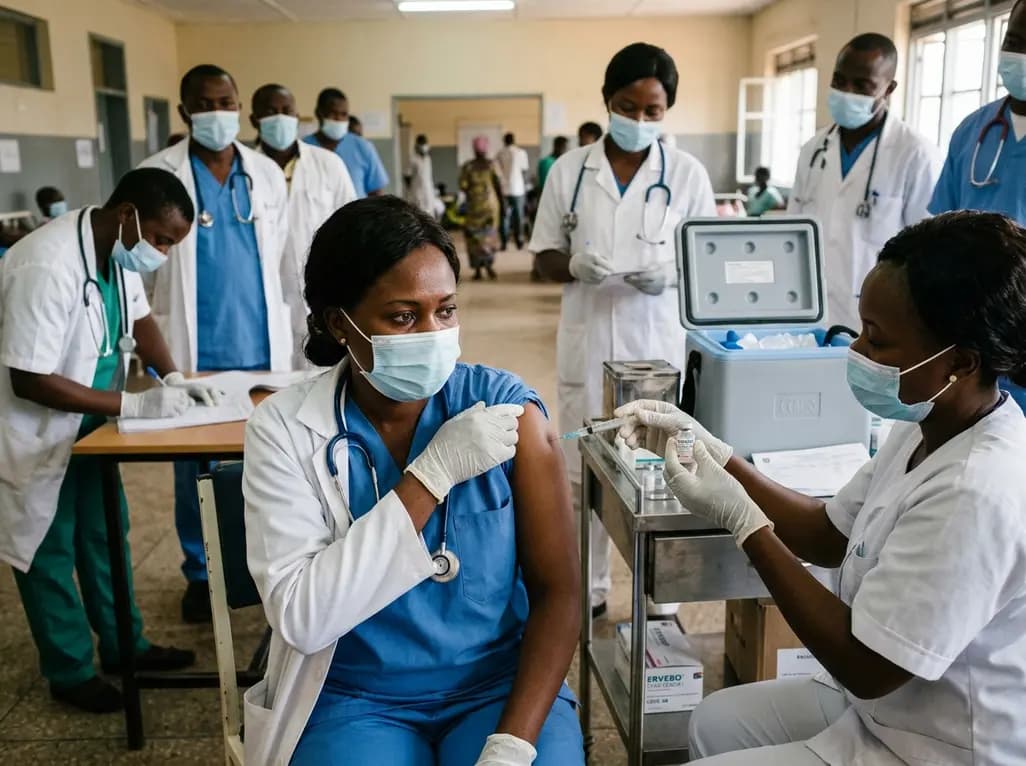
The Democratic Republic of the Congo has initiated an emergency immunisation drive for front-line health workers in Ituri province. Facing a severe Bundibugyo virus outbreak, authorities are deploying the Ervebo vaccine under compassionate use and clinical research protocols to evaluate potential cross-protection.
Today

A multi-institutional trial revealed that daily AlphaSperm supplementation induces novel epigenetic changes and regional DNA hypermethylation in sperm without improving conventional semen parameters or DNA fragmentation, urging caution regarding empirical use.
Today
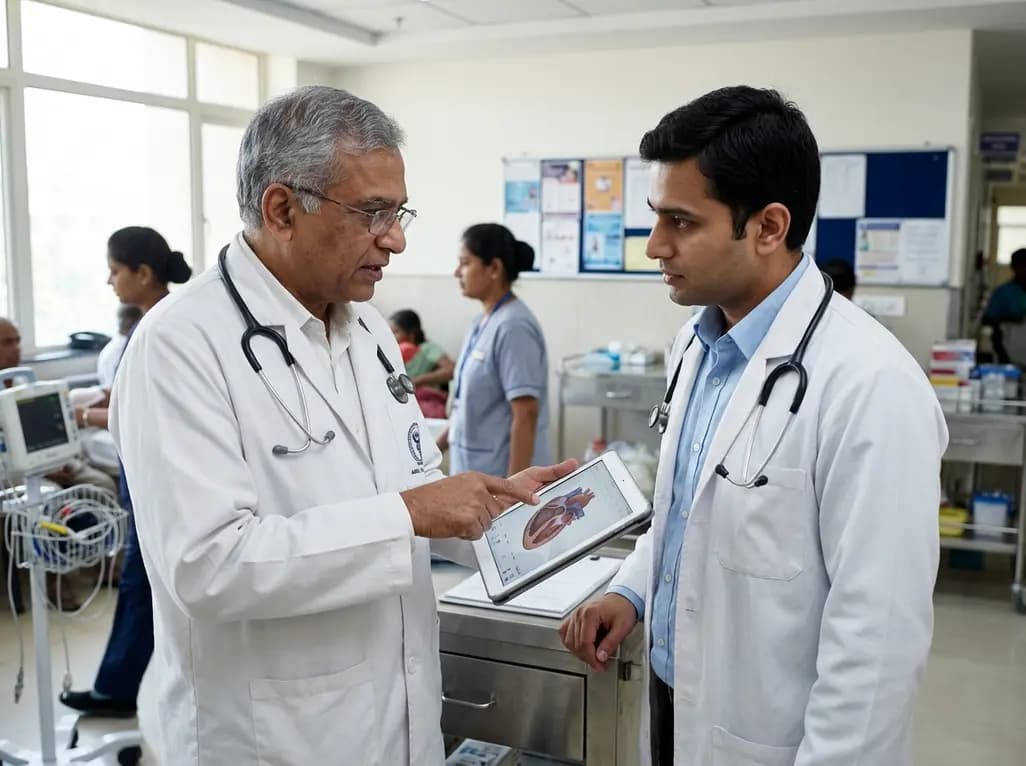
Large-scale biobank research demonstrates that low-grade systemic inflammation quietly remodels ventricular architecture years before cardiovascular symptoms appear. Learn how emerging biomarkers like GlycA and targeted anti-inflammatory pathways could reshape preventive cardiovascular screening and clinical risk evaluation.
Today
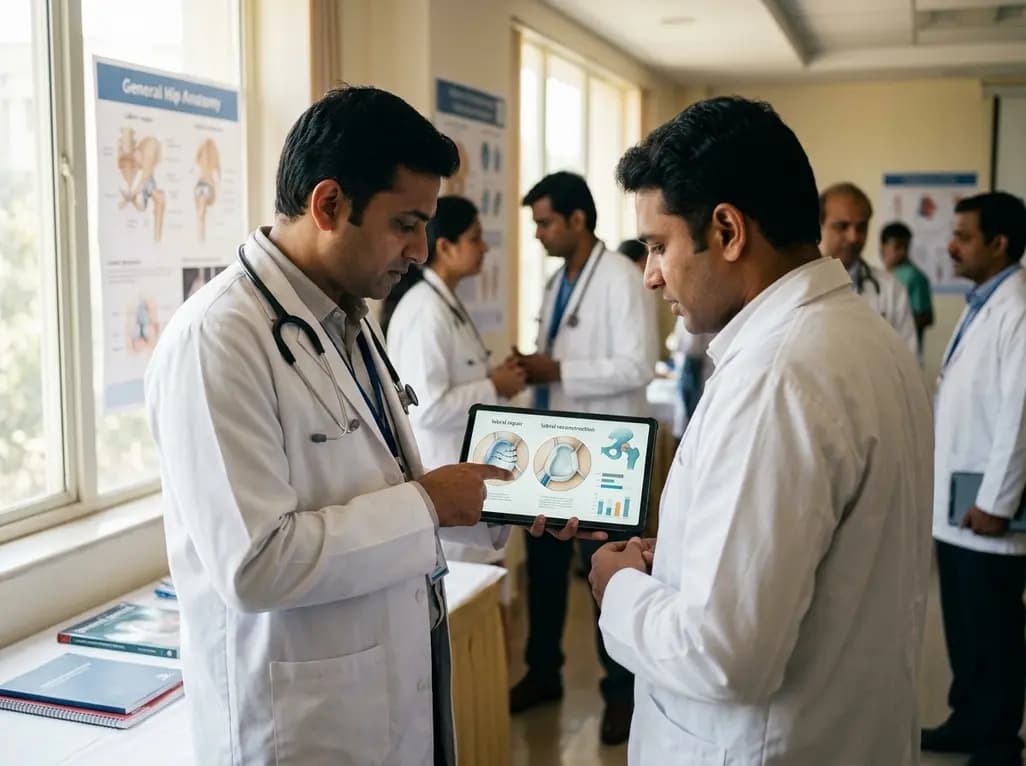
Systematic review comparing labral repair and reconstruction in primary hip arthroscopy shows comparable short- to mid-term patient-reported outcomes, with lower THA conversion after repair but superior outcomes for reconstruction in patients aged 40 and older.
Today
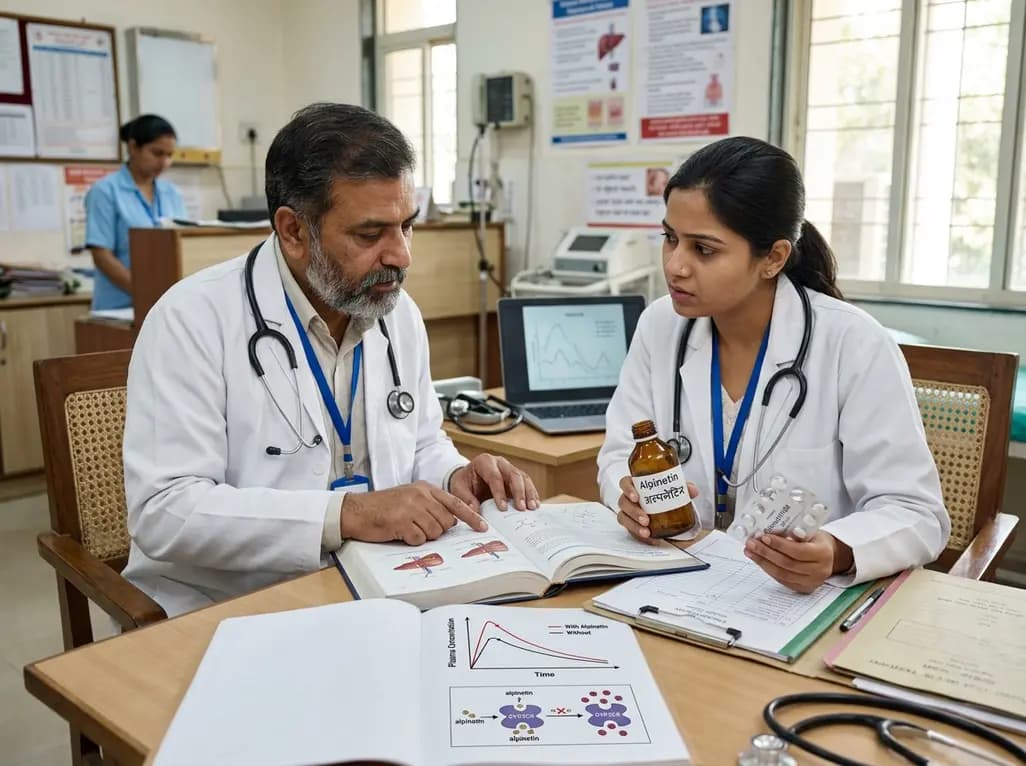
A preclinical study reveals that alpinetin significantly alters glimepiride pharmacokinetics by inhibiting CYP2C9. This drug-herb interaction enhances hypoglycemic potency and underscores critical safety concerns regarding severe hypoglycemia in diabetic management.
Today
