

Loading, please wait...
Loading, please wait...

Chronic lymphocytic leukaemia represents an indolent yet incurable hematologic malignancy where clinicians must balance disease biology and time. Recently, targeted inhibitors have transformed survival outcomes. However, they have also converted clinical decision-making into an intricate longitudinal marathon. Consequently, modern hematologic practice requires proactive CLL therapeutic stewardship rather than simple upfront agent selection. Therefore, managing patients effectively demands continuous, multidimensional assessment across disease transitions.
Historically, clinicians evaluated chronic lymphocytic leukaemia using static baseline parameters. Traditional prognostic tools, such as IGHV mutation status and TP53 deletions, predicted initial survival reasonably well. However, these static benchmarks cannot capture the dynamic realities of patients living for decades with indolent disease. The rapid expansion of targeted oral inhibitors has fundamentally altered clinical paradigms. Therefore, modern oncologists encounter complex dilemmas regarding optimal sequencing, cumulative toxicity, and emerging resistance mutations.
Instead of merely choosing an initial regimen, haematologists must now oversee an extended therapeutic journey. In this context, CLL therapeutic stewardship provides an indispensable clinical reasoning model. This strategy actively prevents the premature exhaustion of highly effective drug classes. Furthermore, it encourages clinicians to minimize avoidable treatment-related toxicity while preserving organ function. By aligning therapeutic intensity with actual biological tempo, physicians preserve critical treatment options for subsequent relapses. Additionally, this longitudinal perspective ensures that frontline clinical responses do not compromise overall survivorship. Consequently, therapeutic stewardship transforms routine cancer care into a coordinated, patient-centered continuum.
The clonal clock embodies the intrinsic pace of leukemic proliferation and genomic diversification over time. In many individuals, the malignant clone progresses very slowly with doubling times spanning years. Conversely, other patients display sudden clonal acceleration driven by acquired TP53 mutations or complex cytogenetics. Therefore, evaluating the velocity of the clonal clock helps physicians distinguish between indolent biology and urgent clinical risk.
Importantly, haematologists should not initiate therapy based solely on isolated peripheral lymphocyte counts. Instead, clinicians must evaluate the rate of change in clonal burden, marrow function, and lymphadenopathy. When clonal velocity accelerates rapidly, physicians must act promptly with potent targeted combinations to regain disease control. However, when the clonal clock ticks slowly, immediate treatment offers no survival benefit. In fact, premature therapy exposes patients to avoidable toxicities and early drug resistance. Thus, active surveillance remains the optimal approach for indolent clonal kinetics. By tracking biological tempo dynamically, physicians avoid overtreating stable disease and undertreating aggressive clonal evolution.
Chronic lymphocytic leukaemia induces progressive immune dysregulation characterized by hypogammaglobulinemia and altered T-cell immunity. Consequently, severe infections remain a leading cause of hospitalisation and mortality throughout the disease trajectory. The immune clock quantifies this evolving host defense reserve and measures the body's capacity for functional recovery. Every antineoplastic regimen leaves a distinct immunological footprint that influences future infectious vulnerability.
Furthermore, prolonged continuous therapies and repeated cytotoxic exposure steadily run down the immune clock. Continuous BTK inhibition can sustain immune vulnerability, whereas finite-duration regimens permit meaningful immune reconstitution during treatment-free intervals. Therefore, clinicians must routinely assess immunoglobulin levels, vaccine responses, and infection frequency before selecting therapies. Proactive antimicrobial prophylaxis and seasonal immunizations provide vital supportive protection. Additionally, therapeutic stewardship dictates choosing regimens that spare host immune integrity whenever feasible. In particular, preserving immune function reduces life-threatening opportunistic complications. Ultimately, supporting the immune clock allows patients to withstand treatment demands across decades of survivorship.
The therapeutic clock measures cumulative pharmacological exposure, acquired resistance mechanisms, and the conservation of future drug classes. Modern haematologists utilize covalent and non-covalent BTK inhibitors, BCL-2 antagonists, and CD20 antibodies. However, every treatment cycle advances the therapeutic clock by selecting for drug-resistant mutations. For instance, prolonged BTK inhibition commonly induces BTK C481 mutations that curtail treatment efficacy. Therefore, clinicians must sequence available therapies deliberately rather than consuming drug classes haphazardly.
Additionally, oncologists must weigh the advantages of fixed-duration protocols against continuous targeted therapies. Finite-duration combinations provide deep remissions and stop the therapeutic clock during prolonged treatment-free intervals. In contrast, continuous therapy exerts persistent selective pressure that accelerates clonal escape. Furthermore, chronic drug exposure increases long-term cardiovascular, bleeding, and metabolic toxicities. Clinicians must also consider patient organ function, which narrows subsequent pharmaceutical choices over time. Consequently, wise therapeutic stewardship protects valuable salvage regimens for future disease recurrences. Thus, physicians ensure sustained disease control across an extended clinical lifespan.
The human clock represents the most critical yet frequently neglected dimension of leukaemia stewardship. It captures patient-valued time, personal aspirations, treatment burden, and emotional tolerance for clinical uncertainty. Many individuals prioritize uninterrupted lifestyle quality and functional independence over burdensome, clinic-bound regimens. Therefore, oncologists must align therapeutic plans with patient priorities rather than fixating solely on laboratory parameters.
Furthermore, clinical power emerges when physicians evaluate discordance among the four temporal clocks. For example, a patient may exhibit an aggressive clonal clock alongside an exhausted immune clock. In such cases, administering intensive treatment risks fatal sepsis despite achieving excellent leukemic reduction. Conversely, another patient may show indolent clonal kinetics but experience immense health anxiety, requiring compassionate counseling rather than chemotherapy. Consequently, clinicians must synthesize all four clocks at every major treatment crossroad. By resolving clock discordance collaboratively, haematologists protect quality of life while delivering potent, biologically appropriate antineoplastic therapy. Ultimately, this patient-centered alignment ensures truly humane oncologic stewardship.
The four clocks represent distinct temporal domains in chronic lymphocytic leukaemia care. The clonal clock reflects leukemic evolutionary velocity and biological urgency. Meanwhile, the immune clock tracks host immunocompetence, defense reserve, and infectious vulnerability. Additionally, the therapeutic clock captures cumulative drug exposure, selective resistance, and preservation of future options. Finally, the human clock prioritizes patient values, psychological well-being, treatment burden, and lived time outside clinical environments.
Traditional prognostic models, such as the CLL-IPI, rely on static baseline genomic, cytogenetic, and clinical parameters to forecast overall survival. In contrast, the four-clock model functions as a dynamic clinical reasoning framework. It systematically evaluates longitudinal shifts across disease kinetics, immune decline, drug exhaustion, and patient preferences. Furthermore, it specifically identifies discordance between these domains, enabling clinicians to tailor treatment intensity and sequencing at each transition rather than relying on fixed baseline scores.
Clinicians apply therapeutic stewardship by strategically sequencing targeted agents to preserve future therapeutic classes. When disease resistance develops against BTK inhibitors or BCL-2 inhibitors, physicians evaluate resistance mutations alongside the patient's immune and human clocks. Instead of indiscriminately switching agents, they assess whether fixed-duration retreatment, non-covalent inhibitors, or clinical trials offer optimal disease control. Consequently, this stewardship approach minimizes cumulative toxicities, prevents premature drug class exhaustion, and protects patient quality of life.
Disclaimer: This content is for informational and educational purposes only and is not intended to provide professional medical advice, diagnosis, or treatment. Healthcare professionals should make decisions based on their clinical judgment, patient-specific circumstances, and relevant medical literature. Refer to the latest local and national guidelines for clinical practice.
References

Read summarized clinical updates, watch expert medical content, and earn CME certifications right from your smartphone.
Open your smartphone camera to scan and install.





The four-clock framework transforms chronic lymphocytic leukaemia management into an integrative model of therapeutic stewardship. By balancing clonal pace, immune reserve, therapy exposure, and patient quality of life, clinicians can make sound, individualized treatment decisions at every disease transition.
Today

Public health experts urge policymakers to review rigorous clinical evidence before scaling up double fortified salt. With only half of India's anaemia cases stemming from iron deficiency, specialists highlight structural trial limitations, dietary diversity needs, and pending data from the SAMPADA national survey.
Today
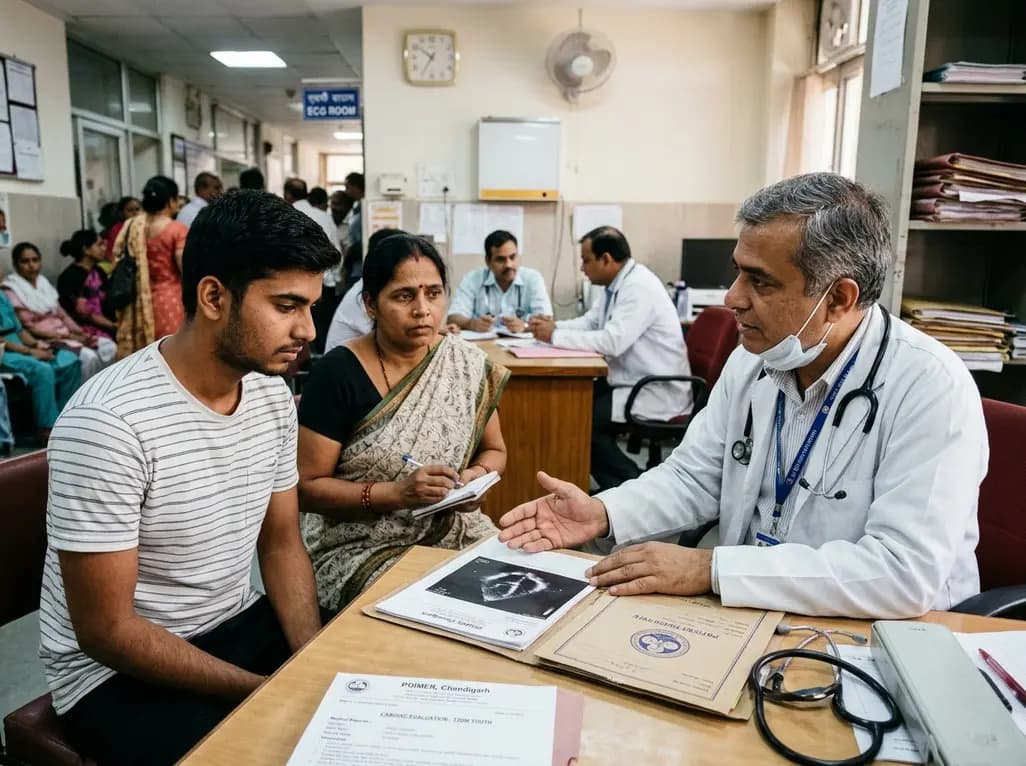
Recent data from PGIMER reveals that young adults diagnosed with type 2 diabetes face an aggressive disease trajectory. They encounter severe cardiovascular and microvascular damage within five years, occurring at higher rates than in type 1 diabetes despite lower mean blood glucose levels.
Today

A clinical overview of resveratrol supplementation in mitigating exercise-induced muscle damage. This narrative review explores physiological mechanisms, reductions in soreness markers like creatine kinase, dosage strategies, and bioavailability enhancements for sports medicine and nutrition practitioners.
Today
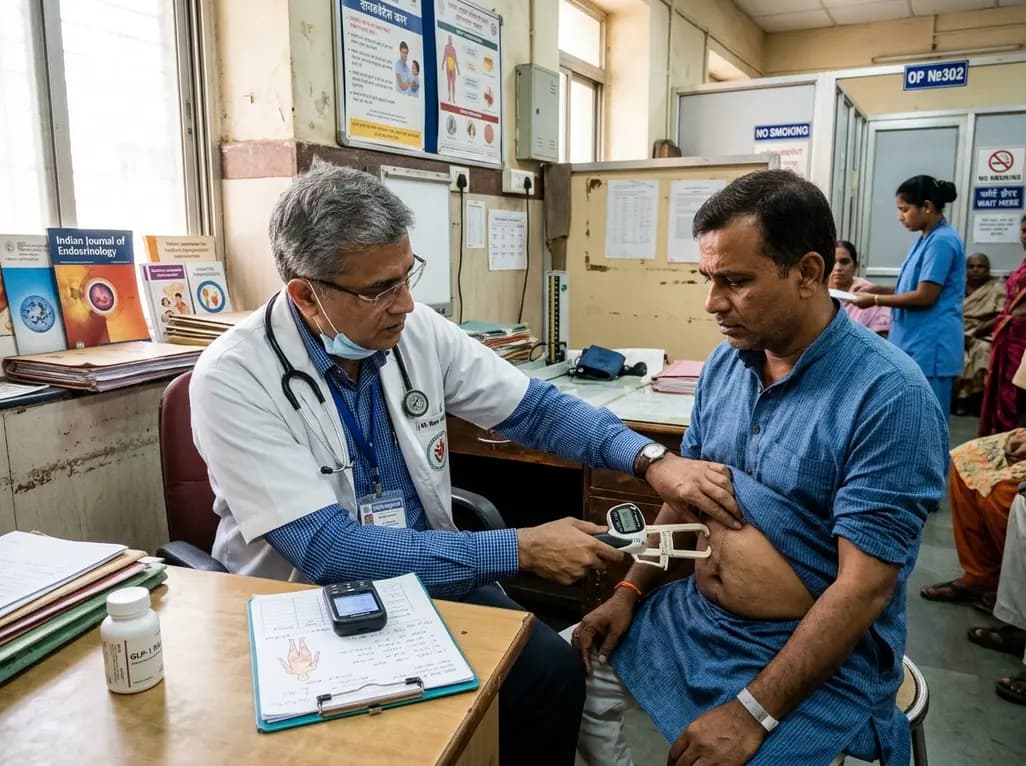
Indian patients present unique metabolic traits, including lower muscle mass and higher visceral adiposity at lower BMI levels. Endocrinologists urge moving past simple scale weight when prescribing GLP-1 receptor agonists, highlighting comprehensive nutritional assessments, muscle function, and organ protection.
Today
