

Loading, please wait...
Loading, please wait...
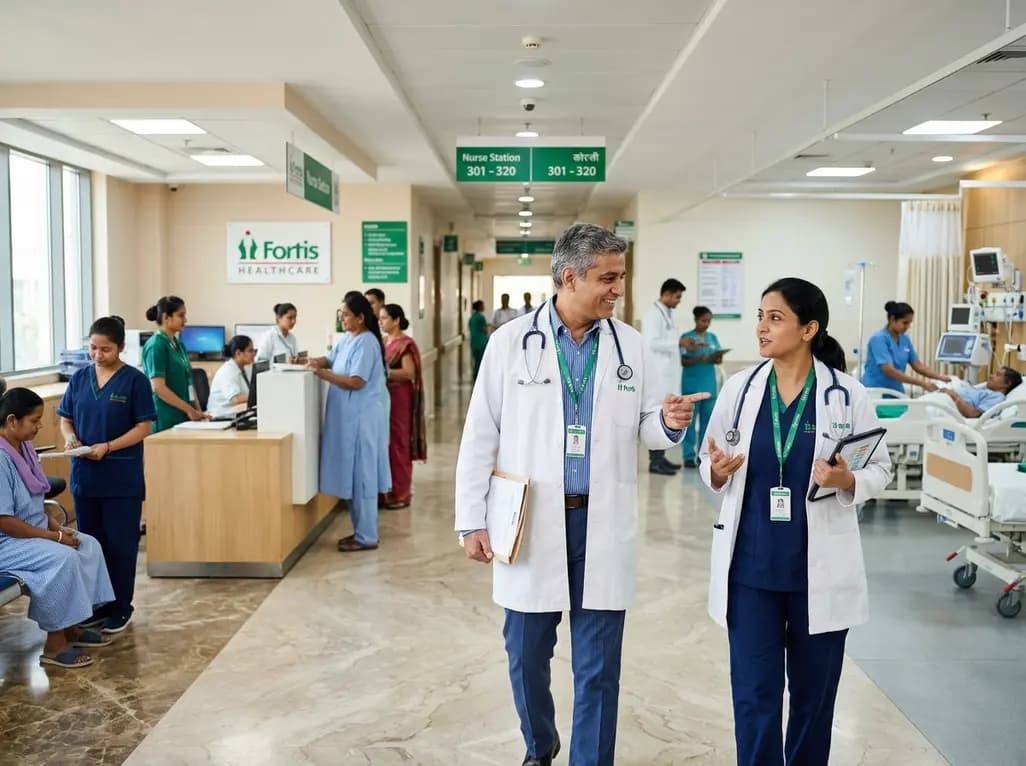
Fortis Healthcare recently announced its financial performance for the second quarter of fiscal year 2027. The latest Fortis Healthcare Q2 results highlight strong operational resilience across tertiary care and laboratory diagnostics. Consolidated revenue reached ₹2,735 crore, reflecting a notable 17.3 per cent year-on-year expansion. However, consolidated profit after tax decreased slightly by 2.5 per cent to ₹320 crore. This mild contraction stemmed from lower exceptional gains and rising operating expenditures. Meanwhile, healthcare delivery networks across India continue to adjust to surging demand for specialty medical interventions.
During the quarter ending September 30, 2026, Fortis Healthcare demonstrated robust top-line momentum across hospital operations. The hospital division generated ₹2,340 crore in revenue, marking an impressive 18.6 per cent increase year on year. Consequently, this core clinical division accounted for the vast majority of total group revenue. Profit after tax for the hospital business stood at ₹284 crore, representing a modest 1.1 per cent dip. Furthermore, the consolidated revenue for the first half of the fiscal year reached ₹5,280 crore, up 17.4 per cent. Consolidated profit after tax across this six-month duration totaled ₹593 crore, declining by only 0.4 per cent. Management emphasized that underlying clinical performance remained dependable throughout this entire period. In addition, healthy balance sheet metrics supported sustained enterprise stability. The net debt to EBITDA ratio improved notably to 0.87x compared to 0.96x recorded in the preceding year. Similarly, the net debt-to-equity ratio edged down to 0.20x from 0.23x. Therefore, the hospital group maintains substantial financial flexibility to fund continuous clinical modernizations. Moreover, disciplined cost containment measures helped protect core clinical margins against inflationary pressures. These prudent fiscal strategies provide a strong foundation for future technological and clinical investments.
Multiple operational dynamics supported the robust top-line performance observed across the enterprise network. Specifically, the Fortis Healthcare Q2 results benefited from a 7 per cent rise in average revenue per occupied bed. This vital operational metric reached ₹2.10 lakh during the quarter, advancing from ₹1.96 lakh recorded twelve months prior. In addition, overall network bed occupancy climbed slightly to 72 per cent, up from 71 per cent last year. Occupied bed counts expanded by approximately 9 per cent across core regional facilities. Consequently, higher patient footfalls combined with complex surgical procedures fueled strong revenue growth. The average length of stay edged marginally higher to 4.20 days from 4.18 days. This mild adjustment reflects sustained demand for multi-day tertiary and quaternary admissions. Furthermore, the revenue mix showed steady structural enhancement across tertiary hospitals. The business-to-consumer segment expanded its share of total revenue to 54 per cent from 52 per cent. Therefore, direct patient trust and private insurance inflows continue to strengthen institutional cash flow. Additionally, expanded specialty departments such as oncology and renal sciences demonstrated rapid volume gains. These specialized service lines contributed substantially to higher average case realizations.
To accommodate surging regional healthcare requirements, Fortis Healthcare is accelerating capacity expansion across critical metropolitan hubs. Recently, the organization acquired the 110-bedded Suguna Hospital located in Rajajinagar, Bengaluru. International Hospital Limited, a wholly owned subsidiary, concluded this transaction through an all-cash agreement valued at ₹277 crore. Moreover, the transaction encompassed complete business operations along with associated land and structural real estate. Management noted that this strategic location provides room to add another 40 operational beds. Consequently, this development will potentially elevate total facility capacity to 150 beds. The addition expands the group presence across the Bengaluru urban cluster to roughly 1,000 operational beds. In addition, Fortis entered into a definitive long-term healthcare services agreement for a super-specialty hospital in Ashok Vihar, New Delhi. This 400-plus bedded facility will develop across 3.1 acres under an arrangement with Seth Sunder Lal Jain Charitable Eye Hospital. Furthermore, phased operational launches over the coming three to four years will bolster tertiary medical access across northern Delhi. Thus, targeted geographic clustering helps optimize operational logistics and specialist clinical coverage. Simultaneously, the management team continues evaluating greenfield and brownfield prospects in Mumbai, Kolkata, and Hyderabad. These planned expansions aim to deepen clinical penetration within attractive Tier 1 and Tier 2 healthcare markets.
In addition to inpatient healthcare expansion, the diagnostics arm of Fortis Healthcare registered consistent commercial momentum. Laboratory revenue increased by 12.2 per cent year on year to reach ₹448 crore during the second quarter. Furthermore, profit after tax for the diagnostic segment surged 15.8 per cent to ₹68 crore. Operating margins improved correspondingly, reflecting disciplined expense management and broader test volumes across retail and institutional segments. Notably, modern tertiary hospitals rely heavily on rapid, high-throughput pathology and genomic sequencing to guide clinical decisions. As specialized diagnostic testing gains greater clinical prominence, integrated laboratory facilities provide indispensable support for treating complex diseases. Specialties such as medical oncology, transplant nephrology, and rheumatology benefit significantly from rapid biomarker analyses. Consequently, the diagnostic network continues expanding its comprehensive test catalog and decentralized collection touchpoints. Additionally, digital report delivery and automated laboratory workflows have improved analytical turnaround times for practicing clinicians. Management affirmed that ongoing network expansion will enhance access to quality diagnostic testing across Tier 1 and Tier 2 cities. Therefore, integrated diagnostics remains a foundational pillar supporting Fortis's broad clinical enterprise. This unified approach ensures seamless coordination between outpatient screening and inpatient medical interventions.
The operational and financial trajectory of major hospital networks carries direct relevance for Indian medical practitioners and administrators. First, higher bed occupancy rates and expanding bed reserves indicate substantial demand for specialized clinical services. As healthcare networks expand their physical infrastructure in cities like Bengaluru and Delhi, they create new opportunities for clinicians. Moreover, advanced infrastructure investments allow multidisciplinary teams to manage higher case complexity with modern equipment. Second, rising revenue per occupied bed reflects an increasing focus on quaternary interventions across major medical departments. Clinicians benefit from modernized intensive care units, advanced cath labs, and superior surgical infrastructure. Consequently, clinical outcomes improve as cutting-edge technology becomes accessible to specialist doctors. However, hospital administrators must also balance procedural costs with equitable patient access. Sustainable financial performance ensures that private institutions can reinvest in advanced life-support machinery, continuing medical education, and nursing development. Furthermore, strategic clustering enables cross-facility referrals, seamless clinical pathways, and optimized emergency coverage. Ultimately, robust healthcare networks strengthen the broader clinical ecosystem, elevating standard-of-care delivery for diverse patient populations across India. Thus, clinician alignment with institutional growth remains vital for advancing quality patient outcomes.
Q1: What were the primary financial results reported by Fortis Healthcare for Q2 FY27?
Fortis Healthcare reported consolidated operating revenue of ₹2,735 crore for the second quarter of FY27, reflecting a 17.3 per cent year-on-year increase. However, consolidated profit after tax dipped 2.5 per cent to ₹320 crore, largely due to shifts in exceptional items. Hospital revenue rose 18.6 per cent to ₹2,340 crore, while diagnostic revenue climbed 12.2 per cent to reach ₹448 crore, underscoring stable clinical momentum across segments.
Q2: How did hospital operational metrics such as bed occupancy and ARPP perform during the quarter?
Operational indicators improved across hospital facilities during the quarter. Network bed occupancy reached 72 per cent, up from 71 per cent in the prior year, while total occupied beds expanded by 9 per cent. Concurrently, the average revenue per occupied bed increased by 7 per cent to ₹2.10 lakh from ₹1.96 lakh. Average patient length of stay remained relatively stable, edging up slightly to 4.20 days.
Q3: What major infrastructure expansions did Fortis Healthcare execute to expand hospital capacity?
Fortis completed the acquisition of the 110-bed Suguna Hospital in Bengaluru for approximately ₹277 crore, increasing its regional operational footprint to nearly 1,000 beds with room for further expansion. Additionally, the network finalized a long-term healthcare services agreement for a 400-plus bedded super-specialty hospital in Ashok Vihar, New Delhi. Both strategic initiatives will substantially enhance clinical capacity across critical urban healthcare clusters over the coming years.
Disclaimer: This content is for informational and educational purposes only. It does not constitute medical advice or replace professional judgment. Refer to the latest local and national guidelines for clinical practice.
References

Read summarized clinical updates, watch expert medical content, and earn CME certifications right from your smartphone.
Open your smartphone camera to scan and install.





Fortis Healthcare posted a 17.3% rise in consolidated revenue to ₹2,735 crore for Q2 FY27, backed by higher bed occupancy and inpatient realization. Despite a slight dip in net profit, the network continues expanding capacity through strategic acquisitions in Bengaluru and New Delhi to meet rising healthcare demands.
Today
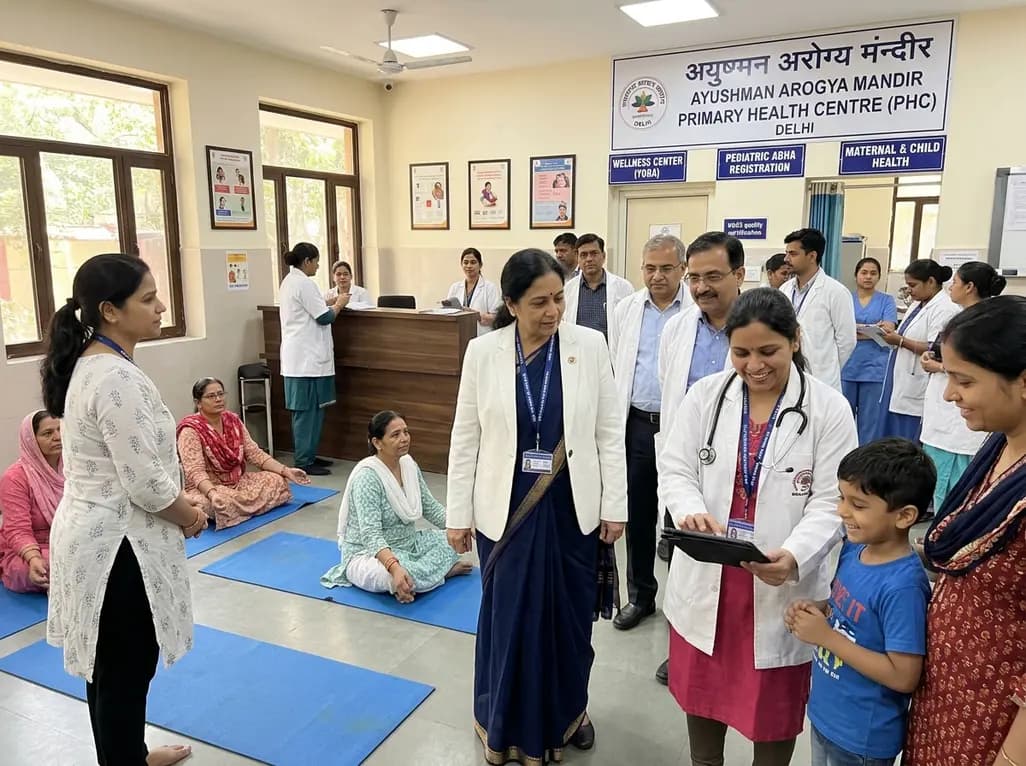
Union Health Secretary Punya Salila Srivastava recently inspected primary healthcare facilities in Delhi, mandating weekly yoga sessions, Baal ABHA digital IDs for pediatric cohorts, and NQAS quality certification for urban centers to strengthen preventive clinical workflows and early chronic disease management.
Today
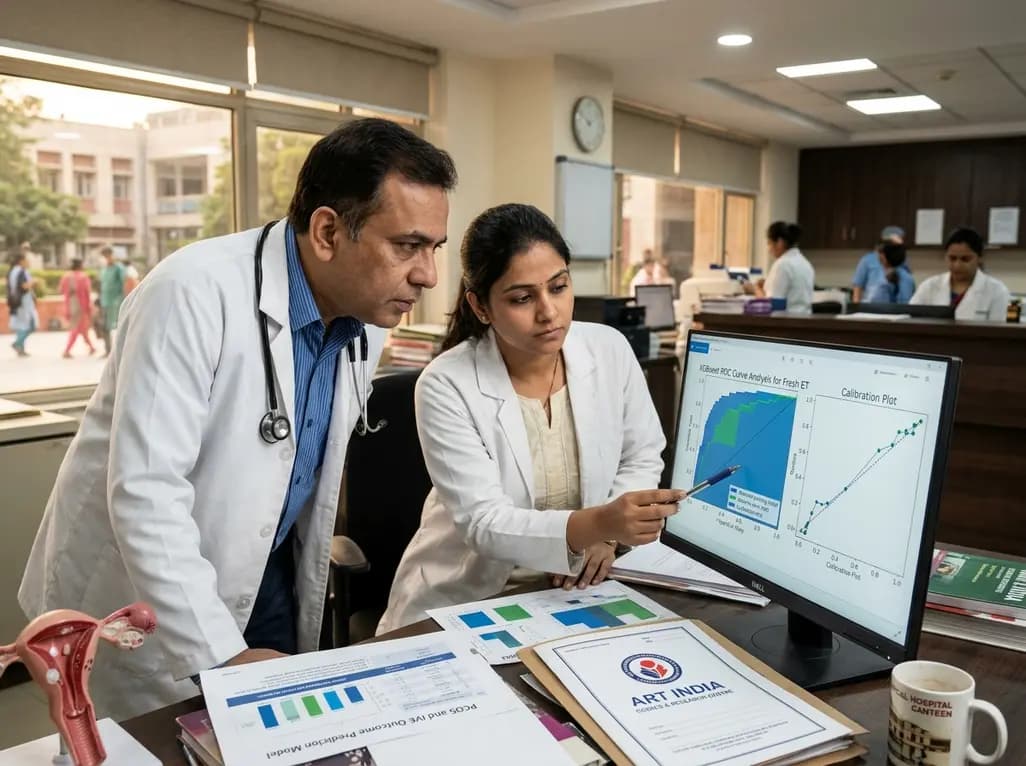
A multicenter study evaluates an XGBoost machine learning model to predict miscarriage risk in PCOS after fresh embryo transfer. While discrimination was strong internally, cross-cohort calibration drift emphasizes its role as a risk-ranking tool rather than a standalone diagnostic instrument.
Today
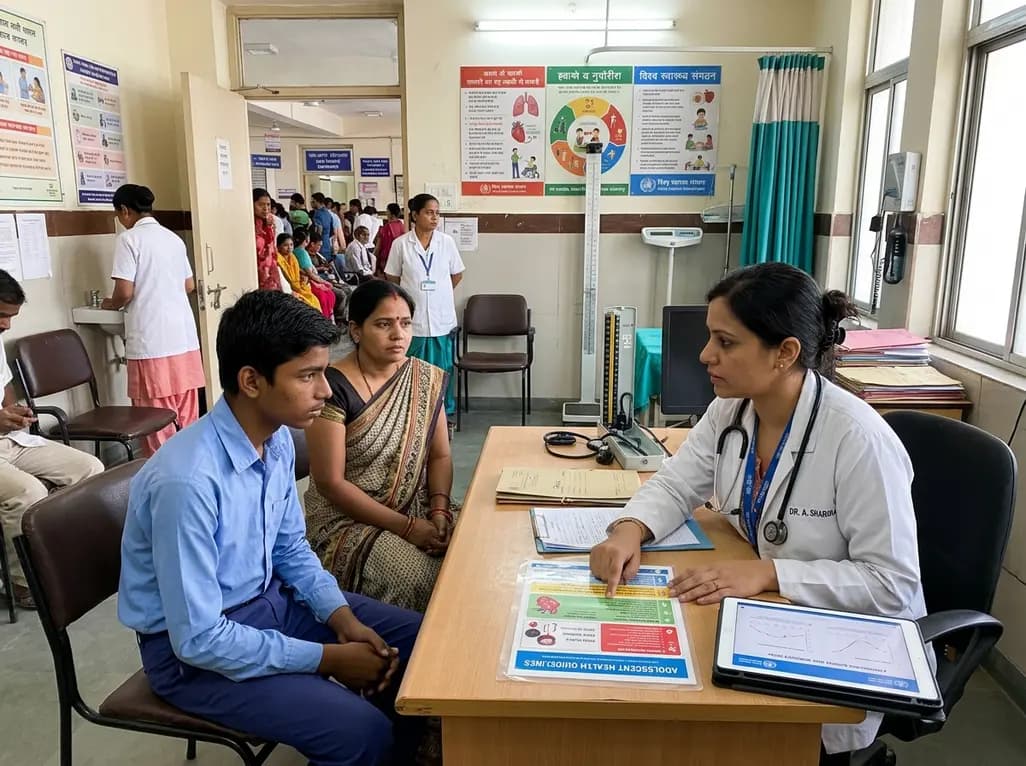
A major World Health Organization study reveals that one in four teenagers globally records zero active days per week. Discover the epidemiological data, cardiometabolic consequences of adolescent sedentary behavior, and practical guidance for clinicians to promote healthy lifestyle habits among youth.
Today
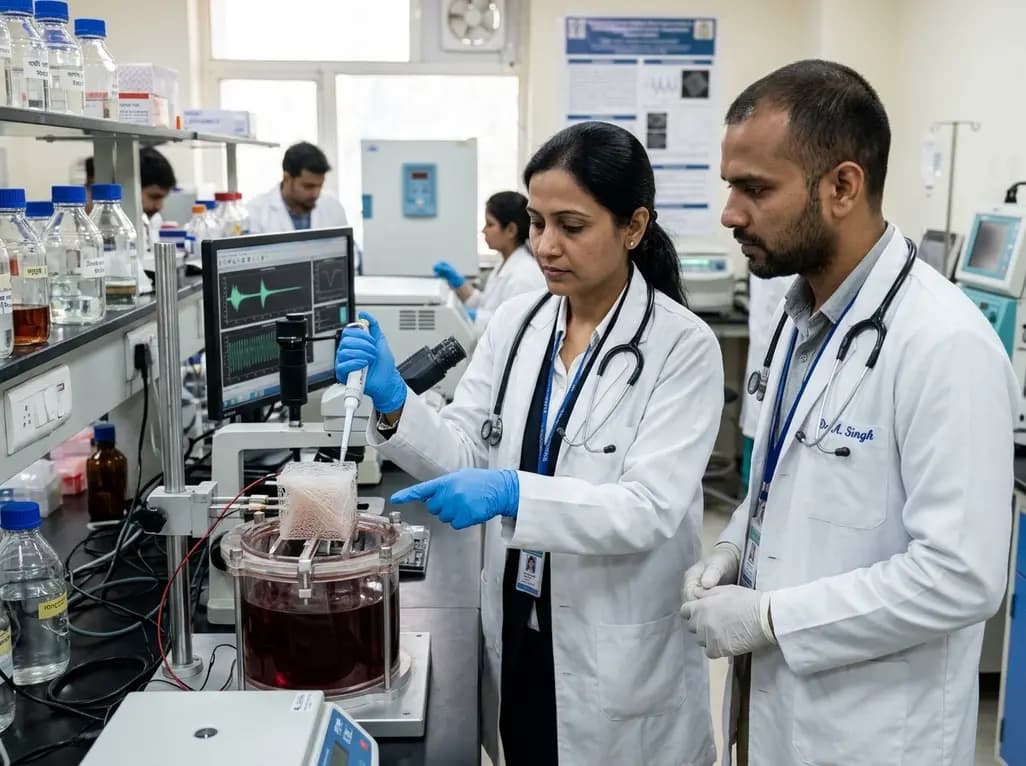
Engineered 3D piezoelectric PHBV scaffolds generate electrical charges during mechanical strain, mimicking native muscle electromechanics to promote cellular alignment, myogenic differentiation, and functional tissue repair in severe volumetric muscle loss.
Today
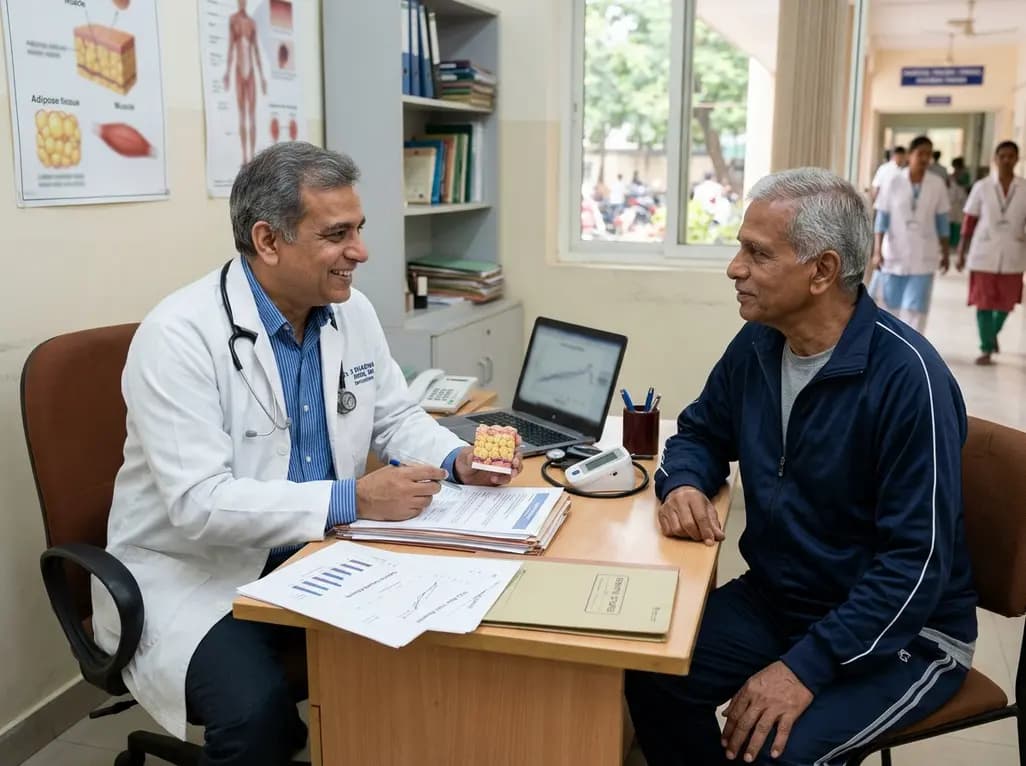
A study in aged rats reveals that caloric restriction broadly upregulates adipose macrophage genes, whereas concurrent endurance training buffers this response. Despite these tissue-level transcriptional changes, systemic glycemic and lipid markers remain unchanged, highlighting the complexity of geriatric metabolism.
Today
