.webp&w=384&q=75)

Loading, please wait...
Loading, please wait...
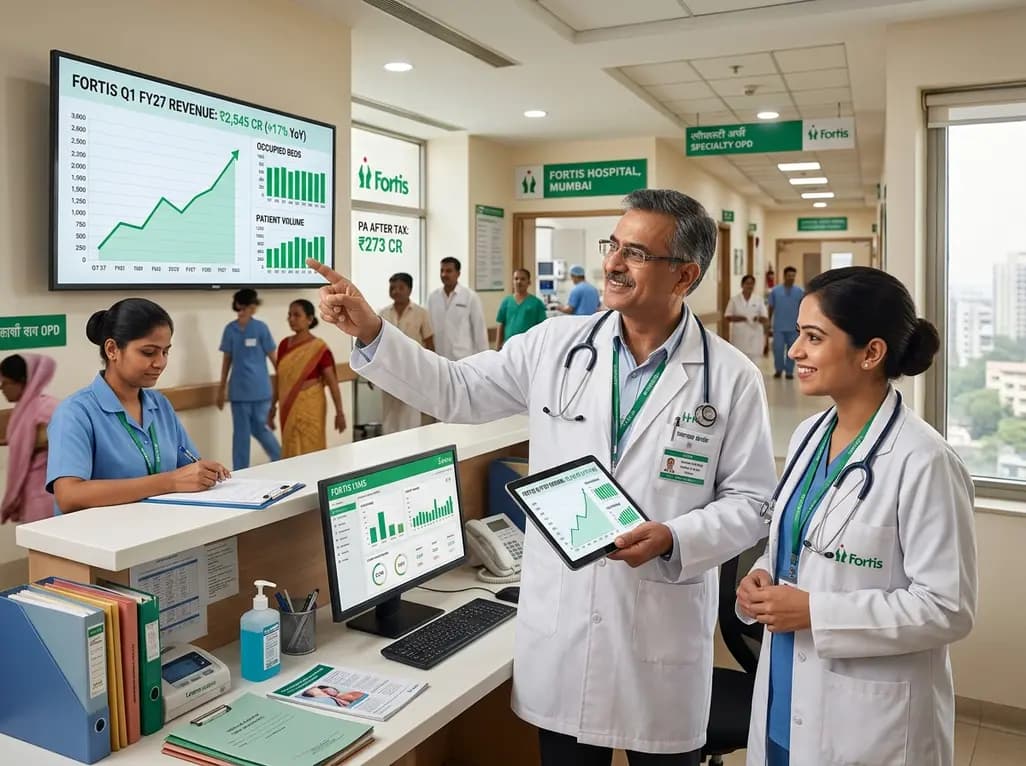
The latest financial disclosure highlighting Fortis Healthcare Q1 performance demonstrates solid top-line growth and sustained demand across Indian hospital networks. During the first quarter of FY27, consolidated revenue increased by seventeen percent year-on-year to ₹2,545 crore. Consequently, this growth underscores strong patient demand for specialized tertiary care and advanced clinical services. Furthermore, consolidated profit after tax reached ₹273 crore, representing a 2.3 percent increase from the prior year. Meanwhile, operating EBITDA rose by 15.8 percent to ₹568 crore across consolidated operations. These results reflect steady operational performance across core hospital facilities and diagnostic testing networks. Additionally, sustained inpatient volumes highlight continuous trust in clinical quality across multi-specialty departments.
Analyzing financial metrics reveals that core hospital operations provided the principal driving force for revenue growth. Specifically, hospital business revenue climbed nineteen percent year-on-year to ₹2,187 crore during Q1. Additionally, hospital operating EBITDA increased by 15.9 percent, reaching ₹471 crore. Consequently, hospital care remains the central pillar of the overall corporate service portfolio. However, margin growth remained moderate due to ongoing clinical investments and capacity operationalization. Furthermore, core healthcare delivery systems experienced elevated institutional utilization across major urban centers. In addition, management emphasized that stable revenue per bed and improved occupancy drove top-line gains. Therefore, balance sheet strength supported ongoing infrastructure investments across key regional markets. Overall, these outcomes validate corporate strategic investments in high-complexity tertiary specialty programs.
Sustained revenue performance across tertiary departments reflects consistent clinical execution and patient preference. Specifically, key specialties like cardiology, oncology, neurosciences, and orthopedics maintained robust patient footfalls. Consequently, complex surgical procedure volumes expanded steadily across major metro facilities. Therefore, clinical excellence continues to drive operational momentum across the entire provider network.
Hospital bed occupancy served as a critical driver of positive operational results across facilities. Notably, occupied beds increased by 16.7 percent compared to the first quarter of FY26. Consequently, this improvement reflects expanding patient reliance on specialized healthcare and surgical services. Moreover, moderate improvements in average revenue per occupied bed supported steady top-line growth. Furthermore, recent facility acquisitions in key geographic markets contributed directly to clinical revenue. Specifically, integrated hospital units in Punjab and Bengaluru demonstrated rapid operational ramping. Similarly, leased clinical facilities in Delhi NCR expanded service accessibility in dense catchments. However, executives noted that newly acquired units require ongoing volume growth to maximize margins. Therefore, clinical teams focus on scaling advanced robotic surgery and optimizing care pathways.
Operational optimization across nursing and allied health workflows supported higher bed turnover rates. Specifically, streamlined admission protocols reduced patient wait times across inpatient units. Consequently, clinical teams maintained rigorous quality protocols to ensure optimal clinical outcomes.
To meet rising medical demand, Fortis Healthcare is executing targeted geographic expansion strategies. Notably, the group signed an agreement for a 300-bed greenfield multi-specialty facility in Cuttack. Consequently, this transaction marks Fortis Healthcare's formal strategic entry into the Odisha market. Furthermore, the new Cuttack hospital will deliver tertiary and quaternary care across specialties. In addition, corporate development blueprints emphasize asset-light models alongside brownfield expansions. Specifically, management plans to add approximately 1,800 capacity beds over four to five years. Therefore, brownfield expansion at existing campuses allows rapid scaling with efficient capital allocation. Moreover, the organization seeks additional operations and management contracts in high-density regions. Consequently, these multi-channel growth efforts focus heavily on key clusters like Delhi NCR.
Regional expansion efforts focus on establishing integrated healthcare ecosystems across high-growth corridors. Specifically, expanding into Tier-2 urban markets addresses significant unmet clinical needs. Consequently, local communities gain direct access to super-specialty medical care closer to home.
The diagnostic division delivered strong operational progress, reinforcing integrated patient care delivery. Specifically, diagnostic business revenue rose 10.2 percent year-on-year to ₹407 crore in Q1. Furthermore, diagnostic operating EBITDA grew 14.9 percent to ₹97 crore, showing solid margin stability. Consequently, pathology and diagnostic testing continue providing predictable cash flows and essential support. Moreover, ongoing corporate alignment within the diagnostics subsidiary aims to improve administrative efficiency. In addition, routine pathology and specialized genomic testing recorded steady volume growth across laboratories. Therefore, clinicians benefit from rapid diagnostic turnaround times, aiding complex inpatient care decisions. Overall, management expects closer operational synergy between hospitals and diagnostic centers to drive value.
Expanding the diagnostic collection network has broadened regional market coverage and sample processing capabilities. Specifically, specialized diagnostic tests saw increased clinician adoption. Consequently, diagnostic service quality supports early disease detection and accurate therapeutic monitoring.
Looking forward, Fortis Healthcare aims to align revenue growth with broader healthcare market expansion. Furthermore, leadership projects operating EBITDA margins will gradually improve toward the mid-twenties percentage range. Consequently, expanding bed capacity and optimizing specialty offerings will unlock operating leverage over time. In addition, capital investment priorities highlight advanced technology, including robotic systems across key facilities. Similarly, corporate leadership maintains a strong commitment to clinical excellence and quality standards. Therefore, ongoing capital deployment targets critical care modernization, digital tools, and top medical talent. Moreover, gradual net debt reduction provides financial flexibility to evaluate strategic consolidation opportunities. Ultimately, this strategic orientation positions the organization to satisfy expanding national healthcare needs effectively.
Future growth will build on operational resilience, technological integration, and clinical specialty depth. Specifically, expanding robotic surgery programs will enhance surgical precision across urology and oncology. Consequently, the healthcare network remains well positioned to navigate evolving industry dynamics successfully.
Q1: What were the key financial results reported by Fortis Healthcare for Q1 FY27?
Fortis Healthcare reported a 17% year-on-year increase in consolidated revenue to ₹2,545 crore for Q1 FY27. Furthermore, operating EBITDA reached ₹568 crore, marking a 15.8% increase compared to the previous year. Additionally, profit after tax rose 2.3% to ₹273 crore. These metrics reflect strong patient demand, increased occupied bed capacity, and expanded revenue across hospital and diagnostic business divisions.
Q2: How did the hospital segment perform regarding occupied beds and revenue growth?
The hospital segment generated ₹2,187 crore in revenue, reflecting a 19% year-on-year increase during Q1 FY27. Notably, hospital operating EBITDA rose 15.9% to ₹471 crore. Operational growth was primarily driven by a 16.7% increase in occupied beds compared to Q1 FY26, alongside moderate increases in average revenue per occupied bed and strong contributions from newly acquired facilities in key regional clusters.
Q3: What are Fortis Healthcare's long-term bed expansion and geographic growth plans?
Fortis Healthcare plans to add approximately 1,800 capacity beds over the next four to five years through brownfield expansion projects. Furthermore, the group is pursuing asset-light expansion via Operations and Management agreements, such as a 300-bed greenfield multi-specialty hospital in Cuttack, Odisha. Consequently, these strategic initiatives will expand healthcare access in dense urban clusters and entering fast-growing regional markets across India.
Disclaimer: This content is for informational and educational purposes only. It does not constitute medical advice or replace professional judgment. Refer to the latest local and national guidelines for clinical practice.
References

Read summarized clinical updates, watch expert medical content, and earn CME certifications right from your smartphone.
Open your smartphone camera to scan and install.





Fortis Healthcare reported a 17% year-on-year revenue increase to ₹2,545 crore in Q1 FY27, driven by core hospital expansion, rising occupied beds, and diagnostic network strength. Profit after tax reached ₹273 crore as the group accelerates multi-specialty clinical infrastructure expansion across key Indian markets.
4 weeks back

A new study reveals that lipid-related metabolic dysregulation, marked by elevated TG/HDL-C ratio and glymphatic changes, independently impacts survival in idiopathic normal pressure hydrocephalus.
Today
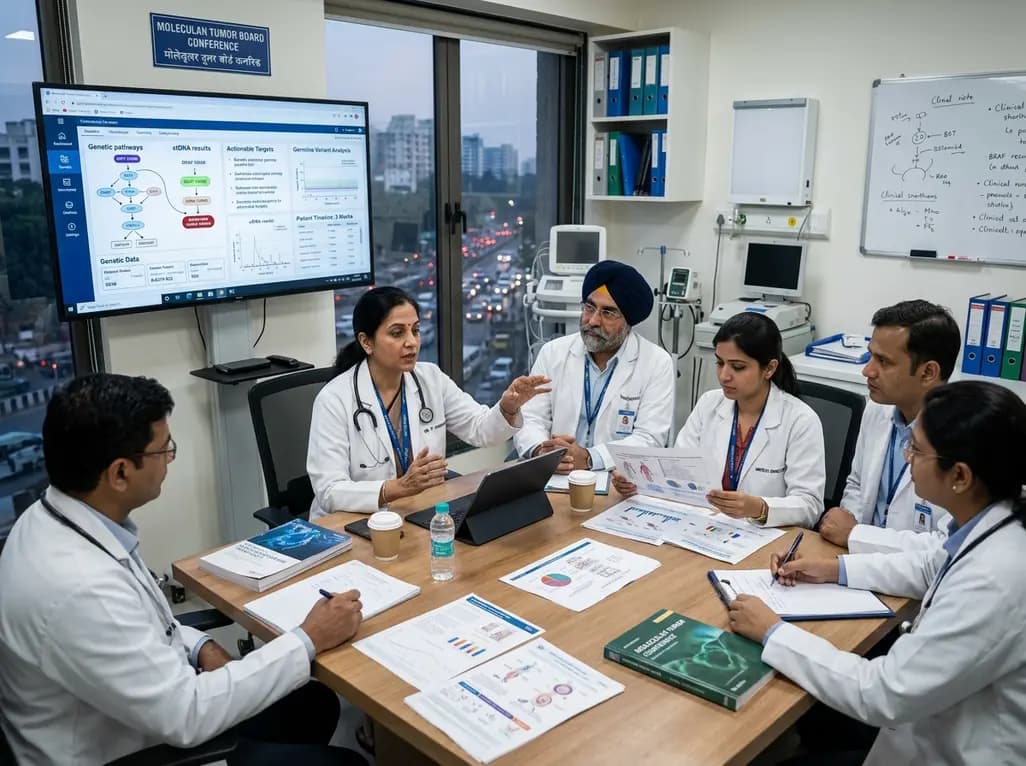
Explore real-world data showing how private oncogenetics and molecular tumor boards achieve 3-week consult turnaround, high ctDNA actionability, and vital germline variant detection, enhancing individualized cancer care and familial risk assessment.
Today
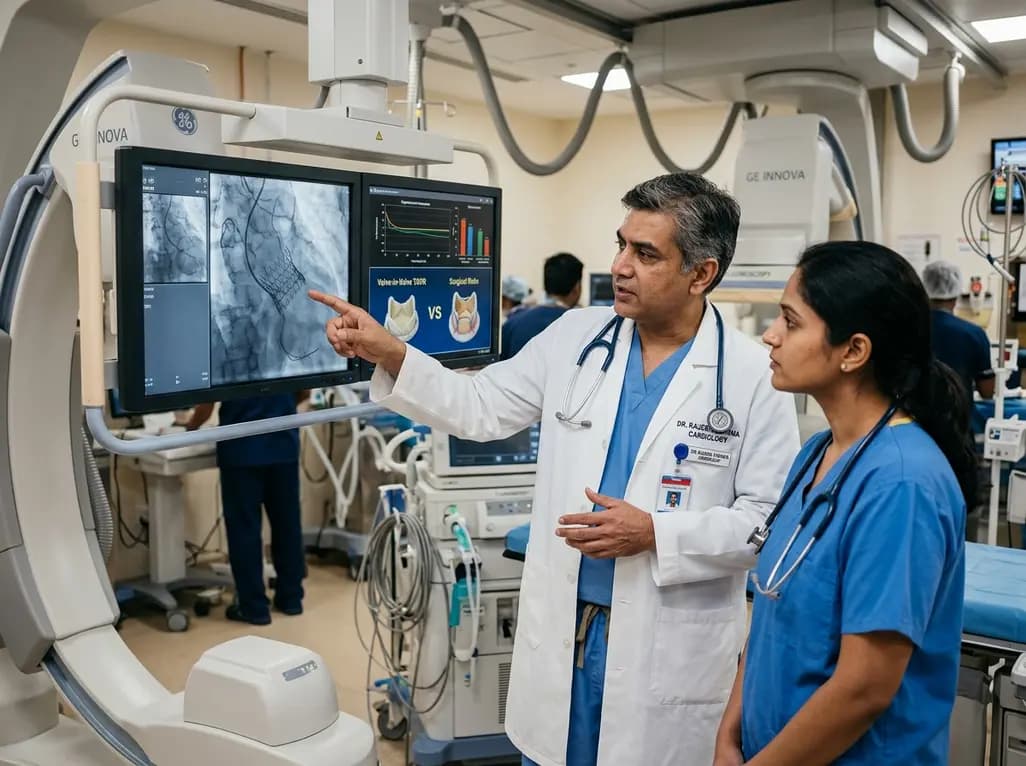
A meta-analysis of 13 propensity score-matched studies shows ViV-TAVR delivers lower early mortality and reduced bleeding compared to redo-SAVR for degenerated bioprosthetic aortic valves, though long-term hemodynamics warrant careful anatomical and patient-centered evaluation.
Today
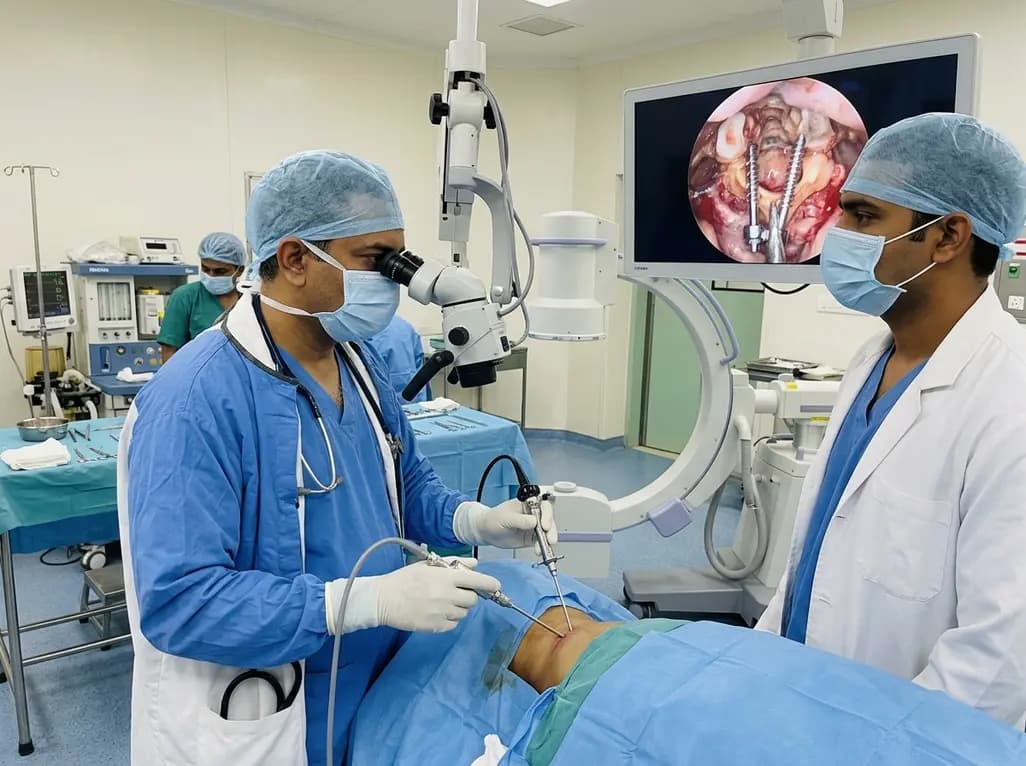
Endoscopic posterior cervical fusion combines minimally invasive decompression, joint preparation, and rigid screw-rod fixation for atlantoaxial pathologies. Early clinical findings demonstrate solid bony union, excellent symptom relief, and minimal soft-tissue morbidity without significant vascular compromise.
Yesterday
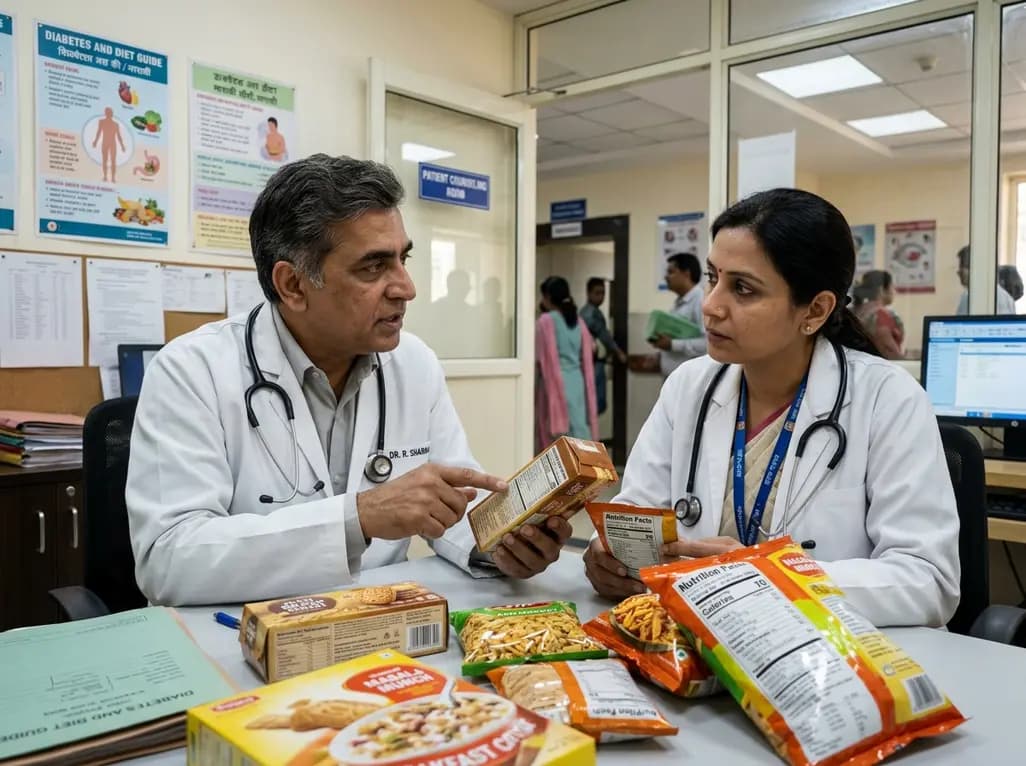
The All-India Food Processors' Association has approached the Supreme Court to oppose FSSAI's proposed per-100g benchmark for front-of-pack warning labels, advocating instead for a per-serving threshold. We explore the regulatory showdown, nutritional evidence, and implications for clinical lifestyle counseling.
Today
