.webp&w=384&q=75)

Loading, please wait...
Loading, please wait...
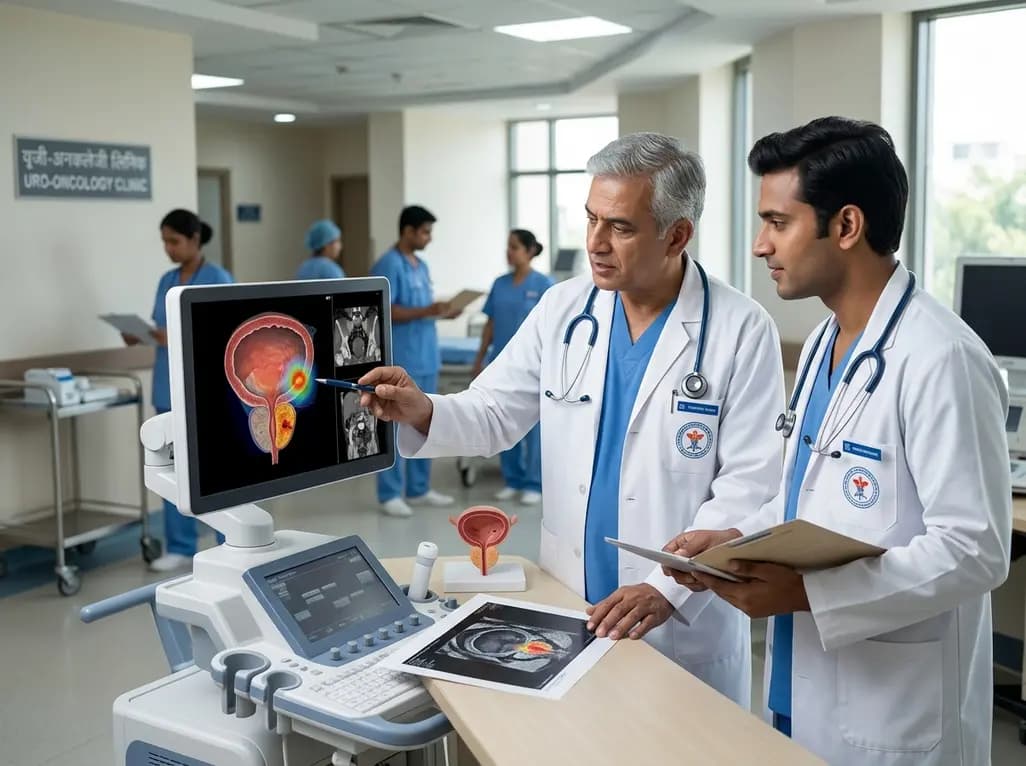
Recent developments in uro-oncology highlight a significant paradigm shift toward organ-preserving approaches. Healthcare institutions like Rajiv Gandhi Cancer Institute and Research Centre are incorporating organ-preserving options into their routine clinical practice. Specifically, focal HIFU prostate cancer therapy targets only the diseased portion of the prostate gland while preserving surrounding healthy tissues. Traditionally, clinicians managed localized prostate tumors using whole-gland interventions, such as radical prostatectomy or full-gland external beam radiotherapy. Although whole-gland approaches remain highly effective for cancer control, they often cause significant treatment-related morbidity. Consequently, many patients experience long-term urinary incontinence, erectile dysfunction, and delayed functional recovery.
Focal high-intensity focused ultrasound delivers targeted acoustic energy to destroy malignant tissue pockets with extreme precision. The procedure uses focused ultrasound waves that rapidly raise tissue temperatures at the target site. This process induces thermal coagulative necrosis without damaging neighboring neurovascular bundles and urethral sphincter structures. Therefore, focal therapy bridges a critical therapeutic gap between active surveillance and radical surgery. Medical teams increasingly consider organ-preserving modalities for carefully selected men with localized disease. By adopting targeted ablation, specialists aim to maintain robust oncological control while simultaneously safeguarding functional quality of life. This balanced therapeutic philosophy reflects broader global trends in precision oncology and personalized patient care.
Robust longitudinal evidence plays a fundamental role in establishing focal therapy within standard uro-oncological algorithms. Recently, a major ten-year international study published in European Urology provided compelling real-world evidence. The comprehensive study evaluated 3,477 men treated across multiple centers using focal high-intensity focused ultrasound and cryotherapy. Notably, the registry analysis demonstrated an exceptionally low prostate cancer-specific mortality rate of 0.13 percent over long-term follow-up. Furthermore, the ten-year cumulative incidence of metastatic disease remained remarkably low at only 3.3 percent.
Researchers tracked patients across nationally mandated registries to evaluate durable oncological control. In this extensive cohort, the majority of men received focal ablation through the Sonablate high-intensity focused ultrasound platform. These long-term findings demonstrate that targeted ablation delivers cancer control comparable to whole-gland treatment modalities. Consequently, investigators concluded that organ-preserving focal therapy can serve as a viable first-line option alongside radical prostatectomy and radiotherapy. However, clinicians must interpret these promising statistical outcomes within the context of strict protocol design. The study population comprised carefully selected individuals with localized disease. Therefore, long-term success depends heavily on accurate diagnostic risk stratification and structured post-treatment surveillance programs.
Although focal high-intensity focused ultrasound offers clear quality-of-life benefits, clinicians emphasize that not all prostate cancer patients qualify for focal therapy. Careful patient selection remains the single most critical factor for achieving successful clinical outcomes. Uro-oncologists rely on advanced multimodal diagnostic workflows to evaluate candidate suitability thoroughly. First, serum prostate-specific antigen testing provides initial biochemical risk stratification. Next, high-quality multiparametric magnetic resonance imaging helps map the precise anatomical location and volume of suspicious lesions.
Additionally, specialists perform targeted transperineal or transrectal fusion biopsies. This targeted approach ensures accurate histological grading while confirming lesion localization. Tumor characteristics, including Gleason score, lesion volume, and spatial orientation relative to organ margins, determine final eligibility. Candidates typically present with localized, visible single-index lesions without extensive bilateral disease. Moreover, multidisciplinary clinical tumor boards evaluate each patient's diagnostic profile before confirming treatment plans. Uro-oncologists, radiologists, and pathologists collaboratively review imaging scans and biopsy specimens. This rigorous multidisciplinary assessment prevents undertreatment of aggressive disease while avoiding overtreatment of low-risk lesions. Ultimately, comprehensive diagnostic evaluation ensures that focal therapy reaches patients who will derive the maximum therapeutic benefit.
Integrating focal ablation into a comprehensive multidisciplinary prostate cancer program requires specialized equipment and clinical expertise. High-intensity focused ultrasound operates by focusing acoustic sound waves onto a highly specific target volume. At the focal point, localized acoustic intensity rapidly generates high thermal energy. Consequently, tissue temperatures rise above sixty degrees Celsius within seconds, causing instant coagulative necrosis. Advanced real-time ultrasound imaging and magnetic resonance fusion guide the treatment beam with sub-millimeter accuracy.
In contrast to radical prostatectomy, focal ultrasound avoids extensive surgical dissections and whole-gland extirpation. The minimally invasive nature of focal ablation allows faster patient recovery and reduced hospital stay. At leading medical centers, multidisciplinary teams integrate focal ultrasound into structured care pathways. Radiation oncologists, medical oncologists, and urological surgeons work together to optimize patient pathways. Furthermore, centers implement standardized post-ablation surveillance protocols to detect local recurrences early. Follow-up pathways include periodic serum prostate-specific antigen monitoring, multiparametric magnetic resonance imaging, and protocol-directed follow-up biopsies. By embedding focal technology within a robust multidisciplinary framework, institutions ensure consistent clinical safety, optimal therapeutic efficacy, and seamless care coordination throughout the patient's recovery journey.
Preserving patient quality of life represents a core objective of modern localized prostate cancer management. Conventional radical surgery and whole-gland radiation frequently damage neurovascular bundles and pelvic floor structures. As a result, patients often face persistent stress urinary incontinence and erectile dysfunction. In contrast, focal ablation precisely targets defined tumor foci while sparing healthy adjacent tissue. Sparing normal prostate parenchyma and neurovascular pathways significantly reduces treatment-related side effects.
Clinical follow-up studies confirm that patients undergoing focal ultrasound experience markedly lower rates of urinary leakage compared to surgical cohorts. Similarly, erectile function is preserved in a high percentage of suitable candidates following targeted ablation. Furthermore, because focal therapy is minimally invasive, patients generally experience minimal post-operative pain and rapid return to normal daily activities. Reduced recovery times and fewer functional complications translate to higher patient satisfaction and lower psychological burden. For younger men and sexually active individuals with localized disease, functional preservation remains a primary decision-making factor. Therefore, offering organ-sparing focal ultrasound allows clinicians to align oncological management with patient-centered quality-of-life goals.
Scientific interest in organ-preserving focal therapy continues to expand rapidly across the global and Indian medical communities. Recent academic gatherings, including national genitourinary oncology conferences, featured dedicated scientific sessions on focal ablation techniques. Indian specialists discussed high-intensity focused ultrasound alongside cryotherapy and irreversible electroporation for localized disease. These academic discussions emphasize that improved public awareness, widespread prostate-specific antigen screening, and high-quality multiparametric imaging are enabling earlier disease detection.
As clinicians identify prostate tumors at earlier stages, organ-preserving options become increasingly viable for Indian patients. Leading Indian oncology institutions are actively incorporating advanced focal therapy platforms into standard clinical programs. Furthermore, clinical leaders emphasize the need for ongoing regional registries and prospective trials to validate long-term outcomes in diverse patient populations. Precision medicine and personalized care are transforming routine oncology practice nationwide. By balancing rigorous cancer control with functional preservation, focal ultrasound provides a valuable treatment alternative for properly selected individuals. Continued professional training, interdisciplinary collaboration, and clinical audit will further refine patient selection criteria, ensuring optimal oncological efficacy and functional safety across Indian cancer care centers.
Q1: What is focal HIFU prostate cancer therapy and how does it work?
Focal high-intensity focused ultrasound is a minimally invasive treatment for localized prostate cancer. The technique uses concentrated acoustic energy to generate intense thermal heat at a precise tumor site. This thermal energy destroys cancerous cells through coagulative necrosis while sparing healthy surrounding prostate tissue, neurovascular bundles, and urinary sphincter structures. Consequently, patients receive effective localized cancer control while minimizing collateral damage to essential pelvic organs.
Q2: Who is an ideal candidate for focal HIFU treatment?
Ideal candidates are men with localized, low- to intermediate-risk prostate cancer confined to a specific area within the gland. Clinicians determine eligibility through serum prostate-specific antigen testing, multiparametric magnetic resonance imaging, and targeted fusion biopsies. Patients must have well-defined, visible index lesions without diffuse bilateral involvement. A multidisciplinary tumor board carefully evaluates each case to ensure focal ablation provides safe and adequate oncological control.
Q3: How does focal HIFU compare to radical prostatectomy regarding side effects?
Unlike radical prostatectomy, which removes the entire prostate gland, focal ultrasound targets only the cancerous lesion. By sparing healthy prostate tissue and nearby nerves, focal ablation significantly reduces the risk of long-term urinary incontinence and erectile dysfunction. Furthermore, the procedure is minimally invasive, resulting in shorter hospital stays, less post-operative discomfort, and faster recovery to normal daily activities compared to open or robotic surgery.
Disclaimer: This content is for informational and educational purposes only. It does not constitute medical advice or replace professional judgment. Refer to the latest local and national guidelines for clinical practice.
References

Read summarized clinical updates, watch expert medical content, and earn CME certifications right from your smartphone.
Open your smartphone camera to scan and install.





Rajiv Gandhi Cancer Institute and Research Centre highlights the growing role of focal HIFU for selected localized prostate cancer. Backed by 10-year study data showing 0.13% cancer-specific mortality, organ-preserving focal therapy minimizes urinary and erectile side effects while ensuring precise cancer control.
last month

A landmark cluster randomized trial demonstrates that community-based mass dog vaccination achieves superior coverage and sustains protective herd immunity against rabies far better than conventional campaign models, offering vital lessons for global and Indian elimination targets.
Today

Explore the crucial link between dietary protein and immunocompetence. This review examines how low-protein nutrition shifts metabolic resources away from pathogen defense toward early reproduction, compromising host survival and immunity against severe bacterial infections.
Today
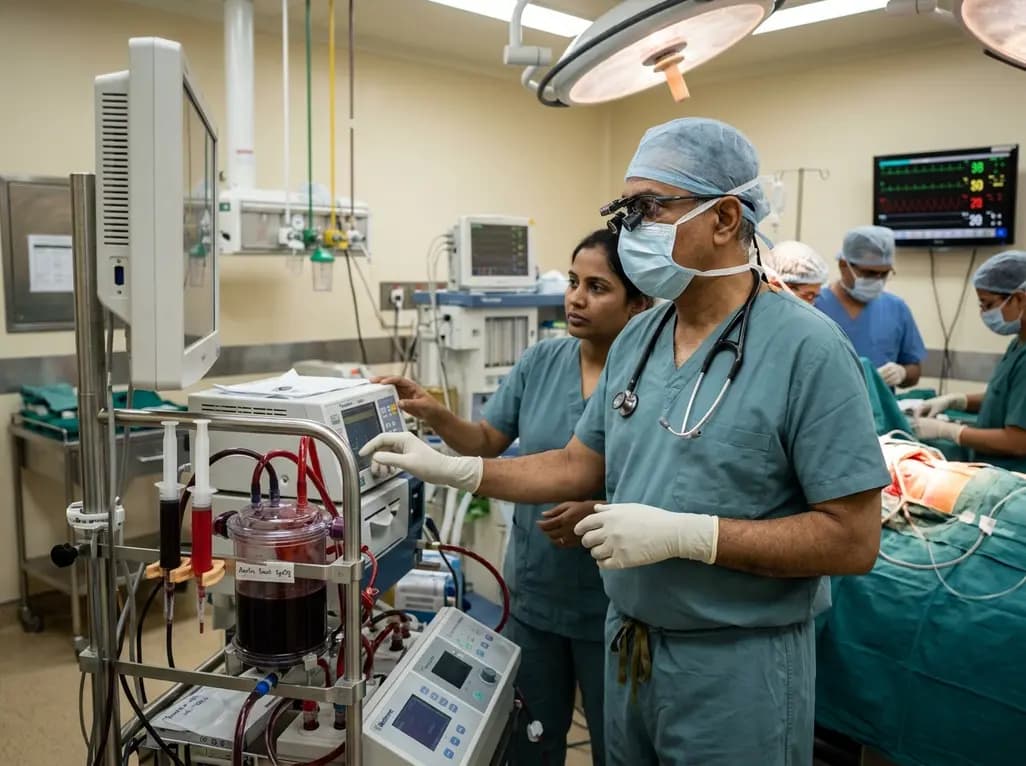
Differential oxygenation during peripheral TA-NRP can cause undetected coronary hypoxemia due to arch vessel clamping. A novel circuit with continuous aortic root monitoring detects desaturation early, facilitating left ventricular unloading and preventing allograft dysfunction and unnecessary heart discard.
Today
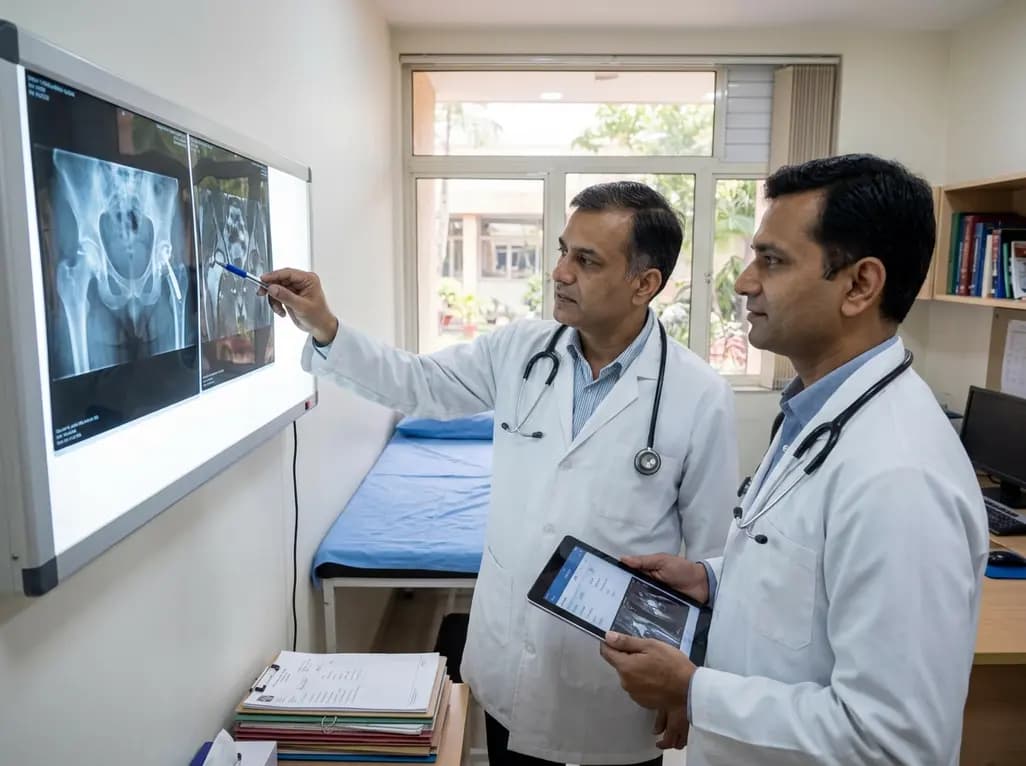
A longitudinal study reveals that patients undergoing staged bilateral hip arthroscopy experience progressive contralateral labral deterioration during surgical intervals. However, structural degradation does not compromise 2-year postoperative clinical outcomes or patient-reported satisfaction scores.
Today

A post hoc analysis of the PARM-T2D study shows pemafibrate exerts baseline-dependent effects on LDL-C and particle size in type 2 diabetes and hypertriglyceridemia. It lowers triglycerides and remnants while favorably remodeling atherogenic LDL particles based on initial lipid control status.
Today
