.webp&w=384&q=75)

Loading, please wait...
Loading, please wait...
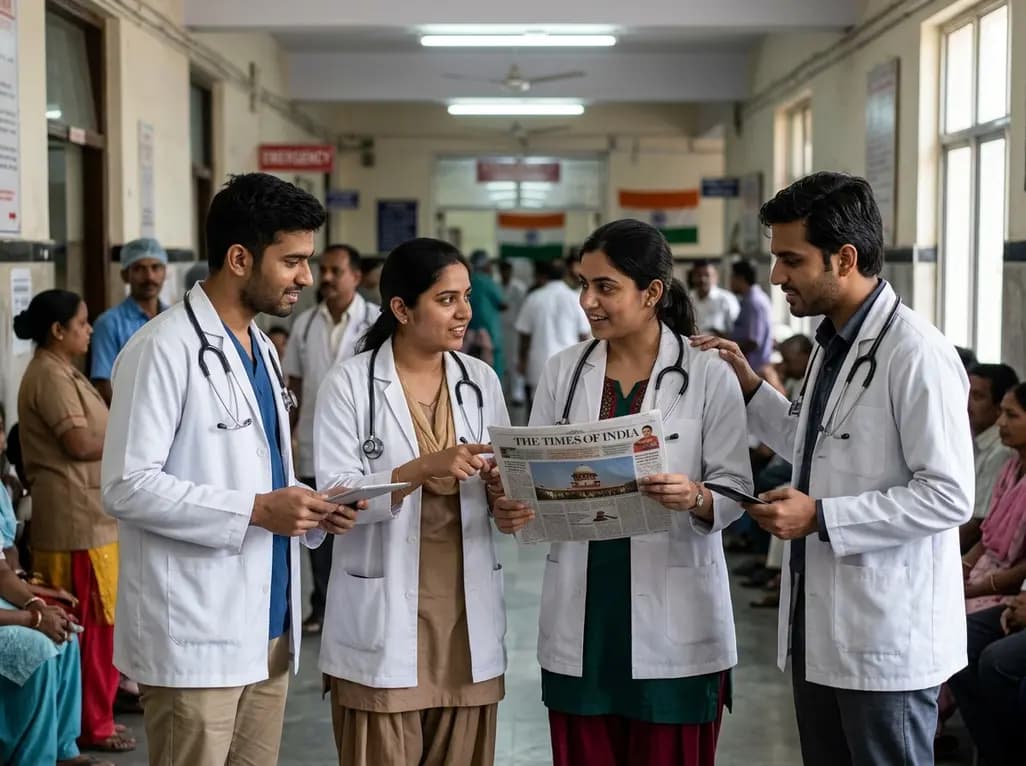
In recent judicial proceedings, the Supreme Court of India addressed severe discrepancies surrounding FMG stipend parity across domestic teaching hospitals. A division bench comprising Justice Aravind Kumar and Justice Vipul M Pancholi expressed sharp displeasure over unpaid internships. Consequently, the apex court ordered the National Medical Commission to explain why colleges withhold stipends. The ongoing litigation arose from petitions filed by graduate Abhishek Yadav and fellow doctors. These young medicos perform grueling clinical shifts without receiving their legally entitled monthly remuneration. Furthermore, statutory regulations explicitly mandate uniform financial treatment across all recognized institutions. However, several regional authorities and private colleges continue to disregard these basic requirements. Therefore, this decisive judicial intervention emphasizes the fundamental necessity of protecting trainee welfare. Ultimately, the judiciary aims to eliminate arbitrary administrative distinctions between foreign and domestic medical graduates across all healthcare facilities.
During recent court proceedings, counsel representing aggrieved doctors highlighted widespread violations of basic stipend parity principles. Specifically, Advocate Tanvi Dubey submitted a detailed chart demonstrating that numerous medical colleges completely refuse to pay foreign graduates. The judges firmly noted that both foreign and domestic graduates perform identical clinical workloads. For example, both categories manage acute admissions, maintain daily ward documentation, and endure demanding overnight shifts. Consequently, denying remuneration to foreign graduates while compensating domestic peers constitutes unacceptable administrative discrimination. Furthermore, the bench observed that students often remain silent due to fear of institutional retribution during subsequent postgraduate admissions. To counter this systemic vulnerability, the court warned that judicial oversight will remain uncompromising. Moreover, the judges indicated that comprehensive directions will soon cover all undergraduate medical interns nationwide. In addition, the bench raised the possibility of establishing independent regulatory bodies headed by retired judges. Such specialized committees could investigate persistent non-compliance and directly hold recalcitrant hospital administrations accountable. Thus, the Supreme Court seeks to create a robust enforcement architecture that leaves no room for administrative evasion.
The National Medical Commission previously issued formal circulars requiring strict equality between Indian and foreign medical interns. In particular, the Compulsory Rotating Medical Internship Regulations of 2021 govern these mandatory training standards. Under these clear statutory provisions, recognized teaching institutions must disburse regular stipends as determined by appropriate state authorities. Additionally, the commission explicitly prohibited institutions from demanding illegal training fees from foreign medical graduates. Despite these clear regulatory mandates, actual institutional adherence remains disappointingly irregular across multiple jurisdictions. During recent hearings, the commission revealed that show-cause notices had been issued to seven non-compliant institutions nationwide. However, petitioner advocates vigorously argued that non-payment remains far more pervasive than official figures suggest. Many private and trust-run medical colleges routinely exploit regulatory loopholes to avoid disbursing required monthly allowances. Consequently, the apex court ordered the regulatory body to file a comprehensive and transparent affidavit. This directive forces the commission to audit compliance across several states, including Gujarat, Kerala, Jharkhand, and Andhra Pradesh. Therefore, the commission must now verify whether institutions have genuinely disbursed stipends or merely reported nominal compliance on paper.
The petition highlights significant geographical disparities in how states implement intern compensation policies. For instance, legal submissions revealed stark payment inequalities within states like Jharkhand and Kerala. Specifically, while Indian graduates in Jharkhand receive thirty thousand rupees monthly, foreign counterparts receive only seventeen thousand five hundred rupees. In contrast, several teaching hospitals in Kerala reportedly provide zero financial compensation to foreign interns throughout their tenure. Moreover, student associations across Rajasthan recently organized large public demonstrations outside the Directorate of Medical Education. These protesting interns highlighted continuous delays in receiving sanctioned monthly payments and obtaining permanent medical registration. Medical associations, including the Federation of All India Medical Association, have publicly backed these legitimate demands. In addition, resident doctors argue that withholding compensation creates severe personal and financial hardship. Many graduates incur substantial educational debts while studying abroad and depend on stipends to cover basic living expenses. Furthermore, forcing young physicians to work fifteen hours daily without compensation severely harms clinical morale. As a result, inconsistent state policies directly compromise the operational integrity of primary and tertiary healthcare networks.
During the proceedings, the Supreme Court issued an uncompromising ultimatum directly targeting the government of Rajasthan. The bench instructed state authorities to disburse all pending stipends to eligible medical interns within two weeks. When state counsel cited administrative delays in finalizing budgetary sanctions, the judges reacted with visible indignation. Justice Kumar pointedly remarked that authorities cannot utilize clinical labor for prolonged daily shifts without providing timely financial compensation. Furthermore, the court explicitly warned that non-compliance would trigger immediate contempt proceedings against the principal health secretary. In such an event, the state secretary must appear personally before the bench to answer charges. Notably, earlier judicial directives from September 2023 had mandated a monthly stipend of twenty-five thousand rupees. Despite that clear judgment, administrative authorities left preceding intern batches entirely uncompensated without valid justification. Therefore, the top court established this strict two-week deadline to prevent further bureaucratic prevarication. Consequently, medical administrators must accelerate financial approvals to avoid severe institutional penalties. This judicial firmness sends an unmistakable signal to public health departments across all Indian states and union territories.
The legal battle over intern stipends carries profound implications for the operational stability of the Indian medical workforce. Junior interns form the indispensable backbone of public hospitals, managing outpatient departments, emergency admissions, and routine bedside procedures. When medical administrators deny equitable pay to foreign medical graduates, they create a demoralizing tiered hierarchy within hospital wards. Consequently, pervasive financial distress impairs clinical focus and accelerates professional burnout among vulnerable young doctors. Furthermore, foreign graduates already face strenuous licensing exams and prolonged administrative paperwork before securing clinical placements. Denying them lawful stipends adds an unmerited layer of institutional exploitation to an already challenging professional transition. In addition, fair compensation ensures that medical graduates from diverse socio-economic backgrounds can sustain themselves during compulsory training. Academic leaders and hospital administrators must recognize that clinical labor demands fair, timely, and lawful remuneration. Ultimately, institutionalizing stipend parity fosters a collaborative hospital culture, which directly enhances patient safety and healthcare delivery. By enforcing strict legal accountability, the Supreme Court ensures that healthcare systems uphold fundamental ethical standards alongside statutory compliance.
Q1: Why did the Supreme Court intervene in the foreign medical graduate stipend issue?
The Supreme Court intervened because multiple medical colleges failed to pay mandatory stipends to foreign medical graduates during their compulsory internships. Furthermore, significant financial disparities emerged between domestic and foreign interns performing identical hospital shifts. Consequently, the apex court demanded an explanatory affidavit from the National Medical Commission and warned non-compliant state administrations of contempt action to ensure immediate financial relief for affected junior doctors.
Q2: What does the National Medical Commission regulation mandate regarding intern stipends?
Under the Compulsory Rotating Medical Internship Regulations of 2021, all interns must receive regular stipends as determined by the appropriate state or institutional authority. Additionally, commission circulars explicitly mandate complete stipend parity between Indian and foreign medical graduates. Regulatory guidelines strictly prohibit medical colleges from demanding internship fees or denying lawful monthly allowances to foreign graduates who perform standard clinical duties within recognized hospitals.
Q3: What specific instructions did the Supreme Court issue to the Rajasthan state government?
The Supreme Court ordered the Rajasthan government to disburse all pending stipends to foreign medical graduate interns within two weeks. Moreover, the judicial bench firmly rejected bureaucratic excuses concerning delayed budgetary approvals. The court warned that if the state fails to disburse the required funds within the stipulated timeframe, the principal health secretary must appear personally in court to face contempt charges.
Disclaimer: This content is for informational and educational purposes only. It does not constitute medical advice or replace professional judgment. Refer to the latest local and national guidelines for clinical practice.
References

Read summarized clinical updates, watch expert medical content, and earn CME certifications right from your smartphone.
Open your smartphone camera to scan and install.





The Supreme Court has issued strict directives to the National Medical Commission regarding widespread non-payment of allowances to foreign interns. With states like Rajasthan facing contempt warnings, the judiciary reinforces equal compensation for equal clinical duties across all teaching hospitals.
Today
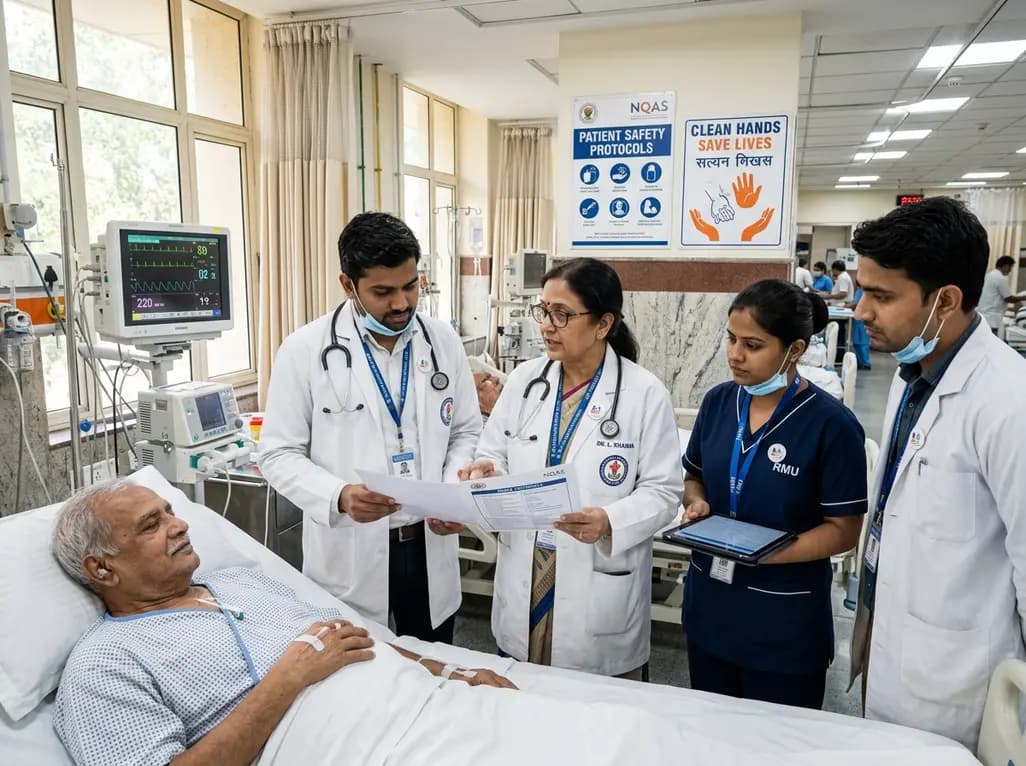
Union Health Minister JP Nadda highlighted patient safety, clinical hygiene, and institutional quality at ABVIMS and Dr RML Hospital on World Patient Safety Day 2026. The national strategy emphasizes NQAS certification, Ayushman Bharat expansions, PMBJP generic access, and safe lifelong management of chronic diseases.
Today
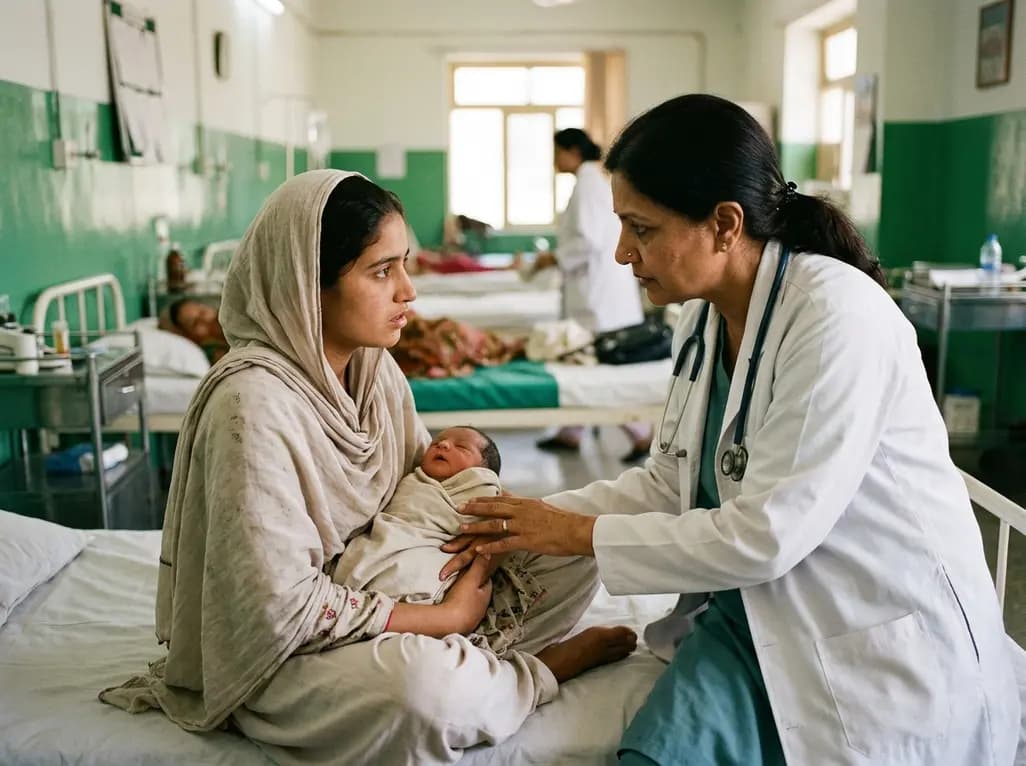
Prelacteal feeding persists in South Asian communities despite known clinical risks. This review examines determinants from Chitral, pathophysiological hazards, and pediatric strategies to eliminate harmful feeds and support exclusive breastfeeding.
Today

A randomized controlled trial demonstrates that theory-driven personalized mobile messaging reduces the risk of consecutive walking goal failures by 33 percent, highlighting the vital role of digital health tools in sustaining long-term exercise habits and chronic disease prevention.
Today

A comparative cohort study demonstrates that patients undergoing total hip arthroplasty after prior hip arthroscopy achieve comparable functional recovery, low complication rates, and equivalent implant survivorship when conversion occurs after six months.
Today
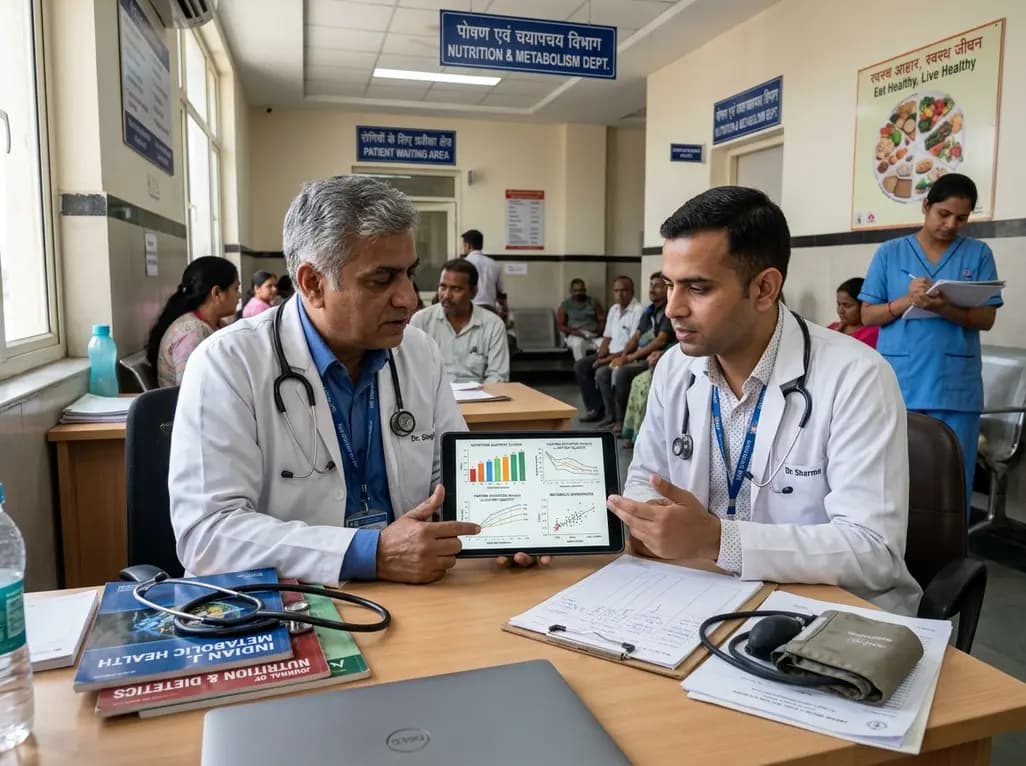
A cross-sectional study of 320 adults evaluated the link between habitual fasting duration and dietary quality using Nutrition Quotient scores, highlighting the clinical necessity of balancing time-restricted eating with nutrient density and meal quality in routine metabolic practice.
Today
