.webp&w=384&q=75)

Loading, please wait...
Loading, please wait...
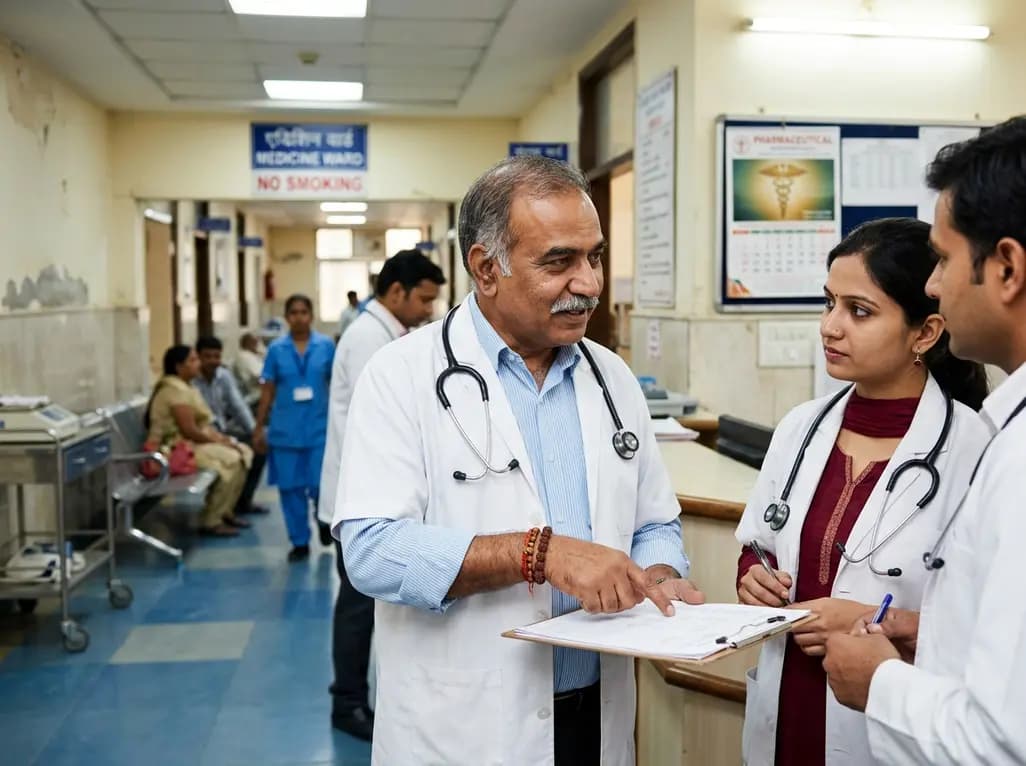
The rapid expansion of India's elderly demographic presents a substantial challenge for public health. Consequently, preventive measures must evolve to protect this vulnerable group from seasonal pathogens. A landmark study led by the All India Institute of Medical Sciences (AIIMS) now offers compelling evidence supporting the introduction of a government-funded annual flu vaccine for seniors. This research, published in Influenza and Other Respiratory Viruses, represents a major milestone. Consequently, implementation could significantly lower geriatric mortality.
Historically, seasonal influenza has been viewed as a minor illness in tropical climates. However, this perception overlooks the profound disease burden among older adults. The AIIMS-led study reveals that influenza causes approximately 5.3 million acute respiratory illnesses in Indians aged 60 and above annually. Furthermore, the infection results in more than 36,000 hospitalizations and nearly 85,000 deaths each year. To quantify this crisis, the research team analyzed the robust INSPIRE surveillance database. This cohort followed more than 7,200 older adults across four distinct geographical sites between 2018 and 2023. Subsequently, researchers constructed mathematical models to estimate national burdens. This monumental effort was led by Prof. Anand Krishnan from AIIMS New Delhi, collaborating with the ICMR, the National Institute of Epidemiology, and the National Institute of Virology. Ultimately, this collaboration ensured high scientific rigor, giving Indian policymakers indigenous evidence. They no longer need to rely on Western clinical data to make decisions. Indeed, these figures underscore the urgent need for robust preventive interventions, as influenza remains a silent geriatric killer. Consequently, establishing a national database represents a critical step. Healthcare providers must recognize this clinical reality to implement timely preventive measures.
The core finding of this study centers on clinical and economic feasibility. Specifically, researchers demonstrated that a government-funded influenza vaccination program is highly cost-effective. However, the study identifies a targeted strategy as the gold standard for initial implementation. This approach prioritizes older adults with underlying chronic illnesses. These high-risk comorbidities include diabetes, cardiovascular disease, and chronic lung disease. Clinically, these patients are far more susceptible to severe influenza-related complications. Therefore, vaccinating them first prevents the highest number of ICU admissions. Additionally, targeting this subgroup represents the most efficient use of limited public funds. By focusing resources on high-risk individuals, the healthcare system avoids unnecessary clinical expenditures. This targeted approach aligns perfectly with the clinical reality in India, where chronic diseases are rising. Consequently, implementing a targeted flu vaccine for seniors represents a major victory for preventive medicine. It delivers immense health benefits while maintaining fiscal responsibility. Medical practitioners should support this model to ensure vaccines reach those in need first. Indeed, this prioritisation serves as a pragmatic step toward universal health coverage. Furthermore, targeting high-risk individuals protects the healthcare system from sudden capacity surges during seasonal outbreaks.
To assist policymakers, the researchers provided detailed cost estimates. Specifically, a universal vaccination program would cover all citizens aged 60 and above. This option is estimated to cost approximately Rs 1,514 crore annually. While beneficial, this figure represents a major budgetary commitment. Conversely, a targeted campaign would focus solely on seniors with underlying chronic medical conditions. The researchers estimate this targeted strategy would cost about Rs 817 crore per year. Consequently, this model saves nearly Rs 700 crore annually compared to the universal strategy. This financial difference is substantial for a developing nation. However, the targeted strategy still captures the majority of patients who would otherwise require hospitalization. Therefore, the return on investment is remarkably high. In addition to cost savings, reducing bed occupancy during flu seasons stabilizes healthcare systems. This financial modeling provides clear evidence that targeted funding is highly sustainable. Consequently, starting with a targeted rollout allows the government to build cold-chain capacity while immediately protecting vulnerable citizens. Furthermore, this phased rollout offers a practical template for other immunization efforts. Additionally, this fiscal strategy ensures that the program remains highly viable even during economic recessions.
Currently, India lacks a publicly funded national influenza immunization campaign for older adults. This absence contrasts with high-income nations where flu shots represent standard geriatric care. However, the publication of this AIIMS study could mark a major turning point in national health policy. By providing concrete domestic data, researchers have eliminated the excuse of insufficient local evidence. Clinicians must now advocate for incorporating these vaccines into the National Immunization Schedule. Furthermore, successful delivery will require leveraging existing infrastructure, such as primary health centers. This integration can occur alongside existing non-communicable disease initiatives. In addition, raising public awareness about the severity of influenza is paramount. Many families currently view a seasonal cough as trivial rather than potentially fatal. Therefore, professional medical associations must launch education campaigns for doctors and patients. Consequently, a concerted effort is required to translate this clinical evidence into policy. By implementing these findings, India can establish a sustainable adult immunization network, protecting millions of seniors and reducing the national healthcare burden significantly. Indeed, establishing robust public-private partnerships will accelerate the vaccine's distribution across both urban and rural areas.
Q1: Why is a targeted influenza immunization program recommended over a universal program for Indian seniors?
A targeted program is highly recommended because it is exceptionally cost-effective and saves valuable public resources. Specifically, it prioritizes older adults suffering from chronic conditions like diabetes and heart disease. These individuals face high risks of severe hospitalizations. Therefore, vaccinating them first delivers the greatest clinical benefits with minimal government spending. Specifically, a targeted program costs Rs 817 crore, compared to Rs 1,514 crore for a universal campaign.
Q2: What is the estimated disease burden of influenza among older adults in India every year?
The annual burden of influenza among older adults in India is extremely massive and largely unrecognized. According to the AIIMS-led study, seasonal influenza causes approximately 5.3 million illnesses across the nation annually. Furthermore, the disease leads to more than 36,000 hospitalizations and nearly 85,000 deaths. Consequently, these staggering numbers highlight the critical necessity of introducing a publicly funded program to prevent premature deaths.
Q3: What database was used to determine the cost-effectiveness of this vaccination campaign?
The researchers utilized local clinical data from the robust INSPIRE surveillance network to perform their analysis. Specifically, this platform closely followed more than 7,200 older adults across four distinct sites in India. Subsequently, the study tracked influenza infections, hospitalizations, deaths, and actual healthcare costs over a five-year period from 2018 to 2023. Consequently, this indigenous data provided highly accurate and reliable cost estimates for national policy formulation.
Disclaimer: This content is for informational and educational purposes only. It does not constitute medical advice or replace professional judgment. Refer to the latest local and national guidelines for clinical practice.
References

Read summarized clinical updates, watch expert medical content, and earn CME certifications right from your smartphone.
Open your smartphone camera to scan and install.





The first Indian cost-effectiveness study led by AIIMS reveals that a government-funded annual influenza vaccination program for older adults (60+) is highly viable. Prioritizing seniors with chronic conditions like diabetes and heart disease delivers the greatest health benefits with optimized public spending.
3 months ago
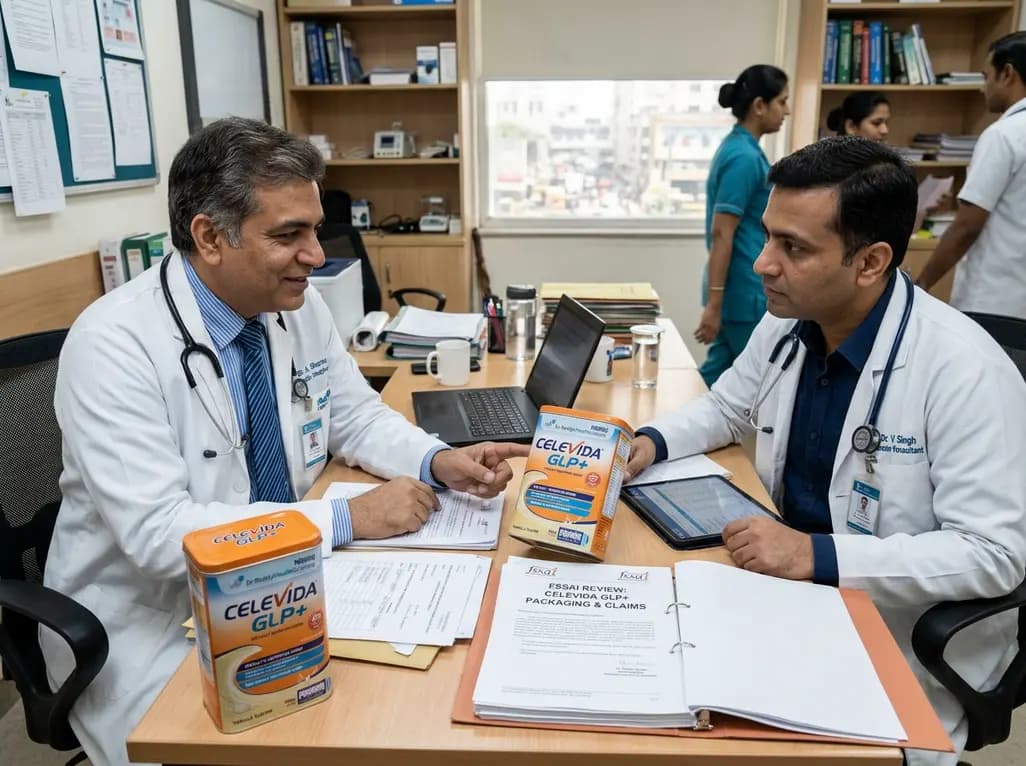
Following regulatory scrutiny from FSSAI regarding promotional representations and lean muscle preservation claims, Dr. Reddy's Laboratories and Nestlé Health Science are currently reviewing the branding and marketing strategy for their joint nutritional supplement Celevida GLP+.
Today

Demanding exhaustive hormonal profiling can inadvertently discourage clinical studies involving females. Methodological standards must align with the specific scientific question to expand, not restrict, equitable evidence for women.
Today

The Directorate General of Health Services directs Indian states to halt the hazardous reuse and reprocessing of single-use medical devices. Discover regulatory implications under the Drugs and Cosmetics Act, critical infection risks, legal liabilities, and operational changes required across clinical specialties.
Today
A novel calcium polyphosphate coacervate enables injectable bone implants with in situ hierarchical porosity via phase separation and gas foaming, significantly enhancing cell proliferation, energy metabolism, and osteogenic differentiation for minimally invasive bone defect repair.
Today

India is advancing preventive healthcare by integrating genomics, artificial intelligence, and quantum technologies. With the SANGAM programme sequencing one million Indian genomes, clinicians can unlock personalized therapies, detect cardiometabolic risks early, and curb the burden of diabetes and heart disease.
Today
