.webp&w=384&q=75)

Loading, please wait...
Loading, please wait...

Managing hospital staffing effectively is crucial for maintaining high standards of patient care. A recent cross-sectional study highlights how float pool nurses can significantly influence nurse-sensitive indicators (NSIs). By analyzing data from multiple inpatient units, researchers have uncovered distinct outcomes associated with different floating strategies. These findings suggest that dedicated staffing models might offer superior protection against common hospital-acquired conditions.
The study compared two groups: dedicated float pool teams and unit-based nurses who temporarily moved to other departments. Interestingly, float pool nurses were associated with a reduced risk of pressure injuries. Furthermore, they showed a significant correlation with lower rates of central line-associated bloodstream infections (CLABSIs). In contrast, nurses who floated from other specific units did not show these same protective associations. Therefore, administrators should consider the specific training and experience of their flexible workforce when planning daily assignments.
Notably, the researchers utilized logistic regression to examine associations across 25 units. Consequently, the data emphasizes the importance of evaluating different types of float staff separately. While floating is often seen as a simple numbers game, the quality of care depends heavily on the nurse's familiarity with varied environments. Dedicated float pool staff often possess a unique versatility that benefits complex patient needs.
Nurse-sensitive indicators are metrics that reflect the structure, process, and outcomes of nursing care. Common examples include patient fall rates, the prevalence of pressure injuries, and hospital-acquired infection rates.
Float pool nurses belong to a centralized team specifically trained to work in diverse hospital areas. Unit-based floaters are permanent staff from a specific ward who are temporarily reassigned to another unit to cover shortages.
Disclaimer: This content is for informational and educational purposes only. It does not constitute professional medical advice, diagnosis, or treatment. Always seek the advice of your physician or other qualified healthcare provider with any questions you may have regarding a medical condition. Refer to the latest local and national guidelines for clinical practice.
References

Read summarized clinical updates, watch expert medical content, and earn CME certifications right from your smartphone.
Open your smartphone camera to scan and install.





A cross-sectional study reveals that float pool nurses are associated with a lower risk of pressure injuries and infections compared to other staffing metho...
6 months ago
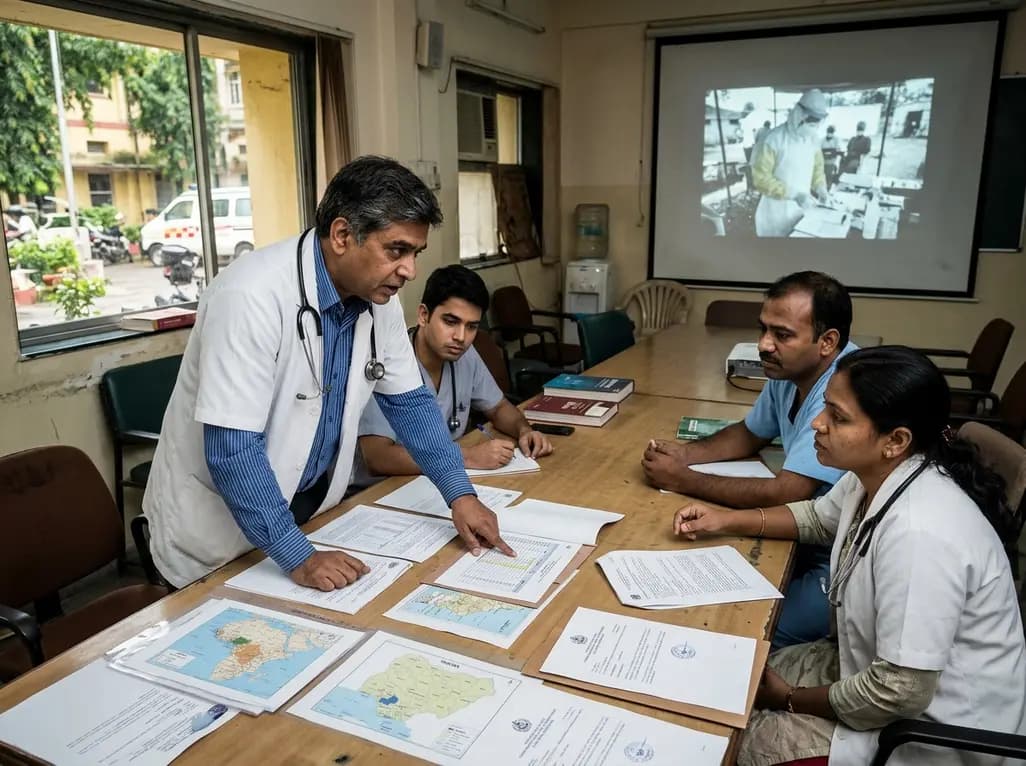
Following Nigeria's first recorded Ebola case linked to regional travel, the Africa CDC has convened an emergency ministerial summit. This alert underscores critical clinical priorities for healthcare professionals, including differentiating early viral infection from malaria, implementing barrier nursing, and triage.
Today

Leucine Rich Bio has introduced South Asia's first comprehensive vaginal microbiome test, BugSpeaks. By profiling microbial dysbiosis, pathogens, and antimicrobial resistance, this next-generation diagnostic platform provides clinicians with deeper insights into recurrent infections, fertility, and reproductive health.
Today

Review how tailored exercise programs benefit frail older patients with heart failure. Explore pathophysiological mechanisms, individualized training prescriptions, and strategies to overcome adherence barriers in clinical practice.
Today

This comparative study evaluates posterior labral tears with and without glenohumeral instability, highlighting distinct demographic patterns, MRI underestimation in stable shoulders, and successful arthroscopic repair outcomes.
Today

A clinical study demonstrates that early intervention with tocilizumab, either as monotherapy or bridged with corticosteroids, achieves significant proptosis reduction and resolves active inflammation in treatment-naive thyroid eye disease.
Today
