.webp&w=384&q=75)

Loading, please wait...
Loading, please wait...

Researchers have introduced a revolutionary flexible piezoresistive sensor that significantly enhances the precision of biomedical monitoring. This new device utilizes a coupled electrospun multilayer microstructure (CEMP) to overcome traditional limitations in sensing technology. Specifically, it bridges the gap between high sensitivity and a broad detection range. Previously, these limitations hindered the development of integrated wearable platforms. Now, this technology allows for seamless integration into diverse health systems and advanced robotics.
The sensor features a dual-layer fiber-coupled structure made from CNT/TPU electrospun membranes. In this design, carbon nanotubes (CNTs) create a robust conductive network. Meanwhile, thermoplastic polyurethane (TPU) provides the necessary mechanical integrity for repeated use. Additionally, a porous PVP layer improves structural stability through synergistic physical and chemical interactions. Consequently, the sensor remains durable for over 8000 cycles while maintaining its ultra-high sensitivity of up to 5904.6 kPa.
This innovation offers several practical benefits for clinicians across multiple specialties. For instance, its sensitivity allows for the precise detection of arterial pulses and subtle vocal muscle vibrations. Furthermore, the wide detection window of 0-749 kPa enables applications in orthopedic gait analysis and surgical robotics. Therefore, doctors can utilize this technology for more accurate remote patient monitoring and intelligent diagnostic procedures. Moreover, the low fabrication cost ensures that these advanced sensing platforms remain accessible for large-scale clinical deployment.
The CEMP sensor uses a customized template-assisted electrospinning strategy. This ensures precise control over fiber morphology, allowing for both ultra-high sensitivity and a wide detection range in a single device.
Yes, the sensor demonstrates outstanding durability for over 8000 cycles. Its robust conductive network and chemical stability make it ideal for continuous wearable monitoring in diverse environments.
Disclaimer: This content is for informational and educational purposes only. It does not constitute medical advice or professional diagnostic services. Always seek the advice of your physician or other qualified health provider with any questions you may have regarding a medical condition. Refer to the latest local and national guidelines for clinical practice.
References
Zhang Z et al. Flexible Piezoresistive Sensor with Multi-layer Electrospun Structure for Ultra-sensitive and Wide-range Pressure Detection in Diverse Biomedical Applications. ACS Appl Mater Interfaces. 2026 Mar 23. doi: 10.1021/acsami.5c17144. PMID: 41872071.
Ramalingame R et al. Flexible piezoresistive sensor matrix based on a carbon nanotube PDMS composite for dynamic pressure distribution measurement. J Sens Sens Syst. 2019;8:1–7.
Li Y et al. Recent advances in electrospun fiber-based flexible pressure sensors for next-gen healthcare applications: a review. Soft Sci. 2026. doi: 10.20517/ss.2025.01.

Read summarized clinical updates, watch expert medical content, and earn CME certifications right from your smartphone.
Open your smartphone camera to scan and install.





Researchers develop an ultra-sensitive flexible piezoresistive sensor (CEMP) for advanced biomedical monitoring and industrial automation....
7 months ago

An observational study from the NIH All of Us Research Program reveals that adding a multi-ancestry polygenic risk score to machine learning models provides only modest improvements in predicting adult weight gain, underscoring the enduring significance of routine clinical and lifestyle factors.
Today

A study in JAMIA Open shows lightweight open-source reasoning LLMs achieve up to 95% sensitivity and accelerate evidence synthesis screening by nearly twentyfold, presenting a cost-effective, scalable AI solution for biomedical research and systematic reviews.
Today
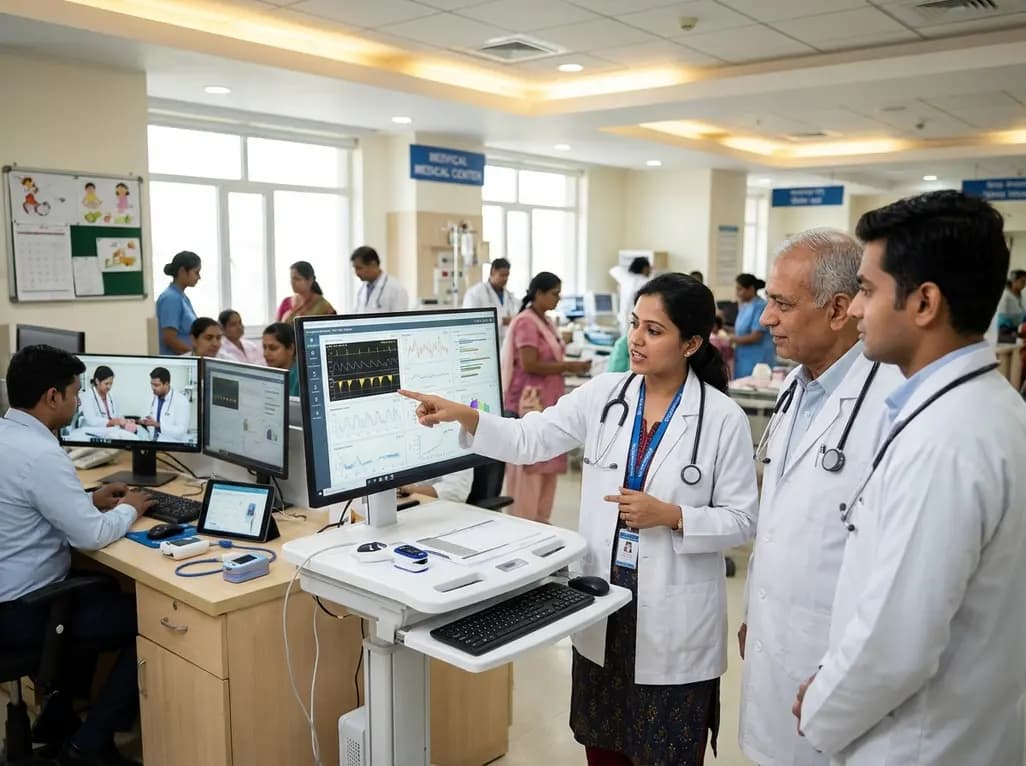
A landmark study details how an enterprise pediatric remote patient management model expanded from a single cardiology pilot to 16 diverse specialty programs by combining centralized digital operations with specialty clinical leadership.
Today
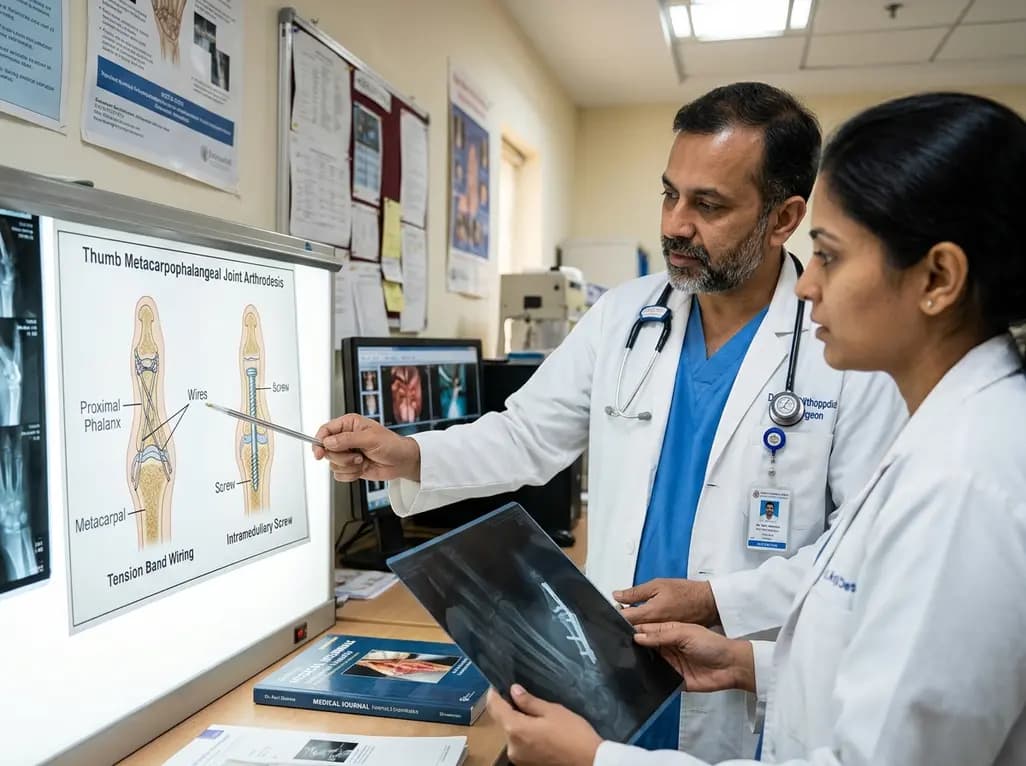
A comparative review of tension band wiring and intramedullary screw fixation in thumb metacarpophalangeal arthrodesis, evaluating union rates, hardware complications, and clinical outcomes.
Yesterday
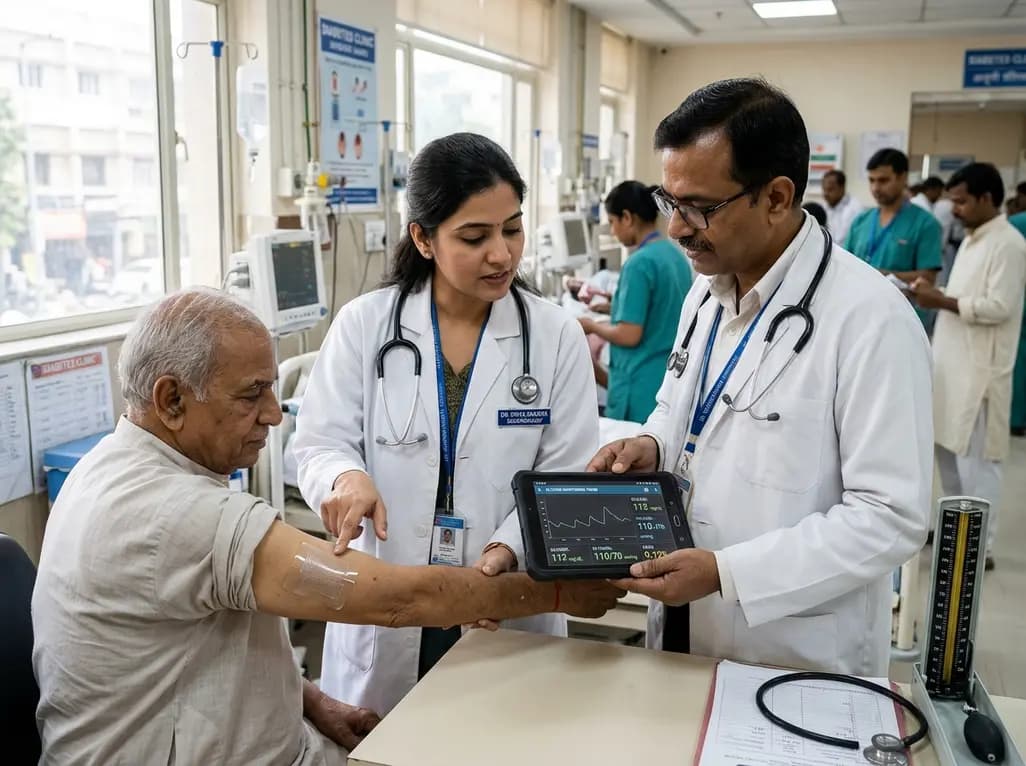
A breakthrough ultrathin multimodal sensor decouples physical hemodynamic monitoring from disposable electrochemical calibration, achieving long-term wearable glucose prediction with 81.36% accuracy and a 9.12% MARD. This offers a robust, drift-free solution for outpatient metabolic surveillance.
Yesterday
