.webp&w=384&q=75)

Loading, please wait...
Loading, please wait...

The study investigates feline intraocular metastatic carcinoma, specifically focusing on cases with a presumed pulmonary origin. In the first place, researchers analyzed eleven feline ocular biopsies collected between 2019 and 2025. In addition, every patient in this series had a previously identified thoracic mass. Consequently, the most common clinical indications for enucleation included glaucoma, uveitis, and the presence of an ocular mass. Indeed, these clinical signs often precede the respiratory diagnosis of the primary lung tumor.
Furthermore, the histological examination revealed distinct carpeting or gland-forming growth patterns. Specifically, these neoplastic cells primarily affected the anterior uvea. In fact, the team used Alcian blue staining to highlight the presence of goblet cells. Because of this approach, they identified goblet cells in 64% of cases. Notably, these cells were the most consistently observed histologic feature in the study.
However, other common markers showed significant variability. For example, thyroid transcription factor-1 (TTF-1) was present in only 18% of the cases. Similarly, vimentin immunolabeling occurred in just 36% of the samples. Therefore, these immunohistochemical markers are not always reliable for confirming a pulmonary origin. Instead, pathologists should prioritize the identification of goblet cells and review thoracic imaging to confirm the primary site.
Moreover, the research emphasizes that typical features of pulmonary neoplasia are not always found in metastatic sites. Nevertheless, radiographs successfully detected thoracic masses in all cases prior to ocular surgery. Thus, a comprehensive systemic evaluation is essential for any cat presenting with an unexplained ocular mass. Finally, these findings improve our understanding of the "lung-digit syndrome" variants, which may now include ocular involvement more frequently than previously thought.
Glaucoma, uveitis, and the observation of an intraocular mass are the most frequent clinical reasons for enucleation in these cases. Often, these ocular signs appear before respiratory symptoms become apparent.
Alcian blue staining helps identify goblet cells, which were found in 64% of the feline intraocular metastatic carcinoma cases. These cells are a key histologic feature when traditional markers like TTF-1 are absent.
Disclaimer: This content is for informational and educational purposes only and does not constitute medical advice or a professional relationship. Always consult with a qualified healthcare professional or veterinarian for medical concerns. Refer to the latest local and national guidelines for clinical practice.
References
Stocklein H et al. Histomorphologic and immunohistochemical characteristics of intraocular metastatic carcinomas of presumed pulmonary origin in cats: A retrospective case series from 2019 to 2025. Vet Pathol. 2026 May 12. doi: 10.1177/03009858261445996. PMID: 42117343.
D'Costa S et al. Morphologic and Molecular Analysis of 39 Spontaneous Feline Pulmonary Carcinomas. Vet Pathol. 2011 Sep;48(5):971-8. doi: 10.1177/0300985810390196.
Sabattini S et al. Feline pulmonary carcinoma: Gross, histological, metastatic, and immunohistochemical aspects. J Comp Pathol. 2022 Oct;198:1-10. doi: 10.1016/j.jcpa.2022.07.004.

Read summarized clinical updates, watch expert medical content, and earn CME certifications right from your smartphone.
Open your smartphone camera to scan and install.





A retrospective study explores the histological markers and clinical presentations of feline intraocular metastatic carcinomas of presumed pulmonary origin....
5 months ago

Co-administering antiseizure medications and DOACs frequently causes pharmacokinetic interactions, subtherapeutic drug levels, and thromboembolic failures. This review highlights enzyme induction risks, unpredictable outcomes with levetiracetam, and the vital role of therapeutic drug monitoring.
Today

Demanding exhaustive hormonal profiling can inadvertently discourage clinical studies involving females. Methodological standards must align with the specific scientific question to expand, not restrict, equitable evidence for women.
Today
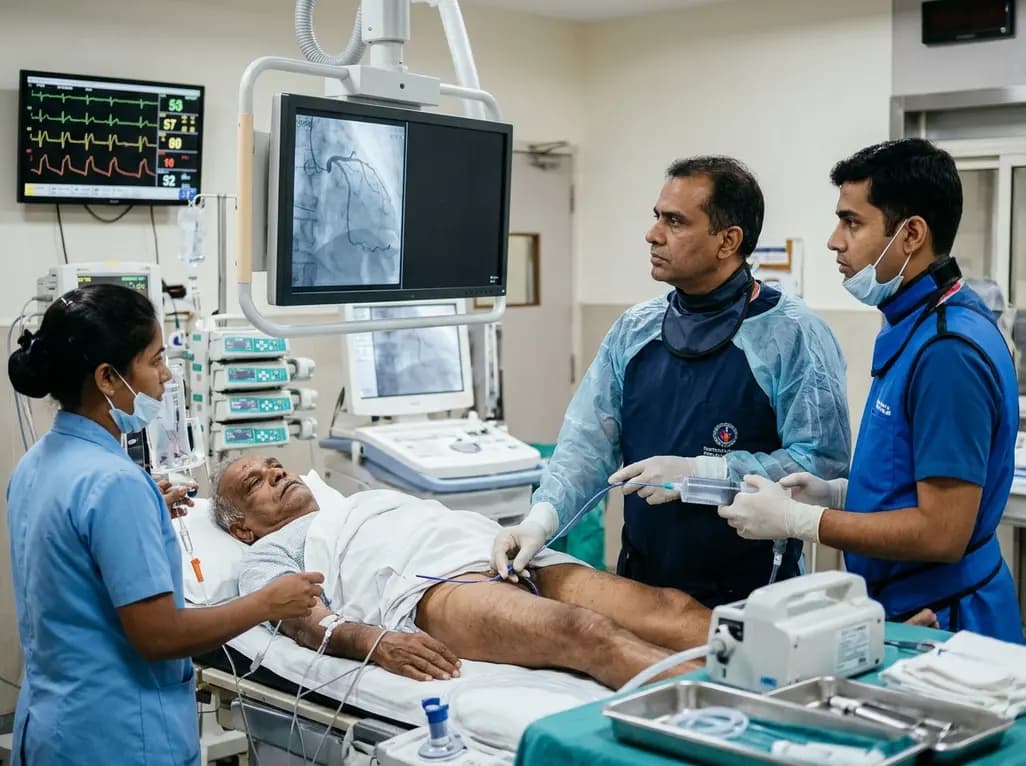
An elderly man with partially repaired Tetralogy of Fallot presented with STEMI caused by coronary embolism rather than atherosclerosis. Successful treatment with sustained mechanical aspiration thrombectomy underscores the vital need for high clinical vigilance in adult congenital heart disease.
Today

A comparative review of tension band wiring and intramedullary screw fixation in thumb metacarpophalangeal arthrodesis, evaluating union rates, hardware complications, and clinical outcomes.
Today

Following regulatory scrutiny from FSSAI regarding promotional representations and lean muscle preservation claims, Dr. Reddy's Laboratories and Nestlé Health Science are currently reviewing the branding and marketing strategy for their joint nutritional supplement Celevida GLP+.
Today
