.webp&w=384&q=75)

Loading, please wait...
Loading, please wait...

Radiation safety protocols at the Fukushima Daiichi Nuclear Power Station (FDNPS) are evolving as decommissioning enters a critical phase. While decontamination efforts have allowed standard clothing in 96% of the site, reactor buildings remain high-risk zones. Therefore, implementing advanced internal radiation exposure monitoring is crucial for worker protection during the upcoming removal of fuel debris. This process requires a shift from general screening to detailed individual dose assessments.
The primary challenge in these special operations involves managing both alpha-emitting and gamma-emitting radionuclides. Currently, Cs-137 is the dominant radionuclide requiring individual monitoring for all workers entering controlled areas. To address this, TEPCO employs whole-body counters for initial screening. However, as 2024 approaches, the nature of workplace hazards is expected to change due to direct contact with fuel debris.
As work shifts deeper into reactor buildings, simple screening is no longer sufficient. Consequently, a comprehensive monitoring system must integrate both in-vivo and in-vitro bioassays. This hybrid approach allows for the precise calculation of specific radionuclides that contribute to the internal dose during exposure events. Furthermore, quality assurance programs are being updated to ensure the high reliability of individual monitoring data as operational complexity increases.
Decommissioning activities from 2024 onwards will involve handling melted nuclear fuel debris, which increases the risk of inhaling or ingesting unsealed radioactive materials. This phase necessitates more frequent in-vitro bioassays, such as urine or fecal analysis, to detect less volatile isotopes. Moreover, workplace measurement data from FDNPS currently guides the selection of appropriate monitoring frequencies. This data-driven strategy minimizes health risks while allowing steady progress in site restoration.
In-vivo bioassays involve the direct measurement of radiation from the body using devices like whole-body counters. In contrast, in-vitro bioassays analyze biological samples, such as urine or excreta, to detect specific radionuclides that have been internalized.
Cs-137 is currently the most prevalent radionuclide at the site and emits gamma radiation, which is easily detected via whole-body counting. It serves as a primary indicator of potential internal exposure for workers operating in controlled areas.
Disclaimer: This content is for informational and educational purposes only. It does not constitute medical advice or establish a doctor-patient relationship. Refer to the latest local and national guidelines for clinical practice.
References

Read summarized clinical updates, watch expert medical content, and earn CME certifications right from your smartphone.
Open your smartphone camera to scan and install.





Summary of FDNPS internal radiation monitoring protocols, including in-vivo/in-vitro bioassays and safety measures for worker protection from 2024....
5 months ago

Following regulatory scrutiny from FSSAI regarding promotional representations and lean muscle preservation claims, Dr. Reddy's Laboratories and Nestlé Health Science are currently reviewing the branding and marketing strategy for their joint nutritional supplement Celevida GLP+.
Today
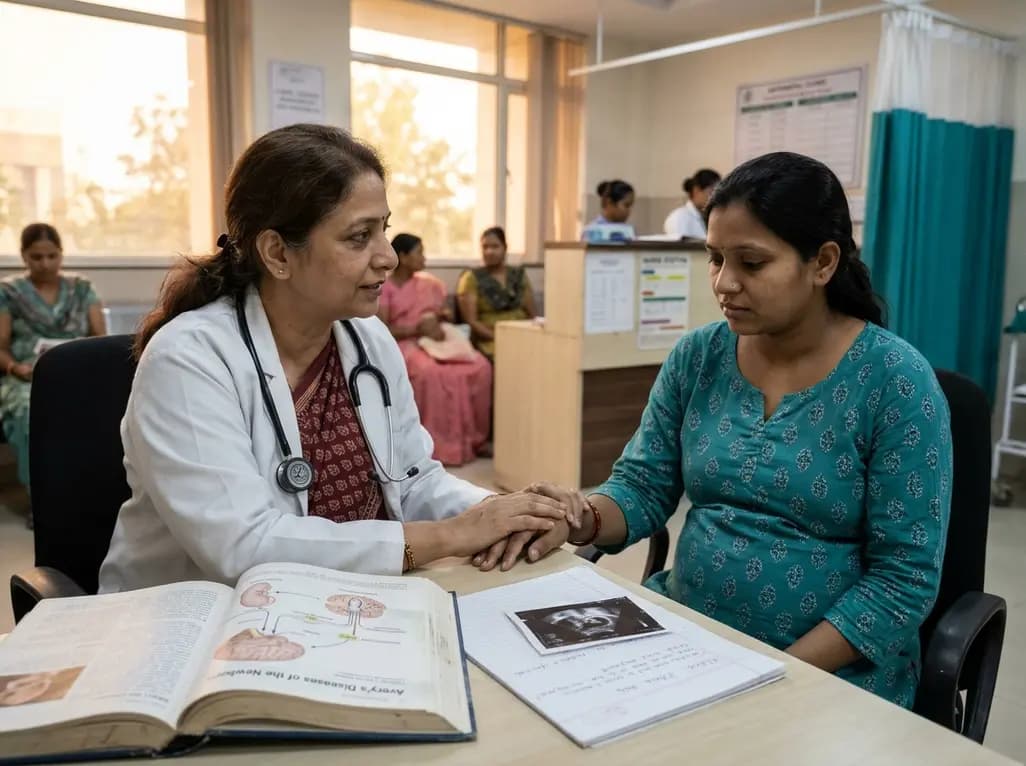
A comprehensive scoping review synthesises evidence linking prenatal maternal mental health to long-term offspring neurodevelopment, evaluating neuroendocrine, inflammatory, and epigenetic pathways while highlighting clinical screening and future research priorities.
Today

The Directorate General of Health Services directs Indian states to halt the hazardous reuse and reprocessing of single-use medical devices. Discover regulatory implications under the Drugs and Cosmetics Act, critical infection risks, legal liabilities, and operational changes required across clinical specialties.
Today
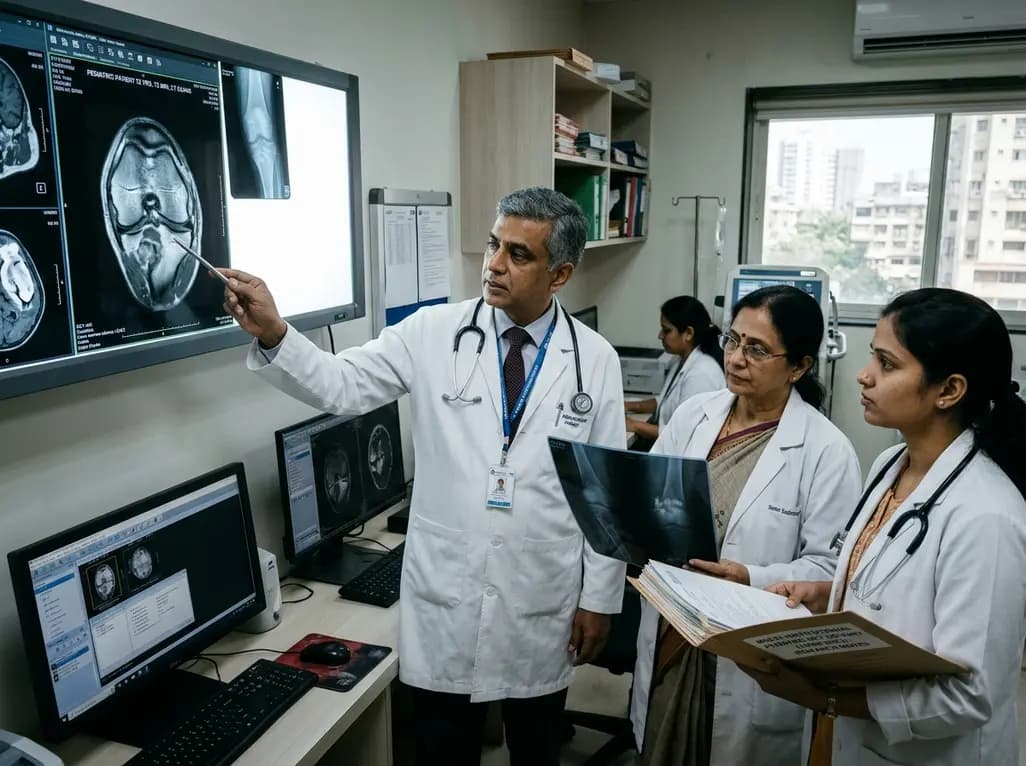
A 25-year multi-institutional cohort reveals high recurrence rates in pediatric giant cell tumor of bone, particularly in patients with open physes and bone marrow edema on preoperative MRI. Early surveillance and careful balance between growth plate preservation and tumor clearance are essential.
Today

India is advancing preventive healthcare by integrating genomics, artificial intelligence, and quantum technologies. With the SANGAM programme sequencing one million Indian genomes, clinicians can unlock personalized therapies, detect cardiometabolic risks early, and curb the burden of diabetes and heart disease.
Today
