.webp&w=384&q=75)

Loading, please wait...
Loading, please wait...
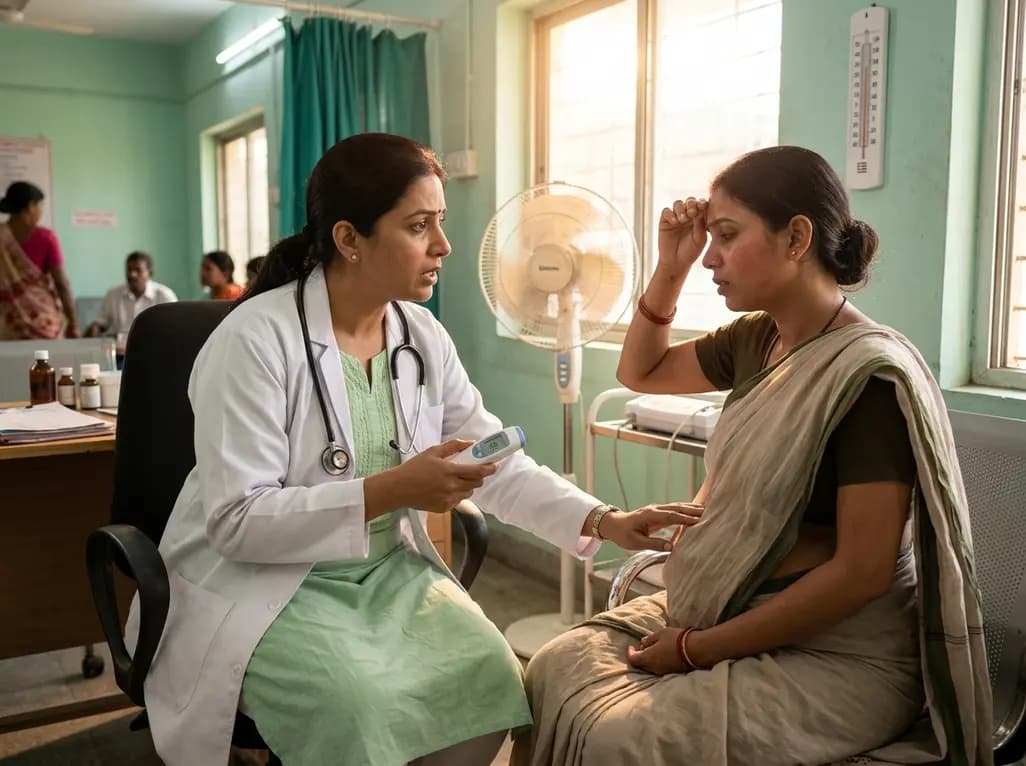
Climate change presents unprecedented challenges to global public health, particularly in developing nations. Recently, a major study highlighted a critical maternal health threat. This research analyzed the impact of extreme heat in pregnancy on newborn outcomes in India. It was published in the journal Environmental Research Communications. Scientists from the University of Queensland and IIT-Delhi examined data from 209,266 births. Consequently, they established a clear association between prolonged heat exposure and adverse birth outcomes, including preterm births, low birth weight, and stillbirths. Therefore, this research underlines the urgent need for climate-conscious obstetric care.
The timing of maternal exposure to thermal stress significantly shapes fetal development. According to the study, different trimesters exhibit distinct vulnerabilities. For instance, first-trimester exposure to extreme heat closely correlates with preterm birth. This early stage of embryogenesis is highly sensitive to external environmental stressors. Consequently, maternal hyperthermia may trigger premature inflammatory pathways, leading to early delivery.
In contrast, extreme heat during the second trimester primarily leads to lower birth weight. This phase represents a critical window for rapid fetal growth and placental development. When a pregnant woman experiences prolonged heat, maternal thermoregulation diverts blood to the skin. As a result, reduced placental blood flow limits nutrient delivery to the growing fetus. This restriction directly compromises fetal nourishment.
Finally, the third trimester represents the most dangerous period for stillbirth. Although the estimate is less certain, the association remains clinically significant. Heat stress late in gestation can cause acute placental insufficiency or severe fetal distress. Therefore, clinicians must remain vigilant throughout pregnancy to mitigate these trimester-specific dangers. This proactive clinical vigilance is essential for preventing adverse neonatal outcomes.
One of the study's most critical findings is that heat risk is cumulative. Specifically, each consecutive sweltering day acts as an incremental health hazard. The data reveals that each additional hot day during pregnancy increases low birth weight odds by 1 percent. Thus, brief heat exposure is manageable, but prolonged heat waves are highly dangerous. This cumulative risk means that longer summer heatwaves pose a severe threat.
To reach these conclusions, researchers analyzed India’s National Family Health Survey records from 2015 to 2020. This massive dataset allowed them to match daily birth outcomes with local meteorological conditions. Because they examined over two hundred thousand births, the study carries exceptionally strong statistical power. This makes the findings highly representative of the Indian population.
Furthermore, the research adjusted for various confounding factors, such as maternal age, parity, and socioeconomic status. Despite these adjustments, the correlation between consecutive sweltering days and fetal growth restriction remained robust. Therefore, extreme heat is not merely a background condition. Instead, it is an independent risk factor. Consequently, public health strategies must target this cumulative danger to protect babies.
Extreme temperatures do not impact everyone equally. In fact, the risk falls most heavily on women who are already vulnerable. For example, mothers with a low body mass index below 18.5 face a much higher risk of low-birth-weight deliveries. These under-nourished women lack the physiological reserves needed to cope with thermal stress. Thus, malnutrition worsens the physiological impact of climate change.
Additionally, socio-economic disparities heavily influence a mother's capacity to adapt to rising temperatures. Poorer women often work in demanding outdoor environments or live in poorly ventilated housing. Therefore, they cannot easily escape sweltering conditions. Sagnik Dey, a co-author of the study, highlighted this critical social gradient. He noted that the mothers most exposed to extreme heat are usually those with the fewest resources.
This includes the poorest, the least educated, and the under-nourished segments of society. Consequently, any public health intervention that ignores this social gradient will fail. Medical professionals must recognize that clinical solutions alone are insufficient. We must combine maternal health programs with targeted social support. This integrated approach protects vulnerable mothers and improves future neonatal healthcare outcomes.
The study also revealed surprising geographical patterns across India's diverse climate zones. Most notably, prolonged heat waves severely affect pregnant women living in mountainous regions. This finding seems counter-intuitive because mountain regions are generally cooler than the plains. However, local populations in these areas are less acclimatized to sudden temperature spikes. They have historically lived in cooler environments.
Furthermore, high-altitude homes rarely handle extreme heat well. In contrast, people living in hotter plains have developed behavioral adaptations over generations. They have better access to shaded spaces, cooling practices, and physiological tolerance. Therefore, a moderate temperature increase in a mountainous region causes severe physiological stress. This is a critical risk factor that clinicians often overlook.
This highlights the importance of localized public health planning. We cannot rely on a single, uniform heat plan for the entire country. Instead, local authorities must tailor their climate adaptation strategies to specific regional vulnerabilities. For instance, cold-climate regions require unique early-warning systems and cooling shelters. Ultimately, understanding these regional differences is vital for reducing heat-related maternal risks across various Indian climate zones and protecting unborn baby lives.
For Indian healthcare providers, these findings demand a proactive clinical response. First, obstetricians must incorporate heat-health counseling into routine prenatal visits. Doctors should educate pregnant women about the physiological dangers of high temperatures. Specifically, clinicians must advise patients to maintain adequate hydration and limit outdoor activities during peak heat hours. This simple advice can significantly protect vulnerable patients.
Second, clinicians must intensify monitoring for high-risk patients. For example, mothers with low body mass index require close tracking of fetal growth during summer. Similarly, practitioners in mountain regions should advise patients on how to keep indoor environments cool. Furthermore, clinicians must teach pregnant women to recognize early warning signs of heat stress. These signs include dizziness, excessive sweating, and premature contractions.
Finally, healthcare facilities must prepare for seasonal surges in obstetric emergencies. Hospitals should establish dedicated cool zones for pregnant patients. In addition, medical staff require training to manage acute maternal hyperthermia and fetal distress. By taking these practical steps, medical professionals can protect newborns. Ultimately, integrating climate awareness into clinical practice is essential for modern, effective, and safe maternal patient care.
Q1: How does prenatal heat exposure cause low birth weight?
Prolonged heat exposure forces a pregnant woman's body to prioritize thermoregulation. Consequently, the body diverts blood away from internal organs, including the uterus, to cool the skin. As a result, reduced uteroplacental blood flow limits the supply of oxygen and nutrients to the fetus. Over consecutive hot days, this chronic restriction impairs fetal growth, leading to lower birth weight at delivery.
Q2: Which trimesters are most vulnerable to heat stress?
The study highlights that gestational timing dictates specific risks. Specifically, extreme heat during the first trimester closely correlates with preterm birth. During the second trimester, heat exposure primarily leads to lower fetal birth weight. Finally, third-trimester exposure presents the highest risk for stillbirth and late pregnancy loss. Therefore, clinicians must sustain protective interventions throughout pregnancy.
Q3: Why are mountainous regions more vulnerable to heat?
Women in mountainous regions suffer more during heat extremes because they are less acclimatized to high temperatures. Historically, these areas have experienced cooler climates, so local populations lack physiological adaptations. Furthermore, mountain infrastructure rarely features designs for cooling. Consequently, sudden temperature spikes cause severe physiological stress in pregnant women. This lack of acclimatization and protective housing increases their risk of adverse pregnancy outcomes.
Disclaimer: This content is for informational and educational purposes only. It does not constitute medical advice or replace professional judgment. Refer to the latest local and national guidelines for clinical practice.
References

Read summarized clinical updates, watch expert medical content, and earn CME certifications right from your smartphone.
Open your smartphone camera to scan and install.





A landmark study reveals that consecutive days of extreme heat in India significantly increase the risks of low birth weight, preterm birth, and stillbirth. Learn how maternal vulnerability, regional climate differences, and socio-economic factors shape these adverse pregnancy outcomes and how to protect patients.
3 months ago
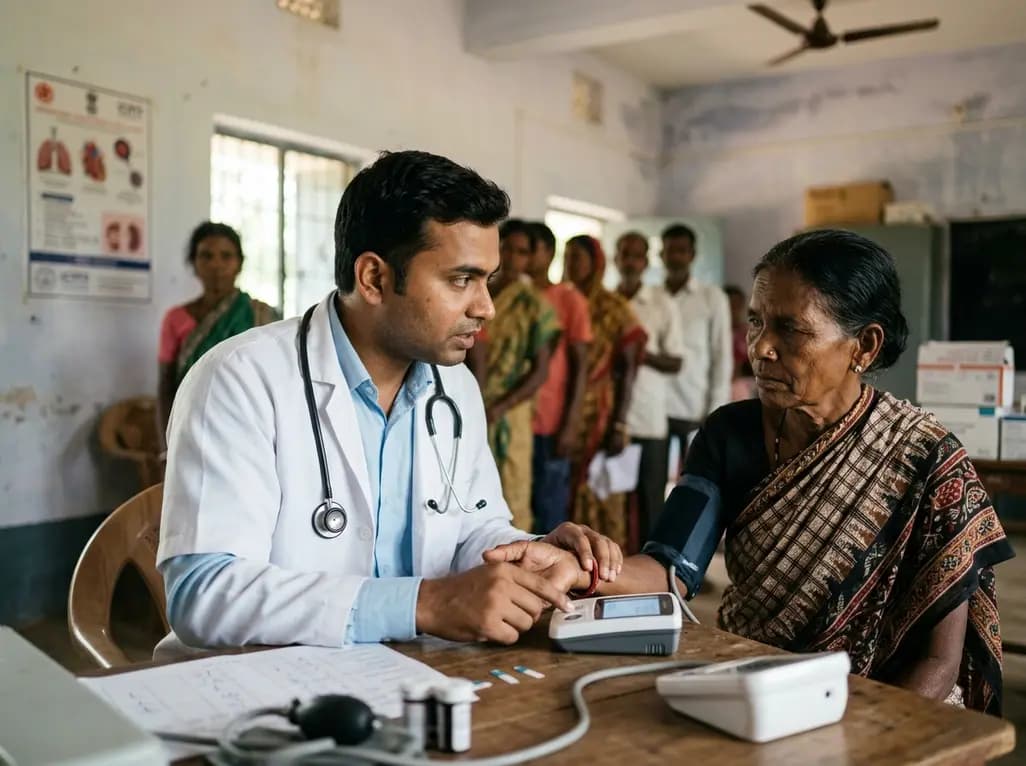
An ICMR study reveals that nearly 25% of tribal adults in Odisha suffer from renal decline. Driven by untreated hypertension, diabetes, and lifestyle risks, this hidden burden highlights the critical need for point-of-care diagnostics, proactive screening, and targeted non-communicable disease interventions.
Today

A study in Ultrasound in Obstetrics & Gynecology shows that quantitative vascularization of the anterior fornix/cervix with transvaginal ultrasound reliably identifies placenta accreta spectrum and predicts severe intraoperative hemorrhage, offering vital objective risk stratification.
Today
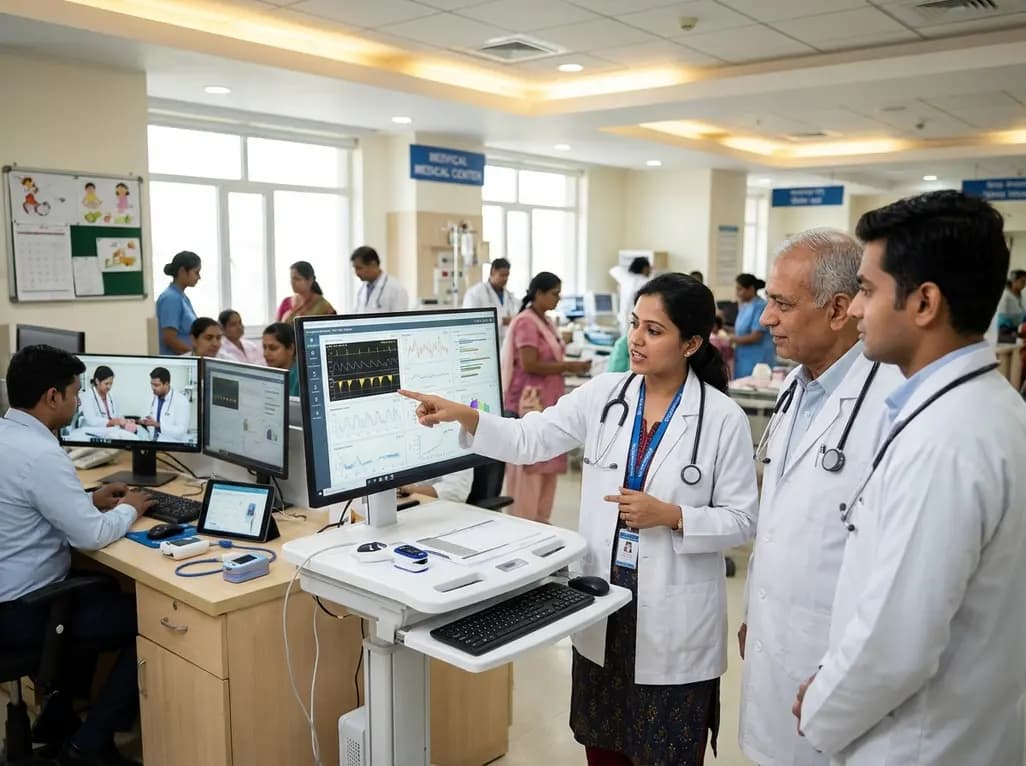
A landmark study details how an enterprise pediatric remote patient management model expanded from a single cardiology pilot to 16 diverse specialty programs by combining centralized digital operations with specialty clinical leadership.
Yesterday
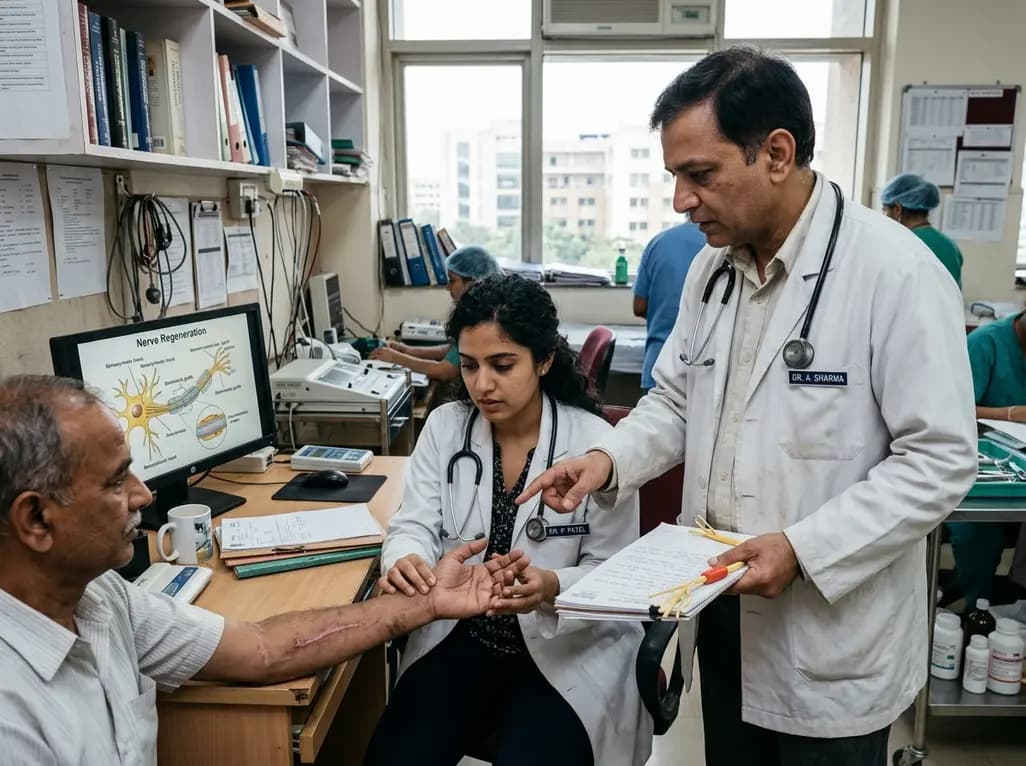
Peripheral nerve injuries present clinical challenges due to regenerative mismatches between sensory and motor neurons. This review explores cutting-edge tissue-engineered nerve grafts designed as central-peripheral signal relays to overcome denervation atrophy and restore functional motor-sensory recovery.
Today
Protein O-GlcNAcylation couples cellular nutrient status to vital neuronal functions. This review explores how disrupted O-GlcNAc cycling drives both neurodevelopmental delays and neurodegenerative cascades, positioning metabolic post-translational modifications as therapeutic targets in clinical neurology.
Today
