.webp&w=384&q=75)

Loading, please wait...
Loading, please wait...
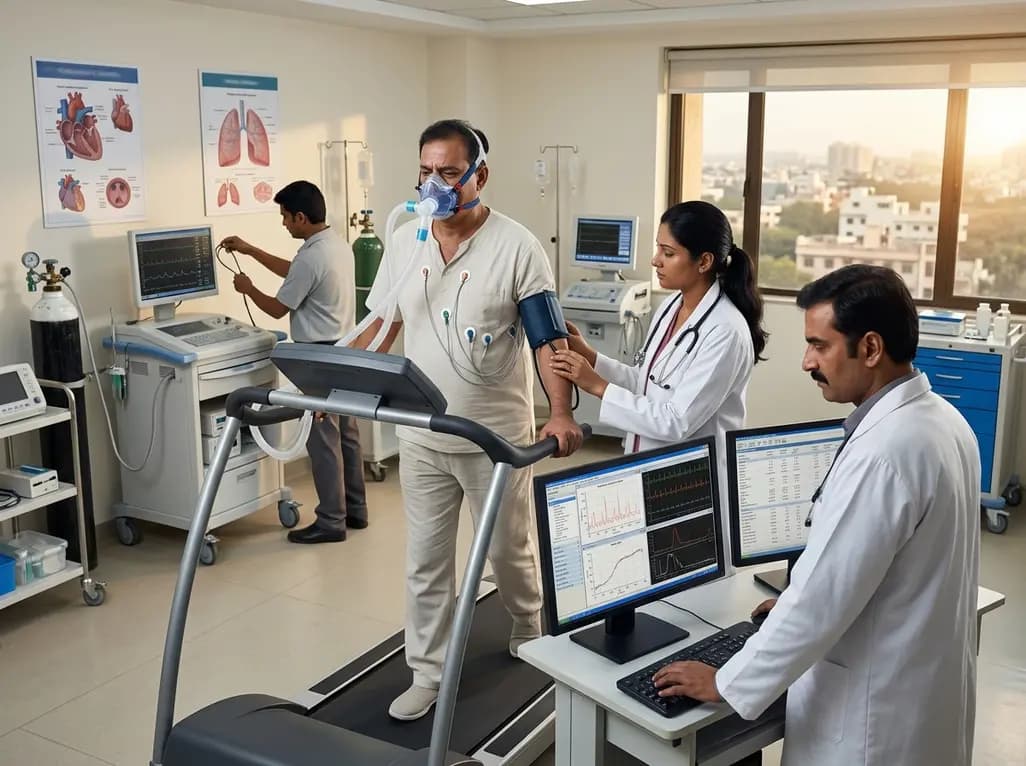
Identifying exertional symptom phenotypes is increasingly vital for clinicians managing chronic respiratory and cardiovascular conditions. Exercise-induced symptoms, specifically dyspnea and leg discomfort, serve as critical markers for risk stratification and diagnostic accuracy. A recent multicenter study investigated these symptoms using integrated cardiopulmonary exercise testing (CPET) to map functional variables in 948 adult patients.
The study analyzed patient responses at peak exercise, finding that both dyspnea and leg discomfort often reach maximal intensity. Consequently, researchers identified four distinct exertional symptom phenotypes: paucisymptomatic, peripheral, mixed, and dyspneic. These categories provide a robust framework for understanding how patients experience physiological limits. Moreover, these groups exhibited a sequential and progressive impairment of peak work rate and oxygen consumption (VO2).
Furthermore, the data revealed a bimodal trend for leg discomfort followed by a linear inverse relationship with dyspnea as functional severity increased. Therefore, the paucisymptomatic group showed the least impairment, while the dyspneic group faced the most severe functional limitations. This suggests that the type of symptom reported is directly linked to the degree of multi-organ functional decline.
Because these phenotypes align with specific levels of functional decline, they offer significant therapeutic value. Clinicians can now orient rehabilitation strategies toward the specific limiting system predominantly responsible for the symptoms. Additionally, this approach ensures more effective interventions by focusing on either respiratory or peripheral muscle training. Ultimately, understanding these symptom clusters enhances the precision of medical management in exercise-limited patients.
The four phenotypes identified are paucisymptomatic (low overall symptoms), peripheral (predominantly leg discomfort), mixed (high levels of both), and dyspneic (predominantly shortness of breath).
Identifying the predominant symptom allows doctors to tailor rehabilitation. For instance, peripheral phenotypes may benefit more from strength training, while dyspneic phenotypes may require optimized ventilatory support or specific breathing exercises.
Integrated cardiopulmonary exercise testing (CPET) provides the objective multi-organ data needed to link subjective symptoms to actual physiological impairment.
Disclaimer: This content is for informational and educational purposes only. It does not constitute professional medical advice, diagnosis, or treatment. Always seek the advice of your physician or other qualified health provider with any questions you may have regarding a medical condition. Refer to the latest local and national guidelines for clinical practice.
References
Orozco-Ramírez M et al. [Unraveling the Phenotypes of Dyspnea and Leg Discomfort Symptoms During Exercise and Their Clinical Relevance: A Multicenter Real-Life Study in the Andean Region]. Rehabilitacion (Madr). 2026 Jun 09. doi: undefined. PMID: 42263328.
American Thoracic Society. ATS/ACCP Statement on Cardiopulmonary Exercise Testing. Am J Respir Crit Care Med. 2003.
Wasserman K, et al. Principles of Exercise Testing and Interpretation. Wolters Kluwer; 2020.
"
Read summarized clinical updates, watch expert medical content, and earn CME certifications right from your smartphone.
Open your smartphone camera to scan and install.





A multicenter study identifies four phenotypes of dyspnea and leg discomfort during exercise, highlighting their clinical relevance for targeted rehabilitat...
4 months ago

As monsoon seasons elevate arboviral disease threats, Tamil Nadu has initiated an ICMR-monitored evaluation of the tetravalent dengue vaccine in Tenkasi district. Clinicians emphasize clinical monitoring, public prevention, and high-quality early pediatric care to reduce disease morbidity across endemic regions.
Today

Leucine Rich Bio has introduced South Asia's first comprehensive vaginal microbiome test, BugSpeaks. By profiling microbial dysbiosis, pathogens, and antimicrobial resistance, this next-generation diagnostic platform provides clinicians with deeper insights into recurrent infections, fertility, and reproductive health.
Today

Review how tailored exercise programs benefit frail older patients with heart failure. Explore pathophysiological mechanisms, individualized training prescriptions, and strategies to overcome adherence barriers in clinical practice.
Today

This comparative study evaluates posterior labral tears with and without glenohumeral instability, highlighting distinct demographic patterns, MRI underestimation in stable shoulders, and successful arthroscopic repair outcomes.
Today

A clinical study demonstrates that early intervention with tocilizumab, either as monotherapy or bridged with corticosteroids, achieves significant proptosis reduction and resolves active inflammation in treatment-naive thyroid eye disease.
Today
