.webp&w=384&q=75)

Loading, please wait...
Loading, please wait...

Recent qualitative research explores the profound role of ethnicity in medical education and its impact on clinical training. While medical schools strive for inclusivity, many students from diverse backgrounds continue to face significant hurdles. This study specifically analyzes the experiences of graduate-entry students, revealing that clinical interactions often become sites of unintended disadvantage. Consequently, understanding these dynamics is vital for fostering a supportive learning environment.
The study found that clinician interactions, rather than patient encounters, often cause the most significant educational disadvantage. Students reported being frequently overlooked during teaching sessions and clinical opportunities. Furthermore, \"unfamiliar\" names served as a catalyst for negative experiences. Some clinicians disrespected or simply ignored students with names they perceived as difficult to pronounce. Thus, these subtle yet consistent biases create an exclusionary atmosphere for minority students.
Microaggressions represent another major challenge identified by both BAME and White participants. Patients were frequently linked to overt racism, yet the impact of clinician-led microaggressions was felt more acutely in terms of learning outcomes. Additionally, institutional factors like outdated language and inadequate support systems compound these issues. When students attempted to escalate their concerns, they often felt dismissed or unsupported. Therefore, many eventually stopped seeking help, reinforcing a sense of being \"othered\" within the academic community.
To improve ethnicity in medical education, institutions must address systemic biases and improve support mechanisms. The research suggests that while patient-driven discrimination is common, the clinical team has a greater influence on a student's sense of belonging. Consequently, medical schools should focus on faculty training to mitigate bias in teaching. Furthermore, creating robust pathways for reporting and addressing discrimination is essential for student well-being and academic success.
Ethnicity can impact learning through clinician bias, where students might be overlooked for opportunities. Additionally, microaggressions and issues with name pronunciation can create an unwelcoming environment that hinders professional development.
Institutions can implement bias-awareness training for clinicians, update curricula language, and ensure that students have clear, supportive channels to report discrimination without fear of dismissal.
Disclaimer: This content is for informational and educational purposes only. It does not constitute medical advice or a professional educational mandate. Refer to the latest local and national guidelines for clinical practice.
References

Read summarized clinical updates, watch expert medical content, and earn CME certifications right from your smartphone.
Open your smartphone camera to scan and install.





Study reveals how ethnicity impacts clinical training, highlighting clinician-driven disadvantage and the need for institutional support in medical educatio...
8 months ago
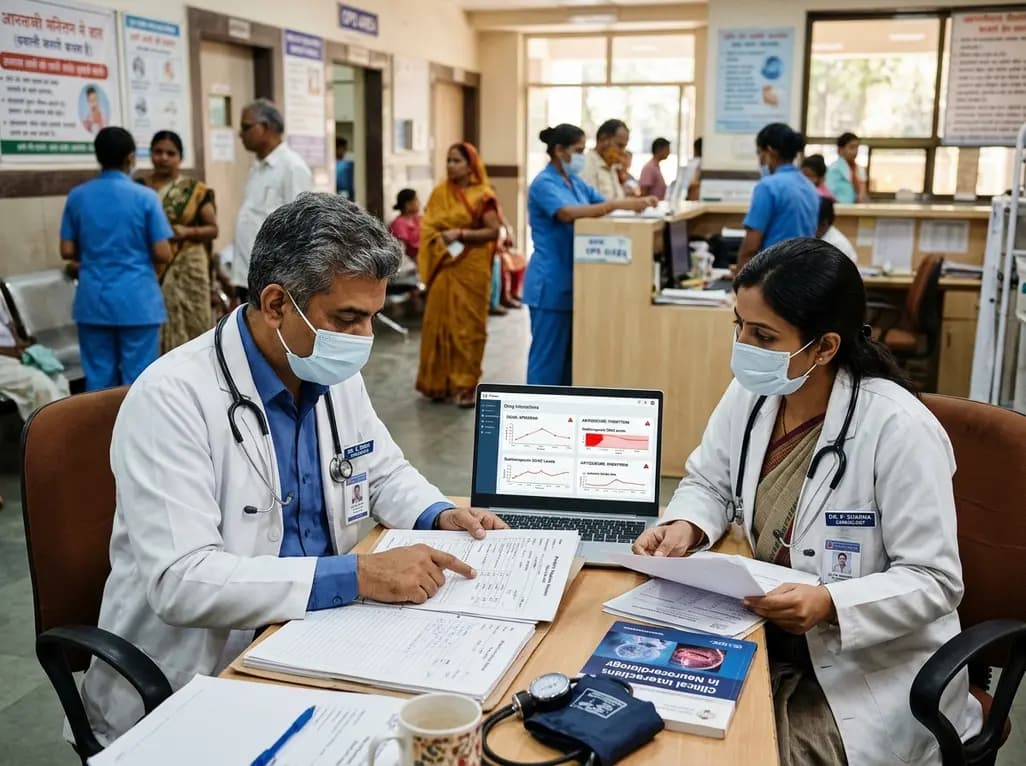
Co-administering antiseizure medications and DOACs frequently causes pharmacokinetic interactions, subtherapeutic drug levels, and thromboembolic failures. This review highlights enzyme induction risks, unpredictable outcomes with levetiracetam, and the vital role of therapeutic drug monitoring.
Today
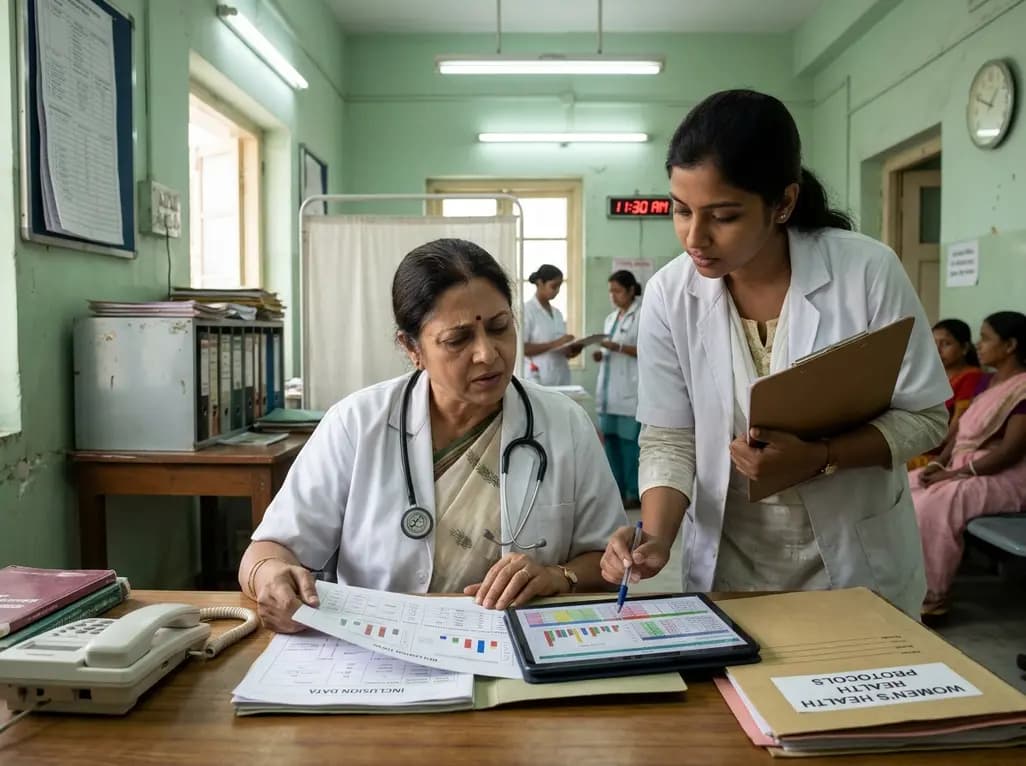
Demanding exhaustive hormonal profiling can inadvertently discourage clinical studies involving females. Methodological standards must align with the specific scientific question to expand, not restrict, equitable evidence for women.
Today
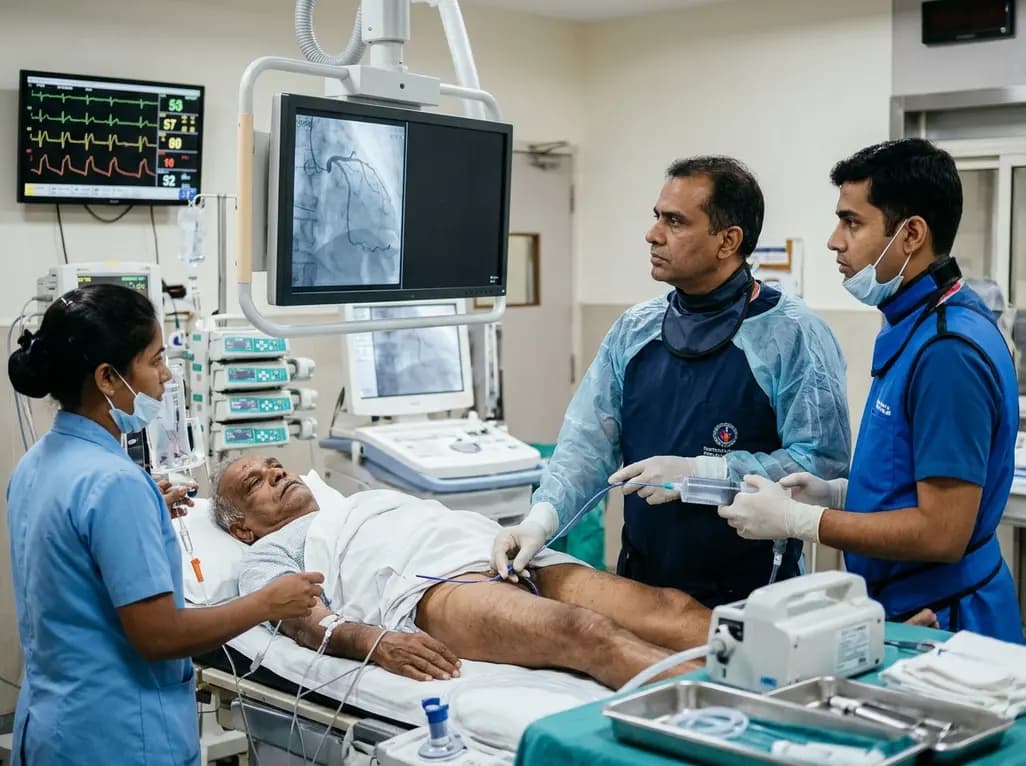
An elderly man with partially repaired Tetralogy of Fallot presented with STEMI caused by coronary embolism rather than atherosclerosis. Successful treatment with sustained mechanical aspiration thrombectomy underscores the vital need for high clinical vigilance in adult congenital heart disease.
Today
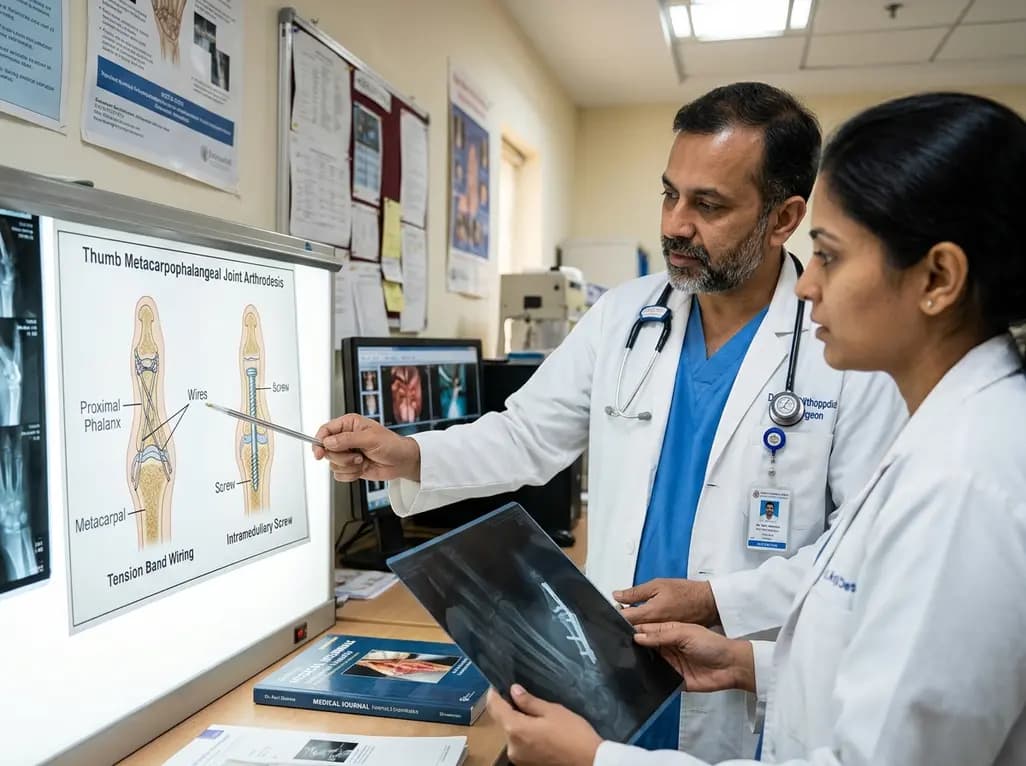
A comparative review of tension band wiring and intramedullary screw fixation in thumb metacarpophalangeal arthrodesis, evaluating union rates, hardware complications, and clinical outcomes.
Today

Following regulatory scrutiny from FSSAI regarding promotional representations and lean muscle preservation claims, Dr. Reddy's Laboratories and Nestlé Health Science are currently reviewing the branding and marketing strategy for their joint nutritional supplement Celevida GLP+.
Today
