.webp&w=384&q=75)

Loading, please wait...
Loading, please wait...

Recent research highlights the critical role of eSAFER, an online patient decision aid, in facilitating suicide risk reduction among women veterans. Statistics indicate that firearms are the leading method of suicide for this demographic, involved in nearly half of all such deaths. Consequently, medical educators and healthcare providers are seeking scalable, tailored interventions to address this specific public health priority. The eSAFER tool stands for Supporting Suicide prevention through Awareness, Firearm Safety, Education and Resources.
The eSAFER platform provides a digital space for veterans to explore personalized safety options. Furthermore, the aid includes specific statistics regarding women veterans and emphasizes nonlethal safety considerations. Most importantly, 94% of study participants reported that the aid encouraged them to involve trusted individuals in their safety planning. This empowerment allows patients to take ownership of their mental health journey. Additionally, the transition to a digital format has proven highly successful among users.
Moreover, all interviewed participants expressed a preference for the online version over traditional paper-based methods. They cited enhanced accessibility, confidentiality, and the ease of sharing their digital plans as primary benefits. Consequently, online decision aids are not only effective but also preferred by high-risk populations who value privacy and convenience. This preference suggests that digital tools can significantly improve engagement in safety protocols.
The study results indicate that eSAFER can bridge the gap between risk recognition and active safety management. By guiding users through personalized choices, the tool helps veterans feel more supported and less stigmatized. Furthermore, clinicians can utilize such scalable tools to reach veterans who might otherwise avoid in-person counseling for firearm safety. This approach aligns with the national priority of reducing veteran suicide through innovative, accessible technology.
eSAFER is an online tool designed to help women veterans recognize mental health risks and develop personalized safety plans, with a specific focus on firearm safety and storage.
Women veterans often face unique risk factors compared to male veterans or civilian women. Therefore, they require interventions that address their specific experiences, including military-related trauma and gender-specific safety concerns.
Research indicates that participants find the online version more accessible and confidential. This ease of use makes them more likely to complete their safety plans and share them with trusted support networks.
Disclaimer: This content is for informational and educational purposes only. It does not constitute medical advice or a professional relationship. Refer to the latest local and national guidelines for clinical practice.
References
Sadler AG et al. Addressing Firearm Suicide Risk Reduction with an Online Patient Decision Aid Tailored to Women Veterans. J Womens Health (Larchmt). 2026 Mar 19. doi: 10.1177/15409996261434153. PMID: 41856920.
Sadler AG et al. Development of a Patient Decision Aid to Prevent Firearm Suicide Among US Women Reserve and National Guard Veterans. J Gen Intern Med. 2025 Nov 16. doi: 10.1007/s11606-025-09514-x.
"
Read summarized clinical updates, watch expert medical content, and earn CME certifications right from your smartphone.
Open your smartphone camera to scan and install.





Researchers evaluate eSAFER, a tailored online decision aid designed to reduce firearm suicide risk among women veterans through personalized safety plannin...
7 months ago

A landmark 12-year longitudinal study highlights significant reductions in opioid prescribing for nonspecific low back pain following clinical guidelines and prescription monitoring systems, emphasizing non-opioid multimodal pain care.
Today
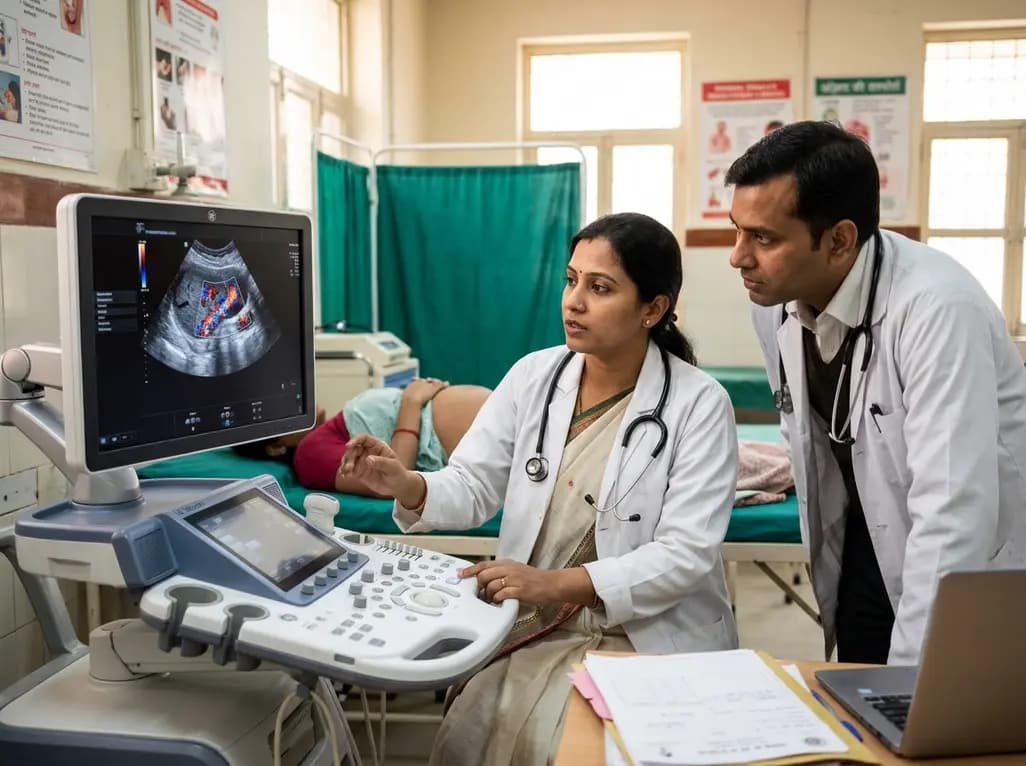
A study in Ultrasound in Obstetrics & Gynecology shows that quantitative vascularization of the anterior fornix/cervix with transvaginal ultrasound reliably identifies placenta accreta spectrum and predicts severe intraoperative hemorrhage, offering vital objective risk stratification.
Today
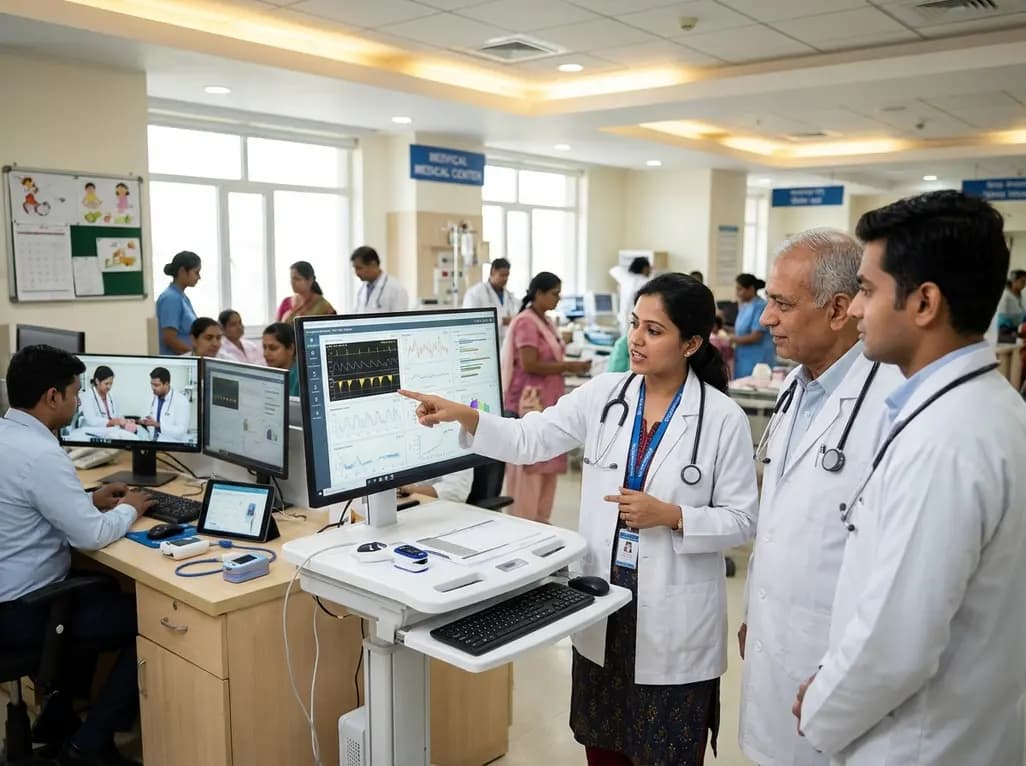
A landmark study details how an enterprise pediatric remote patient management model expanded from a single cardiology pilot to 16 diverse specialty programs by combining centralized digital operations with specialty clinical leadership.
Yesterday
A breakthrough study shows that 3D-planned corrective osteotomy successfully resolves distal radioulnar joint instability in pediatric diaphyseal forearm malunions. The precise osseous realignment eliminates chronic wrist pain and restores joint function without requiring secondary soft-tissue reconstruction.
Today

Protein O-GlcNAcylation couples cellular nutrient status to vital neuronal functions. This review explores how disrupted O-GlcNAc cycling drives both neurodevelopmental delays and neurodegenerative cascades, positioning metabolic post-translational modifications as therapeutic targets in clinical neurology.
Today
