.webp&w=384&q=75)

Loading, please wait...
Loading, please wait...
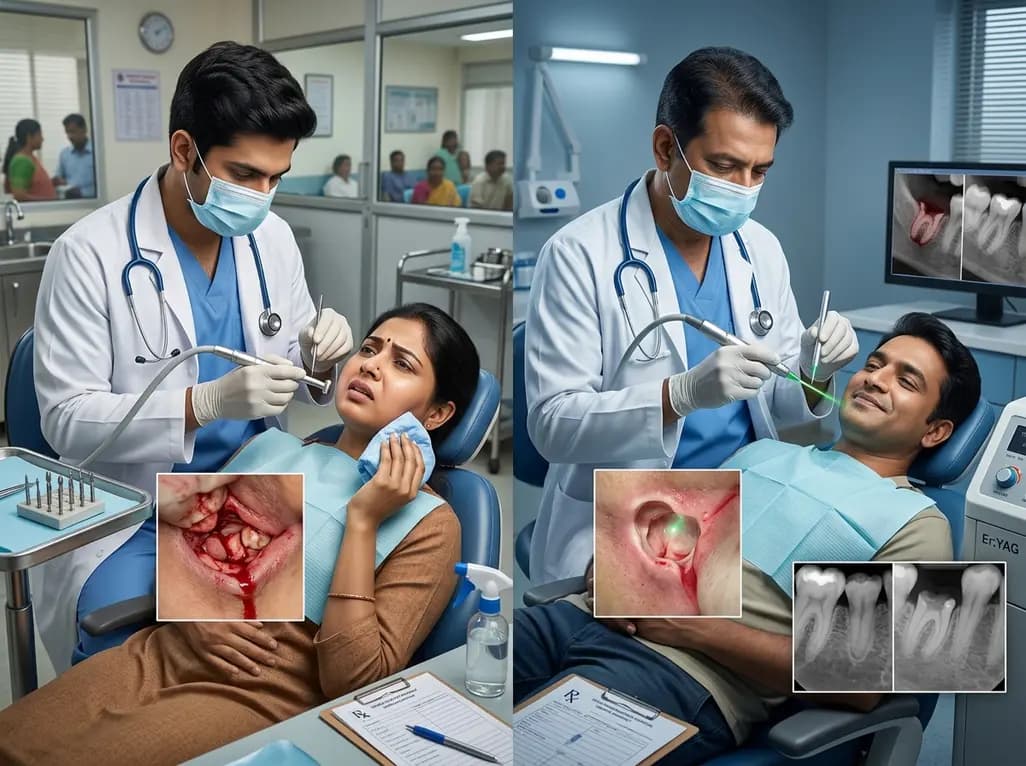
Removing impacted mandibular third molars often leads to significant postoperative discomfort and delayed healing. Therefore, dental researchers continue to explore minimally invasive alternatives like Er:YAG laser osteotomy. A recent randomized controlled clinical trial compared this technology against conventional rotary instrumentation to assess bone density and clinical outcomes. The study involved twenty-four patients, divided into two equal groups, to evaluate parameters like pain, edema, and trismus.
Researchers obtained CBCT scans preoperatively and at the three-month mark to assess bone density through voxel-based grayscale measurements. Specifically, the laser group displayed significantly higher bone density at three months compared to the rotary group. Furthermore, patients treated with the laser reported significantly lower pain scores on the second day after surgery. These findings suggest that the laser technique might facilitate better initial recovery and faster bone regeneration.
In contrast to traditional mechanical drills, lasers do not produce the same level of heat or vibration. Consequently, the study highlights improved radiographic bone healing within the laser group. Additionally, both groups showed significant improvements in edema and trismus over time, with no major differences between the two techniques. However, practitioners should note that the operation time was significantly longer in the laser group. This increased duration is a critical factor for clinical workflow management in busy dental practices.
Moreover, the radiographic evidence suggests a moderate effect size regarding the increase in bone density. This indicates that while the laser takes longer during the procedure, the biological benefits for the patient might outweigh the temporal cost. Clinicians in India are increasingly adopting these advanced technologies to enhance patient satisfaction and surgical precision during complex extractions.
No, the clinical trial found that the operation time was significantly longer in the laser group compared to the conventional rotary group. This is often due to the precise, layer-by-layer ablation process of the laser.
Research indicates that Er:YAG laser osteotomy is associated with higher radiographic bone density at three months post-surgery. This suggests improved bone regeneration compared to traditional mechanical methods.
The study found that both edema and trismus (limited mouth opening) improved significantly over time in both groups, with no statistically significant difference between the laser and rotary techniques.
Disclaimer: This content is for informational and educational purposes only... Refer to the latest local and national guidelines for clinical practice.
References
Elhaw KA et al. Efficacy of Er:YAG laser in removal of impacted mandibular third molars (a randomized controlled clinical trial). BMC Oral Health. 2026 Jun 05. doi: 10.1186/s12903-026-08790-w. PMID: 42243813.
Shahi AK et al. Comparative Study of the Surgical Excision of Impacted Mandibular Third Molars Using Surgical Burs and an Erbium-Doped Yttrium A. Cureus. 2023 Dec;15(12):e49818.
Sechenov University. The Efficacy of Er:YAG Laser in the Extraction of Impacted Third Molars: A Randomized Clinical Trial. MDPI Dentistry Journal. 2024.
"
Read summarized clinical updates, watch expert medical content, and earn CME certifications right from your smartphone.
Open your smartphone camera to scan and install.





A randomized trial shows Er:YAG laser osteotomy improves bone healing and reduces pain in third molar extractions compared to conventional rotary tools....
4 months ago
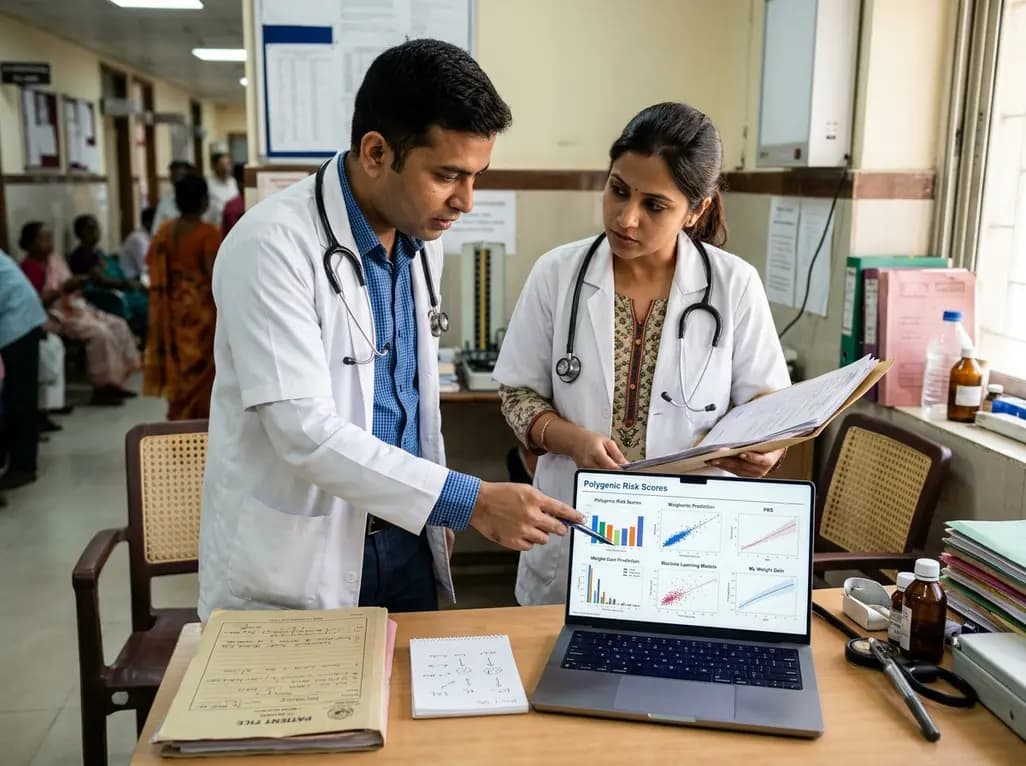
An observational study from the NIH All of Us Research Program reveals that adding a multi-ancestry polygenic risk score to machine learning models provides only modest improvements in predicting adult weight gain, underscoring the enduring significance of routine clinical and lifestyle factors.
Today
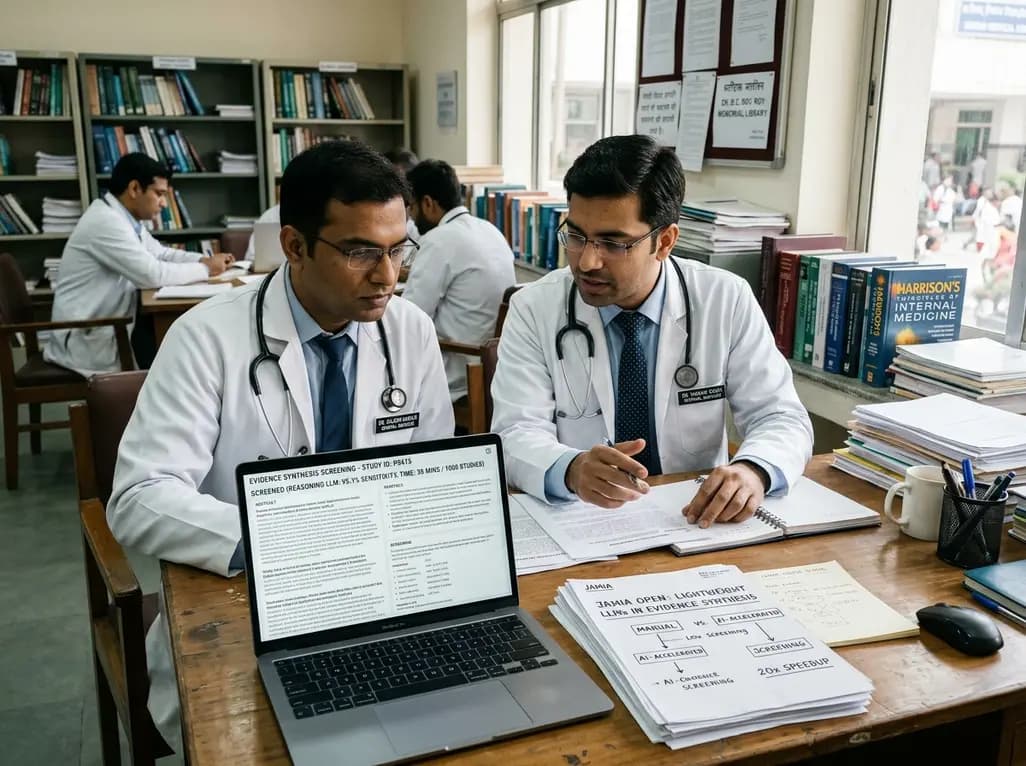
A study in JAMIA Open shows lightweight open-source reasoning LLMs achieve up to 95% sensitivity and accelerate evidence synthesis screening by nearly twentyfold, presenting a cost-effective, scalable AI solution for biomedical research and systematic reviews.
Today
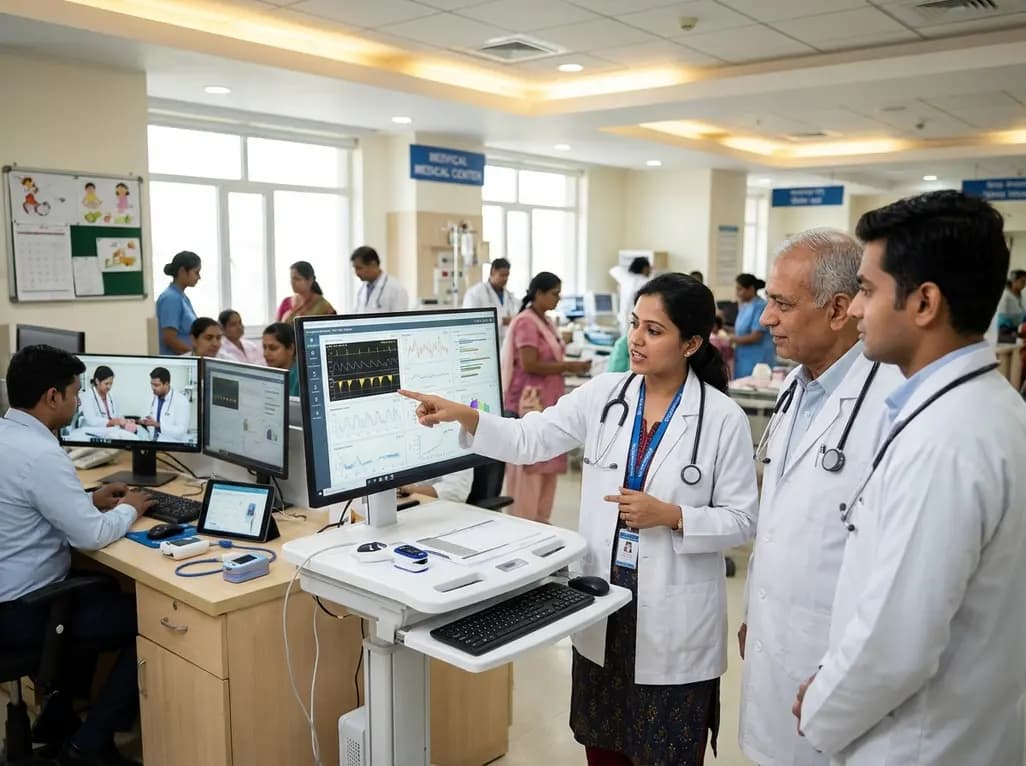
A landmark study details how an enterprise pediatric remote patient management model expanded from a single cardiology pilot to 16 diverse specialty programs by combining centralized digital operations with specialty clinical leadership.
Today
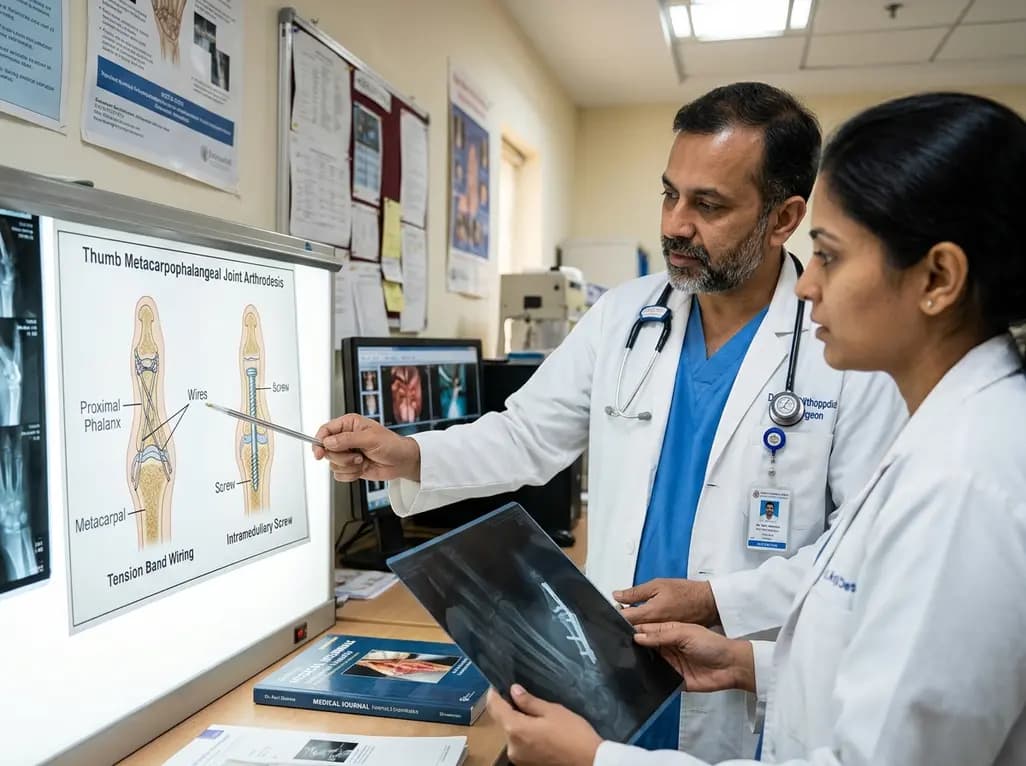
A comparative review of tension band wiring and intramedullary screw fixation in thumb metacarpophalangeal arthrodesis, evaluating union rates, hardware complications, and clinical outcomes.
Yesterday
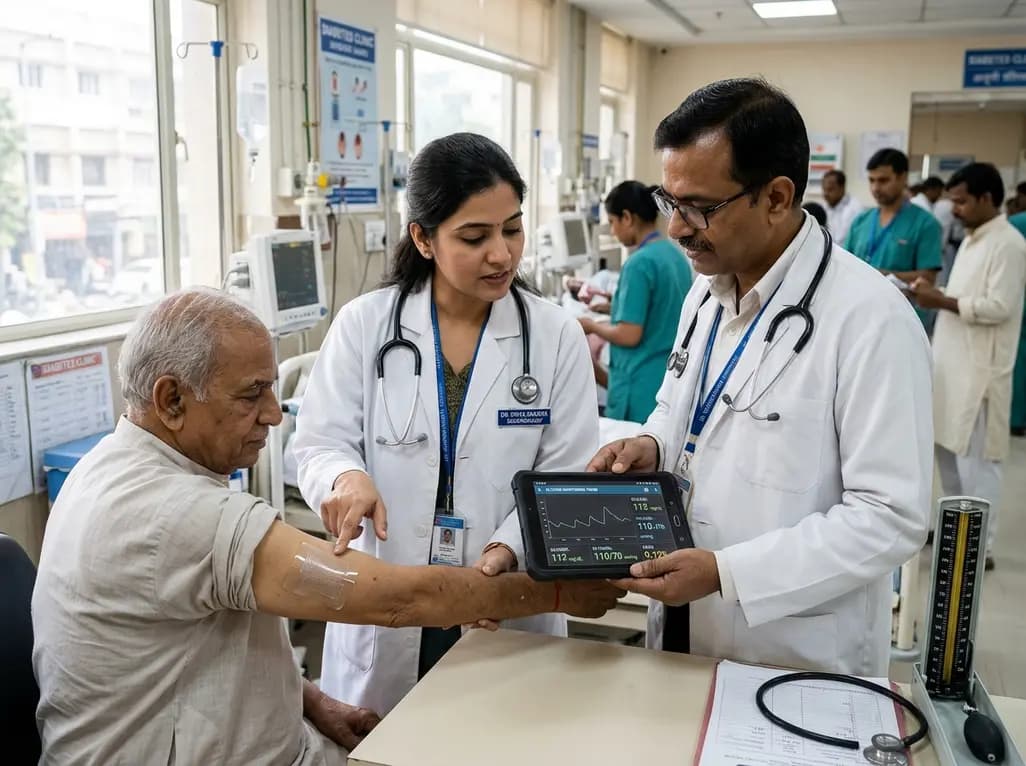
A breakthrough ultrathin multimodal sensor decouples physical hemodynamic monitoring from disposable electrochemical calibration, achieving long-term wearable glucose prediction with 81.36% accuracy and a 9.12% MARD. This offers a robust, drift-free solution for outpatient metabolic surveillance.
Yesterday
