.webp&w=384&q=75)

Loading, please wait...
Loading, please wait...

Effective **epilepsy self-management** is essential for patients facing chronic neurological challenges. However, while medication remains the foundation of treatment, behavioral interventions significantly improve overall outcomes. Consequently, a recent randomized controlled trial evaluated the SMART program, an evidence-based self-management initiative. This study specifically aimed to identify which psychological factors drive the improvement in management skills. Furthermore, the trial included 160 individuals with epilepsy who were randomized to either the SMART intervention or standard care. Notably, researchers measured several potential mediators at baseline, 13 weeks, and six months. These included depressive symptom severity, self-efficacy, and perceived stigma. Additionally, multivariable linear regression models estimated the average causal mediation effect. Therefore, this approach allowed the team to identify the primary success drivers within the program.
Resultantly, the study revealed that reducing depressive symptoms was the most powerful driver of success. Specifically, mood improvements from baseline to six months accounted for 23.2% of the total treatment effect. Moreover, this finding underscores the bidirectional relationship between mental health and epilepsy. Therefore, clinicians should prioritize screening for and managing depression as part of comprehensive epilepsy care. In addition, increases in self-efficacy played a significant role. Interestingly, this factor refers to a patient\'s belief in their ability to manage their health effectively. The researchers found that improvements in self-efficacy accounted for 4.6% of the overall benefit. However, perceived stigma did not significantly mediate the association between the intervention and self-management skills. Consequently, researchers suggest that stigma reduction may not be the primary mechanism for this specific program.
Ultimately, these findings have significant implications for clinical practice in India. Similarly, because studies show that up to 48% of Indian patients with epilepsy may experience depression, integrated programs are critical. Thus, by targeting both mood and self-belief, healthcare providers can empower patients to take control of their health journeys. Therefore, these targeted strategies help reduce negative health events and improve long-term outcomes. As a result, the integration of mental health support into routine care can transform the management of epilepsy in a primary care setting.
SMART stands for Self-management for people with epilepsy and a History of Negative Health Events. It is a structured, group-format program designed to help patients manage seizures and related complications through education and peer support.
Depression is a common comorbidity that often hinders a patient\'s ability to adhere to treatment or manage seizure triggers. Improving mood directly enhances a patient\'s capacity to perform the daily tasks required for effective management.
Self-efficacy boosts a patient\'s confidence in their ability to handle their condition. When patients believe they can manage their symptoms, they are more likely to adopt healthy behaviors and respond proactively to health challenges.
Disclaimer: This content is for informational and educational purposes only. It does not constitute medical advice or a professional relationship. Refer to the latest local and national guidelines for clinical practice.
References
Armah L et al. Mediating effects of depression, stigma, and self-efficacy on self-management improvement in an evidence-based epilepsy self-management program. Epilepsy Behav. 2026 May 22. doi: undefined. PMID: 42172702.
Sriramakrishnan V, Stany AI, Karunaharan V. Prevalence of Depression in Patients with Epilepsy: A Single Center Cross-sectional Study at a Tertiary Care Hospital. J Assoc Physicians India 2024;72(11):e12-e15.
Sajatovic M et al. Self-management for people with epilepsy and a history of negative health events (SMART): A randomized controlled effectiveness trial. Epilepsy Behav. 2025;110495.
"
Read summarized clinical updates, watch expert medical content, and earn CME certifications right from your smartphone.
Open your smartphone camera to scan and install.





A randomized trial highlights how reducing depression and increasing self-efficacy are key drivers for improving epilepsy self-management via the SMART prog...
5 months ago
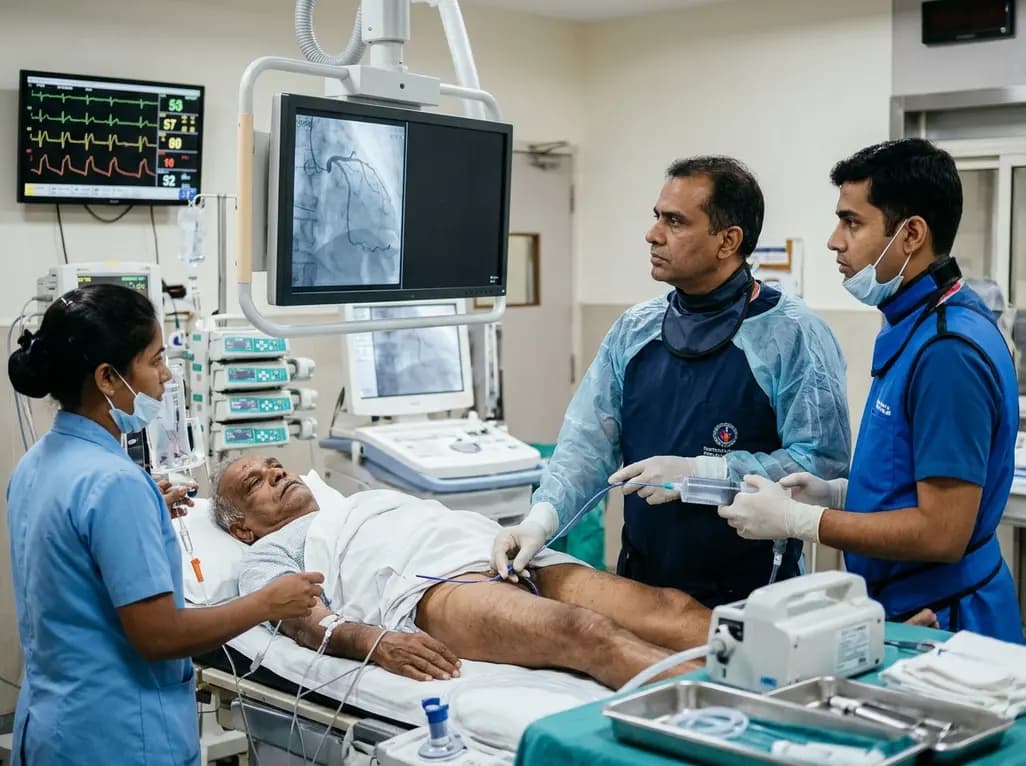
An elderly man with partially repaired Tetralogy of Fallot presented with STEMI caused by coronary embolism rather than atherosclerosis. Successful treatment with sustained mechanical aspiration thrombectomy underscores the vital need for high clinical vigilance in adult congenital heart disease.
Today

Demanding exhaustive hormonal profiling can inadvertently discourage clinical studies involving females. Methodological standards must align with the specific scientific question to expand, not restrict, equitable evidence for women.
Today

A recent study demonstrates that spinal oxygen sensors do not require mitochondrial electron transport to trigger sympathetic excitation during acute hypoxia, revealing new insights into how mitochondrial oxidative stress modulates autonomic tone in cardiovascular and neurological diseases.
Today

A comparative review of tension band wiring and intramedullary screw fixation in thumb metacarpophalangeal arthrodesis, evaluating union rates, hardware complications, and clinical outcomes.
Today

Following regulatory scrutiny from FSSAI regarding promotional representations and lean muscle preservation claims, Dr. Reddy's Laboratories and Nestlé Health Science are currently reviewing the branding and marketing strategy for their joint nutritional supplement Celevida GLP+.
Today
