

Loading, please wait...
Loading, please wait...

Modern regenerative medicine continues to evolve rapidly beyond traditional cellular infusions. Historically, clinicians have administered cell suspensions intravenously or locally into injured tissues. However, these unorganized cell suspensions frequently suffer from rapid clearance, mechanical washout, poor viability, and limited engraftment. To overcome these persistent obstacles, advanced biofabrication methodologies now allow researchers to assemble living cells and matrices into organized, functionally coherent architectures. This review explores a product-oriented framework that bridges biofabrication attributes with clinical translation, demonstrating how engineered regenerative cell therapy can deliver predictable therapeutic efficacy across multispecialty clinical practice.
For decades, simple cell suspensions represented the frontline approach for cellular therapy. Physicians injected concentrated stem or progenitor cells directly into ischemic myocardium, degenerative joints, or scarred dermis. Unfortunately, clinical outcomes consistently fell short of preclinical expectations. Researchers discovered that less than five percent of delivered cells survived or integrated into the target site beyond forty-eight hours. Mechanical shear forces during needle injection disrupt delicate cellular membranes, while the lack of extracellular matrix anchorage triggers immediate anoikis. Furthermore, local inflammation, poor vascular perfusion, and systemic hemodynamic washout swiftly eliminate the remaining population.
Biofabrication fundamentally reshapes this therapeutic landscape. By orchestrating cells into deliberate three-dimensional configurations, biomanufacturing creates a supportive microenvironment before delivery. Specifically, bioprinting and bioassembly techniques establish critical cell-to-cell contacts and simulate native tissue architecture. Therefore, cells enter the diseased host bed as resilient microtissues rather than fragile individual units. Consequently, these engineered constructs demonstrate significantly higher retention rates, sustained secretome output, and enhanced survival against host inflammatory insults. In turn, clinicians observe more reliable tissue remodeling, diminished fibrotic progression, and superior functional recovery in diverse regenerative medicine applications.
A critical consideration in fabricating living constructs involves selecting between biomaterial-free and biomaterial-based formats. Biomaterial-free products rely entirely on biological self-assembly. In this approach, developers culture dense cellular spheroids, organoids, or cellular sheets without incorporating synthetic matrices or permanent scaffolds. Consequently, cells synthesize their own endogenous extracellular matrix, creating an exceptionally high cell density. Moreover, this approach completely avoids the foreign body reactions, unpredictable degradation byproducts, and host immunological clearance often provoked by exogenous materials. However, biomaterial-free constructs often possess low initial mechanical stiffness, which can limit their surgical handling and delivery into high-load anatomical environments.
Conversely, biomaterial-based architectures incorporate natural hydrogels, decellularized extracellular matrix, or synthetic polymer backbones. These exogenous materials serve as protective matrices and structural scaffolding. In addition, biomaterials allow precise spatial deposition during three-dimensional bioprinting, facilitating the creation of complex vascular networks and specialized porosity gradients. Furthermore, engineers can functionalize these biomaterials with specific biochemical ligands to direct stem cell differentiation. Nevertheless, incorporating biomaterials increases translational hurdles. Developers must rigorously evaluate scaffold degradation kinetics, biocompatibility, sterilization protocols, and long-term material safety before obtaining regulatory clearances for clinical use.
Tissue repair frequently demands both cellular vitality and biomechanical strength, prompting researchers to develop hybrid fabrication strategies. Hybridization strategically combines biomaterial-free cell aggregates with customized biomaterial frameworks. For instance, developers can embed high-density stem cell spheroids within biodegradable polycaprolactone scaffolds or natural alginate-gelatin hydrogels. As a result, the construct gains immediate mechanical integrity from the scaffold while maintaining the potent regenerative signaling of dense cellular clusters. Furthermore, this dual format creates protective microenvironments that shield cells from severe compressive and shear forces encountered during surgical implantation.
In addition, hybridization enables the fabrication of multiphasic constructs tailored for complex anatomical interfaces, such as osteochondral junctions or vascularized muscle grafts. Engineers can align distinct cell populations alongside gradients of growth factors and scaffold rigidities. Therefore, the fabricated graft mimics native anatomical transitions, guiding organized cellular differentiation and directional host tissue ingrowth. Additionally, hybrid designs facilitate the incorporation of perfusable microvascular channels. These microchannels allow nutrient and oxygen diffusion throughout thick constructs, preventing central necrotic core formation. Ultimately, hybridization bridges the functional gap between mechanical stability and biologic regenerative activity, accelerating graft integration into recipient tissues.
While advanced biofabrication offers profound biological benefits, clinical translation requires developers to balance engineered complexity against real-world manufacturability. Every added layer of fabrication—whether incorporating multiple bioinks, external sensors, or intricate multi-axis bioprinting—substantially increases production costs, failure risks, and validation timelines. Therefore, researchers advocate for product design governed by the principle of minimum necessary complexity. Specifically, engineers must assess whether a highly sophisticated structural feature delivers sufficient therapeutic improvement to justify the corresponding manufacturing and regulatory burdens.
Moreover, commercial manufacturing demands absolute reproducibility under current Good Manufacturing Practice standards. Living cell-based products exhibit inherent biological variability, which biofabrication machinery can compound if parameters drift during processing. Consequently, manufacturers must establish stringent Critical Quality Attributes, including printability indices, cell viability thresholds, mechanical stiffness ranges, and quantitative potency assays. Standardizing automated bioreactors and non-destructive imaging modalities further ensures lot-to-lot consistency. In addition, developers must validate cryopreservation and delivery packaging systems. Unless a biofabricated product maintains cellular viability across shipping networks and withstands bedside surgical handling, its clinical utility remains severely constrained despite impressive in vitro performance.
Translating biofabricated cellular therapies into clinical care in India requires navigating a structured and evolving regulatory framework. The Central Drugs Standard Control Organization classifies engineered living cellular products as new drugs under the New Drugs and Clinical Trials Rules. Consequently, sponsors cannot administer biofabricated therapies as unproven clinical interventions. Instead, investigators must secure regulatory approvals supported by extensive preclinical dossiers. These dossiers must demonstrate thorough biodistribution profiles, immunogenicity evaluations, toxicology screenings, and long-term tumorigenicity assessments in appropriate animal models.
Furthermore, clinical investigations must comply with the National Guidelines for Stem Cell Research established by the Indian Council of Medical Research. Every proposed clinical trial requires thorough review and clearance from both the Institutional Stem Cell Committee and the Institutional Ethics Committee. In addition, manufacturing facilities within India must adhere to strict Schedule M requirements and Good Laboratory Practices. Establishing standardized potency assays remains crucial for clinical validation, as regulatory authorities require objective proof of functional mechanism before granting clinical trial phases. Through rigorous regulatory adherence, Indian clinicians and translational scientists can safely deploy biofabricated products, offering cutting-edge regenerative solutions to patients suffering from previously untreatable degenerative conditions.
Biofabrication creates spatially organized cellular architectures and extracellular scaffolds that shield cells from mechanical shear stress during delivery. In contrast to naked cell suspensions that disperse or undergo rapid anoikis, engineered constructs anchor therapeutic cells directly at the target site. Consequently, these living grafts establish immediate microenvironmental support, sustain paracrine signaling, promote host vascularization, and significantly enhance cellular survival and functional tissue integration.
Biomaterial-free products rely entirely on self-assembled cellular aggregates or cell sheets without retaining synthetic or foreign matrices. Therefore, they minimize host immunogenicity and foreign-body reactions while delivering high cell density. Conversely, biomaterial-based products incorporate exogenous hydrogels or synthetic scaffolds as permanent or degradable structural supports. While these biomaterials provide critical mechanical stability and control microenvironmental cues, they also introduce additional quality control testing and complex degradation kinetics.
In India, the Central Drugs Standard Control Organization regulates engineered cellular therapies as new drugs under the New Drugs and Clinical Trials Rules. Consequently, manufacturers must furnish robust chemistry, manufacturing, and control documentation alongside preclinical biodistribution and tumorigenicity data. In addition, institutions must comply with national guidelines from the Indian Council of Medical Research, ensuring clinical trials undergo rigorous Institutional Stem Cell Committee and ethics committee oversight before human administration.
Disclaimer: This content is for informational and educational purposes only... Refer to the latest local and national guidelines for clinical practice.
References
Niltongkam P et al. Engineering regenerative cell therapy products through biofabrication. Trends Biotechnol. 2026 Nov 10. doi: undefined. PMID: 43009409.
Vozzi G, Moroni L, Boland T, Burdick JA. Biofabrication: A Guide to Technology and Terminology. Trends Biotechnol. 2017;35(11):1038-1044.
Central Drugs Standard Control Organization (CDSCO). National Guidelines for Stem Cell Research and Cellular Therapy Products. Directorate General of Health Services, Ministry of Health and Family Welfare, Government of India; 2023.

Read summarized clinical updates, watch expert medical content, and earn CME certifications right from your smartphone.
Open your smartphone camera to scan and install.





Biofabrication transforms regenerative cell therapies from unorganized cell suspensions into structured living products, optimizing cell survival, structural integration, and translational consistency.
Today

The $900 Temple wearable launched by Deepinder Goyal promises real-time tracking of cerebral blood flow and metabolic entropy. However, prominent clinicians warn that optical scalp sensors merely reflect superficial arterial circulation rather than intracranial hemodynamics, raising major regulatory concerns.
Today
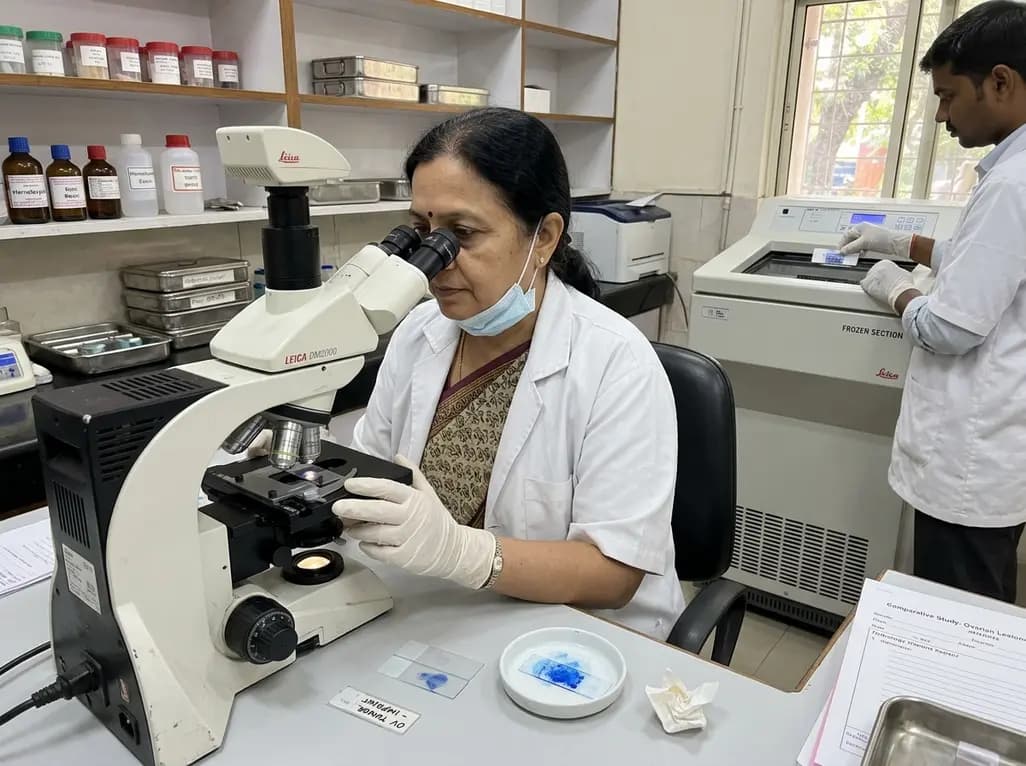
A new comparative study demonstrates that intraoperative imprint cytology achieves 96.6% diagnostic accuracy in ovarian tumours, outperforming frozen section in sensitivity for borderline lesions and offering an accessible, rapid alternative for resource-constrained surgical centres.
Today

A study reveals that extracellular vesicle-derived miR-144-5p is a highly predictive diagnostic biomarker for carotid artery plaques (AUC 0.907). Correlating with IL-1β and TNF-α, it opens new avenues for liquid biopsy-based stroke risk assessment and vascular monitoring.
Today
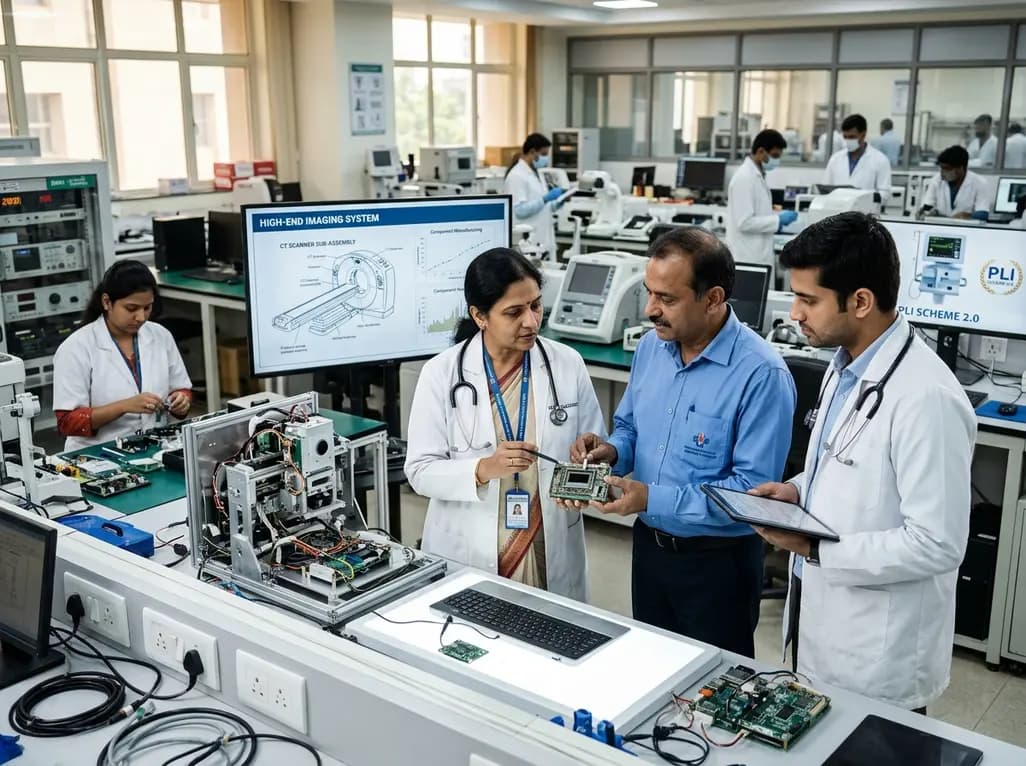
The Department of Pharmaceuticals has extended the medical devices PLI scheme to 2035-36 with a Rs 2,700 crore outlay. Featuring relaxed investment barriers and eliminated sales thresholds, the revised framework targets deep manufacturing, high-end diagnostics, critical MedTech components, and supply resilience.
Today

A systematic review evaluates psychological interventions for smoking cessation in diabetes, showing short-term success but highlighting challenges in long-term abstinence.
Yesterday
