.webp&w=384&q=75)

Loading, please wait...
Loading, please wait...

Managing upper tract urothelial carcinoma presents immense therapeutic challenges when patients possess a solitary functional kidney. In these anatomically vulnerable individuals, standard radical nephroureterectomy immediately induces anephric status and permanent dialysis dependence. Consequently, urologists increasingly employ endoscopic kidney-sparing surgery as a vital nephron-preserving strategy. This organ-preserving paradigm specifically balances oncological safety against the severe systemic morbidity of end-stage renal disease. Recent multicentre evidence highlights how endoscopic ablation offers a viable alternative to immediate extirpative surgery. Furthermore, international guidelines endorse nephron preservation for imperative indications, including bilateral disease or solitary kidneys. Clinicians must nevertheless recognise that endoscopic management requires surgical precision and continuous risk stratification. Upper tract urothelial malignancies exhibit biological aggressiveness and high recurrence rates. Therefore, treating urologists must carefully evaluate baseline tumour grade, architecture, and parenchymal reserve before committing to ablation. While radical extirpation provides definitive local clearance, it imposes profound metabolic burdens through hemodialysis. As a result, conservative endoscopic techniques preserve baseline renal filtration while achieving acceptable cancer control through structured repeat interventions.
A recent multicentre investigation evaluated primary endoscopic management in sixty-two consecutive patients with upper tract urothelial carcinoma and a solitary kidney. Over a median follow-up of sixty-five months, investigators documented clear oncological benchmarks and survival parameters. High-grade disease was present at baseline in nineteen percent of the cohort, underscoring significant baseline oncological risk. Importantly, the cumulative incidence of upper tract recurrence reached seventy percent at five years. This observation confirms that local tumour recurrences represent an expected event rather than outright treatment failure. Additionally, the study revealed a five-year cumulative incidence of disease progression of forty percent. Cancer-specific mortality remained limited to twenty percent over five years, demonstrating commendable local disease containment. Consequently, these findings validate endoscopic ablation as an effective mechanism to delay radical extirpation. Urologists managed most recurrences endoscopically without precipitating systemic metastatic spread. Furthermore, competing-risk analysis confirmed that non-cancer comorbidities often dictate overall patient survival. Therefore, urologists can safely offer repeated endoscopic interventions, provided that stringent monitoring protocols remain active.
Preserving baseline renal function remains the primary clinical objective when choosing conservative endoscopic ablation over radical nephroureterectomy. In the multicentre solitary kidney cohort, patients presented with a median baseline estimated glomerular filtration rate of forty-eight millilitres per minute. Consequently, immediate radical surgery would have condemned most subjects to lifetime dialysis. Overall, the five-year cumulative incidence of dialysis dependency reached thirty-two percent. Notably, this dialysis risk clustered predominantly among patients who entered treatment with severely compromised baseline renal function. Specifically, individuals presenting with an initial filtration rate below thirty millilitres per minute faced the highest dialysis probability. Conversely, patients with preserved baseline parenchymal function maintained stable filtration trajectories across repeated endoscopic procedures. Linear mixed-effects modelling demonstrated that endoscopic laser ablation did not accelerate progressive nephron loss. Furthermore, avoiding chronic hemodialysis preserves cardiovascular health and enhances quality of life in elderly patients. Thus, initial nephron preservation provides an extended therapeutic window before renal replacement becomes necessary. Collaborative care between urologists and nephrologists sustains residual clearance mechanisms throughout long-term cancer care.
Successful endoscopic organ preservation demands an unwavering commitment to proactive, lifelong endoscopic surveillance. In the multicentre cohort, patients underwent a median of five ureteroscopies across their follow-up duration to control recurrent tumours. Surgeons routinely performed flexible ureteroscopy combined with holmium or thulium laser ablation to vaporise recurrent urothelial lesions. Furthermore, surgeons mandated an early second-look ureteroscopy within six to twelve weeks after initial ablation. This mandatory second-look procedure reliably identifies residual disease, assesses mucosal healing, and confirms complete tumour eradication. Additionally, repeated endoscopic retreatments successfully controlled subsequent ipsilateral recurrences in most treated individuals. Clinicians must educate patients regarding the high likelihood of multiple endoscopic procedures prior to initiating kidney-sparing therapy. Moreover, clinical teams must implement regular cross-sectional imaging alongside selective urinary cytology. This multimodal surveillance framework ensures rapid detection of muscle-invasive disease or regional nodal metastasis. Whenever endoscopic inspection reveals uncontrollable tumour volume or high-grade invasion, surgical teams must re-evaluate the overall strategy. Consequently, proactive endourological surveillance forms the cornerstone of effective nephron preservation.
Although endoscopic management successfully defers radical surgery, clinicians must establish definitive thresholds for surgical conversion. In the benchmark study, twenty-six percent of patients ultimately underwent radical nephroureterectomy during long-term follow-up. Urologists indicated radical extirpation primarily when facing high-grade pathological progression, multifocal recurrences, or inaccessible calyceal disease. Therefore, kidney-sparing surgery functions not as a permanent cure for every patient, but as an indispensable temporising approach. By postponing radical nephroureterectomy for several years, endoscopic therapy grants patients extended periods free from hemodialysis. However, clinicians must never compromise systemic oncological safety solely to preserve renal parenchyma. When invasive tumour progression threatens life expectancy, surgical teams must execute prompt nephroureterectomy despite the inevitable necessity of subsequent dialysis. Furthermore, proactive surgical planning should involve vascular surgery consultation for vascular access planning when extirpation appears imminent. Multidisciplinary tumour boards ensure timely decisions regarding conversion before metastatic dissemination takes place. Ultimately, primary endoscopic ablation achieves a balanced clinical compromise, delivering durable cancer control, preserving nephron mass, and significantly delaying hemodialysis dependence.
Urologists consider endoscopic kidney-sparing surgery primarily for low-grade, small, unifocal upper tract urothelial tumours. However, solitary kidney anatomy constitutes an imperative indication where clinicians offer conservative laser ablation even for higher-risk lesions. Eligible candidates must possess tumours technically accessible via flexible ureteroscopy without signs of parenchymal invasion on imaging. Furthermore, patients must exhibit complete willingness and physiological fitness to comply with lifelong, intensified endoscopic surveillance and multiple retreatments.
Baseline renal function directly dictates long-term dialysis risk following endoscopic ablation. Patients entering therapy with preserved renal filtration maintain stable glomerular filtration trajectories throughout repeated endourological procedures. Conversely, individuals presenting with an estimated glomerular filtration rate below thirty millilitres per minute face substantial five-year dialysis dependency exceeding fifty percent. Therefore, early nephrological co-management, avoidance of nephrotoxic medications, and aggressive control of cardiovascular comorbidities remain essential to preserve residual nephrons in vulnerable patients.
Surgeons perform mandatory second-look ureteroscopy within six to twelve weeks to evaluate primary treatment completeness. Endoscopic biopsies and laser ablation can leave microscopic residual disease hidden beneath edema, blood clot, or mucosal slough. Consequently, an early second-look procedure accurately detects residual tumours, verifies adequate healing, and allows immediate re-ablation of persistent lesions. This rigorous proactive step significantly reduces early tumour progression and establishes an accurate baseline for subsequent long-term surveillance protocols.
Disclaimer: This content is for informational and educational purposes only and should not be considered medical advice. Always consult a qualified healthcare professional regarding any medical condition or treatment. Refer to the latest local and national guidelines for clinical practice.
References

Read summarized clinical updates, watch expert medical content, and earn CME certifications right from your smartphone.
Open your smartphone camera to scan and install.





A multicentre study evaluated endoscopic kidney-sparing surgery for UTUC in solitary kidneys, showing a 5-year recurrence of 70%, 40% progression, and 20% cancer-specific mortality. While 32% developed dialysis dependency, primarily with baseline eGFR <30, conservative ablation deferred radical surgery in 74% of patients.
Today
A nationwide Japan AMI Registry study reveals right ventricular involvement in RCA-related STEMI treated with PCI increases 12-month mortality (HR 2.05) and major bleeding (HR 2.28). In patients with RVI, major bleeding was tied to a nearly fivefold risk of death, highlighting crucial access and antithrombotic management.
Today
A landmark randomized clinical trial published in NEJM reveals that high maternal intake of eggs and peanuts during pregnancy and lactation does not lower the risk of infant egg or peanut allergy at one year of age, reinforcing existing dietary recommendations for balanced maternal nutrition without restrictions.
Today
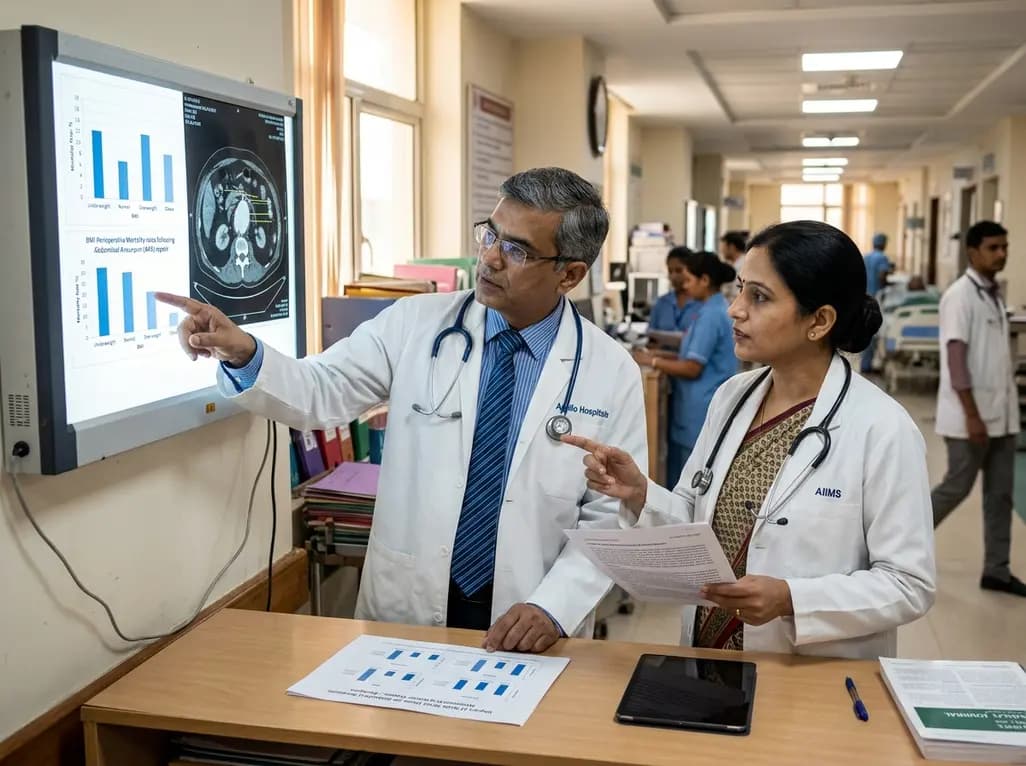
A comprehensive meta-analysis evaluates the association between Body Mass Index and outcomes following abdominal aortic aneurysm repair. Discover how overweight and obesity correlate with lower mortality while underweight status confers heightened risk, challenging conventional preoperative risk stratification.
Today

The SOLARIO trial shows that a short course (≤7 days) of systemic antibiotic therapy is noninferior to long courses (≥4 weeks) in orthopedic infections treated with local antibiotic carriers, with significantly fewer adverse events.
Today
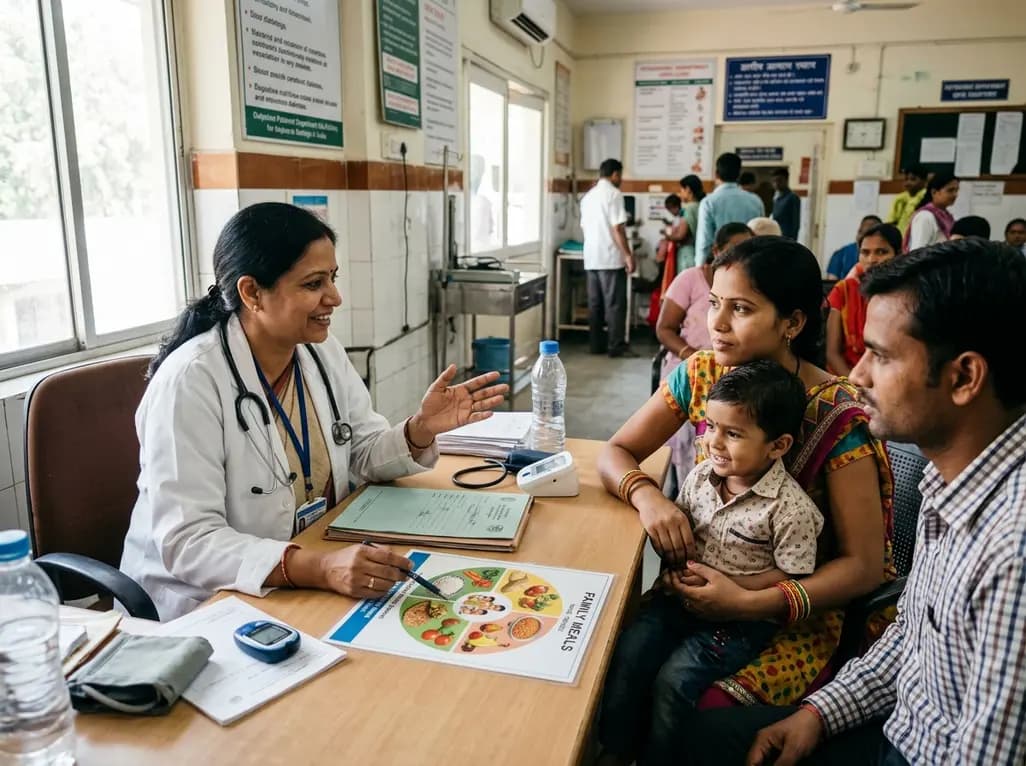
Gestational diabetes doubles the future risk of type 2 diabetes for mothers and offspring. Adopting a life-course approach centered on family meals and brief, supportive nutrition messaging empowers households to reduce metabolic risks and establish sustainable dietary habits across generations.
Today
