.webp&w=384&q=75)

Loading, please wait...
Loading, please wait...
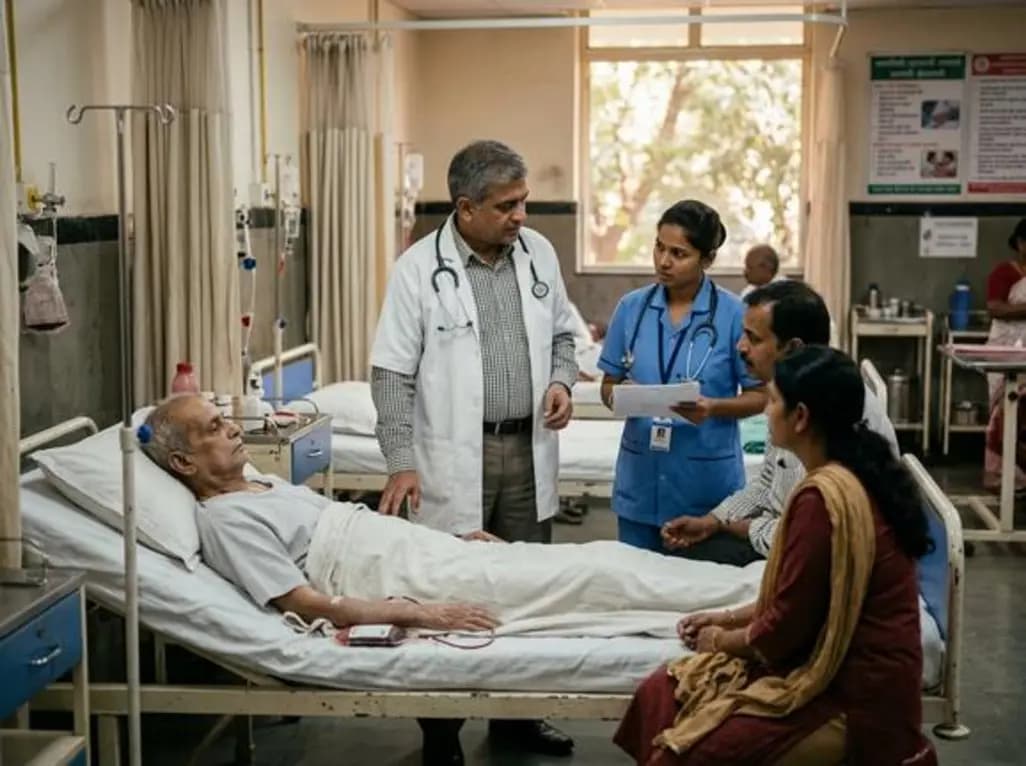
Managing patients with advanced hematological malignancies requires a delicate balance between symptom relief and resource management. Specifically, end-of-life RBC transfusion represents a critical intervention for those suffering from severe anemia-related symptoms. However, clinical and financial hurdles often complicate the path to hospice care. Consequently, many patients delay enrollment, which leads to more aggressive interventions in their final days.
For patients and caregivers, blood transfusions serve as a lifeline. Most notably, they alleviate debilitating symptoms like fatigue, weakness, and dyspnea. Furthermore, these interventions significantly enhance the energy levels and overall quality of life for the patient. Therefore, providing access to blood products is essential for maintaining dignity during the terminal phase of the disease.
Despite the benefits, several barriers exist. First, blood remains a finite and scarce resource. Therefore, clinicians must ethically weigh the needs of a terminal patient against the broader population. Moreover, the high cost of blood products often exceeds hospice reimbursement rates. As a result, many hospice agencies cannot sustain the financial burden of regular transfusions. Additionally, this gap in care forces families to choose between palliative support and hospital-based symptomatic relief.
Developing standardized protocols is vital for the future of palliative care. Currently, the lack of uniform access leads to poorer outcomes and increased hospital deaths. However, by balancing justice with patient-centered care, medical systems can create better pathways. In addition, clearer guidelines will help hospice providers integrate transfusion services more effectively. Ultimately, the goal is to improve the transition to palliative care without compromising symptom management.
Anemia frequently causes severe fatigue, shortness of breath, and significant weakness. These symptoms greatly reduce the patient's quality of life and ability to engage with family during their final weeks.
Many patients delay hospice because they require regular blood transfusions for symptom relief. Since many hospice settings lack the funding or infrastructure for these procedures, patients remain in hospital settings to ensure access.
Disclaimer: This content is for informational and educational purposes only and does not constitute medical advice, diagnosis, or treatment. Always seek the advice of your physician or other qualified health provider with any questions regarding a medical condition. Refer to the latest local and national guidelines for clinical practice.
References
1. Taylor AO et al. Clinical, Ethical, and Financial Considerations With Red Blood Cell Transfusion Support at the End of Life in Hematologic Malignancies. Am J Hosp Palliat Care. 2026 Jun 22. doi: 10.1177/10499091261462789. PMID: 42332365.
2. Chin-Yee N, Taylor J, Rourke K, et al. Red blood cell transfusion in adult palliative care: a systematic review. Transfusion. 2018; 58(1): 233–241.
3. Rodenbach R, Caprio T, Loh KP. Challenges in hospice and end-of-life care in the transfusion-dependent patient. Hematology Am Soc Hematol Educ Program. 2024; 2024: 340-7.

Read summarized clinical updates, watch expert medical content, and earn CME certifications right from your smartphone.
Open your smartphone camera to scan and install.





This article examines the clinical benefits of RBC transfusions for terminally ill hematologic malignancy patients. It also addresses the ethical and financial barriers that hinder hospice access, leading to delayed enrollment and more aggressive end-of-life care outcomes.
4 months ago

Following regulatory scrutiny from FSSAI regarding promotional representations and lean muscle preservation claims, Dr. Reddy's Laboratories and Nestlé Health Science are currently reviewing the branding and marketing strategy for their joint nutritional supplement Celevida GLP+.
Today
Demanding exhaustive hormonal profiling can inadvertently discourage clinical studies involving females. Methodological standards must align with the specific scientific question to expand, not restrict, equitable evidence for women.
Today

The Directorate General of Health Services directs Indian states to halt the hazardous reuse and reprocessing of single-use medical devices. Discover regulatory implications under the Drugs and Cosmetics Act, critical infection risks, legal liabilities, and operational changes required across clinical specialties.
Today

A novel calcium polyphosphate coacervate enables injectable bone implants with in situ hierarchical porosity via phase separation and gas foaming, significantly enhancing cell proliferation, energy metabolism, and osteogenic differentiation for minimally invasive bone defect repair.
Today

India is advancing preventive healthcare by integrating genomics, artificial intelligence, and quantum technologies. With the SANGAM programme sequencing one million Indian genomes, clinicians can unlock personalized therapies, detect cardiometabolic risks early, and curb the burden of diabetes and heart disease.
Today
