

Loading, please wait...
Loading, please wait...

Across emerging economies, rapid demographic transitions and youth out-migration leave increasing numbers of seniors living alone in rural communities. Consequently, geriatricians and family physicians encounter complex behavioral and clinical challenges among isolated older individuals. In particular, elderly self neglect represents a critical yet frequently overlooked public health concern. Clinicians define self-neglect as an older person's failure to maintain personal hygiene, nutrition, hydration, and safe living conditions. Because these individuals live without domestic assistance, functional decline progresses silently before medical professionals identify warning signs.
Furthermore, socioeconomic isolation significantly exacerbates health vulnerability in rural areas. When adult children migrate toward cities for employment, aging parents manage complex chronic illnesses without sufficient everyday assistance. Therefore, primary care practitioners must recognize that self-neglect does not merely stem from willful non-compliance. Instead, it reflects an intricate interplay among cognitive decline, physical frailty, psychological despair, and diminished social capital. Addressing this syndrome requires clinicians to evaluate the foundational social networks that support independent community living.
A recent cross-sectional investigation by Tian and colleagues explored this relationship by examining 531 solitary older adults living in rural Guizhou. The researchers utilized latent profile analysis to categorize participants based on the four distinct dimensions of the Medical Social Support Scale. Consequently, this advanced person-centered statistical method revealed three heterogeneous social support typologies: low, moderate, and high social support. Significant intergroup differences emerged across demographic markers, showing that living conditions and economic independence deeply influence available social resources.
Moreover, the researchers documented striking differences in self-neglect scores across these three profiles. Participants in the low support profile demonstrated severe self-neglect behaviors. In contrast, seniors with robust assistance maintained superior personal self-care. In addition, the findings emphasized that social support does not function as a uniform construct. Solitary rural elders require tangible aid, including transportation and meal preparation, alongside emotional affirmation to sustain daily routines. Thus, latent profile modeling offers clinicians an effective tool to identify isolated seniors who face substantial health risks.
In community practice, recognizing self-neglect requires clinical vigilance because solitary seniors seldom self-refer for social difficulties. Instead, patients typically present to outpatient clinics with advanced somatic complications resulting from prolonged self-omission. For example, clinicians frequently observe severe untreated dermatological infections, unmanaged decubitus ulcers, and progressive malnutrition in isolated rural patients. Furthermore, chronic diseases like hypertension and diabetes deteriorate rapidly when vulnerable patients abandon their prescribed regimens. Such abandonment frequently reflects cognitive fatigue or logistical inability to obtain prescription refills rather than conscious refusal.
Additionally, clinicians must evaluate the home environment to gauge the severity of daily living impairment. Severe clutter, spoiled food, lack of potable water, and poor personal hygiene serve as red flags for advancing debility. Depressive disorders and executive cognitive dysfunction often underpin these domestic failures, blinding patients to their hazardous surroundings. Consequently, physicians who solely prescribe pharmacotherapy without assessing functional self-care will inevitably witness frequent hospital readmissions. Therefore, identifying these physical signs enables healthcare providers to intervene before catastrophic medical decompensation occurs.
The demographic patterns highlighted in rural China closely parallel the emerging geriatric realities across rural India. Data from the Longitudinal Ageing Study in India shows that rural out-migration leaves millions of elderly citizens completely solitary. Consequently, primary healthcare facilities in rural districts encounter an expanding cohort of elderly patients who lack basic family caregiving networks. In Indian villages, social isolation frequently intersects with economic insecurity, low literacy, and fragmented health infrastructure. As a result, older adults struggle to navigate multi-drug chronic illness regimens independently.
Moreover, cultural expectations in India historically assumed that multigenerational households would care for aging relatives. However, changing socioeconomic dynamics have disrupted these traditional informal caregiving structures, creating an institutional void. Primary health centers and community health centers often lack designated geriatric screening protocols to identify social vulnerability. Hence, older rural patients experiencing self-neglect frequently cycle through emergency departments with recurrent hypoglycemia, heart failure exacerbations, or sepsis. Recognizing social support profiles allows Indian healthcare workers to deploy existing community resources more strategically.
To mitigate self-neglect hazards, primary care teams must integrate standardized social vulnerability assessments into routine geriatric clinical encounters. For instance, physicians can easily implement validated questionnaires like the Lubben Social Network Scale during routine consultations. Additionally, clinical teams must assess activities of daily living and instrumental activities of daily living at every clinical encounter. When clinicians identify deficits in cooking, medication management, or personal hygiene, they should immediately evaluate the patient's domestic support system.
Furthermore, India's public health framework offers a unique opportunity to connect clinical medicine with community-level outreach. Accredited Social Health Activists, Auxiliary Nurse Midwives, and Gram Panchayat members can actively identify isolated seniors in rural habitations. Therefore, primary care doctors should establish structured communication with grassroots health workers to monitor solitary elders showing early neglect signs. By organizing home visits and decentralized drug distribution, primary care teams bridge critical social support gaps. Ultimately, proactive community surveillance prevents catastrophic health decline and enhances quality of life for vulnerable solitary elders.
Effectively addressing self-neglect demands coordinated, multidisciplinary intervention pathways that transcend traditional clinic-bound consultations. Specifically, physicians should collaborate closely with medical social workers, mental health professionals, and district geriatric welfare officers. Because cognitive impairment and depression frequently cause self-care failure, treating underlying neuropsychiatric conditions produces substantial functional improvements. In addition, providing nutritional supplementation, vision correction, and assistive ambulation devices empowers solitary older adults to preserve their physical autonomy.
Similarly, healthcare administrators must align clinical workflows with national legal and social security frameworks. In India, the Senior Citizens Maintenance Act provides legal protections, yet community awareness remains strikingly low. Primary care physicians should therefore guide vulnerable patients toward government pension schemes, subsidized nutrition programs, and local daycare centers. By linking clinical care with social safety programs, clinicians construct a durable safety net around solitary individuals. Consequently, modern geriatric medicine must treat social connection not as an extraneous lifestyle factor, but as an essential clinical vital sign.
Clinicians distinguish elderly self-neglect from intentional self-harm by examining underlying intent and cognitive capability. Intentional self-harm involves conscious, purposeful actions designed to inflict immediate bodily injury or terminate life. In contrast, self-neglect typically develops insidiously without explicit suicidal intent. It arises primarily from progressive physical frailty, executive cognitive dysfunction, severe depression, or profound social isolation. Patients gradually lose the capacity or motivation to maintain nutritional intake, personal hygiene, and essential medical therapies.
Primary care physicians can effectively identify self-neglect by combining functional, social, and psychological assessment instruments during routine consultations. First, clinicians utilize the Barthel Index or Katz Index to assess basic activities of daily living. Second, practitioners implement the Lubben Social Network Scale to quantify domestic isolation. Furthermore, combining these assessments with the Geriatric Depression Scale and the Mini-Mental State Examination helps providers identify underlying neuropsychiatric drivers before severe clinical complications develop.
Classifying older patients into social support profiles allows clinicians to tailor non-pharmacological interventions precisely to individual risks. For example, patients categorized in low-support profiles require immediate community surveillance, home healthcare visits, and decentralized nutritional assistance. In contrast, seniors displaying moderate support benefit from targeted caregiver counseling, community day-center engagement, and subsidized transport services. Therefore, profiling guides resource allocation efficiently, preventing avoidable hospital admissions and mitigating progressive functional decline among isolated rural seniors.
Disclaimer: This content is for informational and educational purposes only and should not be construed as medical advice. Always consult a qualified healthcare professional before making clinical decisions. Clinical presentations and therapeutic responses can vary across patient demographics. Refer to the latest local and national guidelines for clinical practice.
References

Read summarized clinical updates, watch expert medical content, and earn CME certifications right from your smartphone.
Open your smartphone camera to scan and install.





A latent profile analysis of solitary rural older adults reveals distinct social support tiers directly correlated with self-neglect severity, offering key lessons for Indian primary care and geriatric screening.
Today
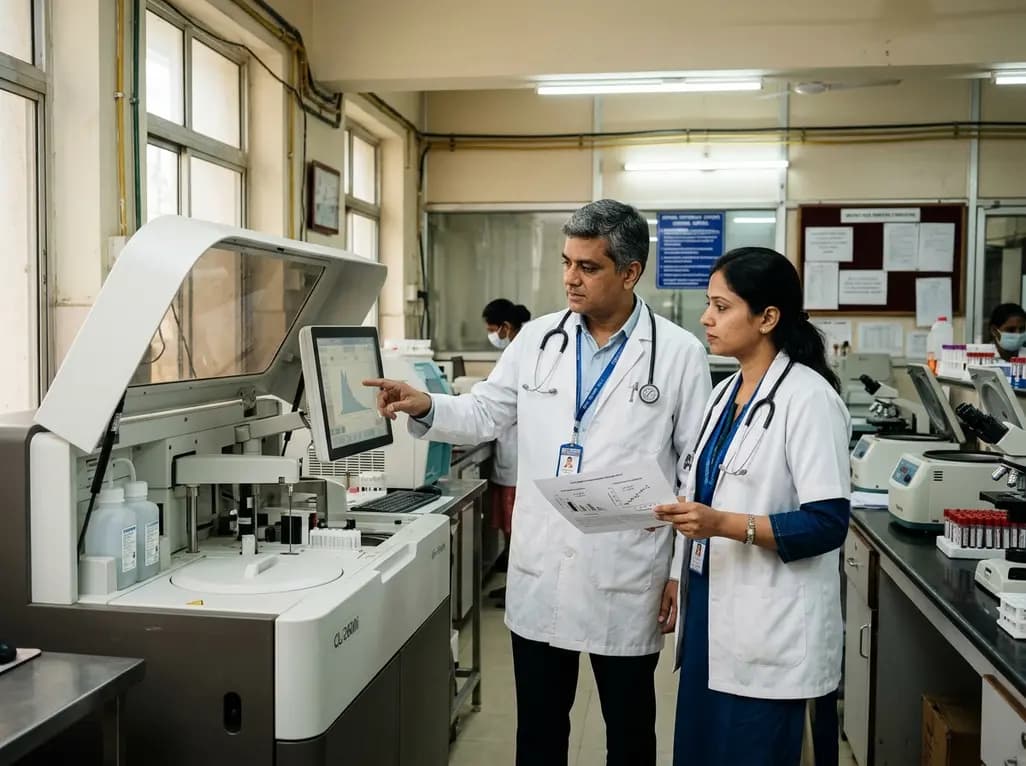
A multicenter study evaluated the CL-2600i immunochemistry analyzer across 640 serum samples, testing endocrinology, infectious disease serology, sepsis markers, and fertility panels. The system demonstrated high analytical trueness, repeatable results with CVs under 5%, and strong correlation with routine platforms.
Today
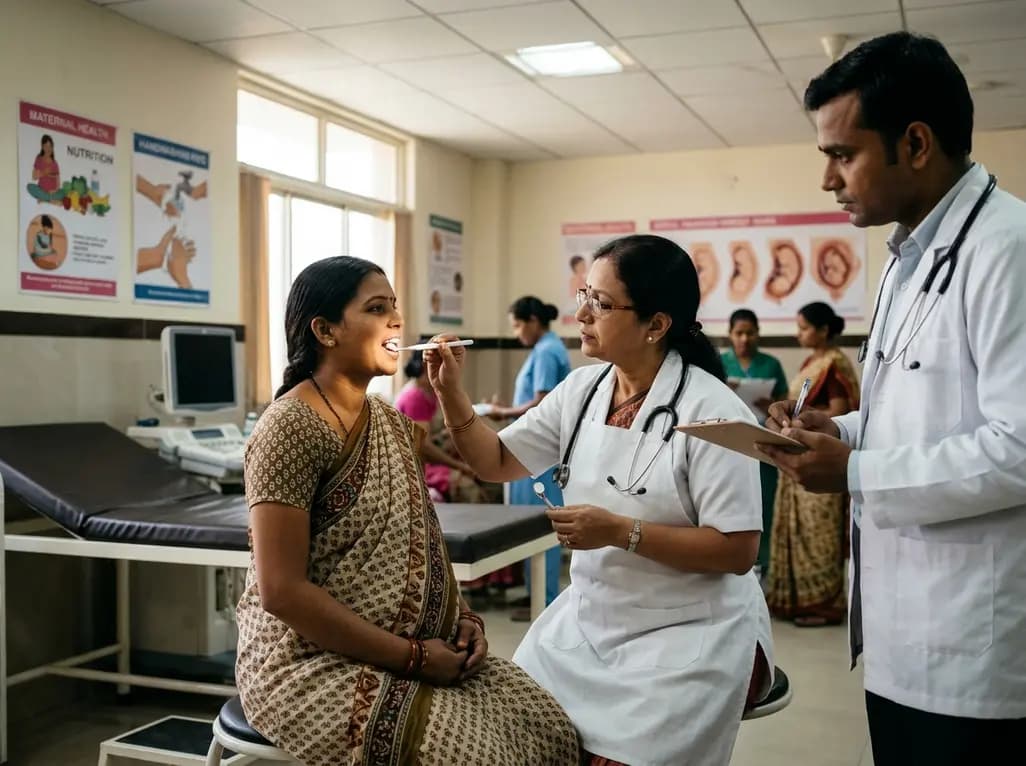
A recent survey reveals significant gaps in antenatal providers' adherence to pregnancy oral health guidelines despite positive attitudes. Integrating regular oral screenings, clinician education, and interprofessional dental referrals during prenatal care is crucial to prevent adverse pregnancy outcomes.
Today
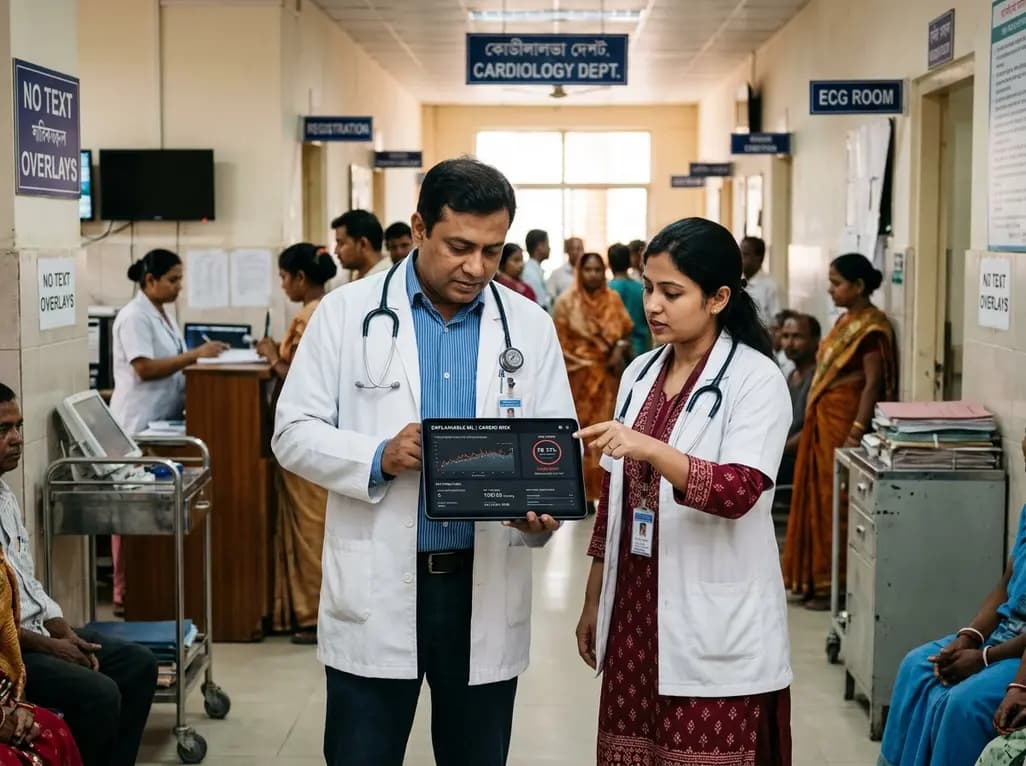
A cross-sectional study in Bangladesh demonstrates that an explainable stacking ensemble machine learning model achieves 98.37% accuracy in cardiovascular disease detection. Using local clinical and behavioral data, the model highlights cholesterol, rhythm abnormalities, and blood pressure as leading predictors.
Today
Laser-based powder bed fusion of Ti6Al4V enables custom orthopedic implants. Recent research reveals that heat treatment modulates ductility and wettability, while surface powder morphology drives mesenchymal cell attachment, highlighting crucial design factors for long-term osseointegration.
Today

Recent physiological findings demonstrate that myoglobin acts beyond oxygen transport, significantly regulating skeletal muscle glucose metabolism and mitochondrial bioenergetics. Understanding these intracellular metabolic shifts offers fresh insights into metabolic health and exercise physiology.
Yesterday
