.webp&w=384&q=75)

Loading, please wait...
Loading, please wait...
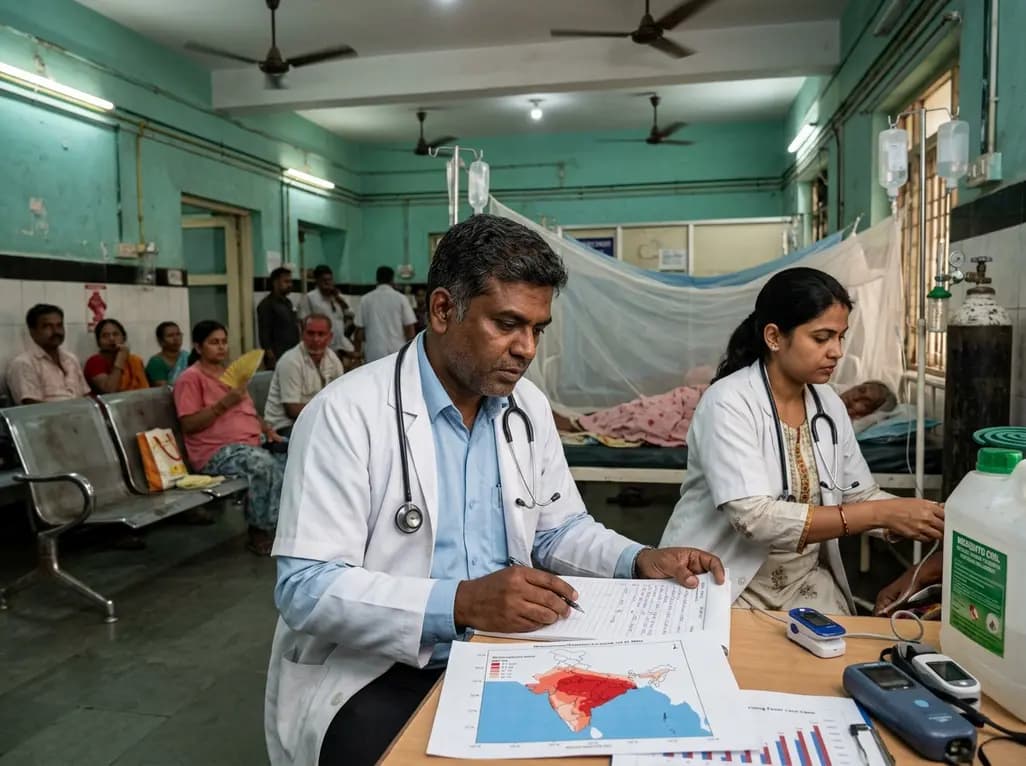
The World Health Organization recently issued a stark alert regarding intensifying El Nino health risks across South Asia. As sea surface temperatures rise in the equatorial Pacific Ocean, unusual meteorological patterns threaten public health systems across India. Consequently, healthcare providers must prepare for complex environmental health challenges spanning acute climate emergencies to seasonal infectious outbreaks.
The World Health Organization released its Global Public Health Situation Analysis to highlight accelerating climatic vulnerabilities in developing nations. Specifically, the agency identified India as facing high or very high vulnerability between August and October. During this critical window, most of South Asia confronts drier-than-normal precipitation patterns alongside abnormal ambient temperatures. El Nino represents a recurrent warming of ocean surface layers that profoundly reshapes atmospheric circulation worldwide. Although El Nino does not generate novel pathogens independently, global health experts view this phenomenon as a dangerous threat multiplier. Furthermore, the interplay of elevated ambient temperatures, erratic precipitation, and localized health vulnerabilities intensifies disease transmission dynamics. Medical facilities in high-density urban areas and underserved rural regions face unprecedented operational pressure. In addition, changing humidity and drought cycles disrupt local agriculture, leading to acute household economic strain. Therefore, primary care practitioners and hospital administrators must maintain heightened surveillance across outpatient departments. Clinicians must recognize that seasonal baseline trends no longer predict clinical burdens accurately. Instead, proactive institutional readiness and adaptive emergency triage protocols remain essential to mitigate systemic strain during this prolonged meteorological anomaly.
Vector-borne infections represent an immediate public health emergency under prevailing atmospheric disturbances across Indian metropolitan centers. For example, municipal health authorities in Delhi documented a sharp escalation in arboviral infections during August. Dengue cases rose significantly to exceed three hundred cumulative infections, marking the sharpest monthly surge this calendar year. Simultaneously, local surveillance units recorded a three-fold increase in malaria cases over the same reporting interval. Although global health authorities do not attribute individual infection clusters directly to oceanic shifts, changing weather substantially modifies vector ecology. Warmer ambient temperatures accelerate mosquito metabolic rates and shorten extrinsic incubation periods for viral transmission. Furthermore, erratic monsoon rainfall patterns compel urban residents to store domestic water in open containers. Consequently, artificial water storage sites create abundant breeding grounds for Aedes aegypti vectors in residential localities. Physicians must therefore exercise vigilance when evaluating patients who present with acute febrile illness, retro-orbital pain, or sudden thrombocytopenia. Moreover, clinicians should order confirmatory serological investigations early to distinguish uncomplicated viral fevers from severe hemorrhagic syndromes. Rapid clinical differentiation ensures prompt fluid management, thereby preventing shock and reducing inpatient mortality rates.
Extreme heatwaves constitute another primary clinical concern flagged in the latest international health situational assessment. High ambient temperatures produce severe heat exhaustion, exertional dehydration, and life-threatening heatstroke among outdoor manual workers. In addition, sustained thermal stress triggers catastrophic decompensation in patients suffering from underlying non-communicable diseases. For instance, cardiovascular strain increases dramatically because systemic vasodilation forces the myocardium to elevate cardiac output substantially. Similarly, excessive cutaneous fluid depletion promotes acute kidney injury and accelerates progression in chronic renal impairment. Diabetics also face volatile glycemic instability and severe metabolic dysregulation during prolonged episodes of unmitigated heat exposure. Meanwhile, patients with persistent obstructive pulmonary disease experience acute respiratory exacerbations driven by high ground-level ozone and stagnant air. Physicians must actively adjust daily pharmacological regimens for vulnerable outpatients who take diuretics, antihypertensives, or anticholinergic drugs. Furthermore, medical practitioners should educate chronic disease patients regarding proper rehydration solutions and indoor cooling strategies. Family physicians must treat mild heat intolerance aggressively before systemic multiorgan dysfunction develops in fragile geriatric patients. Prompt clinical stabilization in dedicated primary cooling units remains decisive in preventing avoidable intensive care unit admissions.
Sustained environmental anomalies and thermal extremes impose disproportionate clinical burdens upon expectant mothers and newborn infants. Consequently, maternal health specialists must recognize environmental heat as an emerging obstetric risk factor during high-temperature seasons. Severe ambient heat exposure correlates strongly with preterm labor, preeclampsia, intrauterine growth restriction, and stillbirth. In addition, lactating mothers subjected to persistent thermal stress often experience severe dehydration, which compromises adequate milk production. Newborn infants possess immature thermoregulatory centers, making them particularly vulnerable to hyperthermia and sudden metabolic dehydration. Meanwhile, unpredictable seasonal weather patterns jeopardize household food availability and compromise agricultural yields across several rural districts. As a result, pediatricians must anticipate rising rates of acute childhood malnutrition and micronutrient deficiencies. Stressed agricultural ecosystems often trigger severe economic deprivation, compelling rural families to consume unwholesome or contaminated food supplies. Therefore, community healthcare workers should intensify regular anthropometric screening to identify early stages of childhood wasting. Furthermore, clinicians must integrate maternal hydration counseling into routine antenatal checkups across peripheral healthcare clinics. Comprehensive antenatal education effectively protects maternal wellbeing and fosters favorable neonatal outcomes despite difficult environmental conditions.
The World Health Organization also highlighted heightened disease risks along international frontiers, particularly near Nepal and Bhutan. Seasonal displacement, transient labor migration, and localized flash floods facilitate rapid cross-border transmission of communicable pathogens. For instance, poor municipal drainage infrastructure coupled with sudden cloudbursts increases human exposure to leptospirosis and enteric infections. Stagnant floodwaters contaminated by animal urine expose barefoot agricultural laborers and rescue teams to severe spirochetal illness. Consequently, healthcare authorities must maintain adequate stockpiles of oral doxycycline and broad-spectrum antibiotics in vulnerable border districts. Furthermore, state disease surveillance programs must integrate integrated disease reporting systems with real-time meteorological forecasting data. District medical officers should coordinate closely with municipal sanitation departments to eliminate standing water and improve waste disposal. In addition, hospitals must reinforce triaging capacity and secure essential parenteral fluids, antipyretics, and antimalarials well in advance. Intersectoral collaboration between meteorological agencies, municipal corporations, and clinical facilities ensures timely warnings for vulnerable community members. Ultimately, robust clinical vigilance and institutional preparedness will protect fragile health systems from overwhelming surges during this climate event.
Q1: Why does El Nino increase the transmission rate of vector-borne diseases in India?
El Nino generates warmer ambient temperatures and irregular rainfall patterns across various regions. These warmer temperatures accelerate mosquito metabolic activity and shorten viral extrinsic incubation periods inside vectors. Furthermore, erratic precipitation frequently forces urban and rural households to store water improperly, creating numerous stagnant breeding sites for disease vectors. Consequently, local mosquito populations multiply rapidly, substantially elevating community transmission risks for dengue and malaria.
Q2: Which chronic health conditions face the highest risk of exacerbation during prolonged heat?
Cardiovascular disease, chronic kidney disease, metabolic disorders, and chronic obstructive pulmonary diseases face severe exacerbation during extreme heat. Prolonged thermal exposure demands elevated cardiac output to dissipate heat through peripheral blood vessels, straining compromised hearts. Simultaneously, heavy fluid loss through perspiration causes hypovolemia, triggering acute kidney injury and electrolyte imbalances. In addition, extreme heat destabilizes blood glucose management in patients living with type 2 diabetes.
Q3: How should medical practitioners adjust management plans for vulnerable patients during extreme weather?
Physicians should review prescription medications, particularly diuretics, renin-angiotensin inhibitors, and psychotropic drugs that impair thermoregulation or fluid balance. Furthermore, practitioners must provide clear guidance on oral rehydration therapy and warn patients against outdoor exertion during peak heat hours. In addition, doctors should maintain a high suspicion for atypical vector-borne infections, ensuring prompt diagnostic testing and early intravenous fluid administration when indicated.
Disclaimer: This content is for informational and educational purposes only. It does not constitute medical advice or replace professional judgment. Refer to the latest local and national guidelines for clinical practice.
References

Read summarized clinical updates, watch expert medical content, and earn CME certifications right from your smartphone.
Open your smartphone camera to scan and install.





A recent WHO assessment warns that El Nino weather disruptions place India under high public health alert. Clinicians must prepare for heightened thermal stress, surging vector-borne infections like dengue and malaria, and severe exacerbations of cardiorespiratory disorders across vulnerable demographics.
last month

Review how tailored exercise programs benefit frail older patients with heart failure. Explore pathophysiological mechanisms, individualized training prescriptions, and strategies to overcome adherence barriers in clinical practice.
Today

Leucine Rich Bio has introduced South Asia's first comprehensive vaginal microbiome test, BugSpeaks. By profiling microbial dysbiosis, pathogens, and antimicrobial resistance, this next-generation diagnostic platform provides clinicians with deeper insights into recurrent infections, fertility, and reproductive health.
Today

In high-risk pulmonary embolism complicated by severe anemia and active uterine bleeding, systemic thrombolysis is contraindicated. Large-bore aspiration thrombectomy provides rapid hemodynamic rescue without fibrinolysis, supported by inferior vena cava filter placement and multidisciplinary critical care.
Today

This comparative study evaluates posterior labral tears with and without glenohumeral instability, highlighting distinct demographic patterns, MRI underestimation in stable shoulders, and successful arthroscopic repair outcomes.
Today

A clinical study demonstrates that early intervention with tocilizumab, either as monotherapy or bridged with corticosteroids, achieves significant proptosis reduction and resolves active inflammation in treatment-naive thyroid eye disease.
Today
