.webp&w=384&q=75)

Loading, please wait...
Loading, please wait...
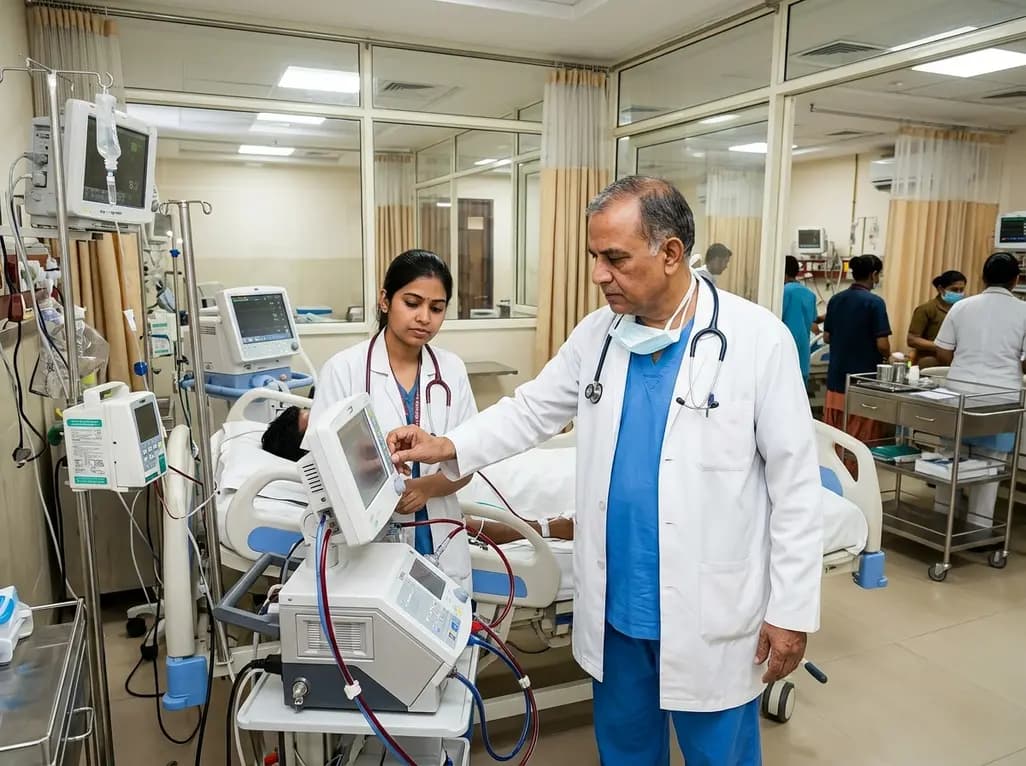
The introduction of an ECMO life support facility at Shri Ram Murti Smarak Institute of Medical Sciences (SRMS IMS) in Bareilly marks a major advancement for emergency medicine in North India. Located between Delhi and Lucknow, this facility brings high-caliber tertiary care directly to patients residing in Western Uttar Pradesh and Uttarakhand. Consequently, families facing catastrophic medical emergencies no longer need to endure long-distance travel to distant metropolitan cities during critical golden hours. Extracorporeal Membrane Oxygenation acts as an artificial heart and lung system, temporarily assuming organ function when conventional mechanical ventilation and medical therapies prove insufficient. Therefore, this advanced system provides a vital physiological bridge, allowing damaged organs time to heal or supporting patients awaiting organ transplantation. Establishing this capability locally preserves irreplaceable time, minimizes transit-related risks, and significantly improves survival outcomes for critically ill patients. Furthermore, this initiative aligns with national efforts to decentralize advanced healthcare access.
Extracorporeal Membrane Oxygenation represents one of the most sophisticated interventions available in modern intensive care units. Fundamentally, an ECMO life support system continuously pumps blood outside the body, passes it through an oxygenator to remove carbon dioxide and infuse oxygen, and returns it safely to the vascular system. Thus, the machine temporarily performs the essential gas exchange and circulatory functions of failing heart and lung tissues. Clinicians deploy two primary operational modes based on organ failure. Venovenous ECMO provides dedicated respiratory support for severe pulmonary damage, whereas venoarterial ECMO delivers simultaneous cardiac and respiratory support during acute hemodynamic collapse. By relieving functional workload on severely injured organs, ECMO grants pulmonary and myocardial tissues crucial physiological rest, facilitating recovery from severe inflammatory or ischemic damage. Consequently, patients facing refractory cardiopulmonary failure receive a renewed opportunity for survival. Moreover, successful implementation requires precise cannulation and round-the-clock management by specialized critical care teams.
The clinical utility of extracorporeal life support spans a broad spectrum of life-threatening emergencies encountered in intensive care settings. Primarily, critical care specialists deploy ECMO for severe acute respiratory failure, particularly acute respiratory distress syndrome resulting from severe viral or bacterial pneumonia. In these complex scenarios, ECMO enables ultra-protective lung ventilation strategies, preventing further ventilator-induced tissue injury. Additionally, the technology plays a vital role in managing severe cardiac emergencies, including acute cardiogenic shock, fulminant myocarditis, sudden cardiac arrest, and post-cardiotomy failure. Beyond primary heart and lung pathologies, ECMO offers life-saving support in acute toxicological crises. For instance, ingestion of toxic chemicals and pesticides, such as Celphos, causes profound metabolic depression and cardiac instability. ECMO maintains systemic tissue perfusion while toxic substances are safely metabolized. Furthermore, extracorporeal support serves as an essential bridge, maintaining physiological stability for critically ill patients awaiting organ transplantation. Consequently, clinicians manage complex multi-specialty cases with greater precision and improved functional recovery.
Historically, healthcare infrastructure in Western Uttar Pradesh and Uttarakhand faced significant gaps regarding specialized critical care technologies. Previously, patients suffering from catastrophic respiratory or circulatory failure had to be transferred to major metropolitan centers like Delhi or Lucknow to receive extracorporeal support. However, long-distance inter-hospital transfer of unstable, mechanically ventilated patients carries immense clinical risks, frequently resulting in acute hemodynamic deterioration or death during transit. By establishing a dedicated ECMO facility at SRMS IMS in Bareilly, healthcare providers have successfully closed this critical geographical gap. Local communities now enjoy immediate access to world-class life support during acute medical crises. Eliminating long transport times preserves vital physiological reserve and drastically enhances survival chances for critically ill individuals. Furthermore, local availability significantly reduces the financial, emotional, and logistical strain placed on families during medical emergencies. This achievement strengthens regional emergency infrastructure and ensures equitable healthcare access across North India.
Operating an extracorporeal membrane oxygenation unit requires a highly coordinated, multidisciplinary medical team working in complete synchronization. Intensivists, pulmonologists, cardiologists, cardiac surgeons, perfusionists, and specialized critical care nurses must provide continuous bedside monitoring. Managing patients on ECMO involves real-time hemodynamic tracking, frequent blood gas analysis, and meticulous anticoagulation management to prevent circuit thrombosis while minimizing hemorrhage risks. Furthermore, strict infection prevention protocols and sterile line maintenance are critical to prevent hospital-acquired infections in highly vulnerable patients. Bedside diagnostic tools, such as Doppler ultrasonography and echocardiography, are continuously utilized to monitor cannula placement, evaluate cardiac wall motion, and assess physiological recovery. Tailored sedation strategies, individualized nutritional support, and early physical therapy protocols are integrated into daily care routines. This comprehensive approach maximizes patient safety and ensures optimal therapeutic outcomes. Standardized clinical protocols minimize complications and improve overall discharge rates for complex ICU admissions.
The introduction of advanced extracorporeal capabilities at SRMS IMS Bareilly represents a major institutional milestone that shapes the future of emergency medicine across North India. As tertiary healthcare becomes increasingly decentralized, regional academic centers are elevated to international clinical standards. This development enhances training opportunities for medical residents, critical care fellows, and nursing professionals, fostering expertise in advanced hemodynamic management. Furthermore, establishing advanced critical care units strengthens regional referral networks, enabling peripheral clinics and secondary hospitals to stabilize and transfer high-risk patients efficiently. As clinical expertise and technological infrastructure continue to grow, regional outcomes for severe respiratory failure, cardiac arrest, and complex toxicities will continue to improve. Investing in advanced life support technology and specialized medical personnel ultimately creates a resilient healthcare ecosystem, ensuring that life-saving emergency treatment remains accessible to all patients regardless of geographic location. Such advancements promote continuous professional education across regional medical fraternities.
Q1: What is ECMO and how does it differ from a standard ventilator?
Extracorporeal Membrane Oxygenation is an advanced life support technology that functions as an artificial heart and lung system. While a standard mechanical ventilator assists breathing by pumping air into the lungs, ECMO removes blood directly from the body, oxygenates it, eliminates carbon dioxide, and returns it to the bloodstream. This completely unloads damaged organs, allowing the heart and lungs to rest and heal during severe organ failure.
Q2: Which medical conditions require immediate ECMO support?
ECMO is indicated for critical, life-threatening conditions where conventional ventilator and pharmacological treatments fail. Major clinical indications include severe Acute Respiratory Distress Syndrome, fulminant viral or bacterial pneumonia, acute cardiac arrest, and cardiogenic shock. Additionally, ECMO provides critical circulatory support during severe chemical or pesticide poisonings, such as Celphos ingestion, and serves as a vital physiological bridge for patients awaiting organ transplantation.
Q3: Why is having an ECMO unit in Bareilly significant for patients?
Prior to this setup, patients between Delhi and Lucknow had to travel hundreds of kilometers to access extracorporeal life support. Transporting critically ill patients over long distances carries extreme clinical risks and causes dangerous treatment delays. Establishing an ECMO facility at SRMS IMS in Bareilly provides immediate local access to advanced critical care, saving vital time, improving survival rates, and alleviating heavy logistical burdens for families.
Disclaimer: This content is for informational and educational purposes only. It does not constitute medical advice or replace professional judgment. Refer to the latest local and national guidelines for clinical practice.
References

Read summarized clinical updates, watch expert medical content, and earn CME certifications right from your smartphone.
Open your smartphone camera to scan and install.





SRMS IMS in Bareilly has launched the first ECMO life support facility between Delhi and Lucknow, expanding critical care access for severe respiratory failure, cardiac emergencies, and toxic poisonings across Western UP and Uttarakhand.
last month

A subtype-specific analysis reveals differential NEK7-NLRP3 inflammasome gene expression in systemic sclerosis dermal fibroblasts, correlating with modified Rodnan skin scores and disease severity in diffuse and limited cutaneous variants.
Today
A comprehensive meta-analysis of over 278,000 women demonstrates that maternal atopic dermatitis significantly increases risks of premature rupture of membranes and low birth weight. Discover essential clinical insights on disease mechanisms, serial antenatal growth monitoring, and safe therapeutic interventions.
Today
Managing destructive Citrobacter koseri endocarditis with aortocavitary fistula requires meticulous antiplatelet bridging, extensive debridement, and complex redo aortic root and RVOT reconstruction.
Today
A biomechanical study shows that augmenting thin fascia lata grafts with a reinforced polyester patch doubles ultimate tensile strength and stiffness, matching the performance of thick grafts for superior capsule reconstruction while reducing donor-site morbidity.
Today
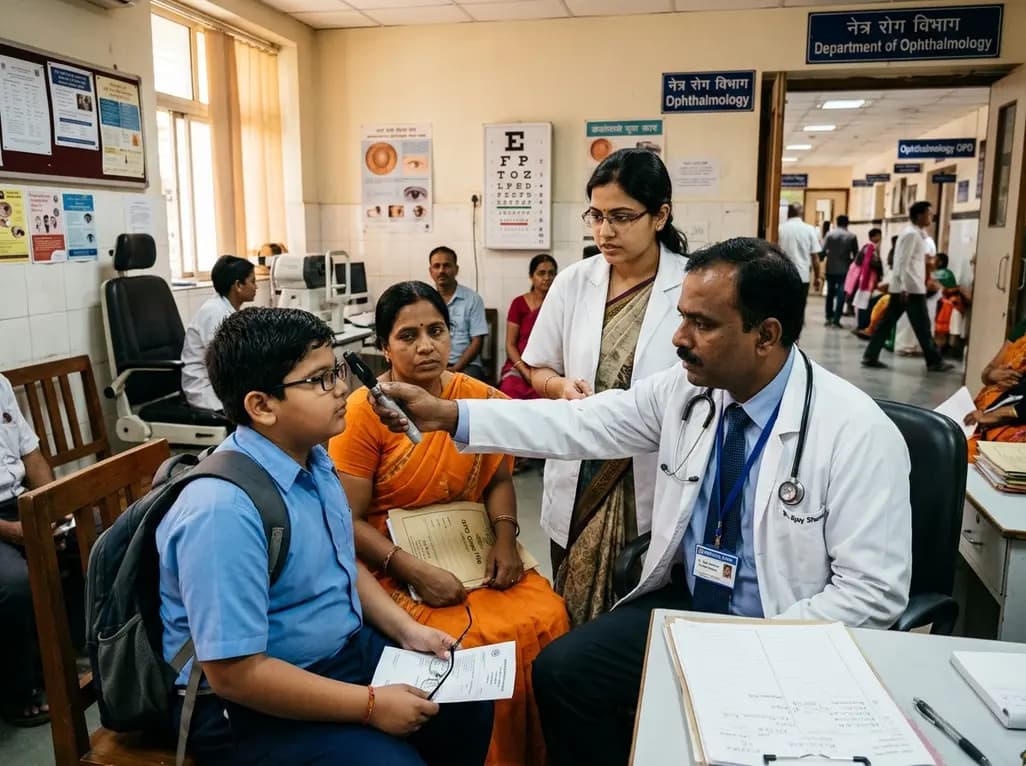
A cross-sectional study reveals that elevated METS-IR is independently associated with higher myopia odds in adolescents, showing biological synergy with obesity and highlighting the need for metabolic screening in pediatric eye care.
Today
