.webp&w=384&q=75)

Loading, please wait...
Loading, please wait...
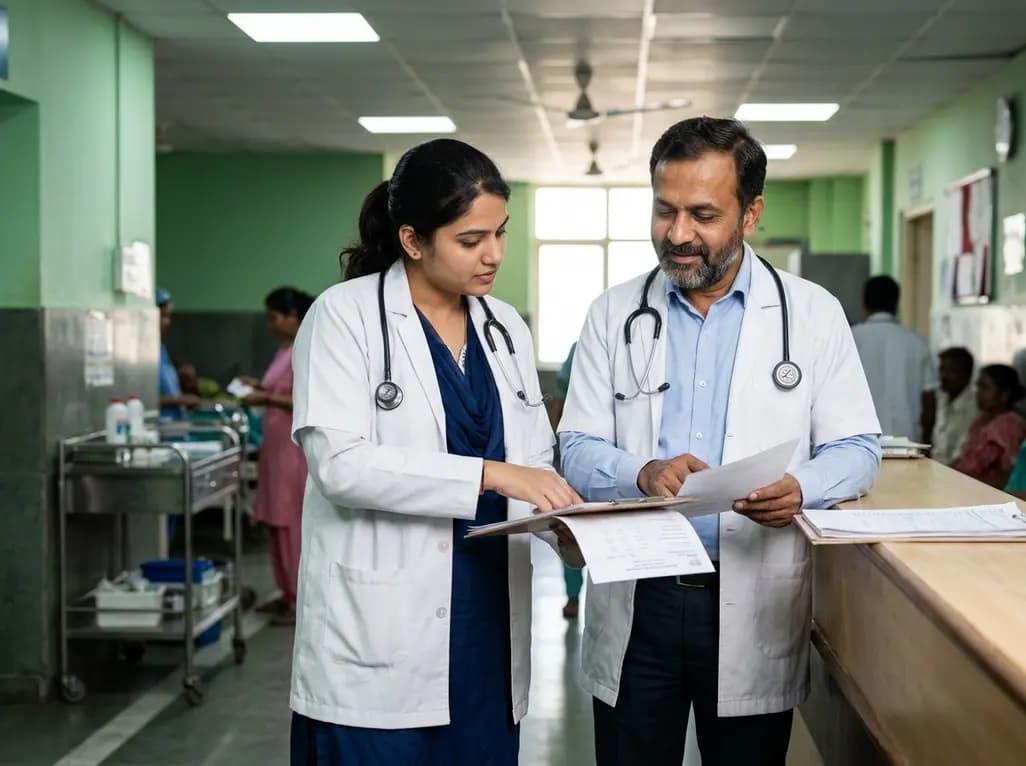
The ongoing health crisis in the Democratic Republic of the Congo demands immediate clinical intervention. Consequently, medical researchers have launched the highly anticipated Ebola Bundibugyo trial to evaluate potential lifesaving therapeutics. The World Health Organization recently announced the enrollment of the first participant in this crucial study. Currently, the scarce Bundibugyo strain lacks approved vaccines or specific antiviral treatments. This randomized clinical trial aims to discover effective treatments and provide immediate hope to affected communities.
Historically, the Zaire ebolavirus strain has dominated global headlines due to successful vaccine developments. However, the Bundibugyo species presents a distinct and highly lethal challenge for modern healthcare systems. This specific variant remains less common but exceptionally dangerous, with a rising death toll in eastern Congo. Currently, clinicians have diagnosed more than 1,400 people, and over 430 individuals have already died during this escalating outbreak.
Therefore, physicians cannot rely on existing medical protocols or standard immunizations. Although early supportive care helps some patients recover, clinicians desperately need targeted therapeutic interventions. Furthermore, the geographic spread of this variant threatens to strain fragile regional healthcare infrastructures. Without specific pharmaceutical tools, managing the outbreak relies entirely on strict isolation and basic fluid management.
Consequently, local medical teams face extreme clinical pressure while managing high patient volumes. This critical emergency highlights why researchers must accelerate therapeutic research. Ultimately, understanding this strain’s unique biological behavior represents the first step toward establishing effective clinical protocols globally.
To combat this deadly virus, the clinical trial will evaluate two promising pharmaceutical agents. Specifically, researchers are testing Gilead Sciences' antiviral drug, remdesivir, alongside Mapp Biopharmaceutical's experimental antibody cocktail, MBP134. Clinicians already know remdesivir as an approved treatment for severe COVID-19 cases. However, laboratory tests suggest that its broad-acting mechanism might also inhibit the replication of the Bundibugyo virus.
Alternatively, MBP134 represents a highly specialized approach to immunotherapy. This investigational product contains engineered monoclonal antibodies designed to target and neutralize various Ebola species, including Bundibugyo. Therefore, combining these distinct mechanisms of action could theoretically yield synergistic therapeutic benefits. Medical teams will randomly assign participants to receive remdesivir, MBP134, both drugs, or standard supportive care alone.
Meanwhile, researchers will closely monitor survival outcomes for twenty-eight days following the initiation of treatment. This rigorous comparative design will help scientists determine which protocol offers the best survival advantage. By testing both a broad antiviral and a targeted monoclonal antibody, the trial maximizes the chances of discovering a successful clinical strategy.
The PARTNERS trial employs a robust, randomized, and controlled platform design to evaluate drug efficacy. Specifically, the trial intends to recruit between 700 and 1,000 participants over several months. This substantial sample size is necessary to gather statistically significant data regarding patient survival. However, if one therapeutic option demonstrates exceptionally high efficacy early on, researchers can conclude the trial sooner with fewer patients.
Additionally, the World Health Organization is coordinating this international effort with several prestigious academic institutions. These partners include Congo’s national biomedical research institute (INRB), Oxford University, and the Antwerp Institute of Tropical Medicine. Notably, all enrolled patients will continue to receive the highest local standards of supportive medical care. This clinical care includes essential hydration, electrolyte replacement, and close physiological monitoring.
Consequently, participation in the study does not compromise patient safety or standard medical attention. By embedding the research directly into existing healthcare delivery systems, the trial maintains high ethical standards. Ultimately, this collaborative methodology ensures that scientific discovery proceeds without sacrificing patient welfare in vulnerable communities.
Implementing a complex clinical trial during an active epidemic presents severe operational challenges. Currently, medical teams are offering the study only at a single treatment center in Congo's Ituri province. Unfortunately, this specific region has experienced intense civil conflict and regular episodes of local violence. This ongoing instability directly threatens healthcare workers who are risking their lives to treat infected patients.
Consequently, researchers must keep the exact coordinates of some treatment centers confidential to protect staff and patients. Moreover, community mistrust regarding medical interventions sometimes leads to hostile acts against healthcare infrastructure. Therefore, clinical educators must focus heavily on community engagement and clear communication to build trust. Without local cooperation, tracing contacts and enrolling clinical trial participants becomes nearly impossible.
Meanwhile, international organizations are working diligently alongside Congolese authorities to secure these medical environments. Expanding the trial to other locations will occur only when local security conditions improve significantly. Despite these immense hurdles, dedicated physicians continue their vital work on the front lines of this dangerous outbreak.
Discovering an effective treatment represents only the first phase of solving this public health emergency. Indeed, if either drug proves successful, the international community must address distribution and access. Currently, Gilead Sciences and the United States government have donated sufficient initial drug doses for the trial. However, scaling up manufacturing to meet broader regional demands will require substantial international funding and cooperation.
Therefore, global health leaders are already planning long-term access strategies for these experimental drugs. If the clinical trials demonstrate efficacy, manufacturers must quickly transition from research-level production to mass distribution. Additionally, local healthcare systems will need specialized training to administer monoclonal antibodies and intravenous antivirals safely.
Consequently, building robust health infrastructure in sub-Saharan Africa remains an essential goal for global health security. Meanwhile, the knowledge gained from this trial will help researchers prepare for future outbreaks of rare filoviruses. By establishing clear treatment protocols now, medical systems worldwide can respond more rapidly to subsequent emerging infectious threats. Ultimately, global solidarity and proactive planning are essential to translate laboratory success into real-world patient survival.
Q1: What is the primary objective of the new Ebola Bundibugyo trial?
The primary objective of this clinical trial is to evaluate the safety and efficacy of two experimental therapies, remdesivir and MBP134, against the rare Bundibugyo ebolavirus strain. Researchers want to determine if these drugs, administered individually or in combination, can significantly improve survival outcomes. Additionally, the trial seeks to establish standardized treatment protocols for a strain that currently lacks any approved vaccines or specific therapeutics.
Q2: How do remdesivir and MBP134 work differently against the virus?
These two drugs utilize completely different medical mechanisms to fight the infection. Specifically, remdesivir is a broad-acting antiviral drug that works by disrupting the genetic replication process of the virus inside host cells. In contrast, MBP134 is an engineered monoclonal antibody cocktail designed to directly bind to and neutralize the virus. Consequently, combining both treatments might block the virus at multiple stages of its life cycle.
Q3: Why is the clinical trial restricted to specific regions in Congo?
Currently, the clinical trial is restricted to selected centers in the Ituri province due to severe security threats and ongoing civil conflict. Violence targeting healthcare workers and medical facilities has severely restricted where researchers can safely operate. Therefore, officials plan to expand the study to other regional treatment centers only after establishing adequate security measures to protect both clinical staff and vulnerable patients.
Disclaimer: This content is for informational and educational purposes only. It does not constitute medical advice or replace professional judgment. Refer to the latest local and national guidelines for clinical practice.
References

Read summarized clinical updates, watch expert medical content, and earn CME certifications right from your smartphone.
Open your smartphone camera to scan and install.





As the Ebola outbreak worsens in the Democratic Republic of the Congo, the WHO has launched a pioneering clinical trial targeting the rare Bundibugyo strain. Evaluating remdesivir and MBP134, this study offers critical therapeutic hope for affected communities amid complex regional security challenges.
3 months ago

Following Nigeria's first recorded Ebola case linked to regional travel, the Africa CDC has convened an emergency ministerial summit. This alert underscores critical clinical priorities for healthcare professionals, including differentiating early viral infection from malaria, implementing barrier nursing, and triage.
Today

Leucine Rich Bio has introduced South Asia's first comprehensive vaginal microbiome test, BugSpeaks. By profiling microbial dysbiosis, pathogens, and antimicrobial resistance, this next-generation diagnostic platform provides clinicians with deeper insights into recurrent infections, fertility, and reproductive health.
Today

Review how tailored exercise programs benefit frail older patients with heart failure. Explore pathophysiological mechanisms, individualized training prescriptions, and strategies to overcome adherence barriers in clinical practice.
Today

This comparative study evaluates posterior labral tears with and without glenohumeral instability, highlighting distinct demographic patterns, MRI underestimation in stable shoulders, and successful arthroscopic repair outcomes.
Today

A clinical study demonstrates that early intervention with tocilizumab, either as monotherapy or bridged with corticosteroids, achieves significant proptosis reduction and resolves active inflammation in treatment-naive thyroid eye disease.
Today
