.webp&w=384&q=75)

Loading, please wait...
Loading, please wait...
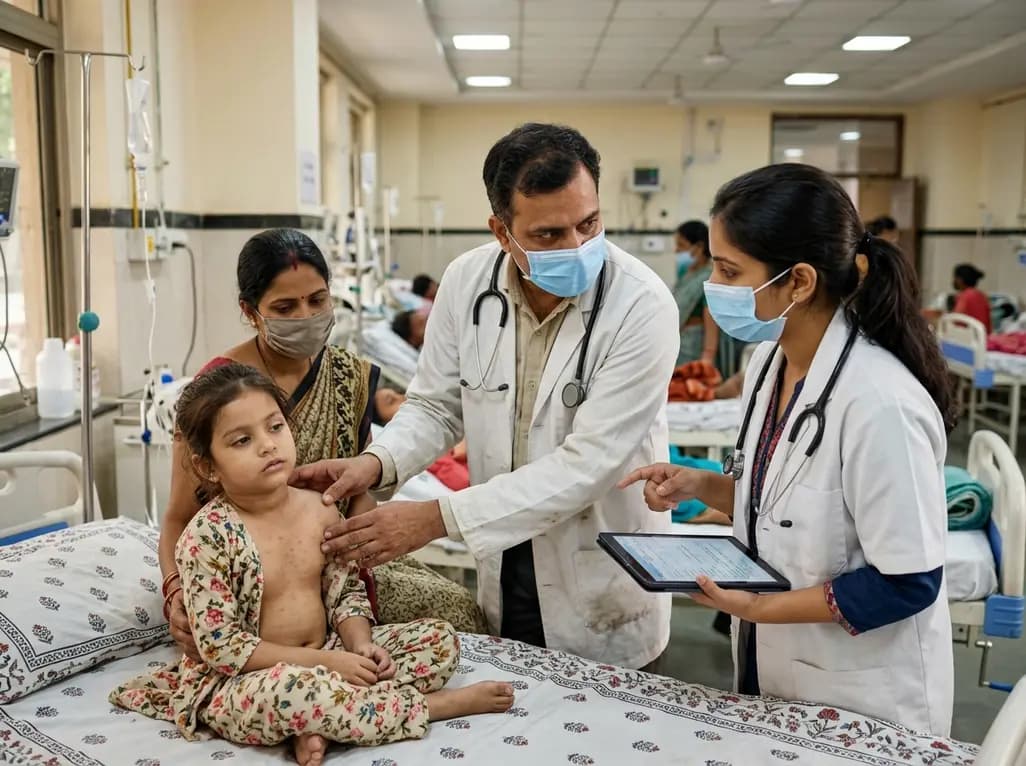
A severe resurgence of preventable viral illness highlights the fragility of regional herd immunity. Recent epidemiological crises, such as the catastrophic spike in Bangladesh with over 166,000 cases and nearly 1,000 deaths, demonstrate how quickly suspended immunization drives spawn deadly epidemics. Consequently, healthcare providers across South Asia must master every dimension of measles outbreak management to safeguard pediatric cohorts. Clinical teams frequently encounter undervaccinated infants who experience fulminant symptoms and dangerous complications. Therefore, establishing prompt diagnostic recognition, rapid isolation, and systematic clinical management remains essential for reducing child mortality.
Measles transmission expands exponentially whenever population-level vaccine coverage drops below the critical 95% threshold. In recent years, political turmoil, administrative restructuring, and cancelled supplementary immunization activities disrupted routine services across multiple districts. Consequently, an immense cohort of unprotected infants accumulated over several seasons. Infants under nine months remain extraordinarily vulnerable because they cannot receive routine measles-containing vaccines. Therefore, these infants depend entirely on robust herd immunity for protection.
Furthermore, crowded urban communities accelerate airborne transmission among young children. Healthcare providers must recognize that missed primary doses leave toddlers completely unprotected. Historical data confirm that postponing national measles-rubella immunization drives creates substantial immunity deficits. When routine services falter, community spread escalates rapidly across age groups. Thus, pediatric clinics and district hospitals inevitably experience massive influxes of severely ill children.
Frontline practitioners must maintain a high index of suspicion for classic measles signs. The infection typically begins with a high-grade prodromal fever accompanied by cough, coryza, and non-purulent conjunctivitis. Soon after, clinicians can detect Koplik spots on the buccal mucosa, which provide pathognomonic confirmation before the rash erupts. Subsequently, an erythematous maculopapular rash begins along the hairline and rapidly spreads downward to the trunk and extremities.
However, clinicians must establish strict triage protocols immediately upon patient arrival. Measles virus spreads via airborne droplets and remains viable in ambient air for up to two hours. Therefore, triage staff must quickly escort suspected patients into well-ventilated, dedicated isolation areas. Clinicians should confirm the diagnosis through serum measles-specific IgM antibodies or reverse-transcription polymerase chain reaction tests. Moreover, practitioners must evaluate every child for critical danger signs, including dehydration, respiratory distress, convulsions, and persistent high fever.
Effective measles outbreak management requires structured supportive care, immediate nutritional stabilization, and stringent infection control. Because no specific antiviral cures measles, clinical therapy focuses on mitigating secondary pathology and organ failure. Clinicians must immediately administer oral vitamin A to all diagnosed pediatric patients. High-dose vitamin A restores mucosal integrity and reduces measles-related mortality by up to 50%. Clinicians administer age-stratified doses: 50,000 IU for infants under six months, 100,000 IU for infants aged six to eleven months, and 200,000 IU for children older than twelve months, repeated on day two.
Additionally, meticulous fluid and electrolyte resuscitation remains essential, especially when prolonged diarrhea accompanies the illness. Clinicians should provide oral rehydration solution or pediatric isotonic maintenance fluids to prevent lethal dehydration. However, medical teams should avoid unnecessary prophylactic broad-spectrum antibiotics in uncomplicated cases. Instead, physicians should restrict antibacterial agents to documented bacterial complications, including purulent otitis media and secondary bacterial pneumonia. Thus, disciplined supportive interventions prevent fatal decompensation in resource-constrained environments.
Measles induces transient but profound immunosuppression, often termed immune amnesia. The virus depletes memory B and T lymphocytes, which leaves children highly susceptible to secondary bacterial and viral infections for several months. Severe bronchopneumonia represents the leading cause of measles-associated childhood mortality. Consequently, medical teams must closely monitor respiratory rates, oxygen saturation, and chest indrawing. Furthermore, physicians must remain alert to neurological sequelae, such as acute post-measles encephalitis and fatal subacute sclerosing panencephalitis.
Simultaneously, co-occurring endemic crises dramatically increase hospital strain. In South Asia, overlapping surges of mosquito-borne dengue fever frequently overwhelm existing pediatric intensive care units. Managing a patient who suffers from both viral hemorrhagic fever and immunosuppressive measles requires delicate clinical balance. For example, fluid overload must be avoided during dengue plasma leakage, while adequate hydration must be maintained to counteract measles-related fluid losses. Therefore, multi-disease surveillance and meticulous bedside hemodynamic monitoring become mandatory during concurrent outbreaks.
Halting widespread transmission demands decisive public health interventions and robust supplementary immunization campaigns. Health authorities must conduct expansive catch-up drives targeting children aged six months to five years. Although standard schedules deliver the first measles-rubella dose at nine months, clinicians can administer an outbreak response dose as early as six months in high-transmission zones. However, this early dose does not count toward routine two-dose protection and requires regular subsequent vaccination.
Furthermore, healthcare institutions must actively verify the vaccination status of every patient seeking primary care. Frontline nurses and physicians should utilize every clinical encounter to administer missed measles doses. Public education campaigns must counter vaccine hesitancy, clarify scheduled timelines, and reassure hesitant parents. Community health workers play an indispensable role in tracking missed children in remote or underserved areas. Ultimately, sustained routine coverage exceeding 95% provides the only durable defense against recurrent epidemics.
Q1: Why is vitamin A therapy mandatory in pediatric measles management?
Vitamin A deficiency significantly worsens measles severity by impairing epithelial mucosal barriers and weakening cell-mediated immunity. Administering two consecutive daily doses of vitamin A restores retinol reserves, accelerates mucosal healing, prevents corneal damage, and reduces pneumonia complications. Clinical trials show this simple therapy lowers overall measles-related mortality by nearly 50% among hospitalized pediatric patients.
Q2: How can primary care clinics prevent nosocomial measles transmission?
Clinicians must enforce immediate airborne triage for any febrile patient presenting with respiratory symptoms and a rash. Suspected children should bypass general waiting rooms and enter separate, negative-pressure or well-ventilated rooms immediately. Healthcare workers must wear fit-tested N95 respirators, maintain verified two-dose immunization status, and keep exam rooms vacant for two hours after patient discharge.
Q3: What schedule should clinicians follow for outbreak catch-up immunization?
During community surges, infants aged six to nine months can receive a supplementary zero dose of measles-containing vaccine. However, this child must still receive routine primary doses at nine to twelve months and sixteen to twenty-four months. Furthermore, unvaccinated children older than twelve months must receive two catch-up doses separated by at least four weeks.
Disclaimer: This content is for informational and educational purposes only. It does not constitute medical advice or replace professional judgment. Refer to the latest local and national guidelines for clinical practice.
References

Read summarized clinical updates, watch expert medical content, and earn CME certifications right from your smartphone.
Open your smartphone camera to scan and install.





Massive surges in measles infections underscore the grave danger of disrupted routine childhood immunization. Explore frontline diagnostic protocols, inpatient supportive therapies, vitamin A regimens, and regional catch-up strategies essential for pediatric care teams navigating resurgent vaccine-preventable crises.
last month
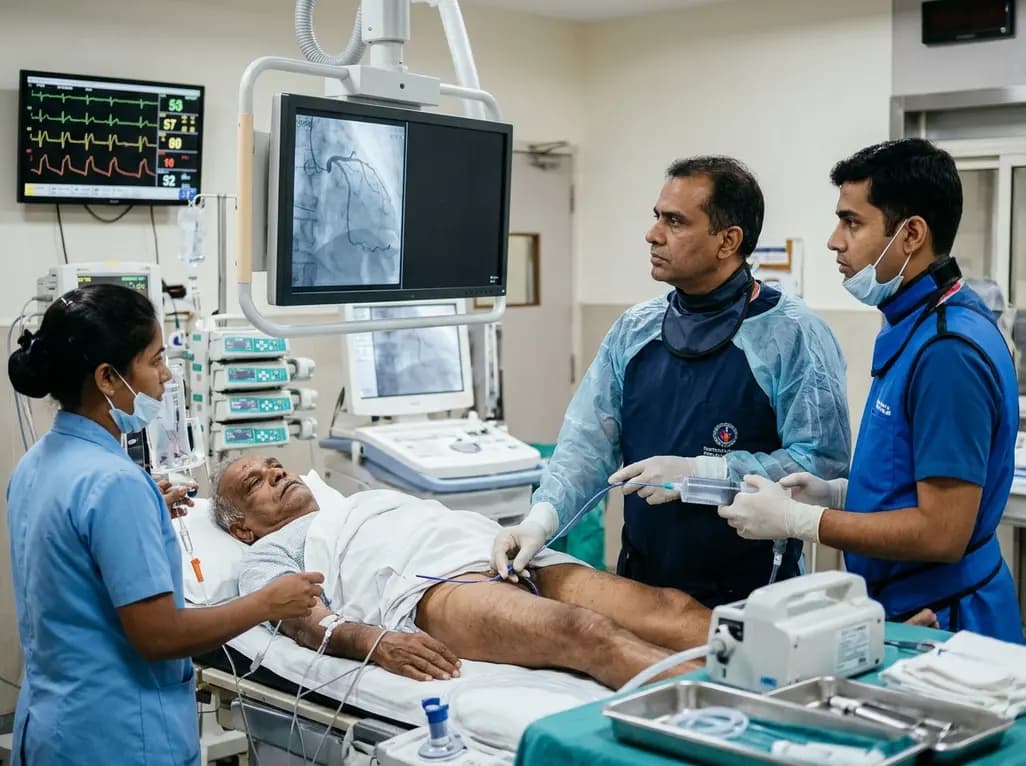
An elderly man with partially repaired Tetralogy of Fallot presented with STEMI caused by coronary embolism rather than atherosclerosis. Successful treatment with sustained mechanical aspiration thrombectomy underscores the vital need for high clinical vigilance in adult congenital heart disease.
Today
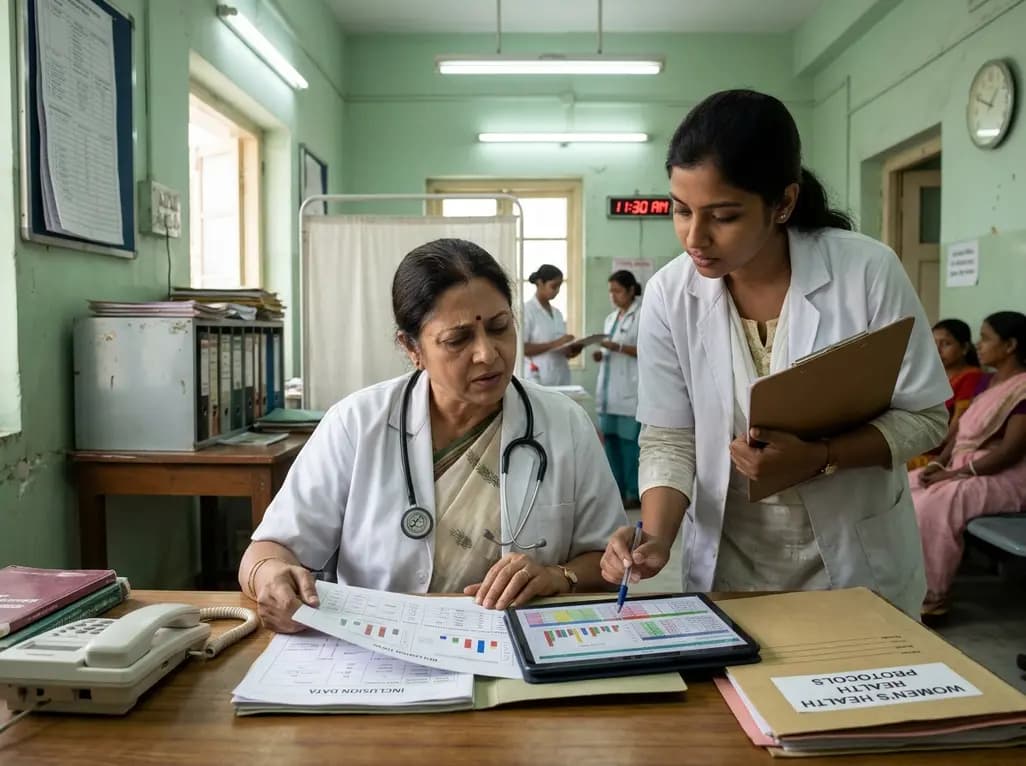
Demanding exhaustive hormonal profiling can inadvertently discourage clinical studies involving females. Methodological standards must align with the specific scientific question to expand, not restrict, equitable evidence for women.
Today

A recent study demonstrates that spinal oxygen sensors do not require mitochondrial electron transport to trigger sympathetic excitation during acute hypoxia, revealing new insights into how mitochondrial oxidative stress modulates autonomic tone in cardiovascular and neurological diseases.
Today

A novel calcium polyphosphate coacervate enables injectable bone implants with in situ hierarchical porosity via phase separation and gas foaming, significantly enhancing cell proliferation, energy metabolism, and osteogenic differentiation for minimally invasive bone defect repair.
Today

Following regulatory scrutiny from FSSAI regarding promotional representations and lean muscle preservation claims, Dr. Reddy's Laboratories and Nestlé Health Science are currently reviewing the branding and marketing strategy for their joint nutritional supplement Celevida GLP+.
Today
