.webp&w=384&q=75)

Loading, please wait...
Loading, please wait...
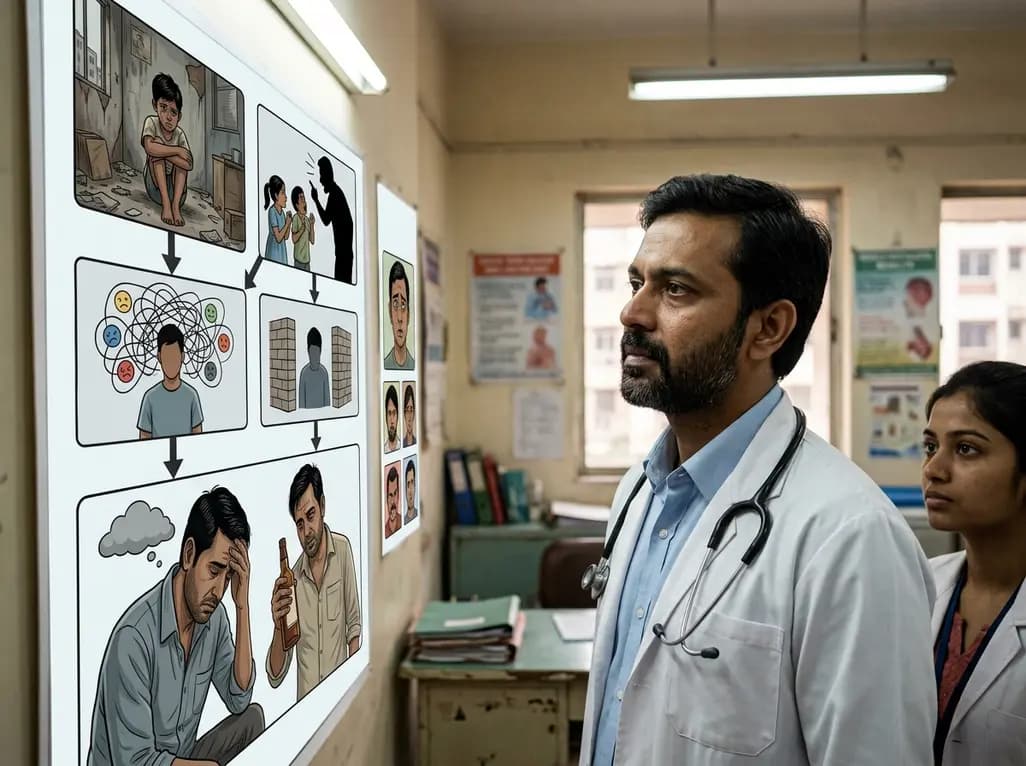
Early life stress impact remains one of the most significant determinants of long-term psychiatric health. Clinical researchers have long recognized that adverse childhood experiences do not occur in isolation. Instead, multiple types of stress—including abuse, neglect, and family dysfunction—often cluster together. Recent studies suggest that a person-centered approach provides better insight into these patterns than traditional cumulative risk models. By focusing on how different stressors co-occur, clinicians can better predict how an individual will react to future challenges. This perspective is vital for understanding the lifelong trajectory of mental health disorders. Furthermore, understanding the early life stress impact allows for more targeted prevention and intervention strategies. When children experience chronic adversity, their developing neurobiological systems often undergo significant adaptations. Consequently, these changes can lead to a heightened sensitivity to stress in adulthood. Researchers now emphasize the importance of identifying specific profiles of exposure to improve clinical outcomes and patient management.
Traditional psychiatric research often uses a variable-centered approach, which sums up the number of adverse events a person has faced. However, this method may overlook the nuanced differences between types of trauma. A person-centered approach, such as latent profile analysis, identifies subgroups of individuals who share similar experiences. In a landmark study involving young adults, researchers identified three distinct profiles of early life stress. These profiles represent different constellations of maltreatment and family environment. Specifically, the first profile represented individuals with low overall exposure. The second profile featured high levels of emotional maltreatment and elevated physical abuse and family dysfunction. Most strikingly, the third profile involved extremely high rates of sexual abuse and parental affectionless control. By categorizing patients into these groups, healthcare providers can better understand the unique early life stress impact on each individual. This method moves beyond simple counts and looks at the qualitative nature of childhood environments. Consequently, it provides a more accurate map of psychological vulnerability across the lifespan.
One of the most critical findings in modern psychopathology is the interaction between childhood trauma and current life stress. This relationship often demonstrates a sensitizing effect, where early life stress impact makes an individual more reactive to proximal triggers. For example, the COVID-19 pandemic served as a major proximal stressor that revealed underlying vulnerabilities. The study found that individuals in high-adversity profiles showed much more significant increases in mood symptoms when facing pandemic-related stress. This suggests that childhood trauma "reprograms" the stress response system, such as the hypothalamic-pituitary-adrenal axis. When new stressors emerge in early adulthood, these individuals may experience an exaggerated physiological and psychological response. Moreover, this interaction explains why some people thrive during crises while others suffer severe psychiatric declines. Identifying these interactive effects helps clinicians recognize which patients require more intensive support during global or personal upheavals. Therefore, assessing a patient’s history of early life stress is essential for predicting their resilience to current environmental pressures.
The early life stress impact manifests significantly in mood symptoms and coping behaviors like alcohol use. Specifically, individuals with high-maltreatment profiles often exhibit greater levels of depression, anxiety, and posttraumatic stress symptoms. The interaction between their past trauma and recent stressors significantly predicted the severity of these outcomes. Furthermore, the research highlighted alcohol use as a key area of concern. For many, alcohol serves as a maladaptive coping mechanism to dampen the overactive stress response developed in childhood. The study indicated that those with specific ELS profiles were more likely to increase their alcohol consumption in response to adult stress. This behavioral pattern highlights the complex link between developmental history and addictive behaviors. Additionally, these findings suggest that treating mood disorders without addressing the underlying trauma may be less effective. Clinicians should view substance use through a trauma-informed lens, recognizing it as a potential attempt to manage emotional dysregulation. Consequently, integrated treatment models that address both current symptoms and past trauma are increasingly necessary.
In India, the early life stress impact is a growing concern for psychiatrists and primary care physicians alike. While global research provides a foundation, local cultural factors like family structure and societal expectations play a significant role. Research on Indian undergraduate students has shown that emotional neglect and household dysfunction are powerful predictors of adult anxiety and depression. Moreover, the stigma surrounding mental health in many Indian communities may lead to the internalizing of stress, which manifests later as somatization or severe mood disorders. Additionally, the pandemic disproportionately affected young adults in India, highlighting the need for robust screening tools in clinical practice. Indian clinicians must navigate these complexities by incorporating trauma-informed questions into routine evaluations. Addressing the early life stress impact requires a deep understanding of the patient's family history and social environment. By identifying high-risk profiles early, practitioners can implement preventive measures that align with the specific needs of the Indian population. This approach fosters a more compassionate and effective healthcare system.
To mitigate the long-term early life stress impact, healthcare providers must transition toward trauma-informed care models. This involves screening for adverse childhood experiences during initial psychiatric assessments or primary care visits. Understanding a patient's ELS profile allows for a more personalized treatment plan, focusing on specific vulnerabilities like emotional regulation or substance use risk. Furthermore, early intervention programs can help "buffer" children against the harmful effects of family dysfunction or neglect. For adults, therapeutic interventions such as trauma-focused cognitive-behavioral therapy or EMDR can be highly effective. Additionally, clinicians should educate patients about the link between their childhood history and their current reactions to stress. This knowledge often reduces self-blame and increases engagement with treatment. Ultimately, the goal is to build resilience by addressing the root causes of psychological distress. As we move toward more precise psychiatric care, recognizing the diverse profiles of early life stress will remain a cornerstone of effective clinical practice.
Early life stress impact significantly shapes adult mental health by altering the brain's stress response systems and emotional regulation pathways. These early experiences can sensitize an individual to later life stressors, making them more vulnerable to mood disorders, anxiety, and PTSD. Research shows that specific patterns of childhood trauma, such as abuse or neglect, co-occur to create distinct risk profiles that predict how an adult will cope with challenges like a pandemic or job loss.
The cumulative risk approach simply counts the number of adverse events, assuming each stressor has an equal impact. In contrast, a person-centered approach identifies unique profiles of individuals who share similar patterns of exposure. This method recognizes that the combination of specific stressors—like sexual abuse paired with affectionless control—may lead to different psychiatric outcomes than other combinations. It allows clinicians to move beyond numbers to understand the qualitative nature of a patient's childhood environment.
Indian clinicians can implement these findings by incorporating trauma screening into routine psychiatric and primary care evaluations. By asking about family dynamics, neglect, and abuse, doctors can identify high-risk profiles early. Given the cultural context in India, it is also important to look for somatization or substance use as potential indicators of underlying childhood trauma. Using these profiles helps in designing personalized, trauma-informed treatment plans that address both current symptoms and long-standing psychological vulnerabilities.
Disclaimer: This content is for informational and educational purposes only and does not constitute medical advice, diagnosis, or treatment. Always seek the advice of your physician or another qualified health provider with any questions you may have regarding a medical condition. Refer to the latest local and national guidelines for clinical practice.
References
Park J et al. Profiles of Early Life Stress and Their Interaction With Proximal Stress in Early Adulthood: A Person-Centered Approach. J Clin Psychol. 2026 Jul 04. doi: 10.1002/jclp.70174. PMID: 42400332.
Mathew A. Impact of Childhood Trauma on Adult Mental Health Outcomes. Int J Indian Psychol. 2023; 11(3): 2163-2169. doi: 10.25215/1103.133.
Trivedi GY, Trivedi RG. Childhood Trauma Research in India: Evidence-based pathways to recovery. Wellness Space Publications. 2024.

Read summarized clinical updates, watch expert medical content, and earn CME certifications right from your smartphone.
Open your smartphone camera to scan and install.





New research identifies distinct profiles of early life stress (ELS) and shows how they interact with adult stressors to impact mood and alcohol use. This person-centered approach helps clinicians identify long-term psychiatric vulnerabilities and the sensitization effects of childhood trauma.
3 months ago

Following regulatory scrutiny from FSSAI regarding promotional representations and lean muscle preservation claims, Dr. Reddy's Laboratories and Nestlé Health Science are currently reviewing the branding and marketing strategy for their joint nutritional supplement Celevida GLP+.
Today
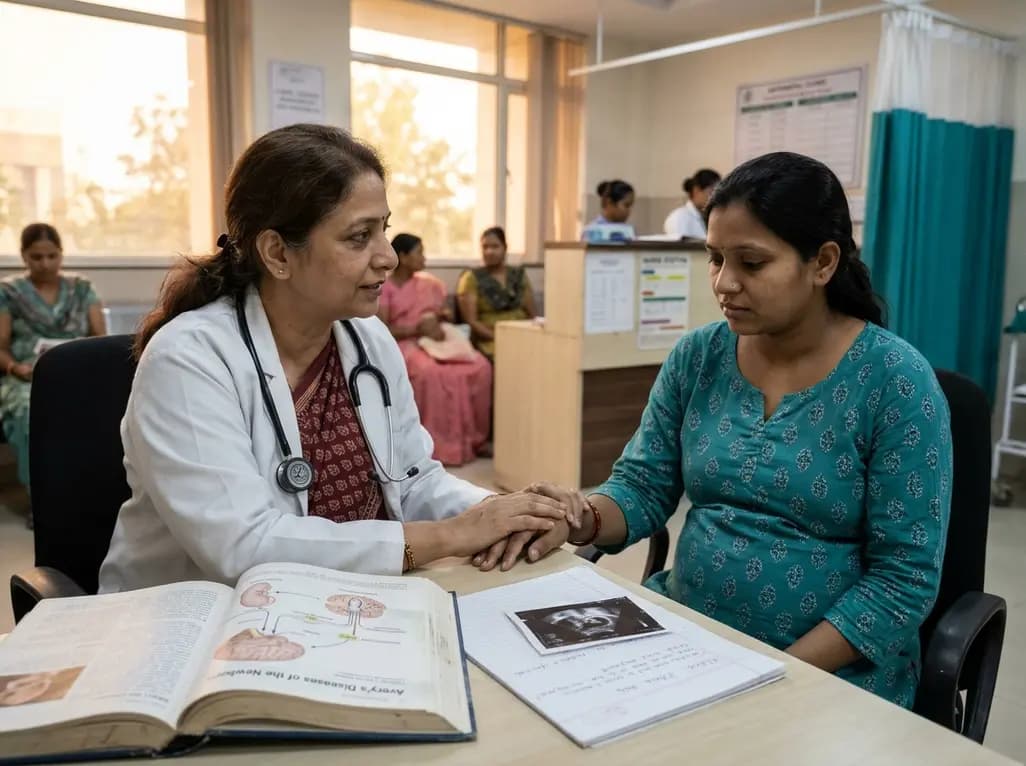
A comprehensive scoping review synthesises evidence linking prenatal maternal mental health to long-term offspring neurodevelopment, evaluating neuroendocrine, inflammatory, and epigenetic pathways while highlighting clinical screening and future research priorities.
Today

The Directorate General of Health Services directs Indian states to halt the hazardous reuse and reprocessing of single-use medical devices. Discover regulatory implications under the Drugs and Cosmetics Act, critical infection risks, legal liabilities, and operational changes required across clinical specialties.
Today
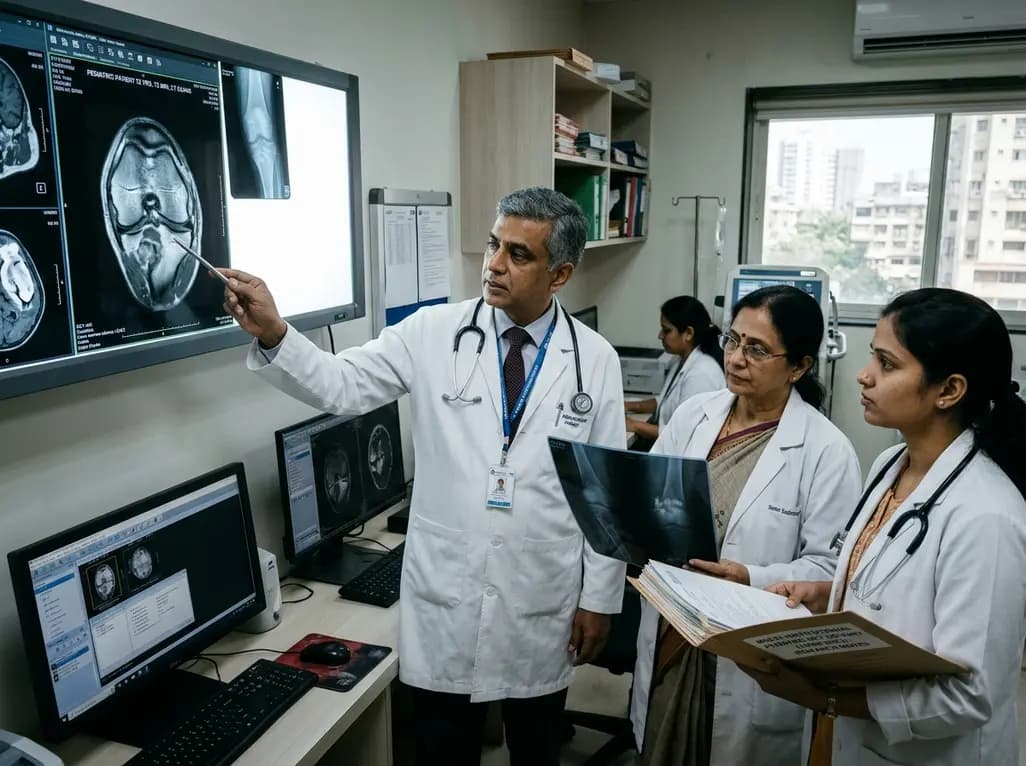
A 25-year multi-institutional cohort reveals high recurrence rates in pediatric giant cell tumor of bone, particularly in patients with open physes and bone marrow edema on preoperative MRI. Early surveillance and careful balance between growth plate preservation and tumor clearance are essential.
Today

India is advancing preventive healthcare by integrating genomics, artificial intelligence, and quantum technologies. With the SANGAM programme sequencing one million Indian genomes, clinicians can unlock personalized therapies, detect cardiometabolic risks early, and curb the burden of diabetes and heart disease.
Today
