.webp&w=384&q=75)

Loading, please wait...
Loading, please wait...

Postoperative management following a pancreatoduodenectomy remains a subject of ongoing debate among surgical specialists. The recent NUTRIWHI randomized clinical trial provides new evidence supporting the use of early enteral nutrition (EEN) in patients at high nutritional risk. By delivering nutrients immediately after surgery via a nasojejunal tube, clinicians can potentially mitigate the severity of postoperative complications.
The study enrolled patients with a Nutritional Risk Screening (NRS) score of 3 or higher. Researchers randomized these individuals to receive either enteral nutrition or standard oral intake. Interestingly, the results showed that the EEN group experienced a significantly lower mean Comprehensive Complication Index (CCI). Specifically, the EEN group recorded a mean CCI of 25.5, whereas the oral nutrition group reached 35.8.
Furthermore, the incidence of specific complications like pancreatic fistulas or delayed gastric emptying remained similar between groups. However, the EEN strategy effectively reduced the overall complication burden. Consequently, early enteral nutrition (EEN) serves as a valuable tool for enhancing recovery in nutritionally vulnerable populations. Surgeons should monitor nasojejunal tubes closely, as some participants removed them involuntarily.
In conclusion, implementing enteral feeding early in the postoperative phase helps decrease the incidence of severe morbidity. This approach aligns with broader surgical goals of optimizing patient safety and reducing long-term hospital readmissions.
EEN significantly reduces the Comprehensive Complication Index (CCI). This reduction indicates that it lowers the total severity and burden of complications, even if the absolute number of complications remains similar to oral intake.
The NUTRIWHI trial specifically supports EEN for patients at high nutritional risk. Clinicians usually define this group as those with a Nutritional Risk Screening (NRS) score of 3 or higher.
Disclaimer: This content is for informational and educational purposes only. It does not constitute medical advice or a professional relationship. Refer to the latest local and national guidelines for clinical practice.
References
1. Joliat GR et al. Early Enteral vs Oral Postoperative Nutrition After Pancreatoduodenectomy: The NUTRIWHI Randomized Clinical Trial. JAMA Surg. 2026 Apr 22. doi: 10.1001/jamasurg.2026.1048. PMID: 42018334.
2. Weimann A, et al. ESPEN guideline on clinical nutrition in surgery. Clin Nutr. 2021;40(9):4745-4790.
3. Joliat GR, et al. Early enteral vs. oral nutrition after Whipple procedure: Study protocol for a multicentric randomized controlled trial (NUTRIWHI trial). Front Oncol. 2022;12:855784.

Read summarized clinical updates, watch expert medical content, and earn CME certifications right from your smartphone.
Open your smartphone camera to scan and install.





A randomized trial shows early enteral nutrition (EEN) via nasojejunal tube significantly lowers complication burdens after pancreatoduodenectomy....
6 months ago

Following regulatory scrutiny from FSSAI regarding promotional representations and lean muscle preservation claims, Dr. Reddy's Laboratories and Nestlé Health Science are currently reviewing the branding and marketing strategy for their joint nutritional supplement Celevida GLP+.
Today
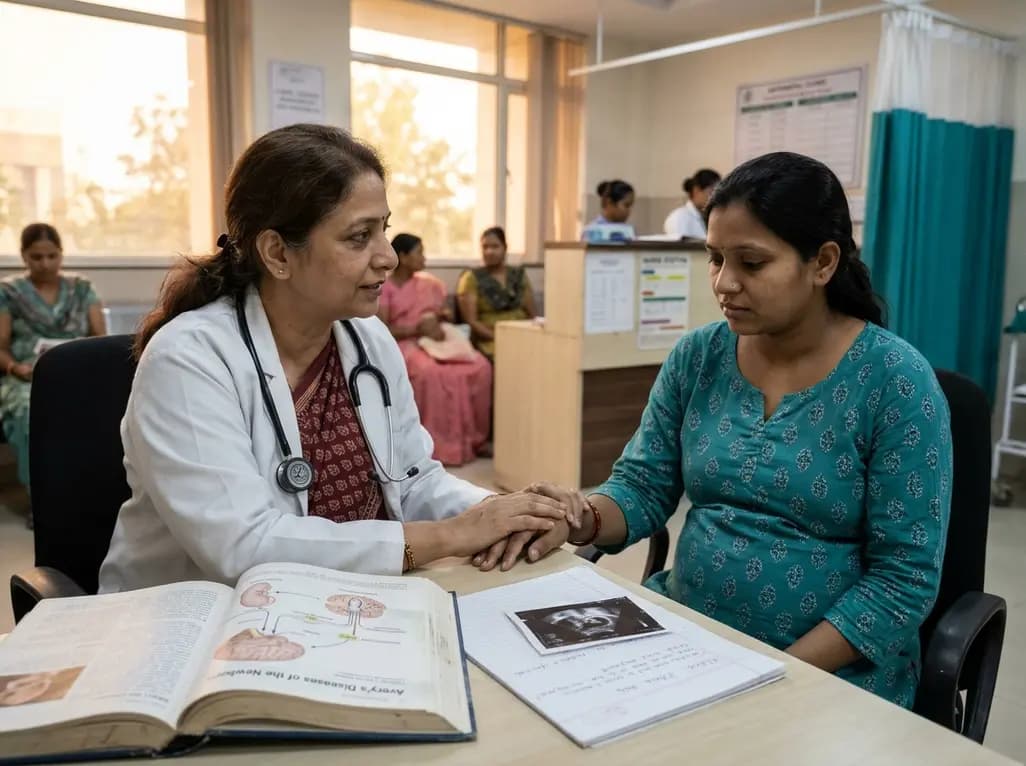
A comprehensive scoping review synthesises evidence linking prenatal maternal mental health to long-term offspring neurodevelopment, evaluating neuroendocrine, inflammatory, and epigenetic pathways while highlighting clinical screening and future research priorities.
Today

The Directorate General of Health Services directs Indian states to halt the hazardous reuse and reprocessing of single-use medical devices. Discover regulatory implications under the Drugs and Cosmetics Act, critical infection risks, legal liabilities, and operational changes required across clinical specialties.
Today
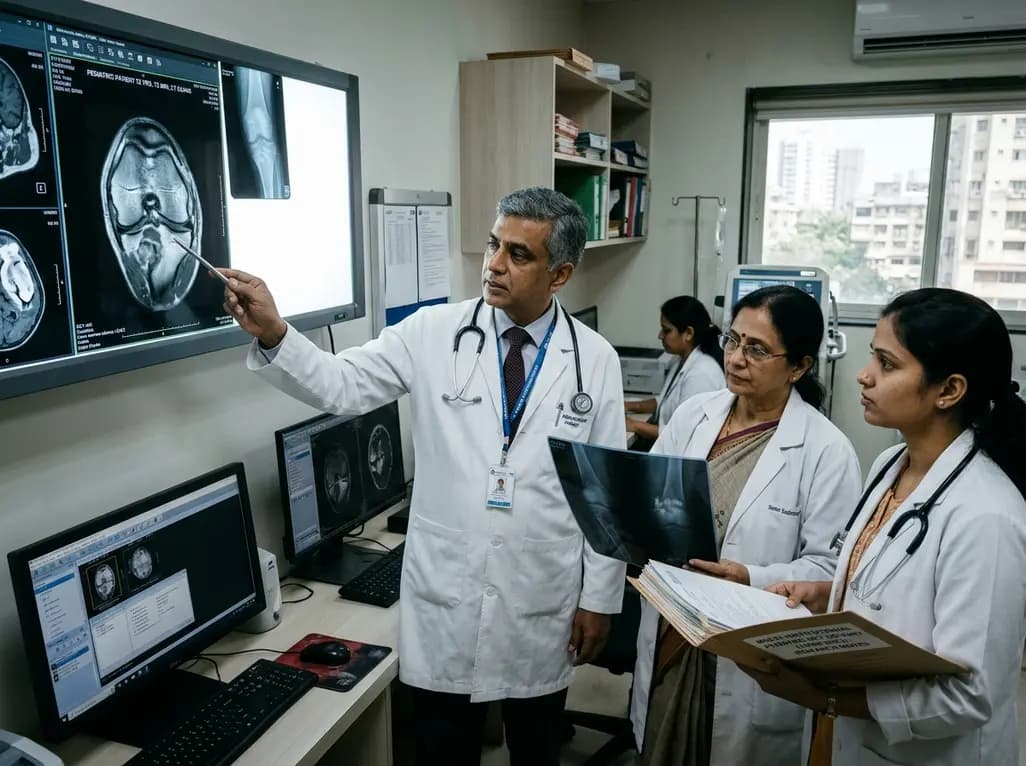
A 25-year multi-institutional cohort reveals high recurrence rates in pediatric giant cell tumor of bone, particularly in patients with open physes and bone marrow edema on preoperative MRI. Early surveillance and careful balance between growth plate preservation and tumor clearance are essential.
Today

India is advancing preventive healthcare by integrating genomics, artificial intelligence, and quantum technologies. With the SANGAM programme sequencing one million Indian genomes, clinicians can unlock personalized therapies, detect cardiometabolic risks early, and curb the burden of diabetes and heart disease.
Today
