.webp&w=384&q=75)

Loading, please wait...
Loading, please wait...

The landscape of cardiovascular health in India is currently undergoing a dramatic, worrisome shift. Consequently, young adults are increasingly diagnosed with hypertension, a condition once reserved for older generations. Therefore, clinical guidelines must evolve rapidly to address this threat. To confront this rising epidemic, healthcare providers are advocating for widespread early BP screening. Early detection can prevent decades of silent vascular damage and life-threatening complications.
Historically, clinicians associated high blood pressure almost exclusively with geriatric patients. However, recent epidemiological data paints a vastly different picture of modern India. Specifically, the latest National Family Health Survey (NFHS-6) reveals alarming trends nationwide. According to this data, approximately 19.4 per cent of women and 22.1 per cent of men aged over 15 have elevated blood pressure. Furthermore, this trend is significantly more pronounced in rapidly expanding urban centers compared to rural areas. Young professionals are now presenting with severe vascular conditions that previously appeared only in older age groups. Consequently, cardiologists report encountering young hypertensive individuals on a daily basis in routine practice. Many of these young patients appear entirely healthy and report no classic symptoms. Thus, the medical community must recognize that high blood pressure is no longer confined to old age. This realization necessitates a major pivot in public health policy and clinical screening programs. Ultimately, relying on age-based screening thresholds is an outdated approach that leaves millions vulnerable. Therefore, routine clinical evaluations must adapt immediately to address this emerging epidemic. Indeed, early detection serves as the primary defense against devastating long-term outcomes in young adults.
Undoubtedly, early BP screening represents the most effective clinical intervention to combat youth hypertension. For this reason, primary care physicians must establish proactive screening protocols in every clinic. Typically, young patients only discover elevated blood pressure during routine pre-surgical workups or unexpected emergency department visits. In contrast, waiting for symptoms to manifest is a dangerous clinical strategy. This is because hypertension rarely causes noticeable discomfort until severe physiological damage has already occurred. Consequently, many young individuals remain completely unaware of their condition. As a result, they face a heightened risk of premature myocardial infarction, stroke, and chronic kidney disease. Furthermore, the Indian Council of Medical Research (ICMR) highlights that a massive portion of the population remains undiagnosed. Therefore, initiating blood pressure checks at age fifteen is highly recommended. By normalizing this simple test during every routine clinic visit, healthcare systems can catch silent arterial damage early. Additionally, early diagnosis enables physicians to implement timely therapeutic strategies. These actions ultimately prevent decades of cumulative cardiovascular risk. Hence, active screening is not just beneficial, but absolutely vital for protecting our youth. Indeed, simple diagnostic checks in general practice can successfully identify asymptomatic cases before they escalate.
Frequently, a single blood pressure reading taken in a clinical setting fails to provide an accurate picture. Instead, it merely represents a temporary snapshot of a patient's cardiovascular state. For instance, many patients suffer from masked hypertension, where office readings appear normal but daily readings remain dangerously elevated. Consequently, home monitoring has emerged as an essential modern diagnostic tool. Specifically, digital home devices allow patients to share real-time physiological data directly with their medical teams. This ongoing stream of information helps clinicians identify fluctuating blood pressure trends over several weeks. In addition, it allows for highly precise and customized medication adjustments. For this reason, guidelines strongly recommend home monitoring for adults with pre-existing risk factors. These high-risk groups include individuals with diabetes, obesity, or a prominent family history of heart disease. Furthermore, regular home monitoring reduces the anxiety often associated with clinical environments. Therefore, it promotes patient autonomy and improves long-term compliance with therapeutic regimens. Ultimately, utilizing home-based technology empowers patients and bridges the gap between clinical visits and daily life. Thus, it plays an indispensable role in preventive cardiology. Indeed, keeping an active track at home ensures that hidden cardiovascular patterns are immediately brought to light.
Undeniably, modern corporate work cultures are major drivers behind the surge in youthful hypertension. In particular, many young professionals endure prolonged sitting hours and experience constant, high-level occupational stress. Additionally, these demanding routines frequently lead to highly processed food consumption and chronic sleep deprivation. Consequently, these combined lifestyle factors are accelerating vascular ageing much earlier than expected. This means that the arteries of a thirty-year-old may structurally resemble those of a much older individual. Moreover, this silent arterial stiffening restricts optimal blood flow, gradually damaging target organs like the heart and kidneys. To combat this, clinicians must emphasize that blood pressure needs regular tracking, just like body weight. However, patients often resist lifestyle modifications due to the lack of immediate, painful symptoms. Therefore, patient education must focus on illustrating the long-term benefits of early behavioral adjustments. For instance, minor daily changes can significantly preserve arterial elasticity over several decades. Ultimately, reversing this trend requires a cultural shift towards valuing proactive health management over reactive treatments. By modifying daily habits, young adults can effectively halt premature biological ageing and secure their long-term vascular health. As a result, clinical interventions should prioritize comprehensive counseling alongside standard pharmacological treatments whenever possible.
Importantly, lifestyle modification remains the absolute cornerstone of preventing and managing young-onset hypertension. For this reason, clinical guidelines recommend at least 150 minutes of moderate physical activity every week. Furthermore, maintaining a healthy body weight and avoiding tobacco are non-negotiable steps. In addition, dietary choices exert a massive influence on vascular tone. Specifically, excess sodium consumption is a well-documented driver of elevated blood pressure across India. Alarmingly, recent ICMR studies show that average salt intake regularly exceeds the recommended limit of five grams daily. To address this risk, researchers suggest incorporating low-sodium salt substitutes into daily meal preparation. Consequently, this simple dietary adjustment can substantially lower systemic blood pressure levels. Moreover, patients should focus on increasing their consumption of fresh fruits and potassium-rich vegetables. Such wholesome foods actively help neutralize the adverse effects of dietary sodium. Therefore, adopting a balanced, low-sodium diet represents a highly effective first-line defense. Ultimately, sustaining these positive habits requires consistent support from families and healthcare providers alike. Thus, comprehensive wellness education can empower young Indians to reclaim control over their metabolic and cardiovascular futures. Indeed, small steps taken in dietary planning yield monumental improvements in long-term arterial health.
Q1: Why is hypertension rising so rapidly among young adults in India?
This alarming shift is primarily driven by rapid urbanization and modern corporate work cultures. Consequently, young professionals experience high levels of occupational stress, chronic sleep deprivation, and prolonged sitting. Additionally, a rising reliance on processed foods and high-sodium diets accelerates vascular ageing. Together, these modern lifestyle factors create a perfect storm, causing cardiovascular diseases once limited to older generations to manifest in young adults.
Q2: What is masked hypertension, and how can clinicians successfully detect it?
Masked hypertension occurs when a patient's blood pressure reads normally in a clinic setting but remains elevated at home. To detect this hidden danger, experts recommend utilizing digital home monitoring devices. These connected tools allow patients to record multiple readings during normal daily activities. Therefore, sharing this continuous real-world data directly with healthcare providers helps bypass clinical anxieties and reveals accurate cardiovascular patterns.
Q3: How does high sodium consumption specifically affect blood pressure?
Excessive sodium intake forces the kidneys to retain extra fluid within the bloodstream, which dramatically increases overall blood volume. Consequently, this extra volume exerts immense, continuous pressure against the arterial walls. Over time, high sodium consumption stiffens the blood vessels, leading to chronic hypertension and target organ damage. Therefore, substituting standard table salt with low-sodium alternatives can help mitigate these risks and support cardiovascular health.
Disclaimer: This content is for informational and educational purposes only. It does not constitute medical advice or replace professional judgment. Refer to the latest local and national guidelines for clinical practice.
References

Read summarized clinical updates, watch expert medical content, and earn CME certifications right from your smartphone.
Open your smartphone camera to scan and install.





With high blood pressure rapidly rising among young adults in India, experts warn that many remain asymptomatic until severe complications strike. Learn why home monitoring and proactive lifestyle modifications are essential first-line defenses.
3 months ago
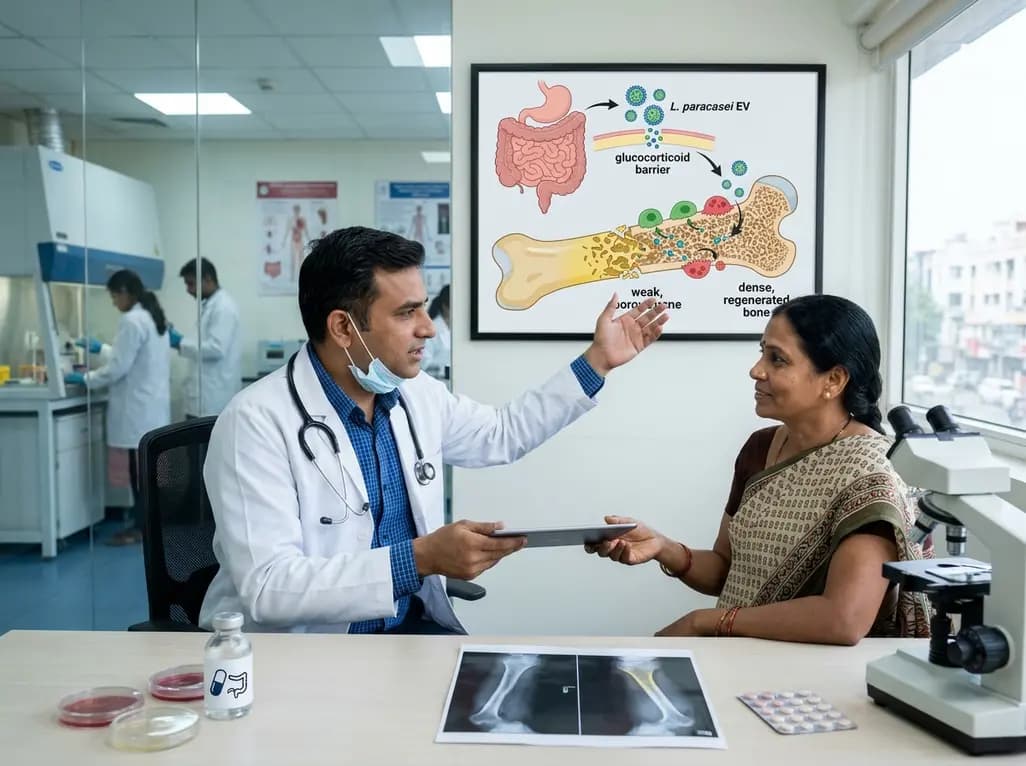
A novel oral nanoplatform using Lacticaseibacillus paracasei-derived extracellular vesicles delivers alendronate, reversing glucocorticoid-induced bone loss and restoring gut-immune-bone homeostasis.
Today

A rare presentation of cervical villoglandular adenocarcinoma metastasizing to the ovary mimicked a borderline ovarian tumor. Multimodal testing with immunohistochemistry and HPV16 DNA confirmed metastatic origin, guiding optimal surgical and chemoradiotherapy intervention.
Today
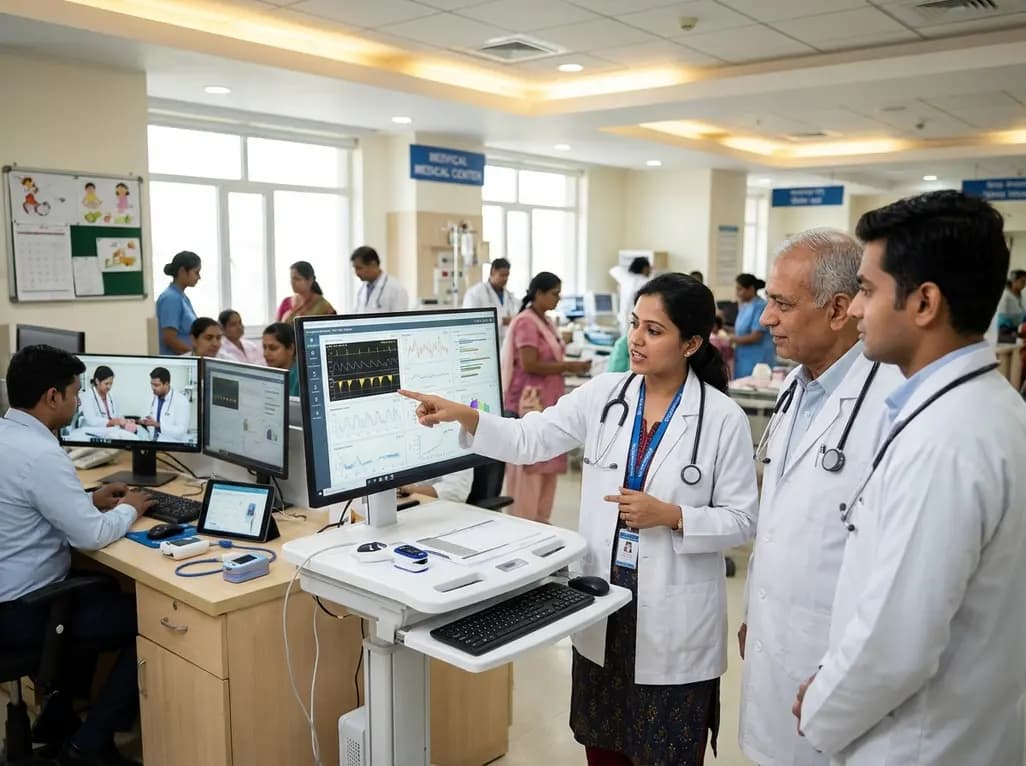
A landmark study details how an enterprise pediatric remote patient management model expanded from a single cardiology pilot to 16 diverse specialty programs by combining centralized digital operations with specialty clinical leadership.
Yesterday

A comparative review of tension band wiring and intramedullary screw fixation in thumb metacarpophalangeal arthrodesis, evaluating union rates, hardware complications, and clinical outcomes.
Yesterday
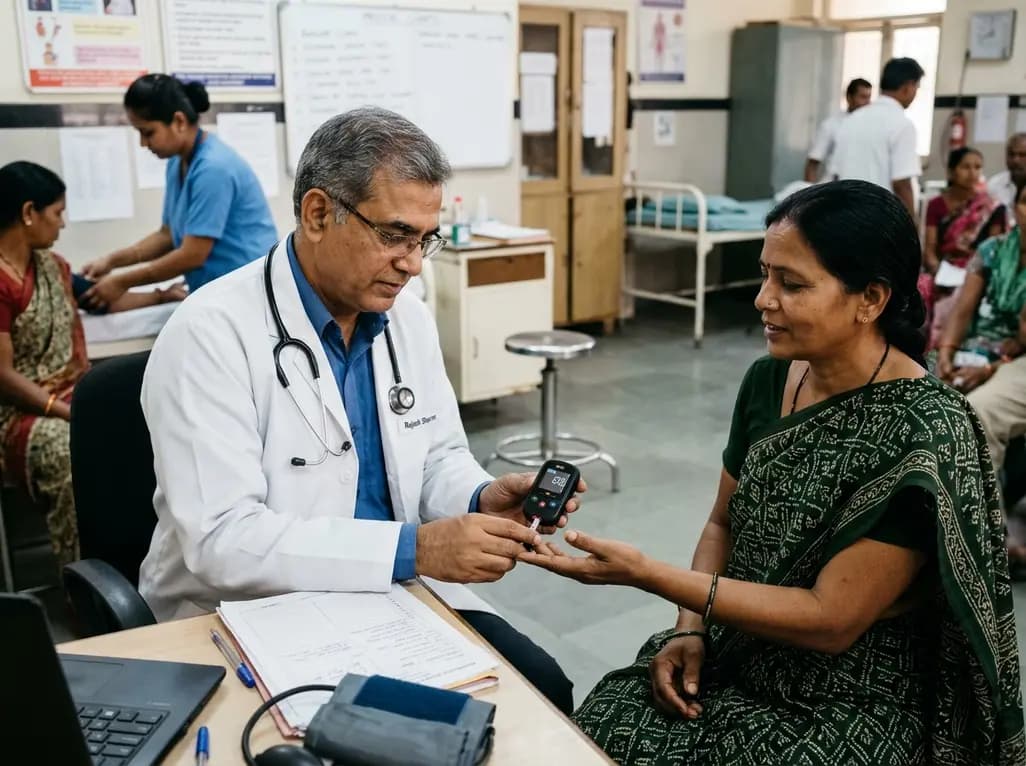
A real-world trial evaluating a near-infrared spectroscopy noninvasive glucose monitoring device in adults with type 2 diabetes demonstrated a combined MAD/MARD of 16.3 across 2,616 paired readings, highlighting its clinical feasibility.
Today
